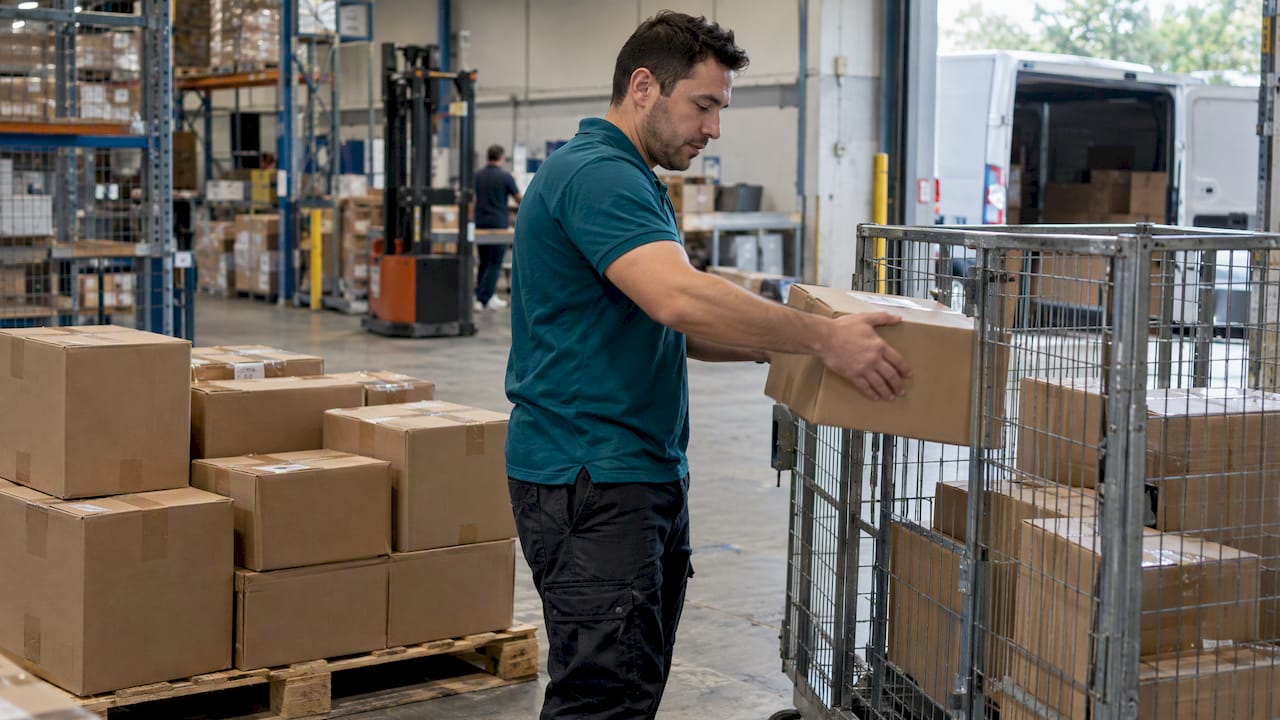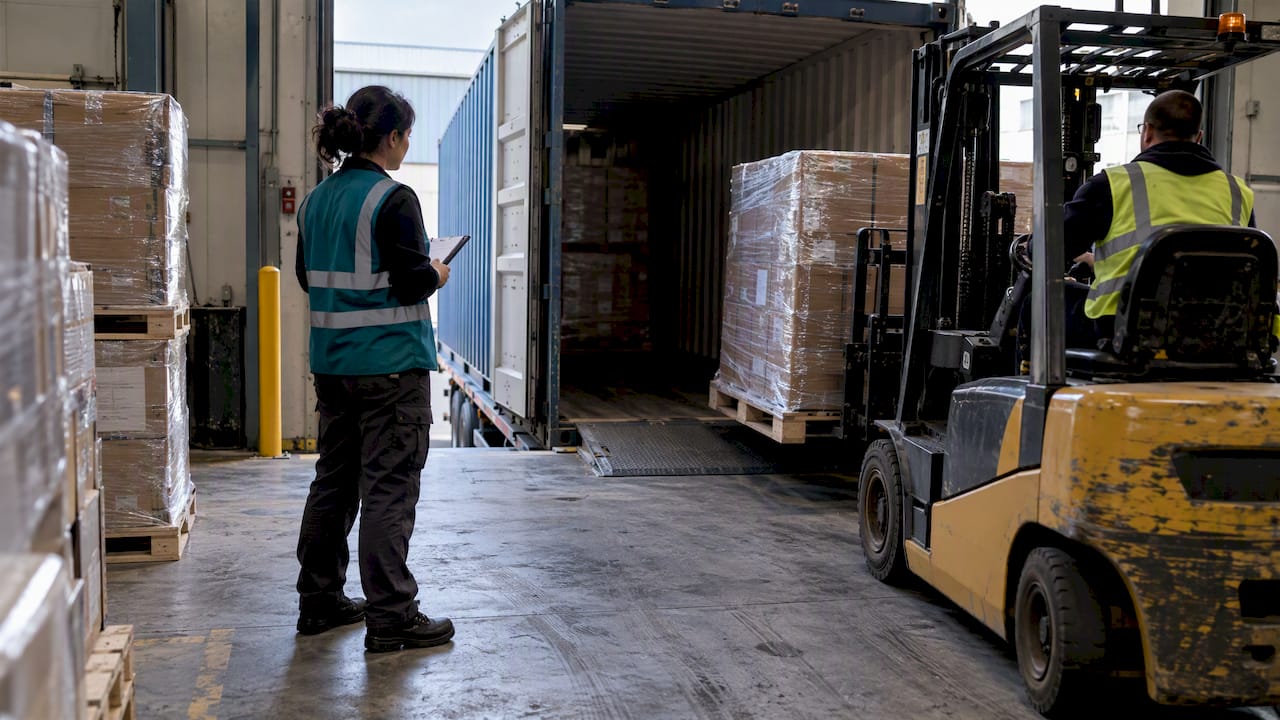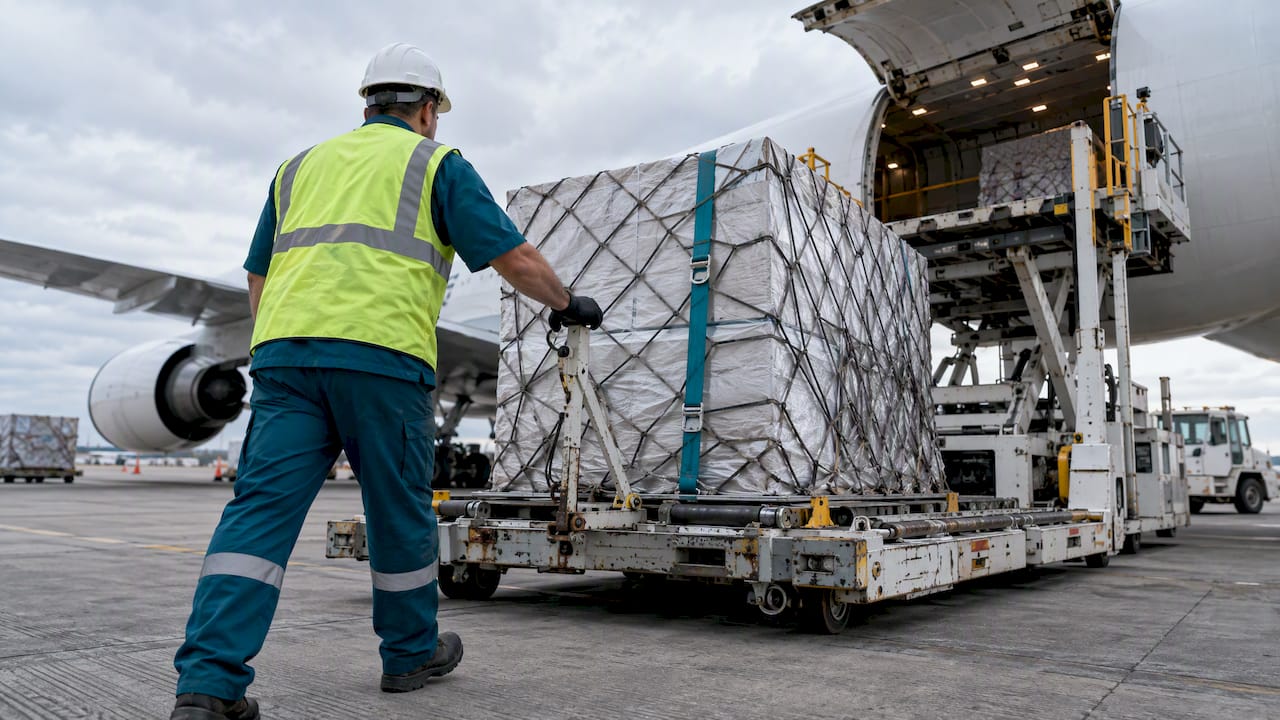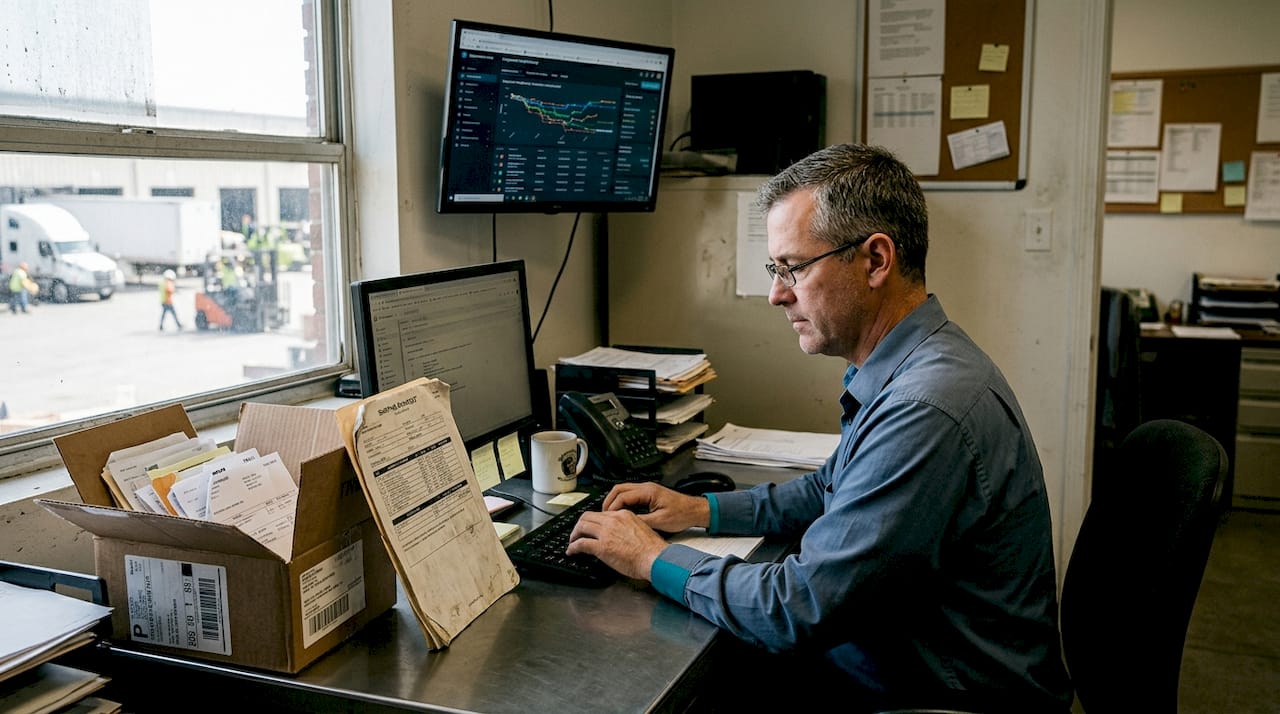
Freight forwarding can feel overwhelming when you’re managing ecommerce logistics. Between coordinating multiple carriers, navigating customs paperwork, and controlling shipping costs, the complexity multiplies fast. Smart freight forwarding isn’t about doing more, it’s about doing what matters. The right strategies cut expenses, speed delivery, and prevent costly disruptions. This guide delivers expert-backed tips to transform how you approach freight forwarding, helping you select partners, choose shipping methods, manage documentation, and leverage technology to build a supply chain that scales with your business.
Table of Contents
- Key takeaways
- How to evaluate freight forwarding partners and criteria for selection
- Smart shipping methods and cost-saving strategies for ecommerce freight
- Managing documentation and mitigating common freight forwarding challenges
- Leveraging technology and strategic decision-making to optimize freight forwarding
- Optimize your freight booking with ORNER solutions
- FAQ
Key Takeaways
| Point | Details |
|---|---|
| Partner selection criteria | Use a scorecard to evaluate freight forwarders on technology adoption, regulatory compliance, and gateway strength before selecting a partner. |
| Shipping method guidance | Choose FCL, LCL, air, or ocean based on volume, cost, and urgency to optimize efficiency. |
| Documentation planning | Plan for customs paperwork and build buffers using historical data to prevent disruptions and costly delays. |
| Technology driven tracking | Leverage platforms with real time tracking and AI automation to monitor shipments and catch exceptions early. |
How to evaluate freight forwarding partners and criteria for selection
Choosing the right freight forwarder determines whether your shipments arrive on time or get stuck in customs. Start with a scorecard approach that evaluates partners across three dimensions: technology adoption, regulatory compliance, and gateway control. Use SaaS for real-time tracking and AI automation to monitor shipments and catch exceptions before they escalate. Technology separates modern forwarders from outdated ones. Look for platforms that integrate with your ecommerce systems and provide visibility across ocean, air, and land transport.
Compliance matters more than you think. A forwarder experienced in customs regulations prevents documentation errors that cause delays. Gateway control refers to their network strength at key ports and airports. Strong relationships with carriers and customs officials speed clearance and reduce bottlenecks. For ecommerce sellers shipping to Amazon FBA, prioritize forwarders who specialize in prep services, labeling requirements, and appointment scheduling.
Pro Tip: Request case studies showing how forwarders handled disruptions for similar ecommerce businesses. Their response to port congestion or carrier strikes reveals operational resilience.
Build buffers into your shipping timelines based on historical data. Forwarders who provide data-driven lead time estimates help you plan inventory replenishment accurately. Check references from other ecommerce sellers in your product category. A freight forwarder benefits ecommerce shipping success when they understand your specific challenges, whether you’re shipping apparel, electronics, or home goods. Review their freight forwarding ecommerce guide capabilities to ensure alignment with your growth plans.
Smart shipping methods and cost-saving strategies for ecommerce freight
Shipping method selection directly impacts your bottom line. Full Container Load (FCL) works best when you have enough volume to fill a 20-foot or 40-foot container. The per-unit cost drops significantly compared to Less than Container Load (LCL), which consolidates shipments from multiple sellers. FCL delivers cheaper per-unit costs for large volumes, while LCL suits smaller loads that don’t justify a full container.
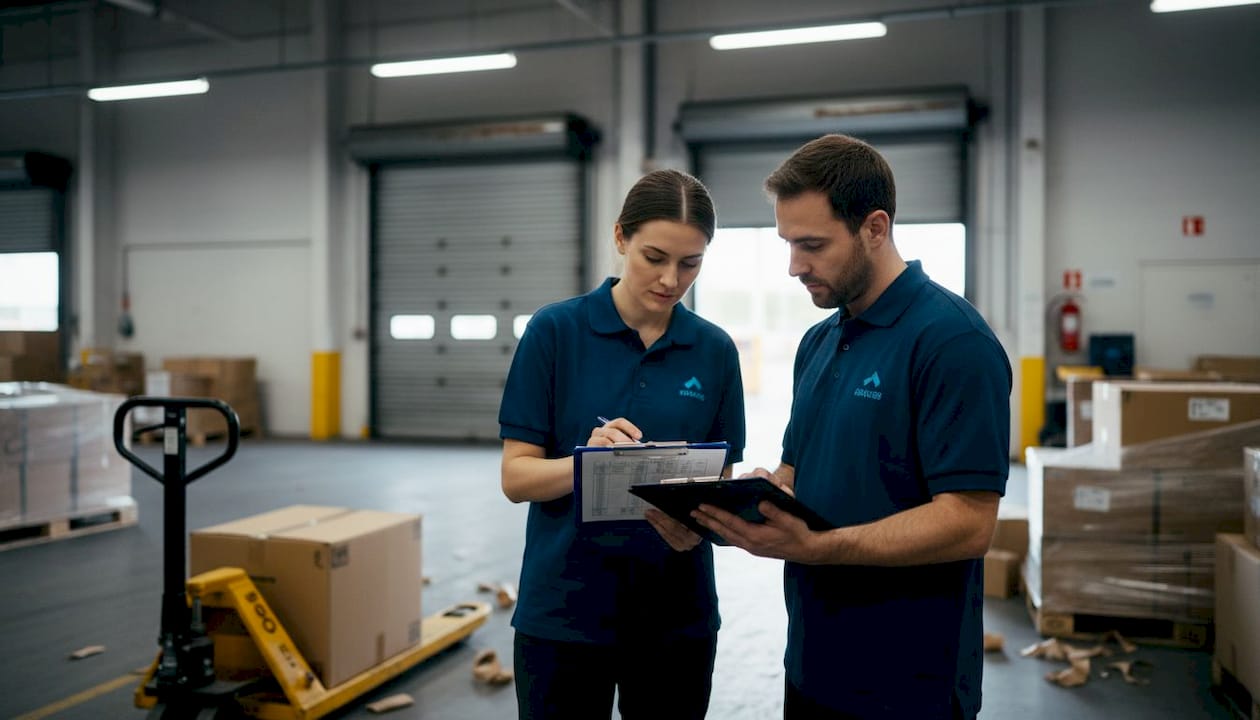
Air freight wins for urgent shipments under 150kg. Transit times range from 3 to 12 days, making it ideal for product launches, seasonal peaks, or high-value items where speed justifies the premium. Ocean freight remains the most economical choice for bulk shipments, with transit times between 20 and 45 days. Plan inventory accordingly to avoid stockouts during the longer journey.
| Shipping method | Best for | Transit time | Cost level |
|---|---|---|---|
| FCL | Large volumes, full containers | 20-45 days | Low per unit |
| LCL | Small loads, consolidated shipments | 25-50 days | Medium per unit |
| Air freight | Urgent, high-value items under 150kg | 3-12 days | High |
| Ocean freight | Bulk, non-urgent shipments | 20-45 days | Lowest |
Consolidation cuts costs by combining multiple small shipments into one larger load. Coordinate with your forwarder to group orders heading to the same region. Packaging optimization reduces dimensional weight charges and damage risk. Use right-sized boxes, protective materials, and pallet configurations that maximize container space. Time shipments to avoid peak season surcharges during holidays and Chinese New Year when rates can double.
Pro Tip: Negotiate volume commitments with forwarders for better rates, but only if your sales projections support the commitment. Breaking agreements damages relationships.
Explore freight booking guide optimize ecommerce logistics efficiently strategies and learn the best way to ship large items ecommerce for oversized products. Consider booking transportation savings tips that apply across freight modes.
Managing documentation and mitigating common freight forwarding challenges
Documentation errors cause 60% of delays and fines in cross-border shipping. Every shipment requires accurate paperwork to clear customs and reach its destination. Missing or incorrect documents trigger inspections, storage fees, and missed delivery windows. The core documents you need include:
- Bill of lading: Contract between shipper and carrier detailing cargo and terms
- Commercial invoice: Itemized list with values for customs valuation
- Packing list: Contents, weights, dimensions for each package
- Certificate of origin: Proves where goods were manufactured for tariff purposes
Special cargo adds complexity. Out-of-gauge shipments exceeding standard container dimensions need special permits and handling equipment. Coordinate with forwarders experienced in oversized cargo to avoid port delays. Seasonal peaks during holidays can double transit times due to port congestion and carrier capacity constraints. Root cause analysis reduces delays by 73% when you identify recurring bottlenecks and address them systematically.
Perishable goods require pre-cooling before loading and temperature-controlled containers throughout transit. Work with forwarders who monitor cold chain integrity and have contingency plans for equipment failures. Hazardous materials demand additional certifications, labeling, and handling procedures that vary by destination country.
Follow these steps to prevent documentation problems:
- Create a checklist of required documents for each destination country
- Verify Harmonized System codes for accurate tariff classification
- Double-check values, quantities, and descriptions match across all documents
- Submit paperwork 48 hours before cargo arrival at port
- Maintain digital copies accessible to customs brokers and carriers
Pro Tip: Build relationships with customs brokers at your primary destination ports. Their local knowledge prevents surprises and speeds clearance.
Master the freight forwarding documentation process and understand customs clearance explained shipping requirements to avoid costly mistakes.
Leveraging technology and strategic decision-making to optimize freight forwarding
Technology transforms freight forwarding from reactive firefighting to proactive management. AI-powered SaaS platforms provide real-time tracking across carriers, alerting you to exceptions before they impact delivery. Automation handles routine tasks like booking confirmations, document generation, and status updates, freeing your team for strategic work. Multi-carrier use boosts international speed by 37% compared to single-carrier approaches by leveraging each carrier’s strengths.
The choice between global and local forwarders depends on your shipping patterns. Global forwarders excel at coordinating complex multi-leg shipments across regions. They offer consistent service standards and centralized communication. Local forwarders bring deep knowledge of specific gateways, relationships with regional carriers, and faster response times for market-specific challenges.
| Factor | Global forwarders | Local forwarders |
|---|---|---|
| Geographic coverage | Worldwide network | Regional expertise |
| Technology | Advanced platforms | Variable systems |
| Pricing | Volume discounts | Competitive local rates |
| Best for | Multi-region shipping | Single-market focus |
Air freight wins for product launches under 150kg despite higher costs because market timing matters more than freight savings. The revenue from being first to market outweighs the shipping premium. Ocean freight makes sense for established products with predictable demand where you can plan inventory months ahead.
“The cheapest option isn’t always the best decision. Factor in the cost of stockouts, rush orders, and lost sales when comparing freight options. Reliability has a value that doesn’t show up on the freight invoice.”
Decision frameworks help balance competing priorities. Create a scoring matrix that weights cost, speed, reliability, and flexibility based on your business model. High-margin products justify faster, more expensive shipping. Commodity items with thin margins require the lowest cost option. Seasonal products need flexibility to scale capacity up and down.
Pro Tip: Test new forwarders with small shipments before committing large volumes. Performance on routine shipments predicts how they’ll handle problems.
Explore the air freight forwarding process guide 2026 and review top freight booking options ecommerce logistics to compare platforms and services.
Optimize your freight booking with ORNER solutions
Implementing these freight forwarding tips requires the right partner and platform. ORNER delivers end-to-end logistics solutions designed specifically for ecommerce sellers who need reliable, scalable freight management. Our technology integrates real-time tracking, automated documentation, and AI-powered exception management to streamline your supply chain.
Whether you’re shipping FCL containers, managing LCL consolidations, or coordinating air freight for product launches, ORNER’s global network and ecommerce expertise ensure your inventory moves efficiently. Our platform connects with Amazon FBA and other major ecommerce operators, handling prep services, customs clearance, and last-mile delivery. Discover how freight booking explained streamline ecommerce shipping with ORNER’s solutions. Master freight booking process 2026 with our expert guidance and explore our comprehensive freight booking guide optimize ecommerce logistics efficiently to transform your shipping operations.
FAQ
How do I choose the best freight forwarder for my ecommerce business?
Evaluate forwarders using a scorecard that measures technology adoption, compliance expertise, and gateway control at your key shipping ports. Prioritize those with ecommerce specialization who understand FBA requirements, prep services, and appointment scheduling. Request references from sellers in your product category and review case studies showing how they handled disruptions. Learn more about freight forwarder benefits ecommerce shipping success to make informed decisions.
What are the main differences between air and ocean freight?
Air freight delivers shipments in 3 to 12 days, making it ideal for urgent orders under 150kg or high-value products where speed justifies premium costs. Ocean freight takes 20 to 45 days but offers the lowest per-unit cost for bulk shipments and non-urgent inventory. Choose air for product launches and seasonal peaks, ocean for established products with predictable demand. Review the air freight forwarding process guide 2026 for detailed comparisons.
How can I avoid delays caused by documentation errors?
Create a destination-specific checklist of required documents including bill of lading, commercial invoice, packing list, and certificate of origin. Verify Harmonized System codes match product descriptions and submit paperwork 48 hours before cargo arrives at port. Partner with experienced customs brokers who know local requirements and can resolve issues quickly. Maintain digital copies accessible to all parties in the shipping chain. Master the freight forwarding documentation process to prevent costly mistakes.
Should I use FCL or LCL for my shipments?
Use FCL when you have enough volume to fill a 20-foot or 40-foot container, as the per-unit cost drops significantly compared to LCL. Choose LCL for smaller loads that don’t justify a full container, accepting slightly longer transit times due to consolidation. Calculate your break-even point by comparing FCL rates divided by container capacity against LCL rates for your actual volume. Consider inventory carrying costs and stockout risks when deciding between methods.
How does technology improve freight forwarding efficiency?
AI-powered platforms provide real-time tracking across multiple carriers, alerting you to exceptions before they impact delivery schedules. Automation handles routine tasks like booking confirmations, document generation, and status updates, reducing manual errors and freeing your team for strategic work. Multi-carrier integration enables you to leverage each carrier’s strengths, boosting international shipping speed by 37% compared to single-carrier approaches. Data analytics identify recurring bottlenecks and optimize future shipping decisions.
Recommended
- 7 Key Freight Forwarder Benefits for Ecommerce Success – ORNER
- Freight booking tips for ecommerce sellers in 2026 – ORNER
- 7 Best Ways to Ship Large Items for Ecommerce Success – ORNER
- Freight Forwarding 2026: Cut Costs 30% & Boost Trade – ORNER
- Comment augmenter les ventes de votre boutique en ligne ? – Tamara Agency