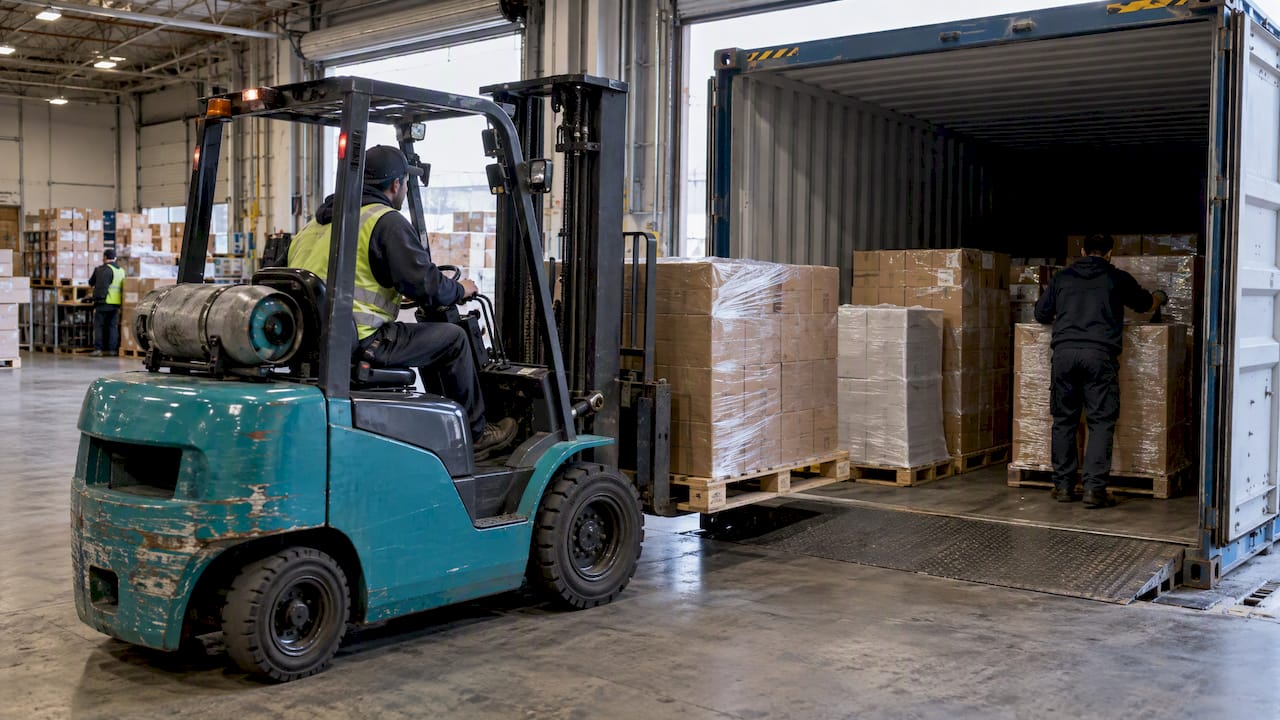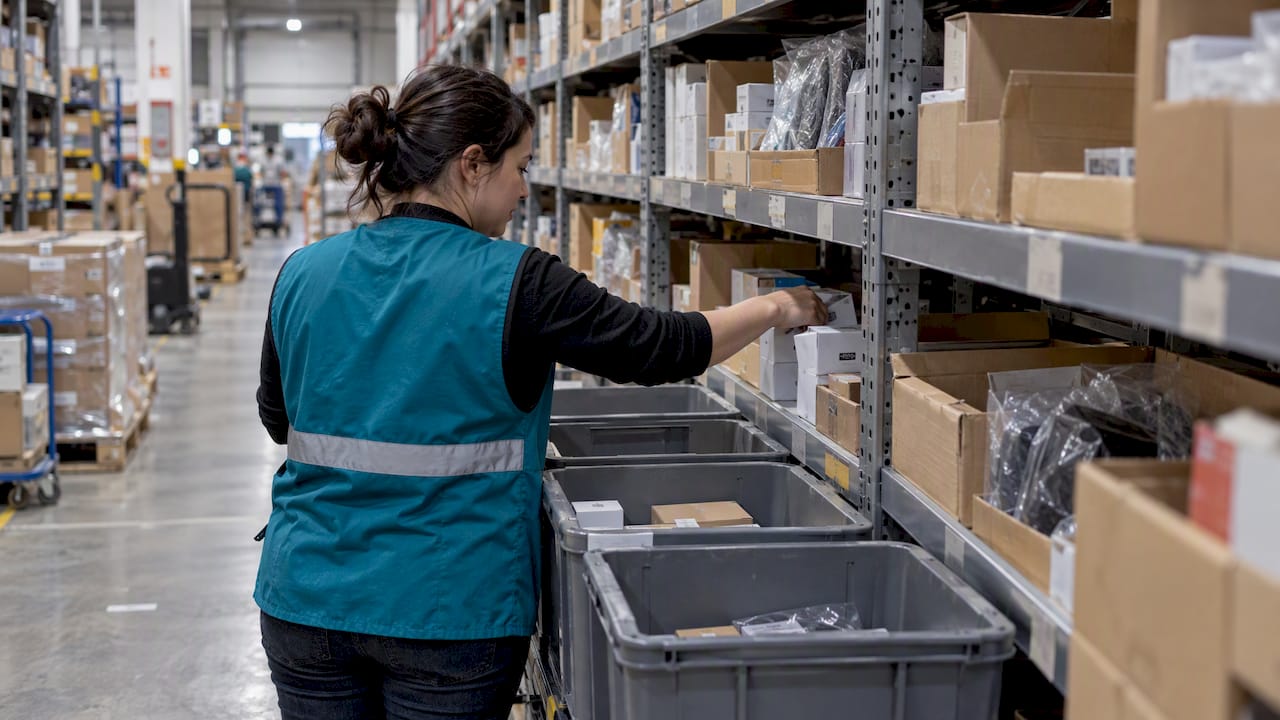
Freight booking mistakes cost ecommerce sellers thousands in delays and extra fees every year. Inefficient booking processes, missed appointments, and poor carrier selection lead to detention charges, demurrage fees, and frustrated customers waiting for products. Cross-border shipments add layers of complexity with customs documentation and compliance requirements that can halt shipments at borders. This guide delivers practical freight booking strategies to help logistics managers and ecommerce sellers optimize their shipping operations, reduce costs, and ensure reliable delivery in 2026.
Table of Contents
- Preparing For Successful Freight Booking
- Step-By-Step Guide To Booking Freight Effectively
- Avoiding Costly Detention And Demurrage Fees
- Best Practices For Cross-Border Freight Booking And Compliance
- Optimize Your Freight Booking With ORNER’s Logistics Solutions
- Frequently Asked Questions
Key takeaways
| Point | Details |
|---|---|
| Preparation improves efficiency | Accurate shipment details and digital tools streamline the booking process and reduce errors |
| Avoid detention and demurrage | Understanding fee structures and dock readiness prevents costly storage and waiting charges |
| Negotiation saves money | Comparing carriers and booking in advance secures better rates and service levels |
| Cross-border compliance matters | Proper customs documentation and regulatory planning ensure smooth international shipments |
Preparing for successful freight booking
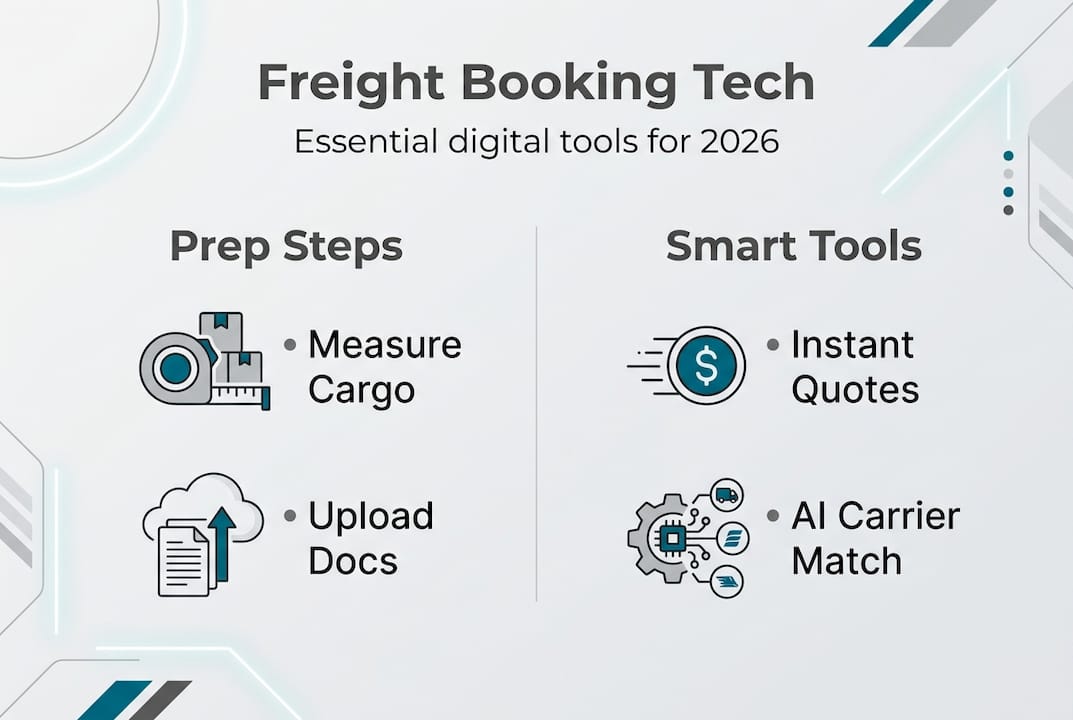
Successful freight booking starts long before you contact a carrier. Ecommerce sellers and logistics managers must gather precise shipment information to avoid costly surprises and delays. Accurate measurements matter because carriers calculate rates based on dimensional weight and freight class, not just actual weight.
Start by measuring your shipment’s exact dimensions, weight, and density. Calculate the freight class using the National Motor Freight Classification system, which categorizes goods from Class 50 (densest, cheapest) to Class 500 (least dense, most expensive). A miscalculated freight class can result in reclassification fees and invoice adjustments that eat into your margins.
Select your shipping mode based on urgency, cost, and destination. Ocean freight offers the lowest per-unit cost for large volumes but takes weeks. Air freight delivers quickly but costs significantly more. Ground transportation balances speed and cost for domestic shipments. Research carriers thoroughly by checking performance metrics, service areas, and customer reviews before committing.
Gather all necessary documentation before booking. You’ll need commercial invoices, packing lists, bills of lading, and any special permits or certificates for regulated goods. Missing paperwork causes delays at pickup, customs checkpoints, and delivery points.
Digital tools provide instant quotes and AI-driven carrier assignments that eliminate hours of manual research. Transportation management systems connect you with vetted carriers, compare rates in real time, and automate booking workflows. These platforms integrate with your existing ecommerce systems to pull order data automatically, reducing data entry errors.
Pro Tip: Create a standardized freight booking checklist that your team follows for every shipment. Include fields for dimensions, weight, freight class, special handling requirements, and delivery deadlines. This consistency prevents overlooked details that cause booking errors.
Compare top freight booking solutions to find platforms that match your shipping volume and complexity. Look for features like multi-carrier rate comparison, automated documentation generation, and integration with your warehouse management system. The right platform pays for itself by preventing booking mistakes and securing competitive rates.
Understand carrier requirements for pickup locations. Some carriers need loading docks with specific equipment, while others can handle ground-level pickups. Communicate your facility capabilities clearly when booking to avoid pickup delays or additional fees. Review how to negotiate shipping rates for strategies to secure volume discounts and better service terms with your preferred carriers.
Step-by-step guide to booking freight effectively
Executing freight bookings efficiently requires following a structured process that leverages technology and strategic timing. Automated booking systems complete in minutes what used to take hours of phone calls and email exchanges.
-
Request quotes from multiple carriers simultaneously using a digital freight platform. Enter your shipment details once and receive competing bids within minutes. Compare not just rates but also transit times, service levels, and carrier reliability scores.
-
Negotiate rates before confirming your booking. Carriers often have flexibility on pricing, especially for repeat customers or during slower shipping periods. Mention competing quotes to encourage better offers. Book shipments at least 48 hours in advance when possible to access lower rates and better service windows.
-
Schedule precise pickup and delivery appointments. Provide specific time windows rather than vague “morning” or “afternoon” requests. Confirm that your loading dock will be staffed and ready during the scheduled window. Late or missed appointments trigger detention fees that quickly add up.
-
Generate and review all shipping documentation before the carrier arrives. Double-check that product descriptions, quantities, and values match your commercial invoice. Errors in paperwork cause customs delays for international shipments and delivery holds for domestic freight.
-
Track shipments in real time using integrated shipment tracking software. Modern platforms provide GPS-level visibility and send automatic alerts when shipments deviate from schedule or encounter delays. This early warning system lets you proactively communicate with customers and reroute shipments when necessary.
-
Confirm delivery completion and inspect for damage immediately. Take photos of any packaging damage before signing the delivery receipt. File claims within the carrier’s specified timeframe, typically 24 to 48 hours for visible damage.
Pro Tip: Build relationships with 3 to 5 reliable carriers across different shipping modes. This diversification protects you when one carrier faces capacity constraints or service disruptions. Regular shippers often receive priority service and better rates from carriers who value consistent business.
Review your freight booking data monthly to identify patterns and opportunities. Track metrics like average cost per shipment, on-time delivery percentage, and claim frequency by carrier. Use these insights to refine your carrier selection and negotiate better deals during contract renewals.
Automate routine bookings for regular shipment lanes. If you ship the same products to the same destinations weekly, set up recurring bookings with preferred carriers. This automation reduces administrative work and locks in negotiated rates for predictable routes.
Avoiding costly detention and demurrage fees
Detention and demurrage fees represent two of the most frustrating and avoidable costs in freight shipping. These charges accumulate quickly when shipments aren’t handled efficiently at pickup and delivery points.
Detention fees apply when a truck waits beyond the allowed free time at your loading dock or delivery location. Carriers typically provide 2 hours of free time for loading or unloading. After that, detention charges range from $25 to $75 per hour. A 4-hour delay costs $50 to $150 in unnecessary fees.
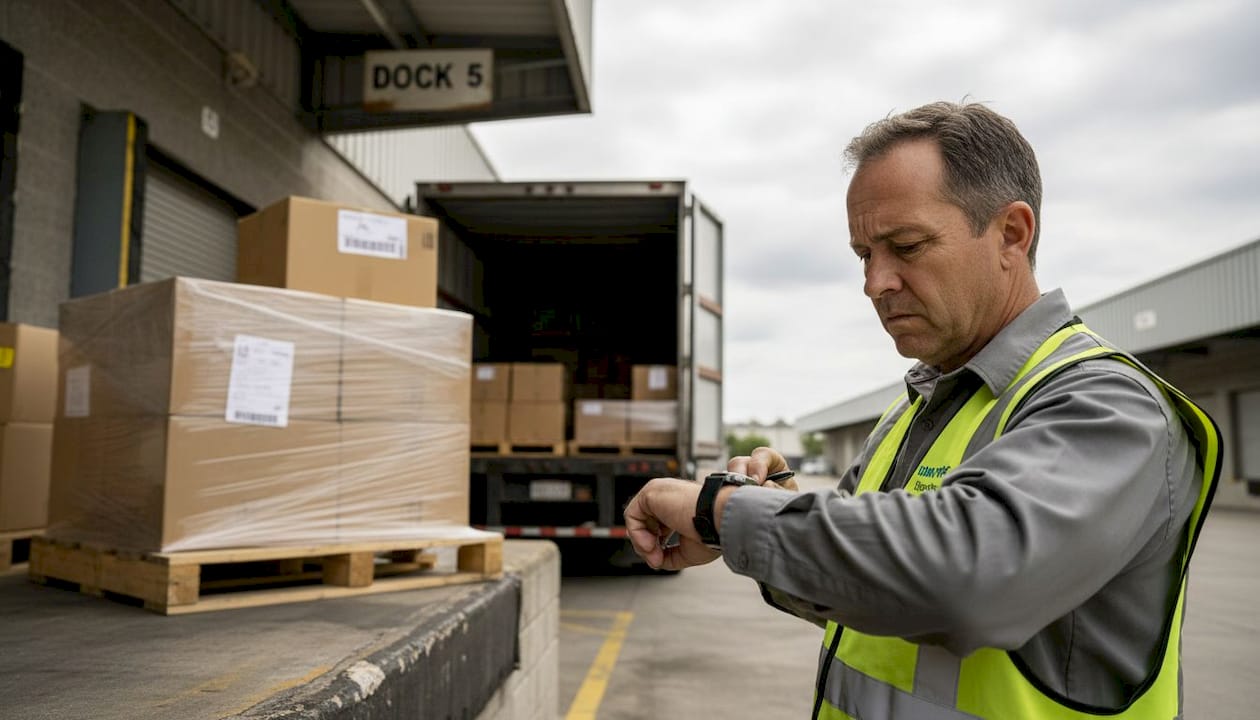
Demurrage fees occur when shipping containers remain at port terminals beyond the free time period, typically 3 to 5 days. These storage charges range from $75 to $150 per day and increase the longer containers sit. A week of demurrage can add $525 to $1,050 to your shipping costs.
| Fee Type | Trigger Point | Typical Cost | Prevention Strategy |
|---|---|---|---|
| Detention | Truck waiting over 2 hours | $25 to $75 per hour | Schedule accurate appointments and ensure dock readiness |
| Demurrage | Container at terminal over 3 to 5 days | $75 to $150 per day | Complete customs clearance and arrange pickup promptly |
Common causes of these fees include:
- Loading docks unprepared when carriers arrive for pickup
- Inaccurate appointment scheduling that doesn’t account for actual loading time
- Missing or incorrect customs documentation delaying container release
- Inadequate staffing during scheduled pickup or delivery windows
- Equipment failures like broken forklifts or dock levelers
Implement these best practices to minimize detention and demurrage charges:
- Stage shipments near loading docks 30 minutes before scheduled pickup times
- Verify all customs paperwork is complete and approved before containers arrive at terminals
- Staff your loading docks appropriately during all scheduled shipping windows
- Maintain backup equipment like forklifts and pallet jacks to handle breakdowns
- Set calendar reminders for container free time expiration dates
- Use efficient warehouse layouts that minimize travel time between storage and loading areas
Pro Tip: Negotiate extended free time periods with carriers when establishing shipping contracts. Some carriers will offer 3 to 4 hours of free time for high-volume shippers, providing a buffer against unexpected delays.
Track detention and demurrage incidents to identify systemic issues. If you’re consistently incurring fees at specific locations or with certain product types, investigate root causes. Sometimes investing in better warehouse equipment or additional staff prevents far more in avoided fees.
Communicate proactively with carriers when delays are unavoidable. If a shipment won’t be ready at the scheduled time, notify the carrier immediately to reschedule. Most carriers waive or reduce fees when given advance notice rather than discovering delays upon arrival.
Best practices for cross-border freight booking and compliance
Cross-border freight booking introduces regulatory complexity that can halt shipments at borders if not handled correctly. Ecommerce sellers shipping internationally must master customs documentation and compliance requirements for each destination country.
Customs paperwork forms the foundation of successful international shipping. Prepare commercial invoices with detailed product descriptions, harmonized tariff codes, country of origin, and accurate values. Incomplete or incorrect documentation triggers customs holds that delay delivery by days or weeks.
Digital platforms streamline tracking and customs documentation management by storing product information and generating required forms automatically. These systems maintain libraries of tariff codes and country-specific requirements, reducing errors that cause customs rejections.
Research tariff and regulatory compliance requirements before booking international freight. Each country maintains different prohibited items lists, import restrictions, and duty rates. What ships freely to Canada might face steep tariffs or outright bans in other markets. Verify requirements through official customs websites or experienced freight forwarders.
Coordinate with freight forwarders who specialize in your target markets. These experts understand local customs procedures, maintain relationships with customs officials, and can expedite clearance when issues arise. Their services cost more than direct carrier booking but prevent far costlier delays and compliance penalties.
Cross-border shipping checklist:
- Verify all product descriptions match actual goods being shipped
- Assign correct harmonized tariff codes for each product
- Calculate and declare accurate shipment values including freight costs
- Obtain required certificates of origin, phytosanitary certificates, or other special documents
- Review destination country’s prohibited and restricted items lists
- Confirm importer of record information is complete and accurate
- Arrange customs bond or security if required by destination country
- Communicate delivery address clearly with local language if necessary
Understand Incoterms and their implications for your business. These standardized trade terms define who pays for shipping, insurance, customs duties, and where risk transfers from seller to buyer. Choosing the wrong Incoterm can leave you liable for unexpected costs or customs clearance responsibilities.
Plan for longer transit times on international shipments. Cross-border freight takes 2 to 3 times longer than domestic shipping due to customs processing, border crossings, and multiple carrier handoffs. Build this extended timeline into your customer delivery promises to avoid disappointment.
Review customs clearance procedures to understand what happens at border checkpoints and how to prepare documentation that speeds processing. Learn about freight forwarding documentation requirements to ensure you’re providing forwarders with everything they need for smooth customs clearance.
Pro Tip: Establish relationships with customs brokers in your primary destination markets. These specialists handle customs clearance on your behalf and can resolve issues quickly when shipments face holds or inspections. Their local expertise proves invaluable for regular international shippers.
Optimize your freight booking with ORNER’s logistics solutions
Implementing these freight booking strategies becomes significantly easier with the right technology partner supporting your operations. ORNER’s integrated logistics platform delivers the tools ecommerce sellers and logistics managers need to streamline freight booking, reduce costs, and ensure reliable delivery across domestic and international markets.
Our global logistics platform provides instant freight quotes from multiple carriers, real-time shipment tracking, and automated documentation generation that eliminates manual data entry. The system integrates seamlessly with your existing ecommerce operations, pulling order data automatically and routing shipments to the most cost-effective carriers based on your business rules.
ORNER’s end-to-end logistics solutions extend beyond freight booking to include warehousing, inventory management, customs clearance, and last-mile delivery. This comprehensive approach gives you a single partner managing your entire supply chain, reducing coordination overhead and improving visibility across all logistics activities. Compare top freight booking solutions to see how ORNER’s platform stacks up against alternatives and discover features that match your specific shipping needs.
Frequently asked questions
What is the difference between detention and demurrage fees?
Detention fees apply when trucks wait beyond free time at loading docks during pickup or delivery, typically charging $25 to $75 per hour after the initial 2-hour grace period. Demurrage fees occur when shipping containers remain at port terminals beyond the free period of 3 to 5 days, costing $75 to $150 per day. Both fees are avoidable through proper planning, dock readiness, and timely customs clearance. Understanding freight class determination helps you accurately plan shipment handling times and avoid classification delays that contribute to these charges.
How can digital tools improve freight booking efficiency?
Digital freight booking platforms provide instant quotes from multiple carriers simultaneously, eliminating hours of manual research and phone calls. These systems use AI to match shipments with optimal carriers based on cost, transit time, and reliability metrics. Real-time tracking capabilities let you monitor shipment progress and receive automatic alerts about delays or route changes. Automation reduces booking errors by pulling accurate shipment data from your ecommerce systems and generating required documentation automatically. Compare best shipment tracking software to find solutions that integrate with your existing technology stack and provide the visibility your operations require.
What are best practices for avoiding extra freight charges?
Ensure loading docks are fully prepared with staged shipments and adequate staffing 30 minutes before scheduled pickup times to prevent detention fees. Complete all customs paperwork and release checks before containers arrive at terminals to avoid demurrage charges from delayed pickups. Verify shipment dimensions and weights are accurate to prevent reclassification fees when carriers inspect freight. Schedule appointments with realistic time windows that account for actual loading and unloading requirements. Implement efficient warehouse layouts that minimize travel time between storage areas and loading docks, reducing the time trucks spend waiting at your facility.
Recommended
- Freight Forwarding for Ecommerce: 6% CAGR Growth in 2026 – ORNER
- Master the air freight forwarding process in 2026 – ORNER
- Import freight forwarder guide: streamline ecommerce 2026 – ORNER
- 7 Essential International Freight Tips for Ecommerce Success – ORNER
- Merch Shipping Process Guide for Custom Apparel Success
- Step-by-Step Guide to Import/Export Fabrics for Small Businesses – fabric fabric