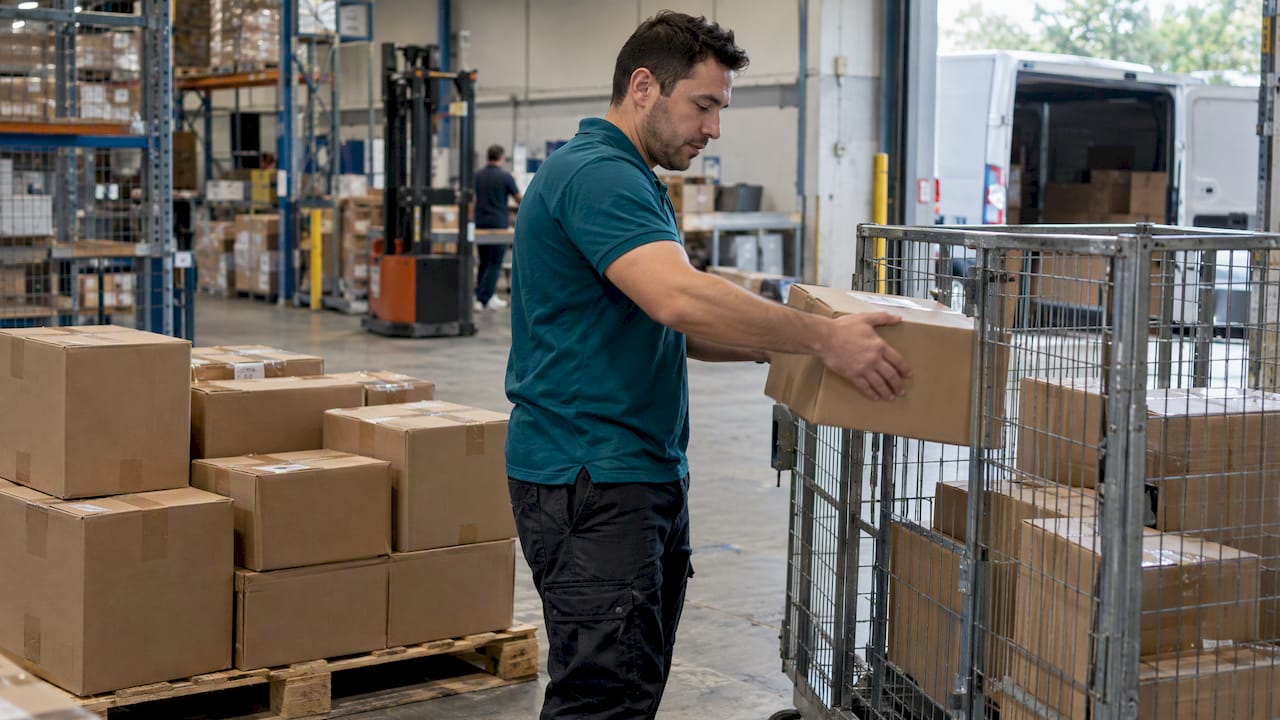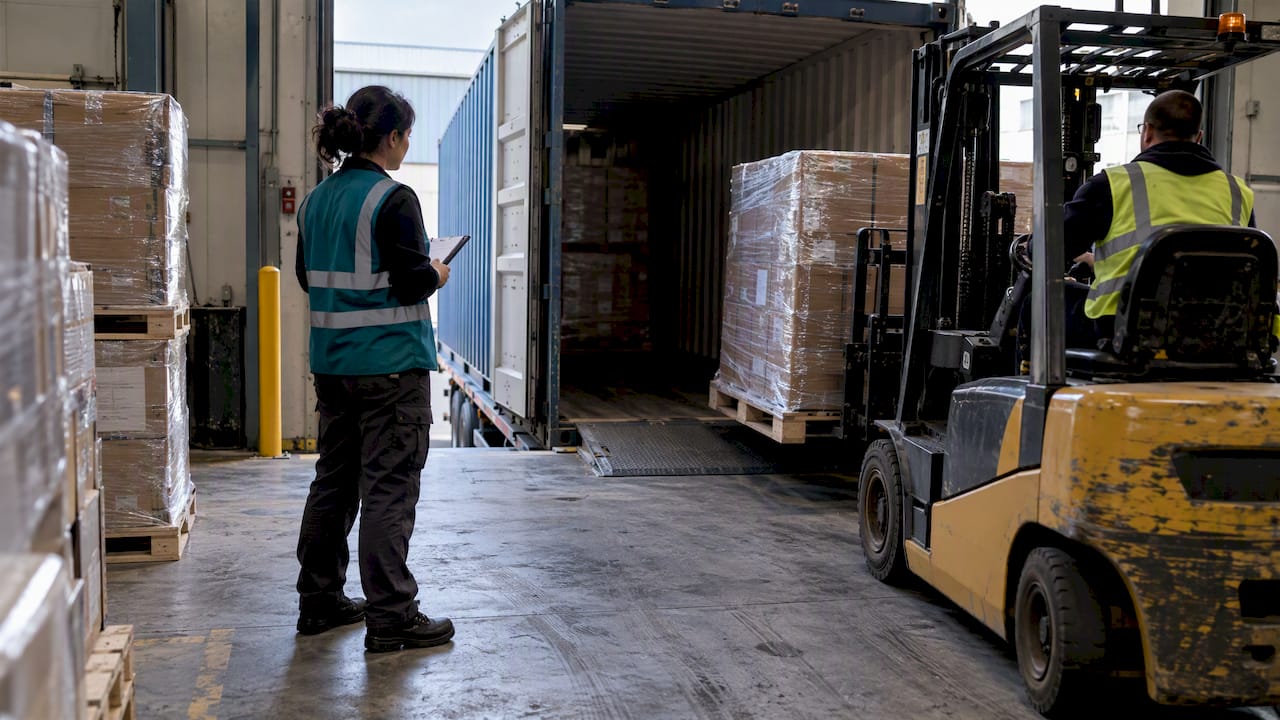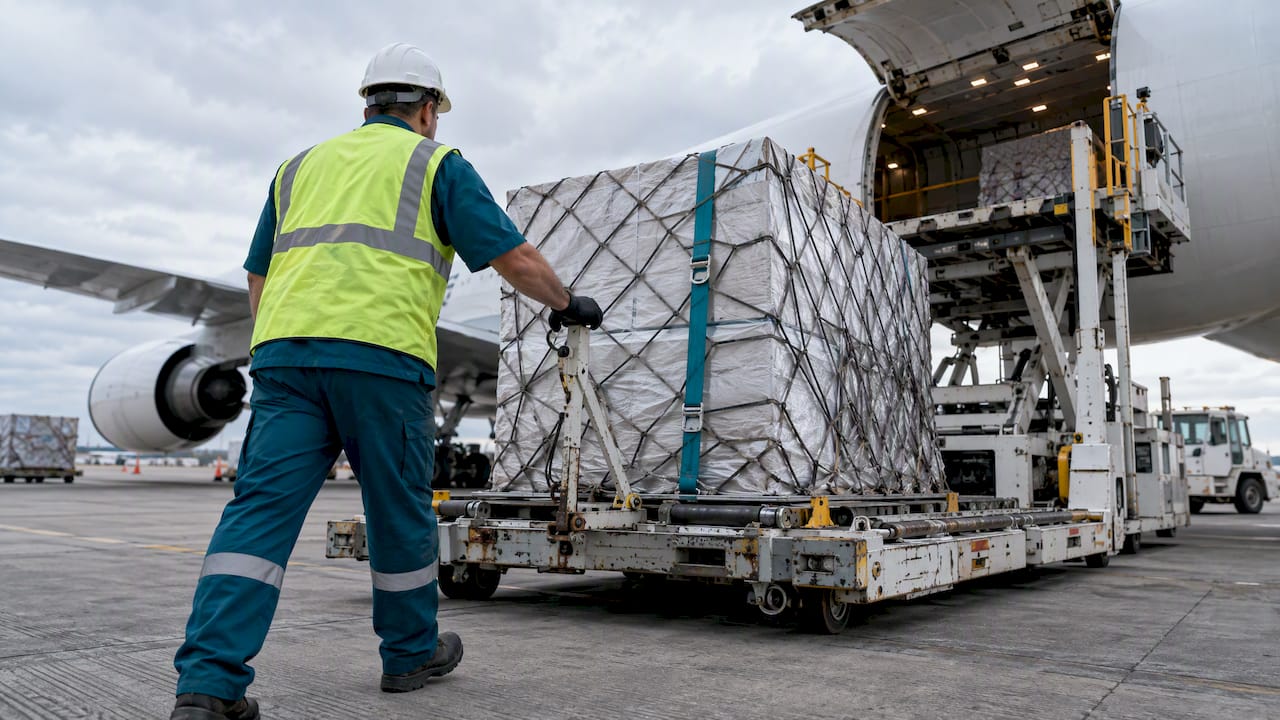
Nearly 40% of import shipment delays stem from customs document errors, a hidden bottleneck that sabotages ecommerce supply chains. Import freight forwarders coordinate multi-modal transport and handle regulatory compliance to optimize ecommerce supply chains, going far beyond simple shipment booking. This guide clarifies how freight forwarders improve efficiency, integrate with couriers, navigate customs, optimize costs, and deliver reliable solutions for your global operations.
Table of Contents
- Understanding Import Freight Forwarders: Roles And Responsibilities
- How Import Freight Forwarders Integrate With Courier Services
- Navigating Customs Clearance: The Freight Forwarder’s Role
- Cost, Speed, And Mode: Optimizing Import Freight Forwarding Choices
- Technology And Automation In Import Freight Forwarding
- Common Misconceptions About Import Freight Forwarders
- How To Choose The Right Import Freight Forwarder For Ecommerce
- Conclusion And Next Steps For Ecommerce Import Logistics
- Explore Reliable Courier And Freight Forwarding Services At ORNER
Key takeaways
| Point | Details |
|---|---|
| Freight forwarders coordinate complex multi-modal shipments and customs compliance, ensuring regulatory adherence across global supply chains. | They manage ocean, air, and land transport while handling documentation and trade regulations. |
| Integrating freight forwarding with last-mile couriers enhances delivery speed and accuracy through synchronized tracking and communication. | Integrated courier and freight forwarding solutions can improve delivery accuracy by 18%, boosting customer satisfaction. |
| Customs clearance mismanagement causes most import delays and costs; proactive compliance is essential to avoid fines and shipment holds. | Up to 40% of import delays stem from customs documentation errors or mismanagement. |
| Choosing a forwarder with ecommerce expertise and transparent technology improves operational efficiency and reduces manual errors. | Specialized forwarders understand unique ecommerce challenges and offer seamless system integration. |
| Optimizing transport modes balances cost, speed, and reliability, with air freight offering speed at higher cost and sea freight providing economical bulk shipping. | Decision frameworks weigh urgency, shipment size, and cost sensitivity to select the best mode. |
Understanding import freight forwarders: roles and responsibilities
Import freight forwarders manage logistics for moving goods from foreign suppliers to ecommerce warehouses, serving as strategic partners in your supply chain. They orchestrate multiple transport modes including sea, air, and land to ensure timely and cost-effective delivery. Beyond booking shipments, forwarders manage regulatory compliance and risk, handling customs documentation and trade regulations that vary across borders.
Their role directly impacts inventory availability, delivery times, and overall customer satisfaction in ecommerce operations. When forwarders coordinate effectively, products reach warehouses on schedule, reducing stockouts and enabling reliable order fulfillment. Poor coordination creates cascading delays that damage customer trust and brand reputation.
Core functions of import freight forwarders include:
- Transport coordination: Selecting optimal carriers and routes across ocean, air, and ground networks to balance speed and cost.
- Documentation management: Preparing commercial invoices, packing lists, bills of lading, and certificates of origin required for customs clearance.
- Regulatory compliance: Ensuring shipments meet destination country import regulations, tariff classifications, and restricted goods requirements.
- Risk mitigation: Managing cargo insurance, tracking shipments in real time, and resolving exceptions before they escalate into delays.
- Warehouse coordination: Synchronizing arrivals with warehouse receiving schedules to streamline inventory management.
Understanding how freight forwarder benefits ecommerce shipping success enables you to leverage their expertise for competitive advantage. Forwarders with ecommerce specialization anticipate seasonal volume spikes, manage peak period capacity, and provide flexible solutions that scale with your business growth.
How import freight forwarders integrate with courier services
Freight forwarders coordinate with courier services for last-mile delivery, creating end-to-end visibility from origin factory to customer doorstep. This integration connects international shipping with domestic final delivery, ensuring seamless handoffs and synchronized tracking updates. Without proper integration, shipments stall at ports or warehouses, creating visibility gaps that frustrate both sellers and buyers.
Integrated tracking and communication between freight forwarders and couriers enable faster issue resolution when exceptions occur. Real-time data sharing allows proactive rerouting, immediate notification of delays, and coordinated delivery windows. This responsiveness reduces delivery errors and transit time variability, both critical for ecommerce customer retention in competitive markets.
Key integration benefits include:
- Unified tracking systems: Single dashboard visibility from factory shipment through final delivery, eliminating information silos.
- Automated handoff protocols: Standardized procedures for transferring shipments between international and domestic carriers reduce human error.
- Exception management: Coordinated response to customs holds, damaged goods, or address corrections minimizes resolution time.
- Performance analytics: Combined data from freight and courier stages reveals bottlenecks and optimization opportunities across the supply chain.
Partnerships where freight forwarders ensure seamless handoffs with reliable courier networks create competitive differentiation. For example, forwarders with established relationships can prioritize urgent shipments, secure capacity during peak seasons, and negotiate better rates that flow through to your bottom line.
Pro Tip: Select freight forwarders that offer pre-integrated courier partnerships or API connections to your preferred last-mile providers, eliminating manual coordination and reducing handoff delays by 30-40%.
Exploring freight forwarder benefits ecommerce shipping success reveals how integrated solutions amplify operational efficiency and customer satisfaction simultaneously.
Navigating customs clearance: the freight forwarder’s role
Customs clearance involves documentation, duties, inspections, and regulatory compliance requiring specialized expertise that most ecommerce sellers lack. Errors in tariff classification, incomplete paperwork, or missing certificates trigger holds that delay shipments by 2-10 days on average. Freight forwarders proactively manage documentation accuracy, verifying all requirements before goods arrive at the border to avoid these costly delays.

They assist in risk management and trade compliance, navigating varying import regulations across different countries and product categories. Forwarders stay current with changing tariff codes, trade agreements, and restricted goods lists, applying this knowledge to classify products correctly and minimize duty payments. This expertise becomes invaluable when importing diverse product catalogs with different regulatory requirements.
Proper customs handling reduces fines, speeds deliveries, and secures supply chain reliability for ecommerce operations. Penalties for misclassification or prohibited goods can reach thousands of dollars per shipment, plus potential blacklisting that delays future imports. Forwarders with strong customs expertise prevent these scenarios through diligent pre-clearance review and compliance verification.
Critical customs management activities include:
- Pre-clearance documentation review: Verifying commercial invoices, packing lists, and certificates match actual shipment contents before filing.
- Tariff classification: Applying correct Harmonized System codes to minimize duties while ensuring regulatory compliance.
- Duty and tax calculation: Estimating landed costs accurately for better financial planning and pricing decisions.
- Broker coordination: Managing relationships with licensed customs brokers in destination countries for smooth clearance.
- Exception resolution: Addressing holds, inspections, or information requests from customs authorities quickly to minimize delays.
“Customs compliance isn’t optional in global ecommerce. The forwarders who excel treat documentation accuracy as non-negotiable, preventing delays before they start rather than scrambling to fix problems after goods arrive at the border.”
Learning about customs clearance explained shipping provides deeper insights into documentation requirements and compliance strategies. Resources like U.S. Customs and Border Protection trade basics offer official guidance on import procedures and regulatory frameworks.
Cost, speed, and mode: optimizing import freight forwarding choices
Air freight offers faster transit for urgent ecommerce inventory but at significantly higher cost, making it suitable for high-value, time-sensitive products or inventory replenishment during stockouts. Air freight is 40-60% more expensive but much faster than sea freight, delivering goods in 3-7 days versus 15-30 days for ocean shipping. This speed premium makes sense when profit margins support expedited shipping or when delays would cause lost sales.
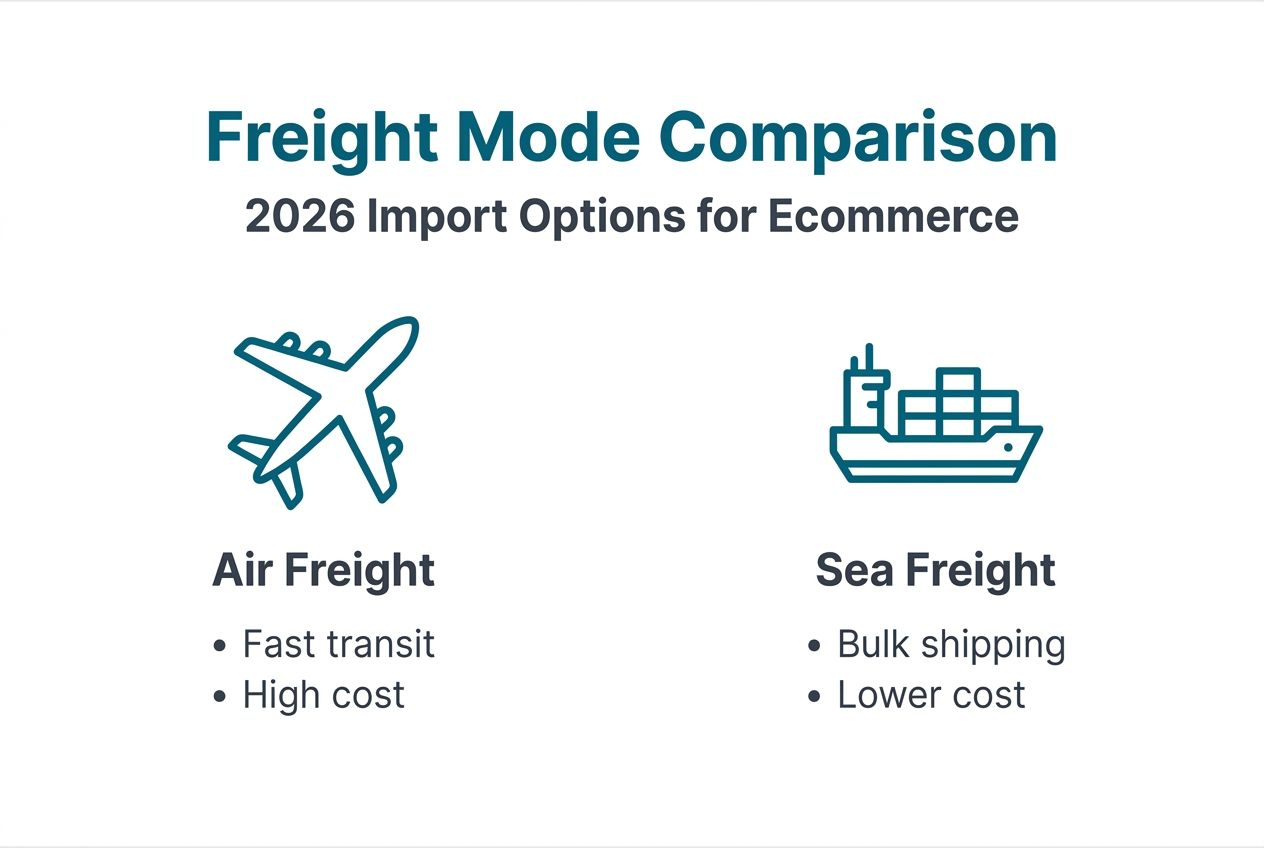
Sea freight suits bulk or less time-sensitive shipments, reducing freight spend but increasing lead times and requiring longer inventory planning horizons. Ocean shipping becomes economical for large volumes, heavy goods, or seasonal inventory buildup when arrival timing is predictable. The tradeoff between cost savings and extended transit requires careful evaluation of inventory carrying costs versus freight expenses.
Fuel surcharges and handling fees add variability to costs and should factor into mode decisions, especially during periods of oil price volatility or port congestion. These ancillary charges can increase total shipping costs by 15-25%, making quoted base rates misleading without full landed cost analysis. Requesting all-inclusive pricing from forwarders enables accurate cost comparisons and budgeting.
| Transport Mode | Transit Time | Relative Cost | Best Use Cases | Key Considerations |
|---|---|---|---|---|
| Air Freight | 3-7 days | High (baseline +60%) | Urgent replenishment, high-value goods, seasonal peaks | Weight and dimensional pricing, limited capacity during holidays |
| Sea Freight (FCL) | 15-30 days | Low (baseline) | Bulk shipments, heavy goods, planned inventory builds | Container minimums, port delays, longer planning cycles |
| Sea Freight (LCL) | 18-35 days | Medium (baseline +20%) | Smaller volumes not filling containers | Consolidation delays, multiple handling points |
| Express Air | 1-3 days | Very High (baseline +120%) | Emergency stock, product launches | Extreme cost, customs prioritization needed |
Decision frameworks for selecting transport modes:
- Calculate break-even urgency: Determine how many days of lost sales justify air freight premiums versus sea freight savings.
- Assess inventory risk: Evaluate stockout probability and customer impact if slower shipping causes delays.
- Consider total landed cost: Include duties, handling, storage, and insurance beyond base freight rates.
- Factor reliability variance: Account for seasonal delays, carrier performance history, and route congestion patterns.
- Evaluate shipment frequency: Regular shipments may justify sea freight with safety stock, while sporadic orders favor air.
Pro Tip: Mix transport modes strategically by shipping base inventory via sea freight while keeping emergency stock replenishment capacity via air freight, optimizing both cost and availability.
Reviewing air freight vs ocean freight key differences and freight forwarding 2026 cut costs boost trade provides additional frameworks for mode selection and cost optimization strategies.
Technology and automation in import freight forwarding
Real-time IoT-enabled shipment tracking enhances proactive monitoring and delivery accuracy, giving ecommerce sellers visibility into location, temperature, humidity, and shock events throughout transit. Sensors on containers and pallets transmit data continuously, enabling immediate response to route deviations or environmental excursions that could damage goods. This transparency transforms reactive problem solving into proactive exception management.
Cloud platforms and automation tools streamline communication and exception handling between forwarders and ecommerce clients, replacing email chains and phone calls with centralized dashboards and automated alerts. Document management systems digitize customs paperwork, reducing manual data entry errors and accelerating clearance processes. Integration APIs connect forwarder systems directly with ecommerce platforms, synchronizing inventory levels and shipment status automatically.
Technology integration improves operational efficiency and reduces manual errors in complex global supply chains where coordination across multiple time zones and languages creates communication challenges. Automated workflows enforce standardized procedures, ensuring critical steps like customs filing deadlines or warehouse appointment bookings never get missed. Analytics dashboards surface performance trends, identifying carriers or routes that consistently underperform.
Key technology capabilities transforming freight forwarding:
- Predictive analytics: Machine learning models forecast transit times and delay probabilities based on historical patterns, weather, and geopolitical events.
- Blockchain documentation: Immutable digital records of customs documents and certificates of origin streamline verification and reduce fraud.
- API integrations: Direct connections between freight forwarder, ecommerce platform, and warehouse management systems eliminate data re-entry.
- Mobile tracking apps: Real-time shipment visibility and push notifications keep stakeholders informed without logging into multiple systems.
- Automated routing optimization: Algorithms select optimal carrier combinations and routes based on cost, speed, and reliability parameters.
Adoption of these tools supports scalability and dynamic response to disruptions for ecommerce growth, enabling businesses to manage 10x shipment volumes without proportional staff increases. When supply chain disruptions occur, technology-enabled forwarders identify alternative routes, source backup capacity, and communicate changes to affected stakeholders within hours rather than days.
Exploring best shipment tracking software reveals leading platforms and their capabilities. For unconventional cloud infrastructure supporting logistics technology, RareCloud.io unconventional cloud services offers specialized solutions.
Common misconceptions about import freight forwarders
Many ecommerce sellers believe freight forwarders only book shipments, ignoring their comprehensive customs and compliance roles that prevent regulatory violations and costly delays. This narrow view treats forwarders as transactional vendors rather than strategic partners who navigate complex international trade regulations. Forwarders who excel bring proactive risk management, regulatory expertise, and supply chain optimization that booking agents cannot provide.
Another common misconception holds that customs clearance is solely the importer’s duty, overlooking how forwarders proactively manage documentation to prevent holds and expedite release. While ultimate legal responsibility rests with the importer of record, experienced forwarders handle 90% of the tactical work including document preparation, tariff classification, and broker coordination. Their expertise catches errors before goods reach the border, avoiding delays that damage customer relationships.
Ecommerce sellers also underestimate the value of vertical expertise that specialized forwarders provide for smoother operations. Forwarders focusing on specific industries like apparel, electronics, or consumer goods understand unique challenges including product regulations, seasonal volume patterns, and carrier requirements. This specialization translates into faster problem resolution, better carrier relationships, and optimized solutions that generalist forwarders miss.
Dispelling these misconceptions:
- Myth: “Freight forwarders are just middlemen who book cargo space.”
- Reality: They coordinate multi-modal transport, manage compliance, optimize routes, handle documentation, and resolve exceptions across the entire supply chain.
- Myth: “I can handle customs clearance myself to save money.”
- Reality: DIY customs clearance often triggers delays from documentation errors, costing far more in lost sales and rush fees than forwarder services.
- Myth: “All freight forwarders offer the same service, so price is the only differentiator.”
- Reality: Expertise, technology, carrier relationships, and ecommerce specialization create significant performance variations that impact delivery reliability and total cost.
Recognizing that many ecommerce sellers underestimate freight forwarders’ comprehensive role beyond shipment booking helps avoid costly mistakes. Reading the complete freight forwarding ecommerce guide clarifies the full value proposition.
How to choose the right import freight forwarder for ecommerce
Prioritize freight forwarders with strong global partner networks covering key supply routes between your manufacturing locations and destination warehouses. Forwarders with established carrier relationships secure better rates, priority capacity during peak seasons, and faster exception resolution when problems arise. Their network depth determines whether you get consistent service or scramble for alternatives when primary routes face disruptions.
Look for proven ecommerce specialization to ensure understanding of your business’s unique needs including inventory velocity, seasonal patterns, and customer delivery expectations. Ecommerce-focused forwarders anticipate challenges like holiday shipping deadlines, marketplace compliance requirements, and direct-to-consumer delivery coordination. They structure solutions around your business model rather than forcing you into generic freight processes.
Assess transparency in communication, tracking technology, and real-time updates that keep you informed throughout the shipment lifecycle. Forwarders offering customer portals, automated notifications, and proactive exception alerts enable better decision making than those requiring phone calls for status updates. Transparency builds trust and enables you to provide accurate delivery estimates to your customers.
Verify expertise in customs management to minimize risk of delays and compliance issues that derail delivery schedules. Request examples of how they handle complex scenarios like product recalls, regulatory changes, or inspection holds. Strong customs teams stay ahead of regulation updates, maintain relationships with border authorities, and resolve issues quickly.
Evaluate technology platforms for ease of integration with your logistics systems including ecommerce platforms, warehouse management systems, and inventory tracking tools. API availability, data formatting compatibility, and integration support determine whether you achieve seamless automation or manual data transfer. Technology integration eliminates errors and accelerates information flow across your supply chain.
Selection criteria checklist:
- Network coverage: Direct service or reliable partners on your key trade lanes with proven performance history.
- Ecommerce experience: Client references from similar businesses, understanding of marketplace requirements and seasonal patterns.
- Technology capabilities: Real-time tracking, customer portal access, API integrations, and automated documentation.
- Customs expertise: Licensed brokers, tariff classification accuracy, and proactive compliance management.
- Financial stability: Insurance coverage, financial reserves, and industry tenure indicating reliable long-term partnership.
- Service flexibility: Ability to handle both routine shipments and urgent exceptions with consistent quality.
- Transparent pricing: All-inclusive quotes covering base rates, surcharges, handling fees, and ancillary costs.
Pro Tip: Request a trial shipment before committing to long-term contracts, evaluating responsiveness, documentation accuracy, and problem-solving capability under real operating conditions rather than relying solely on sales presentations.
Reviewing 7 essential international freight tips provides additional guidance for evaluating and selecting freight partners who deliver consistent performance.
Conclusion and next steps for ecommerce import logistics
Import freight forwarders serve as strategic partners coordinating transport, customs, and courier integration to create seamless international supply chains. Their expertise prevents the delays, compliance violations, and cost overruns that damage ecommerce profitability and customer satisfaction. Effective freight forwarding reduces delivery times, cuts landed costs through optimized routing and mode selection, and enhances reliability that builds customer loyalty.
Selecting forwarders with ecommerce focus, transparent technology, and proven customs expertise pays dividends through fewer exceptions, faster problem resolution, and scalable capacity as your business grows. The difference between mediocre and excellent forwarders shows up in on-time delivery rates, inventory availability, and total supply chain costs. Investing time in rigorous forwarder evaluation prevents years of operational headaches.
Practical next steps to optimize your import logistics:
- Audit current processes: Document existing shipment timelines, delay frequency, customs hold rates, and total landed costs to establish performance baselines.
- Assess forwarder capabilities: Evaluate your current forwarder against the selection criteria outlined above, identifying gaps in technology, expertise, or service quality.
- Request competitive bids: Obtain detailed proposals from 3-5 forwarders specializing in ecommerce to compare capabilities, technology, and total cost structures.
- Implement tracking technology: Deploy real-time visibility tools that provide shipment status across all transport modes and handoff points.
- Establish performance metrics: Define KPIs for on-time delivery, customs clearance speed, documentation accuracy, and exception resolution time.
- Build contingency plans: Identify backup forwarders and alternative routes for critical supply lanes to maintain resilience during disruptions.
Continued optimization through regular performance reviews, technology upgrades, and strategic forwarder partnerships enables confident scaling of global ecommerce operations in 2026 and beyond. The freight forwarding landscape evolves rapidly with new regulations, technology capabilities, and market dynamics requiring ongoing evaluation and adaptation.
Explore reliable courier and freight forwarding services at ORNER
Applying the insights from this guide becomes easier with integrated logistics partners who understand ecommerce requirements. ORNER offers reliable courier services in the USA that connect seamlessly with international freight forwarding, creating end-to-end visibility from origin to customer delivery. Our platform combines freight coordination, customs management, and last-mile courier integration in one unified solution.
Compare top freight forwarding services comparison to find partners matching your specific trade lanes, product categories, and service requirements. Our technology includes best shipment tracking software providing real-time visibility, automated alerts, and analytics dashboards that transform complex supply chains into manageable operations. Whether you’re scaling from startup to enterprise or optimizing existing logistics, ORNER’s ecommerce-focused solutions support your growth with transparent pricing, responsive service, and proven expertise across global markets.
FAQ
What is an import freight forwarder and why is it important for ecommerce?
Import freight forwarders manage international shipping logistics, customs clearance, and transportation coordination from foreign suppliers to your warehouses. They streamline complex global supply chains by handling regulatory compliance, optimizing routes, and coordinating multiple carriers, reducing delays and costs that directly impact your inventory availability and customer satisfaction.
How do import freight forwarders help with customs clearance?
They prepare and verify accurate customs documents including commercial invoices, certificates of origin, and tariff classifications, ensuring regulatory compliance before goods reach the border. Proactive documentation management minimizes clearance delays that average 2-10 days when errors occur, avoiding costly fines, shipment holds, and customer delivery failures.
What factors should I consider when choosing an import freight forwarder?
Global network coverage, ecommerce specialization, transparent communication, advanced tracking technology, and proven customs expertise are crucial for reliable import logistics. Evaluating forwarders against these criteria ensures they understand your unique business needs, integrate smoothly with your systems, and deliver consistent performance across seasonal volume fluctuations and supply chain disruptions.
Can technology improve import freight forwarding efficiency?
Real-time IoT tracking, cloud platforms, API integrations, and automation tools dramatically increase supply chain visibility, responsiveness, and coordination between forwarders, carriers, and ecommerce systems. Technology adoption reduces manual documentation errors, accelerates customs clearance, enables proactive exception management, and provides analytics for continuous optimization, directly benefiting ecommerce fulfillment speed and accuracy.