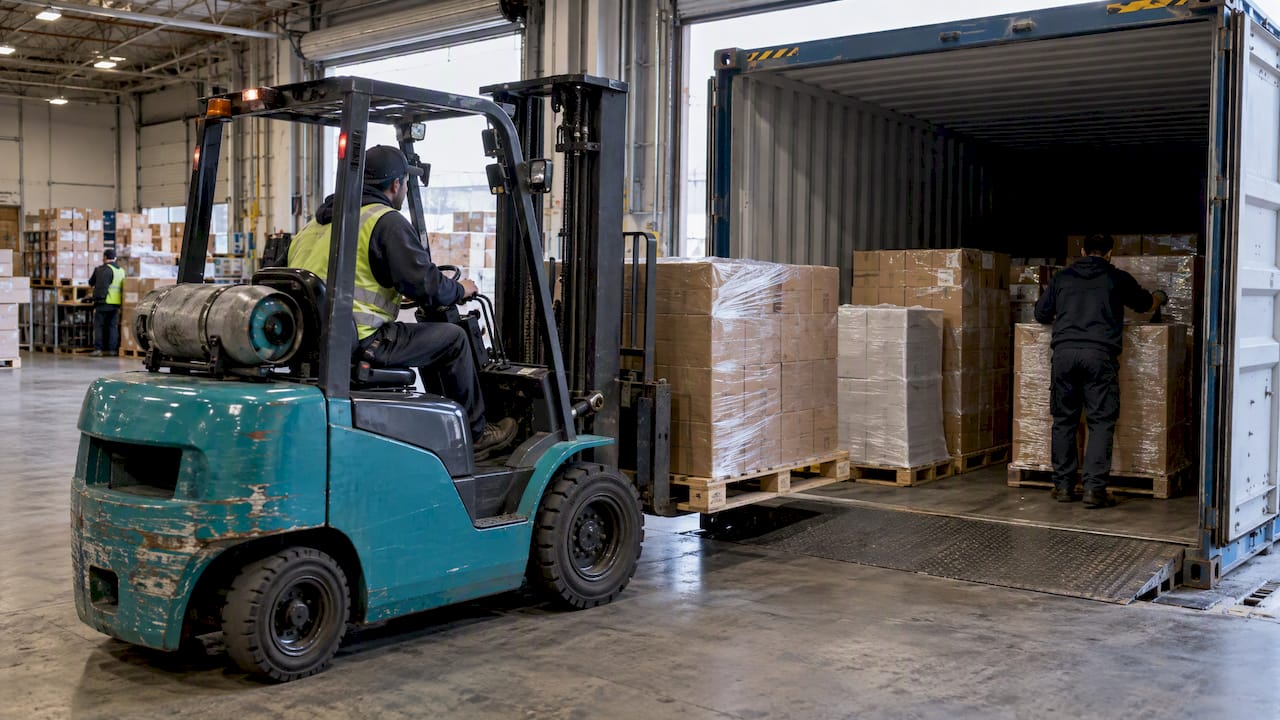
Selecting the right freight booking option can feel overwhelming when you’re managing ecommerce logistics across multiple carriers, borders, and fulfillment centers. The stakes are high: inefficient booking processes drain time, increase costs, and create customer satisfaction issues when shipments arrive late or incur unexpected fees. This article explores evaluation criteria, top digital platforms, traditional transportation management systems, and practical decision frameworks to help you choose freight booking solutions that optimize your supply chain, enhance cross-border delivery reliability, and support scalable growth for your ecommerce operations.
Table of Contents
- Key takeaways
- How to evaluate freight booking options for ecommerce logistics
- Top digital freight booking platforms and systems
- Comparing freight booking methods: digital platforms, TMS, and manual processes
- Freight booking decision guide for ecommerce logistics managers
- Explore ORNER’s expert freight booking resources
- FAQ
Key Takeaways
| Point | Details |
|---|---|
| API driven quotes | Choose platforms that pull instant quotes from multiple carriers via APIs to speed booking. |
| Automated documentation | Automation should generate BOLs, populate customs forms, and provide status alerts to reduce manual work. |
| Multimodal support | The solution should handle LTL, FTL, air, and ocean in one interface to compare rates and transit times quickly. |
| Cross border compliance | Platforms should manage HS codes, landed costs, VAT, and country specific documents to avoid delays. |
How to evaluate freight booking options for ecommerce logistics
When assessing freight booking solutions, start by examining integration capabilities with your existing tech stack. The best platforms connect via APIs to pull instant quotes from multiple carriers, eliminating the need to visit separate websites or make phone calls. This connectivity matters because ecommerce moves fast, and your logistics tools must keep pace with order volumes that can spike unexpectedly during promotions or seasonal surges.
Automation features separate modern solutions from legacy approaches. Look for systems that generate bills of lading automatically, populate customs documents with stored product data, and provide real-time tracking links customers can access without contacting support. Plan cutoffs in sequences, use shipment briefs, and know LTL consolidation barriers are often timing or compatibility issues that automation helps resolve. When evaluating options, prioritize those offering automated BOL creation, label printing, and exception alerts that notify you immediately when shipments deviate from expected routes or timelines.
Multi-modal support is essential for ecommerce operations shipping diverse product catalogs. Your freight booking solution should handle less-than-truckload shipments for smaller orders, full truckload for bulk restocks, air freight for time-sensitive items, and ocean containers for international inventory movements. The ability to compare rates and transit times across these modes within one interface saves hours of manual research and helps you make cost-effective decisions quickly.
Cross-border compliance capabilities become critical when selling internationally. Evaluate whether platforms support Harmonized System code management, calculate landed costs accurately, and offer Delivered Duty Paid versus Delivered Duty Unpaid options. Systems that handle VAT calculations, restricted item screening, and country-specific documentation requirements prevent costly customs delays. For hazmat products, oversized items, or residential deliveries with special requirements, confirm the platform can flag these conditions and route shipments to appropriate carriers. To master the freight booking process, choose solutions that address your specific product and destination mix.
Top digital freight booking platforms and systems
CargoWise stands out as a comprehensive solution for businesses managing complex, multi-modal freight operations. This platform integrates ocean, air, and land transport booking with customs clearance workflows, warehousing coordination, and financial settlement. CargoWise excels when you’re shipping internationally at scale, offering deep visibility into container movements, automated customs filing, and compliance checks that reduce the risk of regulatory penalties. The system’s strength lies in its end-to-end approach, connecting freight booking directly to inventory management and order fulfillment processes.
Magaya focuses heavily on trade compliance and document automation, making it ideal for ecommerce businesses navigating complex international regulations. The platform generates commercial invoices, packing lists, and certificates of origin automatically, pulling product details from your catalog database. Magaya’s compliance engine flags potential issues before you book, alerting you to restricted destinations, missing documentation, or incorrect tariff classifications. This proactive approach prevents shipments from getting stuck at customs, a problem that damages customer relationships and ties up working capital in detained inventory.
Cargoson takes a digital freight brokerage approach, connecting shippers with carriers through real-time quoting APIs and transparent pricing structures. Platforms like CargoWise, Magaya, and Cargoson enable instant quoting, booking, and tracking for cross-border ecommerce freight. Cargoson works particularly well for small to mid-sized ecommerce operations that need carrier diversity without maintaining direct relationships with dozens of freight companies. The platform’s strength is speed: you can compare quotes, book shipments, and receive tracking numbers in minutes rather than hours.
These systems integrate with ecommerce checkouts and order management platforms, creating seamless workflows from purchase to delivery. When customers complete transactions, freight booking can trigger automatically based on product dimensions, destination, and selected delivery speed. This integration optimizes what industry experts call freight-grade commerce, where shipping capabilities influence product presentation, pricing strategies, and promotional offers. Key benefits include time savings that let logistics teams focus on exception management rather than routine bookings, reduced data entry errors that cause delivery failures, and transparency that builds customer trust through accurate delivery estimates. For detailed platform comparisons, explore top freight booking solutions that match your operational scale.
Comparing freight booking methods: digital platforms, TMS, and manual processes
Manual freight booking remains common in smaller ecommerce operations but creates significant efficiency drains as businesses scale. This approach involves calling or emailing multiple carriers for quotes, manually entering shipment details into each carrier’s system, printing and completing paper forms, and tracking shipments by checking individual carrier websites. The time cost adds up quickly: booking a single international shipment manually can consume 30 to 45 minutes when you factor in quote comparison, documentation, and follow-up communication. Error rates climb because humans transpose numbers, select wrong service levels, or overlook special handling requirements. Scalability becomes impossible when order volumes exceed what one or two people can process during business hours.
Traditional Transportation Management Systems offer substantial improvements over manual processes through carrier integration, rate shopping automation, and centralized shipment visibility. TMS platforms connect to your existing ERP or order management system, pulling shipment requirements automatically and presenting carrier options based on your negotiated rates and service level agreements. These systems excel at managing complex routing rules, consolidating LTL shipments to reduce costs, and providing analytics that identify opportunities to renegotiate carrier contracts. However, TMS deployment requires significant IT resources for integration, configuration, and ongoing maintenance. Implementation timelines often stretch six to twelve months, and licensing costs can reach tens of thousands annually, making this option better suited to enterprises shipping hundreds or thousands of orders daily.

Digital freight platforms represent the newest category, combining TMS automation with cloud-based accessibility and simplified setup processes. These solutions provide instant multi-carrier quotes through API connections, generate shipping documents automatically using stored product and customer data, and offer real-time tracking that updates customers without manual intervention. Digital booking absorbs 250 hours of manual effort and can reduce costs by over 20% through optimized carrier selection and reduced errors. Cost savings come from multiple sources: eliminated data entry labor, fewer shipping errors that require costly corrections, better carrier rate comparison, and reduced customer service inquiries through proactive tracking updates.
Conversion rate improvements represent an often-overlooked benefit of digital platforms. When freight costs and delivery estimates appear accurately at checkout, customers complete purchases more confidently. Surprise fees or unclear delivery timelines cause cart abandonment, particularly for international orders where customs charges can add 20% to 40% to product costs. Choosing between these methods depends on shipment volume, available budget, and IT resources. Businesses shipping fewer than 50 orders daily often find digital platforms offer the best balance of functionality and implementation speed. Mid-market companies moving 50 to 500 daily shipments may benefit from TMS solutions that integrate deeply with existing enterprise systems. Manual processes only make sense for very small operations shipping occasionally, where the cost of technology exceeds the value of time saved. For guidance on mode selection, review LTL vs FTL shipping considerations.
Pro Tip: Calculate your current manual booking time by tracking one week of shipments, then multiply by 52 and your loaded labor cost per hour. Compare this annual expense to digital platform subscription fees to quantify ROI clearly.
Freight booking decision guide for ecommerce logistics managers
Small ecommerce businesses shipping 10 to 50 orders daily should prioritize multi-carrier digital platforms that require minimal technical setup. These solutions typically offer monthly subscriptions starting at a few hundred dollars, connect through simple integrations with Shopify, WooCommerce, or Amazon, and provide immediate access to discounted carrier rates through the platform’s aggregated shipping volume. Focus on platforms offering strong customer support, clear documentation, and mobile apps that let you manage shipments from anywhere. Your primary goal at this stage is eliminating manual booking tasks that prevent you from focusing on product development, marketing, and customer relationships.
Mid-market shippers moving 50 to 500 orders daily benefit from investing in transportation management systems that integrate with existing ERP, warehouse management, and order management platforms. At this volume, the complexity of managing multiple warehouses, diverse product lines, and various carrier contracts justifies the higher implementation cost and longer setup timeline. Look for TMS solutions offering advanced features like wave planning for warehouse picks, automated carrier selection based on cost and service rules, and analytics dashboards that identify shipping cost trends and optimization opportunities. The integration effort pays dividends through reduced labor costs, fewer shipping errors, and better negotiating leverage with carriers based on data-driven insights into your shipping patterns.
International shippers face unique requirements that should drive platform selection regardless of order volume. When selling cross-border, prioritize solutions offering Delivered Duty Paid options that calculate and collect duties and taxes at checkout. Prioritize Delivered Duty Paid and local fulfillment to reduce cart abandonment and enhance cross-border efficiency. DDP dramatically improves customer satisfaction by eliminating surprise fees when packages arrive, a common complaint that damages brand reputation and increases return rates. Look for platforms that maintain current tariff databases, screen restricted items automatically, and generate commercial invoices with correct Harmonized System codes. These features prevent customs delays that can extend delivery times by weeks and create customer service nightmares.
LTL consolidation requires careful planning to maximize cost savings without creating delivery delays. Use shipment briefs that document special handling requirements, fragility concerns, and delivery window constraints. Plan cutoffs strategically, understanding that LTL carriers often have specific pickup windows and terminal consolidation schedules. Timing issues cause most LTL problems: shipments that miss consolidation cutoffs sit in terminals for extra days, and incompatible freight gets separated, losing volume discounts. Work with your freight booking platform to set up automated alerts for approaching cutoffs and rules that flag shipments needing special attention.
Regularly reviewing carrier contracts and technology capabilities keeps your freight booking strategy optimized as your business evolves. Set calendar reminders every six months to analyze shipping cost trends, on-time delivery performance by carrier and lane, and customer satisfaction scores related to delivery experiences. Use this data to renegotiate rates, switch carriers for underperforming lanes, or adjust your freight booking platform configuration. Technology vendors release new features quarterly, so schedule periodic reviews of your platform’s capabilities to ensure you’re leveraging automation fully. For implementation strategies, see freight booking tips ecommerce sellers for current best practices.
Pro Tip: Create a freight booking scorecard tracking five metrics: average booking time per shipment, cost per shipment by mode and lane, on-time delivery percentage, customer satisfaction scores, and exception rate requiring manual intervention. Review monthly to identify improvement opportunities.
| Business size | Recommended solution | Key features | Typical investment |
|---|---|---|---|
| Small (10-50 orders/day) | Multi-carrier digital platform | Instant quotes, automated labels, basic tracking | $200-$500/month |
| Mid-market (50-500 orders/day) | Transportation Management System | ERP integration, advanced analytics, wave planning | $2,000-$10,000/month |
| Enterprise (500+ orders/day) | Enterprise TMS with customization | Multi-warehouse orchestration, carrier settlement, predictive analytics | $10,000+/month |
| International focus | DDP-enabled platform | Landed cost calculation, HS code management, customs documentation | $500-$5,000/month |
Explore ORNER’s expert freight booking resources
Navigating freight booking complexity becomes simpler when you have access to expert guidance tailored to ecommerce logistics challenges. ORNER provides comprehensive resources designed specifically for logistics managers seeking to optimize their freight booking workflows and reduce supply chain costs. Our detailed guides walk you through the complete freight booking process with step-by-step instructions, decision trees, and real-world examples from successful ecommerce operations.
Explore expert comparisons of top freight booking solutions that evaluate platforms across integration capabilities, automation features, and pricing structures. These resources help you shortcut months of research and vendor demos by presenting objective assessments based on actual user experiences and technical capabilities. Find tailored freight booking tips for ecommerce sellers that address specific challenges like managing seasonal volume spikes, optimizing international shipping costs, and improving delivery speed without sacrificing margins. Leverage these resources to reduce freight costs by 15% to 30%, increase supply chain reliability, and free up time for strategic initiatives that drive business growth.
FAQ
What are the main freight booking options for ecommerce?
Ecommerce businesses can choose from digital freight platforms, traditional transportation management systems, or manual booking processes. Digital platforms offer the fastest implementation and best balance of features for most small to mid-sized operations. TMS solutions provide deeper integration and advanced analytics for larger enterprises. Manual booking only makes sense for very low volume shippers where technology costs exceed time savings.
How does DDP vs DDU affect cross-border freight booking?
Delivered Duty Paid means the seller covers all duties, taxes, and customs fees, providing customers with a transparent total cost at checkout. Delivered Duty Unpaid places these costs on the buyer, who must pay them when the package arrives. DDP reduces cart abandonment by avoiding surprise fees; returns cost 1.5x outbound shipping. Most successful international ecommerce operations use DDP to improve customer satisfaction and reduce return rates.
What automation features improve freight booking efficiency?
API integrations enable instant multi-carrier quotes without visiting multiple carrier websites or making phone calls. Automated bill of lading generation and real-time tracking eliminate manual document creation and reduce customer service inquiries. Look for platforms that auto-populate customs forms, generate shipping labels, and send proactive delivery notifications. These features can save 250+ hours annually while reducing costly shipping errors.
How do I choose the best freight booking solution for my ecommerce business?
Start by assessing your current shipment volume, available IT resources, and budget constraints. Small businesses shipping fewer than 50 orders daily typically benefit most from user-friendly digital platforms with simple integrations. Larger operations need transportation management systems that connect deeply with ERP and warehouse management platforms. Prioritize cross-border compliance features like HS code management and DDP calculation when shipping internationally. Calculate ROI by comparing your current manual booking time and error costs against platform subscription fees and implementation expenses.
Recommended
- Freight booking tips for ecommerce sellers in 2026 – ORNER
- Master the freight booking process in 2026 – ORNER
- Freight Forwarding for Ecommerce: 6% CAGR Growth in 2026 – ORNER
- Top Freight Booking Solutions – Expert Comparison 2025 – ORNER
- 7 Essentiële soorten transportbedrijven voor logistieke managers