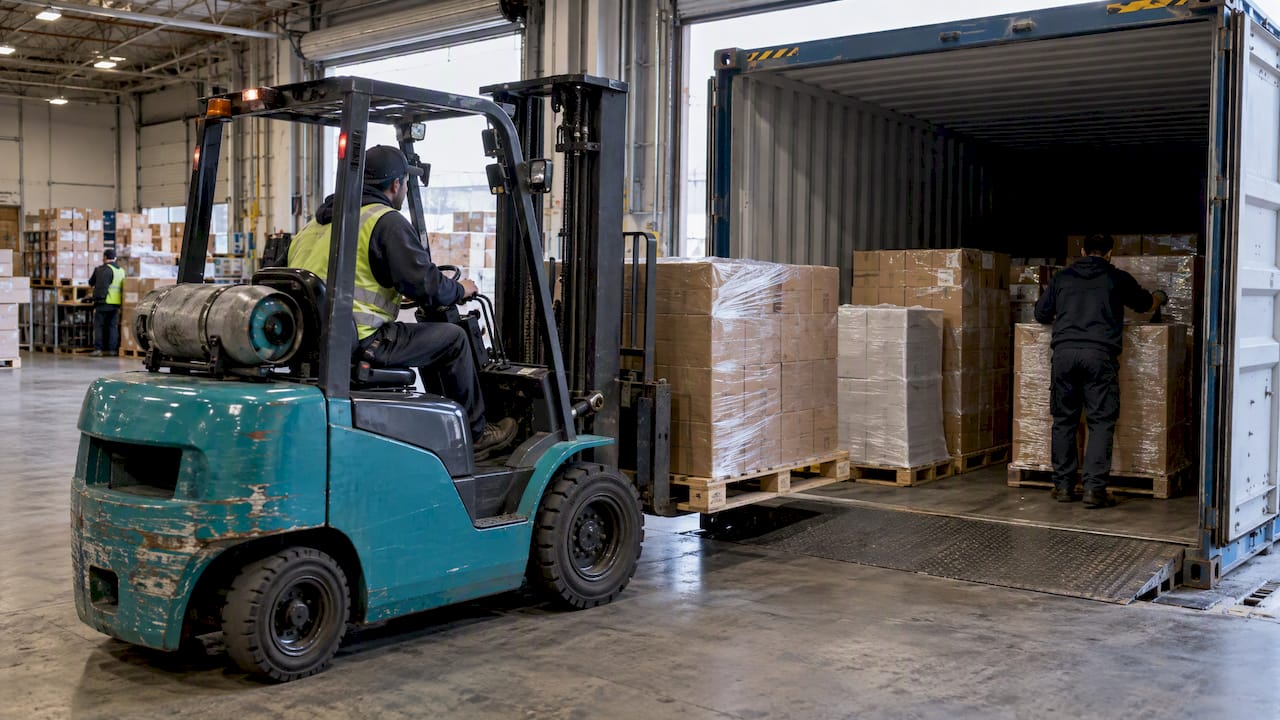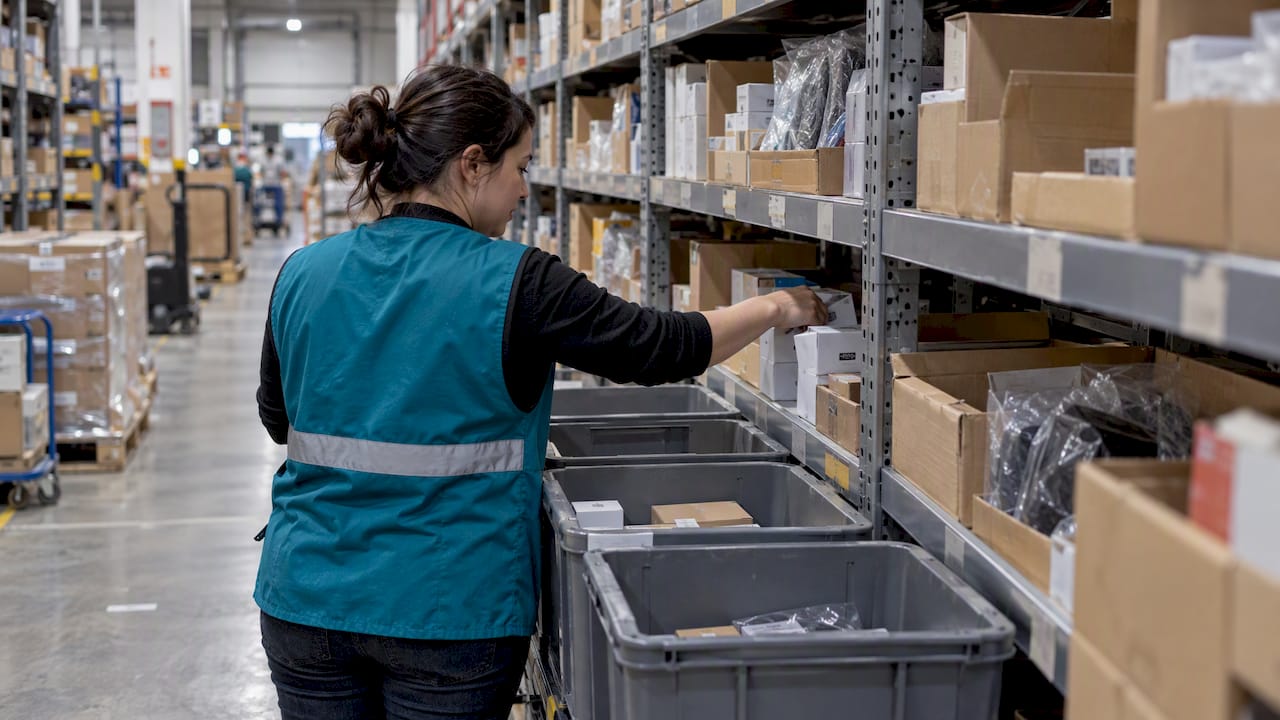
Ecommerce businesses face mounting pressure to deliver products quickly and reliably while controlling freight costs. Poor freight booking decisions lead to delayed shipments, damaged goods, and budget overruns that erode customer trust and profit margins. This guide walks you through a systematic approach to freight booking, from understanding shipment requirements and selecting the right carrier mode to executing bookings efficiently and verifying delivery performance. You’ll discover practical strategies to reduce costs, improve reliability, and build a logistics foundation that scales with your business growth.
Table of Contents
- Key takeaways
- Understanding freight booking basics and preparation
- Step-by-step freight booking process and execution
- Common challenges and cost optimization strategies
- Verifying freight booking success and performance benchmarks
- Optimize your freight booking with ORNER solutions
- Frequently asked questions
Key Takeaways
| Point | Details |
|---|---|
| Freight mode choice | Choosing LTL for small shipments and FTL for larger ones directly impacts cost and delivery speed. |
| Prepare shipment details | Accurate weight and dimensions, correct freight class using NMFC, and complete documentation prevent reweighs and surcharges. |
| Use digital booking tools | TMS and digital platforms enable real time quotes, instant rate comparisons, and streamlined carrier coordination. |
| Cost factors and accessorials | Freight class, surcharges, and accessorials shape the final bill and should be verified during quotes. |
Understanding freight booking basics and preparation
Successful freight booking starts with understanding the fundamental shipping modes available. Freight booking involves modes like LTL for 1-6 pallets (150-15,000 lbs, $120-250/pallet) or FTL for larger volumes, and choosing the right option directly impacts your cost structure and delivery reliability. Less Than Truckload (LTL) shipping consolidates multiple customers’ freight on a single truck, making it cost-effective for smaller shipments that don’t fill an entire trailer. Full Truckload (FTL) dedicates an entire truck to your shipment, offering faster transit times and reduced handling risk for larger volumes.
Shipment size and weight determine which mode makes financial sense. LTL typically handles palletized freight weighing between 150 and 15,000 pounds, with costs ranging from $120 to $250 per pallet depending on distance, freight class, and service level. FTL becomes economical when your shipment exceeds six pallets or requires dedicated capacity for time-sensitive or fragile goods. Understanding LTL vs FTL shipping helps you match shipment characteristics to the most efficient transportation method.
Before booking any freight, assess your specific shipment needs. Calculate total weight, dimensions, and freight class based on density. Gather essential documentation including commercial invoices, packing lists, and any special handling instructions. Identify delivery requirements such as liftgate service, inside delivery, or appointment scheduling that affect pricing and carrier selection.
Pro Tip: Calculate your freight class accurately using the NMFC (National Motor Freight Classification) system to avoid reclassification fees and billing adjustments after pickup.
Preparing your shipment information in advance streamlines the booking process:
- Accurate weight and dimensional measurements for each pallet or unit
- Complete pickup and delivery addresses with contact information
- Preferred pickup date and any delivery deadlines
- Special handling requirements or accessorial services needed
- Commodity description and freight class designation
Investing time in preparation prevents costly errors and delays. Carriers rely on accurate information to provide valid quotes and allocate appropriate equipment. Inaccurate details lead to reweighs, reclassifications, and surcharges that inflate your final bill. The master freight booking process 2026 emphasizes documentation accuracy as the foundation for reliable service.
Step-by-step freight booking process and execution
Once you’ve gathered shipment details and documentation, follow a structured booking process to secure reliable carrier service. Start by entering your shipment information into a Transportation Management System (TMS) or digital freight platform. Digital tools (TMS, platforms) essential for real-time quoting, automating workflows, and carrier coordination transform what used to be a manual, time-consuming process into an efficient workflow that delivers instant rate comparisons.
Obtain quotes from multiple carriers to compare pricing and service levels. Digital platforms aggregate rates from dozens of carriers simultaneously, displaying transit times, service options, and total costs including fuel surcharges and accessorials. Evaluate carriers based on factors beyond price alone, including on-time performance history, claims ratios, and coverage in your shipping lanes. The top freight booking solutions comparison highlights platforms that balance cost savings with service reliability.
Follow these execution steps for smooth freight booking:
- Enter complete shipment details into your booking platform
- Review carrier quotes and select the best option for your needs
- Confirm the booking and receive your bill of lading (BOL) and PRO number
- Schedule pickup with the carrier, providing any special instructions
- Prepare freight for pickup with proper labeling and documentation
- Track shipment progress using the PRO number and platform visibility tools
- Monitor for delivery confirmation and proof of delivery (POD)
Coordinating pickup schedules requires clear communication with your carrier. Specify pickup windows, dock availability, and any access restrictions at your facility. Carriers typically offer pickup within a specified timeframe, but you can request appointment times for an additional fee when precision matters. Provide contact information for the person responsible for releasing the freight to avoid delays on pickup day.
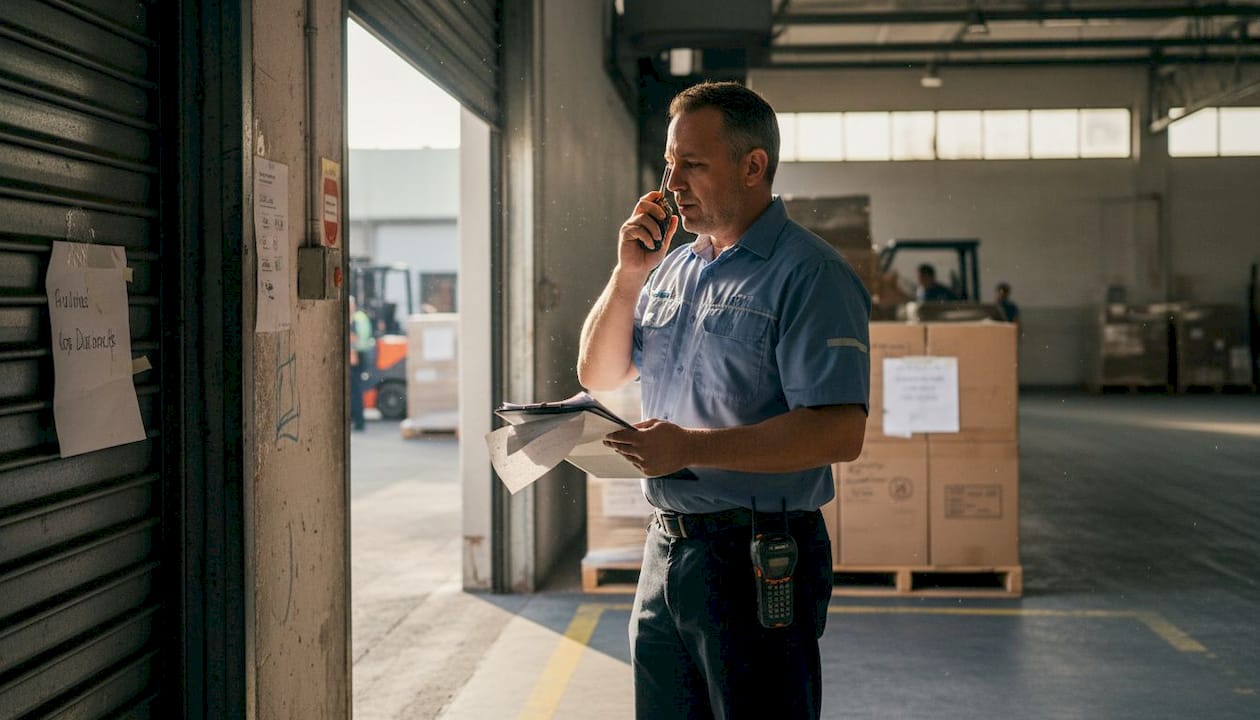
Pro Tip: Book freight at least 24-48 hours in advance to secure capacity during peak seasons and avoid rush fees that can add 20-30% to your base rate.
Tracking and visibility during transit separate modern freight booking from legacy processes. Real-time updates notify you of pickup completion, transit milestones, and delivery status. Proactive monitoring allows you to identify potential delays early and communicate with customers before issues escalate. The freight booking tips ecommerce sellers 2026 resource emphasizes visibility as a competitive advantage in customer satisfaction.
Common challenges and cost optimization strategies
Freight booking presents several challenges that impact cost and reliability. Over-dimensional and heavy loads require special permits, routing restrictions, and escort vehicles that significantly increase expenses. Last-mile delivery accounts for 53% of total costs with a 5% failure rate; optimization can yield 15–30% cost savings, making this final leg the most critical area for improvement. LTL shipments face higher damage risk than FTL due to multiple handling events as freight transfers between terminals and consolidation points.
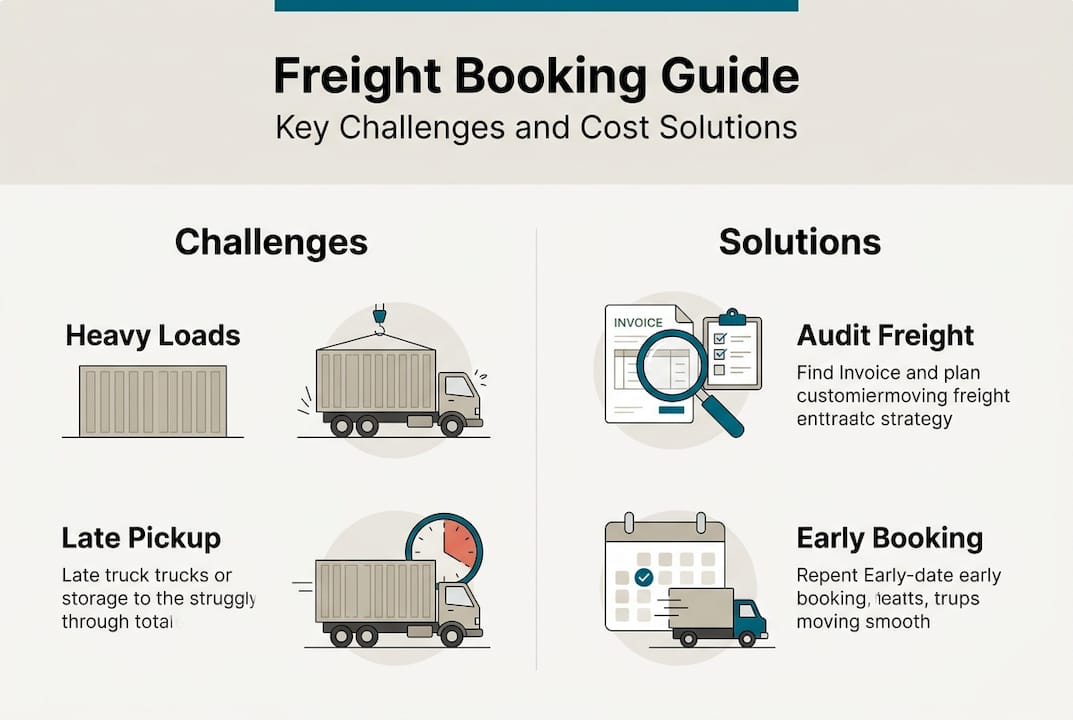
Freight class miscalculation represents a common and costly error. Carriers verify freight class at origin terminals, and reclassification to a higher class triggers retroactive charges plus administrative fees. Dimensional weight pricing penalizes low-density shipments that occupy significant trailer space relative to actual weight. Understanding these factors helps you package and palletize freight efficiently to minimize classification issues.
Implement these cost optimization strategies to reduce freight expenses:
- Conduct regular freight audits to identify billing errors and duplicate charges
- Consolidate shipments when possible to move from LTL to FTL pricing
- Optimize packaging to reduce dimensional weight and freight class
- Negotiate volume discounts with preferred carriers in your key lanes
- Use route optimization software to minimize distance and transit time
Freight audits recover 3-5% of transportation spend on average by catching errors like incorrect weight charges, duplicate accessorials, and unapplied discounts. Third-party audit services operate on contingency fees, making them risk-free investments that pay for themselves through recovered overcharges. Technology-driven freight cost management platforms automate audit processes and flag anomalies in real time.
| Strategy | Potential Savings | Implementation Complexity |
|---|---|---|
| Freight auditing | 3-5% | Low |
| Shipment consolidation | 15-25% | Medium |
| Route optimization | 10-15% | Medium |
| Carrier negotiation | 8-12% | High |
| Packaging optimization | 5-10% | Low |
Pro Tip: Focus optimization efforts on your highest-volume shipping lanes first to maximize ROI, then expand improvements to secondary routes as you refine processes.
Addressing last mile delivery challenges requires specialized strategies beyond traditional freight booking. Urban congestion, failed delivery attempts, and residential access restrictions drive costs higher in this final segment. Partnering with carriers experienced in final-mile execution reduces failure rates and improves customer satisfaction. Route optimization for courier services becomes essential when managing multiple delivery stops across dispersed geographic areas.
“The most successful ecommerce logistics operations treat freight booking as a strategic function, not a transactional task. Data-driven decisions on carrier selection, mode optimization, and performance monitoring create compounding advantages that competitors struggle to replicate.”
Verifying freight booking success and performance benchmarks
Measuring freight booking performance ensures continuous improvement and accountability. Track key performance indicators (KPIs) including on-time delivery rate, damage and claims frequency, cost per shipment, and carrier performance scores. Ecommerce on-time delivery averages 88–97%; ocean freight punctuality dropped to 13.9% in 2025; continuous performance tracking is essential to maintain competitive service levels and identify underperforming carriers before they damage customer relationships.
On-time delivery rates vary significantly by transportation mode and carrier. Domestic parcel services typically achieve 95-97% on-time performance for standard ground delivery. LTL carriers average 85-90% on-time delivery depending on lane density and service tier. FTL dedicated shipments reach 92-95% punctuality when properly planned and executed. Ocean freight faces the greatest variability, with container shipping punctuality fluctuating based on port congestion, vessel schedules, and global supply chain disruptions.
Benchmark your performance against industry standards:
- Air freight: 90-95% on-time delivery
- Parcel ground: 95-97% on-time delivery
- LTL standard: 85-90% on-time delivery
- FTL dedicated: 92-95% on-time delivery
- Ocean container: 60-80% schedule reliability (highly variable)
Damage and claims rates indicate freight handling quality. LTL shipments experience damage rates of 2-5% due to multiple touchpoints and terminal transfers. FTL direct shipments reduce damage risk to under 1% by eliminating intermediate handling. Track claims by carrier and shipping lane to identify patterns that suggest systemic issues requiring corrective action.
| Mode | Average On-Time Rate | Typical Damage Rate | Cost Predictability |
|---|---|---|---|
| Air | 90-95% | <1% | High |
| Parcel | 95-97% | 1-2% | High |
| LTL | 85-90% | 2-5% | Medium |
| FTL | 92-95% | <1% | Medium |
| Ocean | 60-80% | 1-3% | Low |
Use performance data to refine future booking strategies. Identify carriers that consistently meet or exceed delivery commitments in your critical lanes. Phase out underperforming carriers that generate excessive claims or miss delivery windows. Analyze seasonal patterns to anticipate capacity constraints and adjust booking lead times accordingly. The freight booking tips ecommerce sellers 2026 guide provides frameworks for translating performance metrics into actionable improvements.
Success indicators extend beyond basic delivery metrics. Monitor customer satisfaction scores related to delivery experience, as timely and damage-free freight arrival directly influences repeat purchase rates. Track freight costs as a percentage of total product value to ensure logistics expenses remain sustainable as your business scales. Evaluate carrier responsiveness to service failures and their willingness to resolve issues proactively. Understanding last mile delivery challenges helps you set realistic expectations and identify partners who excel in this demanding segment.
Optimize your freight booking with ORNER solutions
Navigating the complexities of freight booking requires expertise, technology, and carrier relationships that take years to develop. ORNER specializes in helping ecommerce businesses streamline freight operations through digital booking platforms, real-time tracking, and cost optimization strategies tailored to your shipping profile. Our comprehensive logistics solutions integrate seamlessly with your existing workflows, providing the visibility and control you need to compete effectively in today’s demanding ecommerce environment.
Whether you’re shipping domestically or managing cross-border logistics, ORNER’s network of vetted carriers and fulfillment partners ensures reliable service at competitive rates. Explore our freight booking tips for ecommerce sellers to discover advanced strategies, or dive into our master freight booking process guide for detailed implementation frameworks. For businesses seeking end-to-end logistics support, our reliable courier services in the USA provide the foundation for scalable growth.
Frequently asked questions
What are the main differences between LTL and FTL freight booking?
LTL (Less Than Truckload) consolidates shipments from multiple customers on a single truck, making it cost-effective for smaller loads typically ranging from 150 to 15,000 pounds. FTL (Full Truckload) dedicates an entire truck to your shipment, offering faster transit and reduced handling for larger volumes exceeding six pallets. LTL involves more handling at terminals, increasing damage risk but lowering costs for partial loads, while FTL provides direct service with minimal touchpoints. Learn more about understanding LTL vs FTL shipping to determine which mode suits your business needs.
How can digital tools improve freight booking efficiency?
Digital freight platforms and Transportation Management Systems (TMS) provide real-time quotes from multiple carriers simultaneously, eliminating manual phone calls and email exchanges that consume hours of staff time. These tools automate carrier selection based on your preferences for cost, transit time, and service quality while offering shipment tracking and exception alerts. Automated workflows reduce data entry errors that lead to billing disputes and delivery failures. Explore top freight booking solutions comparison to identify platforms that match your operational requirements and integration needs.
What are common cost factors to consider in freight booking?
Freight costs depend on multiple variables including freight class (determined by density), dimensional weight, distance, fuel surcharges, and accessorial services like liftgate delivery or inside placement. Last-mile delivery represents over half of total logistics costs in many ecommerce operations, making this segment critical for optimization efforts. Seasonal capacity constraints, special handling requirements, and carrier-specific pricing structures also influence final expenses. Review freight booking tips ecommerce sellers 2026 for detailed strategies to control costs across all freight components.
How do I calculate freight class for accurate booking?
Freight class uses the National Motor Freight Classification (NMFC) system, which assigns classes from 50 to 500 based on density, stowability, handling, and liability characteristics. Calculate density by dividing shipment weight in pounds by cubic feet (length × width × height in inches ÷ 1,728). Higher density typically results in lower freight class and reduced costs. Misclassifying freight leads to reclassification fees and billing adjustments after pickup, so verify your calculations or consult carrier classification tools before booking.
What performance metrics should I track for freight bookings?
Monitor on-time delivery rate, damage and claims frequency, cost per shipment, and carrier performance scores to evaluate freight booking effectiveness. Track these metrics by carrier, shipping lane, and transportation mode to identify patterns and improvement opportunities. Compare your results against industry benchmarks: parcel services achieve 95-97% on-time rates, while LTL averages 85-90% and ocean freight varies from 60-80%. Regular performance reviews help you refine carrier selection and optimize booking strategies for continuous improvement.