TL;DR:
- Shipping impacts customer trust, loyalty, and abandonment rates significantly.
- Optimizing packaging and offering tiered shipping options improves efficiency and conversions.
- Technology and last-mile innovations are essential for cost-effective, sustainable, and transparent delivery.
Shipping is no longer just a logistics function. It’s a direct touchpoint that shapes whether customers trust your brand, return for a second purchase, or leave a scathing review. Up to 70% of online shoppers abandon their carts before completing a purchase, with shipping costs and delivery uncertainty ranking among the top culprits. For ecommerce business owners and logistics managers, that number represents real revenue walking out the digital door. This article breaks down the most effective, data-backed shipping strategies you can apply right now to reduce abandonment, strengthen customer loyalty, and run a more profitable fulfillment operation.
Table of Contents
- Define your shipping strategy goals and KPIs
- Optimize packaging for efficiency and sustainability
- Leverage flexible shipping options to boost conversions
- Embrace technology and last-mile innovations
- Our perspective: Why most ecommerce shipping strategies miss the mark
- Optimize your shipping with ORNER’s solutions
- Frequently asked questions
Key Takeaways
| Point | Details |
|---|---|
| Set measurable shipping KPIs | Defining and tracking delivery, cost, and abandonment metrics leads to smarter shipping decisions. |
| Right-size and go green | Optimizing and consolidating packaging lowers costs up to 30% and meets eco-conscious expectations. |
| Tiered shipping increases sales | Offering free shipping above a set amount boosts average order value without destroying profits. |
| Embrace tech and last-mile solutions | Modern tools and sustainable last-mile options can cut costs and enhance customer satisfaction. |
| Continuous improvement is vital | Regularly reviewing shipping data and customer feedback ensures best-in-class performance over time. |
Define your shipping strategy goals and KPIs
With the stakes set, let’s begin by clarifying strategic goals using clear metrics. Before you change a carrier contract or redesign your checkout page, you need a sharp understanding of what “good shipping” actually means for your specific business. That starts with defining your priorities.
Are you optimizing for cost reduction? Faster delivery speeds? Higher reliability scores? Or building a reputation for sustainable, responsible logistics? Most ecommerce businesses need to balance all four, but your industry, product category, and customer base will determine which levers matter most at any given moment.
Here are the core priorities to consider when setting your shipping strategy:
- Cost per order: How much does it actually cost you to ship each package, including carrier fees, packaging, labor, and overhead?
- Delivery speed: What delivery windows are your customers expecting, and what can you realistically promise without overspending?
- On-time delivery rate: Are orders arriving when you promised they would? This metric is a direct driver of customer satisfaction scores.
- Cart abandonment tied to shipping: How many checkouts are failing specifically because of shipping costs or limited delivery options?
- Sustainability footprint: Are you tracking your carbon output per shipment, or using carriers and packaging with measurable environmental commitments?
Once your priorities are defined, tie them to measurable shipping KPIs that you review on a monthly cadence. Key performance indicators such as on-time delivery rate, average transit time, cost per order, and cart abandonment tied to shipping give you the visibility to spot problems early and act before they erode revenue.
The data is stark. Cart abandonment rates consistently hover around 70%, with 48 to 55% of those abandonments directly caused by shipping costs that feel too high or delivery windows that feel too slow. That means nearly half your lost conversions could be recovered with smarter shipping decisions.
Pro Tip: Pull your cart abandonment data and filter specifically for drop-offs at the shipping selection or checkout step. If that number exceeds 40%, your shipping options or pricing structure needs urgent attention before anything else.
Aligning your team around a shared set of shipping KPIs does more than improve reporting. It forces honest conversations about trade-offs. Speed costs money. Free shipping erodes margins unless offset by higher order values. Sustainability initiatives sometimes add complexity. Knowing your numbers means you can make trade-off decisions with confidence rather than guesswork.
Optimize packaging for efficiency and sustainability
Once your goals are clear, the next step is improving a high-impact area: your packaging. Most ecommerce sellers underestimate how much money and goodwill they lose through poor packaging decisions. Oversized boxes, excessive filler material, and non-recyclable packaging don’t just frustrate environmentally conscious customers. They directly increase your shipping costs through dimensional weight (DIM weight) pricing.
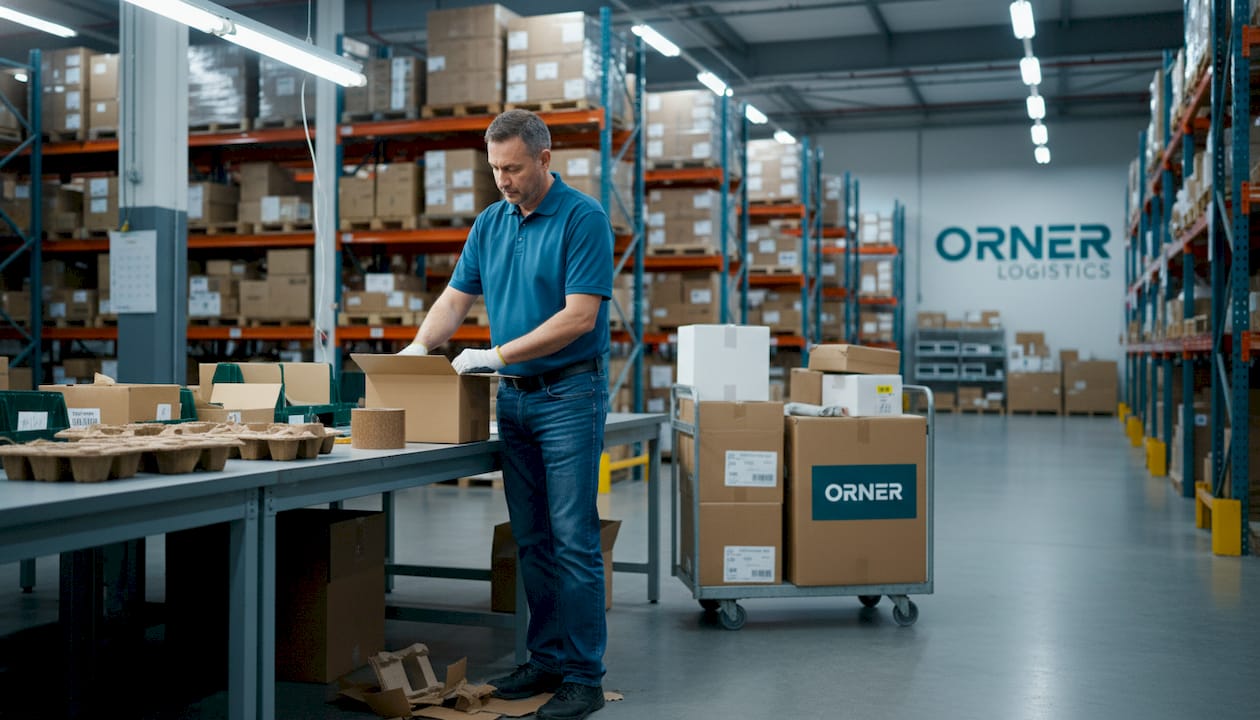
DIM weight pricing means carriers charge based on the volume of a package rather than its actual weight when the package is large relative to what’s inside. If you’re shipping a lightweight item in an oversized box, you’re paying for air. Right-sizing your packaging to match the actual contents is one of the fastest ways to reduce your cost per shipment without changing carriers or renegotiating contracts.
The numbers back this up clearly. Right-sizing packaging and using shipment consolidation strategies can reduce carrier fees by 18 to 30%, a significant saving that compounds across thousands of orders monthly.
Here’s a breakdown of how packaging choices affect your shipping performance:
| Packaging approach | DIM weight impact | Sustainability rating | Cost efficiency |
|---|---|---|---|
| Standard oversized box | High | Low | Poor |
| Right-sized corrugated box | Low to medium | Medium | Good |
| Poly mailers (soft goods) | Very low | Medium | Excellent |
| Recycled or biodegradable materials | Low to medium | High | Good |
| Frustration-free, minimal packaging | Very low | High | Excellent |
Switching to sustainable packaging also carries brand value. A growing segment of online shoppers actively prefer brands that demonstrate environmental responsibility, and packaging is one of the most visible expressions of that commitment.
Key advantages of sustainable packaging best practices include:
- Reduced DIM weight charges, lowering per-shipment costs
- Lower material costs when using lighter, recycled materials
- Stronger brand perception among eco-conscious shoppers
- Reduced damage rates when packaging is properly fitted
- Compliance with retailer and marketplace sustainability requirements
Exploring sustainable packaging options early gives you a competitive edge as regulations around single-use plastics and packaging waste continue to tighten globally.
Pro Tip: Use an automated packaging optimization tool that analyzes your product dimensions and recommends the ideal box size for each SKU. Many warehouse management systems now offer this as a built-in feature, and the savings often pay for the tool within weeks.
Leverage flexible shipping options to boost conversions
Packaging is crucial, but shipping options play a direct role in whether customers complete their purchase. Even if your packaging is perfectly optimized and your operations are running smoothly, customers who don’t find a shipping option that fits their budget or timeline at checkout will leave. It’s that simple.
The most effective approach is offering tiered shipping options that give shoppers genuine choice while protecting your margins. Here’s how the three most common models stack up:
| Shipping model | Best for | AOV impact | Margin risk |
|---|---|---|---|
| Unconditional free shipping | High-margin products, brand leaders | Moderate | High |
| Tiered free shipping (threshold) | Mid-range stores, growth stage | Strong | Low to medium |
| Flat rate shipping | Predictable, similar-sized orders | Neutral | Low |
| Real-time carrier rates | Wide product variety, cost-conscious | Variable | Very low |
The tiered free shipping model tends to deliver the best balance. Setting a free shipping threshold at 10 to 20% above your current average order value increases AOV while keeping your shipping costs covered by the incremental revenue. Offering unconditional free shipping across the board, by contrast, consistently erodes profit margins without a proportional lift in loyalty or conversions.
To set a profitable free shipping threshold, follow these steps:
- Calculate your current average order value across all channels and product categories.
- Determine your average shipping cost per order at your current AOV.
- Set your threshold at 10 to 20% above your AOV so the incremental margin covers the shipping subsidy.
- Test the threshold with a limited-time promotion to validate customer behavior before making it permanent.
- Monitor margin impact weekly for the first 60 days and adjust the threshold if margins deteriorate.
“The goal isn’t to offer the most shipping options. It’s to offer the right options that reduce friction without destroying profit. A well-calibrated shipping threshold is often worth more than a blanket free shipping policy.” — Logistics strategy advisor
It’s also worth remembering that cart abandonment rates reach up to 55% when shipping costs feel high or delivery is perceived as slow. That makes transparent, well-priced shipping options a conversion optimization tool, not just a logistics decision.
Review your shipping best practices regularly and consider what your customers are actually choosing at checkout. If 80% of your customers always select the cheapest shipping option, your pricing structure may be misaligned. Read more on courier service tips to fine-tune your carrier mix and speed tiers.
Embrace technology and last-mile innovations
With different shipping options chosen, it’s essential to leverage technology and innovation for fulfillment excellence. The fulfillment process doesn’t end when an order leaves your warehouse. For most shoppers, the delivery experience, specifically what happens in the last mile, is what they remember most about your brand.
Last-mile delivery refers to the final leg of a shipment’s journey from a local distribution hub to the customer’s door. It’s also the most expensive and logistically complex part of the entire supply chain, often accounting for 40 to 60% of total shipping costs. Getting it right requires both the right technology and a clear understanding of emerging innovations.
Here’s what technology-enabled shipping looks like in practice:
- Real-time shipment tracking: Customers receive live updates at every stage of their order, dramatically reducing “where is my order” support inquiries.
- Automated carrier selection: Shipping software compares rates and transit times across carriers in real time and selects the most cost-effective option for each order.
- Delivery window notifications: Proactive alerts that tell customers when their package will arrive reduce failed delivery attempts and improve satisfaction.
- Exception management alerts: Automated flags when shipments are delayed, lost, or face customs issues, allowing your team to act before the customer notices.
- Returns automation: Streamlined, self-service return portals that reduce friction and processing time while keeping customers loyal.
On the innovation side, last-mile delivery innovations such as consolidated delivery routes, parcel lockers, crowd-sourced delivery networks, and flexible delivery windows are reshaping what “fast” and “convenient” mean for shoppers.
“Consolidated last-mile delivery can meaningfully reduce both costs and carbon emissions, but it requires trade-offs in delivery speed that need to be communicated honestly to customers.” — UC Davis National Center for Sustainable Transportation
Explore the last mile delivery explained guide for a deeper breakdown of how these systems work in practice. For businesses already running at scale, understanding the last mile delivery challenges that come with growth is essential before expanding into new markets.
Pro Tip: Start by integrating real-time tracking into your post-purchase communication flow. A simple automated email or SMS with a live tracking link reduces customer service inquiries by 30 to 40% on average, and it costs almost nothing to set up.
The big takeaway: technology isn’t a future investment. It’s a current competitive requirement. Businesses that haven’t yet integrated shipping automation and real-time tracking are already operating at a disadvantage relative to customers’ growing expectations for visibility and control.
Our perspective: Why most ecommerce shipping strategies miss the mark
Here’s an uncomfortable truth most shipping strategy articles won’t tell you. The obsession with “free shipping” and “next-day delivery” has led many ecommerce businesses into a profit trap they can’t easily escape. They match competitor offers without understanding whether those offers are actually profitable or whether their specific customers even value them.
The businesses that build lasting logistics advantages don’t copy the market leaders. They study their own data, talk to their own customers, and make deliberate trade-off decisions. A small boutique selling handmade goods doesn’t need to compete with Amazon’s delivery speed. It needs to compete on trust, craftsmanship, and a consistent brand experience, and shipping is part of that story.
What customers consistently report valuing most is not raw speed. It’s predictability and honesty. Tell customers when their package will arrive, and arrive on time. That reliability builds more loyalty than a same-day delivery promise that fails half the time.
Aligning your shipping strategy with sustainable operations perspective also matters more than ever. Customers are paying attention to environmental practices, and brands that demonstrate genuine commitment rather than greenwashing will win in the long run.
Pro Tip: Build quarterly feedback loops where you survey customers specifically about their shipping experience. Ask about communication, packaging quality, and delivery accuracy. The insights will consistently surprise you and sharpen your strategy faster than any industry report.
Optimize your shipping with ORNER’s solutions
Ready to put these best practices into action? Here’s how ORNER can help elevate your ecommerce shipping.
ORNER’s global logistics platform gives ecommerce sellers and logistics managers the tools to automate carrier selection, track shipments in real time, and manage fulfillment across multiple warehouses and markets. Whether you’re scaling cross-border operations or fine-tuning last-mile delivery, ORNER’s cloud logistics efficiency tools bring visibility and control to every stage of the supply chain. Use the detailed order fulfillment guide to map your current workflow against industry best practices and identify exactly where automation and smarter carrier choices can save you time and money.
Frequently asked questions
How can I lower shipping costs without hurting the customer experience?
Use right-sized, sustainable packaging and consider shipment consolidation to reduce carrier fees by up to 30% while still delivering reliably. Customers rarely notice the box size. They notice whether the product arrived safely and on time.
What KPIs are critical for tracking shipping success?
Focus on on-time delivery rate, average transit time, shipping cost per order, and cart abandonment driven by shipping issues. These four metrics together paint a clear picture of both operational health and customer experience quality.
Is free shipping always the best option for my store?
Not always. Tiered free shipping set above your average order value can lift order sizes without the margin damage that comes from blanket free shipping. Test your threshold before making it permanent.
How do last-mile delivery innovations impact ecommerce?
Consolidated last-mile delivery reduces both cost and emissions, but requires honest communication with customers about delivery windows. Balancing speed expectations with sustainability goals is the real challenge for most ecommerce businesses in 2026.