TL;DR:
- Cross-border networks can reduce costs by up to 71% and delivery times by 60%.
- Optimal shipping models depend on business stage, order volume, and target markets.
- Proper planning of customs, returns, and technology is critical for scalable international growth.
Cross-border fulfillment networks can cut shipping costs by up to 71% while reducing delivery times by 60%, yet most ecommerce businesses still treat international shipping as a necessary expense rather than a competitive lever. The gap between brands that scale globally with confidence and those that stall at the border often comes down to one thing: understanding which shipping model fits their stage of growth. Old assumptions about complexity, customs headaches, and unpredictable costs are holding sellers back from markets that are genuinely accessible today. This guide breaks down the evolution of cross-border shipping, compares the models that actually work, addresses the real blockers, and gives you actionable strategies to grow efficiently.
Table of Contents
- The evolution of cross-border ecommerce shipping
- Shipping models and solutions: What actually works?
- Key cross-border shipping challenges and how to overcome them
- Advanced strategies for scalable, efficient cross-border operations
- Our perspective: What most brands get wrong with cross-border ecommerce shipping
- Scale your business with seamless cross-border shipping solutions
- Frequently asked questions
Key Takeaways
| Point | Details |
|---|---|
| Shipping model impacts profit | Direct shipping is effective for low-volume, but scalable models like micro-hubs or 3PLs offer dramatic cost and speed improvements. |
| Customs and tariffs are dealbreakers | Poor compliance and high duties can drive up costs and cart abandonment, but using documentation specialists slashes delays significantly. |
| Returns and remote areas require strategy | Cross-border returns cost far more than outbound and remote deliveries need clear expectations and specialized partners. |
| Localization and tech drive success | Market-specific payment, shipping choices, and AI optimization are essential to unlocking efficiency and customer satisfaction. |
The evolution of cross-border ecommerce shipping
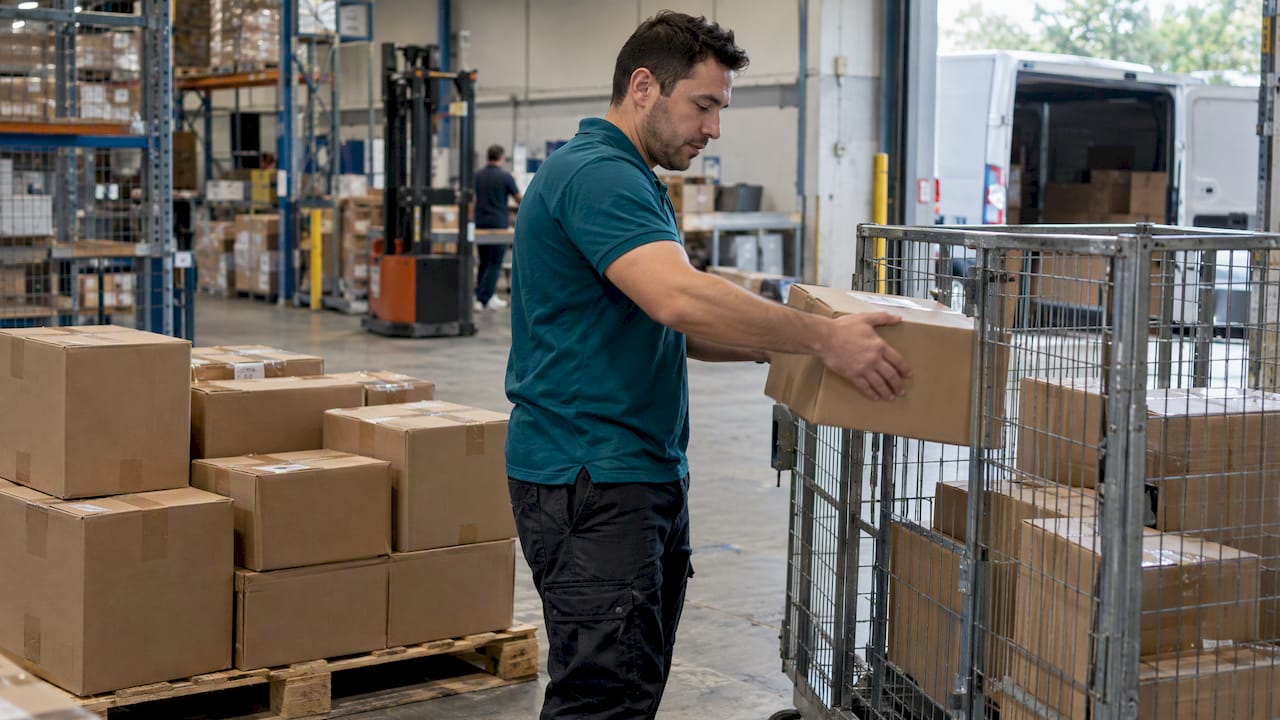
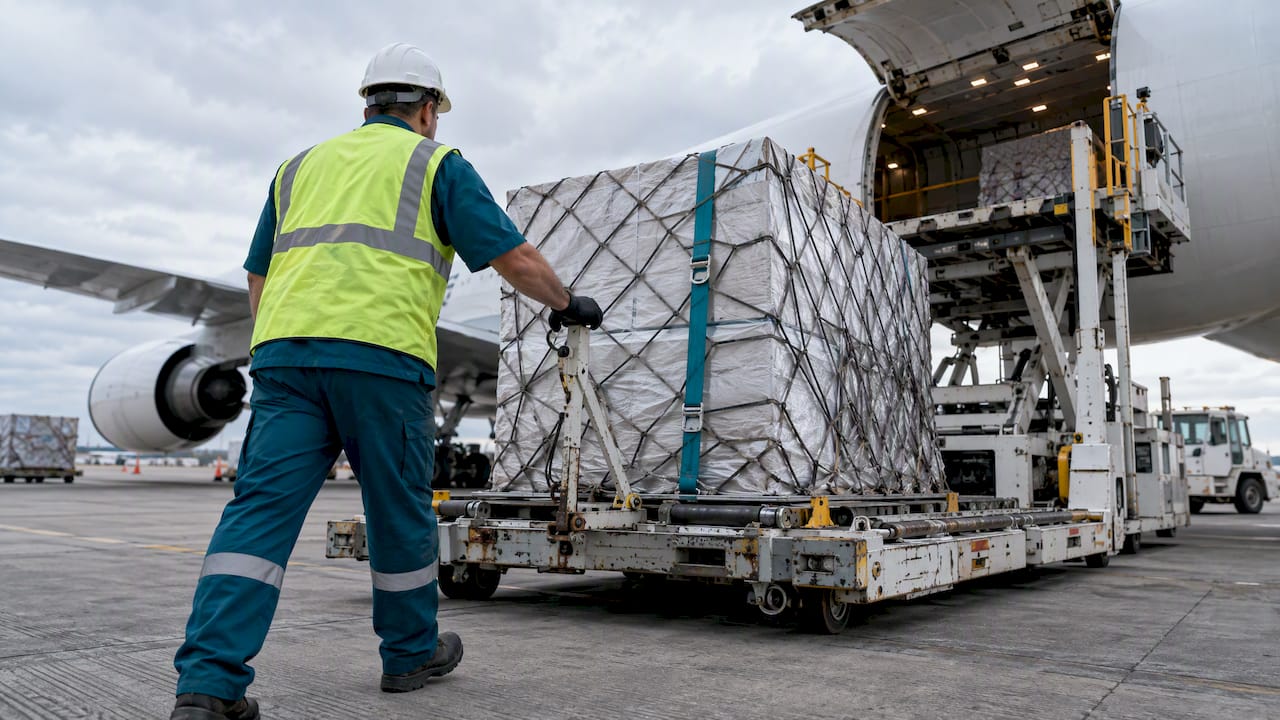
Cross-border ecommerce is no longer a niche play for enterprise brands with deep logistics budgets. The global cross-border market is projected to reach $7.9 trillion by 2027, and 84% of ecommerce brands now use third-party logistics providers to manage fulfillment. That shift reflects a fundamental change in how global trade works at the parcel level.
A decade ago, most sellers relied on a single carrier and a single origin warehouse. Orders crossed borders slowly, expensively, and with limited visibility. Today, the landscape looks completely different. Regional fulfillment hubs, what is 3PL networks, and technology-driven route optimization have made it possible for mid-sized brands to compete on delivery speed and cost with companies ten times their size.
Three core distribution architectures now define the market:
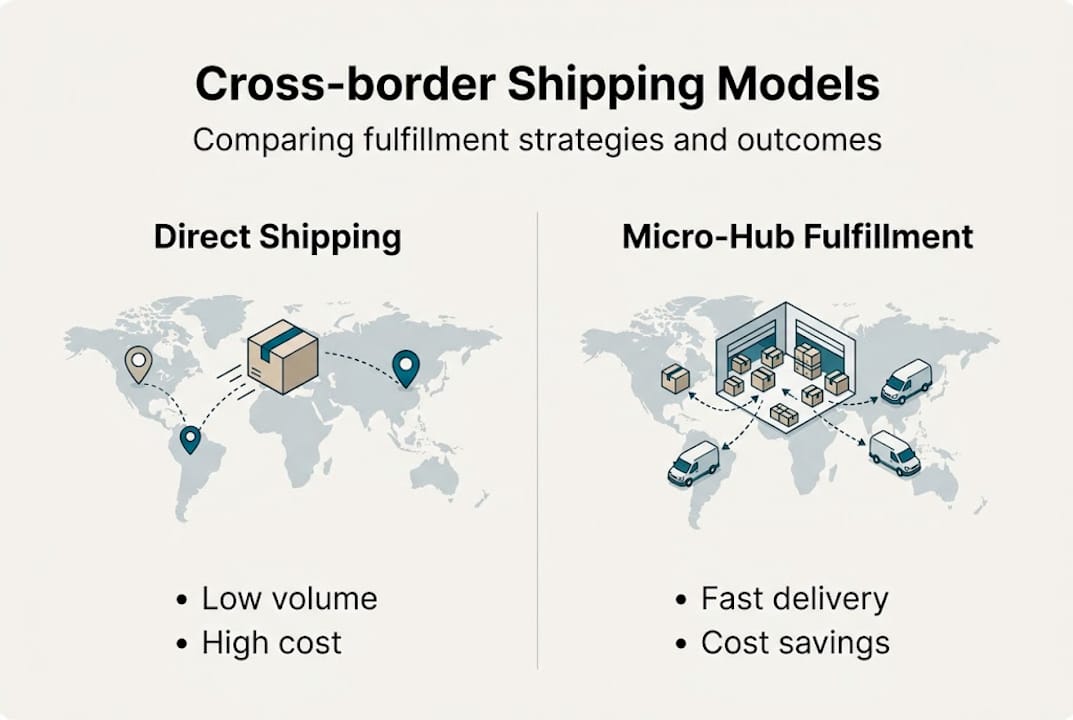
- Direct international shipping: Orders ship from a single origin warehouse directly to the end customer using express couriers.
- Micro-hub networks: Inventory is pre-positioned in regional fulfillment centers closer to demand clusters, dramatically cutting last-mile costs.
- Hub-and-spoke models: A central hub consolidates volume before distributing to regional nodes, which is especially dominant in APAC markets.
The APAC expansion guide from ClearGo highlights how hub-and-spoke has become the default architecture across Southeast Asia, where fragmented geography and high delivery density make centralized sorting essential.
“Global network design is the new differentiator for ecommerce brands. The question is no longer whether to go cross-border, but how to structure the network for speed, cost, and resilience.”
| Model | Avg. delivery time | Relative cost | Best for |
|---|---|---|---|
| Direct international | 7-14 days | High | Low volume, new markets |
| Micro-hub network | 2-5 days | Medium | Growing brands, 200+ orders/month |
| Hub-and-spoke | 3-7 days | Low at scale | High volume, APAC, wholesale |
For a deeper look at how these architectures fit into your supply chain, the cross-border logistics guide at or-ner.com walks through network design decisions in practical detail.
Sector adoption varies too. Apparel, footwear, and home goods brands have led the shift to distributed fulfillment, largely because their return rates and demand volatility make regional inventory positioning financially attractive. Manufacturing and wholesale sellers are catching up fast, especially as omnichannel expectations from retail partners push them toward faster, more flexible distribution.
Shipping models and solutions: What actually works?
Building on this foundation, let’s compare the real shipping model options and what drives success.
Not every model works for every business at every stage. The right choice depends on your order volume, target markets, product margins, and tolerance for operational complexity.
Direct international shipping works well when you are testing a new market and do not yet have the volume to justify pre-positioning inventory. You use express couriers like DHL or FedEx, pay premium rates, and accept longer delivery windows. It is simple, low-commitment, and appropriate for under 100 orders per month in a new region.
Regional micro-hubs are where the math starts to change dramatically. Micro-hub fulfillment networks reduce delivery times by 60% and costs by 71% compared to direct international shipping. That is not a marginal improvement. It is a structural cost advantage that compounds as volume grows.
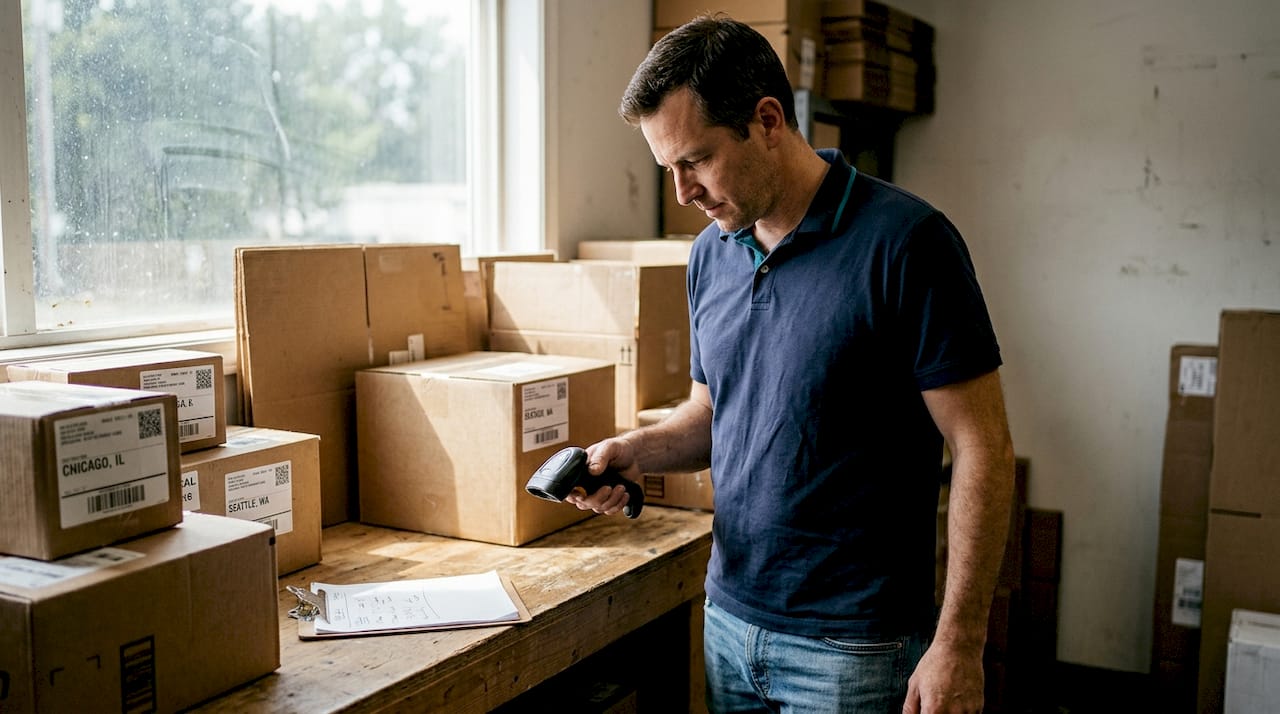
Hub-and-spoke models dominate high-volume and APAC operations. They require more upfront network design but deliver the lowest per-unit cost at scale. Digital logistics strategies research confirms that AI-driven route planning within these networks can push utilization rates significantly higher, reducing waste across the entire chain.
Here is a practical framework for choosing your model:
- Validate first. Use direct shipping to test demand in a new market before committing to regional inventory.
- Hit the threshold. Once you reach 200 to 500 orders per month in a region, micro-hub economics start to beat direct shipping.
- Evaluate 3PL vs. 4PL. Understanding the 3PL vs 4PL distinction matters here. A 3PL handles physical fulfillment; a 4PL manages the entire logistics network on your behalf.
- Layer in technology. AI route optimization, real-time tracking, and automated customs documentation reduce errors and cost simultaneously.
- Review carrier performance quarterly. Carrier SLAs shift. What worked last year may not be the best option today.
| Criterion | Direct shipping | Micro-hub | Hub-and-spoke |
|---|---|---|---|
| Setup complexity | Low | Medium | High |
| Cost per shipment | High | Medium | Low at scale |
| Delivery speed | Slow | Fast | Medium-fast |
| Scalability | Limited | Strong | Very strong |
Pro Tip: When evaluating 3PL partners for cross-border fulfillment, ask specifically about their customs brokerage relationships in your target markets. A 3PL with embedded customs expertise will consistently outperform one that outsources that function.
For a broader view of how to optimize your network, global logistics solutions covers the full picture of ecommerce supply chain design.
Key cross-border shipping challenges and how to overcome them
Understanding the preferred models, let’s address the blockers that make cross-border shipping difficult and costly.
Even the best-designed network runs into friction. The challenges are predictable, which means they are also largely preventable with the right preparation.
Tariffs and de minimis thresholds are the first hurdle. Many sellers assume low-value shipments will pass through duty-free, but thresholds vary widely by country and are actively being revised in 2026. The US de minimis threshold changes, for example, have already forced brands to rethink their direct-to-consumer models for certain product categories.
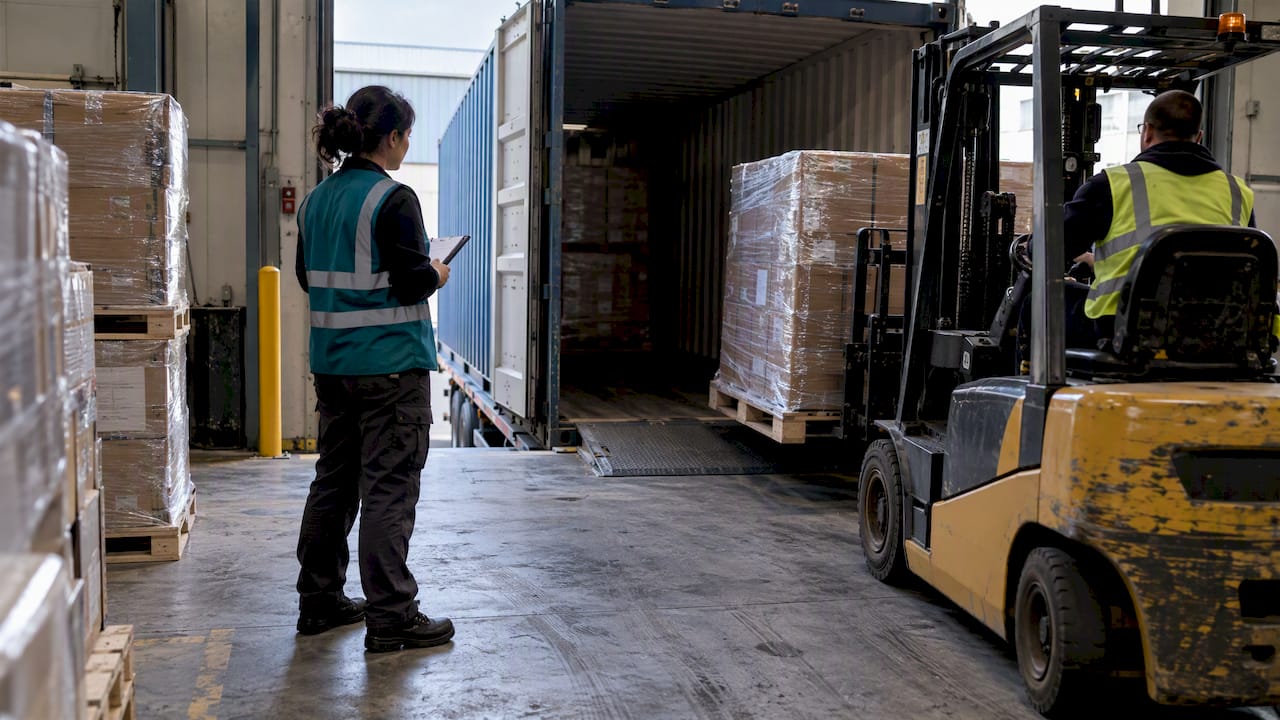
Customs delays are the most common operational pain point. Poor documentation causes the majority of customs holds, but proper compliance and regional expertise can reduce delays by 35%. That improvement alone can be the difference between a satisfied customer and a chargeback.
Common causes of customs delays include:
- Incorrect or incomplete HS codes on commercial invoices
- Missing or mismatched declared values
- Inadequate product descriptions that trigger manual review
- Failure to pre-register with destination country customs authorities
For a clear breakdown of what to expect and how to prepare, customs clearance explained is a practical starting point.
“Cart abandonment from unexpected duties and fees runs between 25% and 40% at checkout. Transparency about landed cost is not just good practice. It is a conversion optimization strategy.”
Returns are a cost category most brands underestimate. Cross-border returns cost 1.5 to 2x more than outbound shipping, and the logistical complexity of moving goods back across borders adds weeks to resolution times. Local return hubs, clear policies displayed at checkout, and size guides that reduce fit-related returns all meaningfully reduce this burden.
Remote area surcharges are another hidden cost. Carriers apply significant surcharges for deliveries outside major metro areas, and these costs rarely appear in the headline rate you negotiated. The cross-border delivery challenges page outlines how to identify and negotiate these fees before they erode your margins.
Pro Tip: Use a landed cost calculator at checkout. Displaying the full duty-inclusive price upfront reduces cart abandonment and eliminates post-purchase surprises that damage customer trust.
Advanced strategies for scalable, efficient cross-border operations
Having mitigated key risks, it’s time to focus on the most effective strategies for scalable cross-border success.
Scaling cross-border operations is not just about adding more warehouse locations. It requires deliberate choices about pricing structures, technology investment, and partner selection.
DDP vs. DDU/DAP is one of the most consequential decisions you will make. Delivered Duty Paid (DDP) means you collect duties at checkout and handle customs on behalf of the buyer. Delivered Duty Unpaid (DDU) or Delivered at Place (DAP) means the buyer pays duties on arrival. DDP consistently outperforms DDU on conversion and customer satisfaction, especially in markets where buyers are unfamiliar with import processes. AI-driven route planning combined with DDP structures has been shown to boost network utilization by 85%, compressing cost per delivery significantly.
Here is a phased approach that works for most scaling brands:
- Phase 1: Validate. Ship direct to 2 to 3 target markets using express couriers. Measure demand, return rates, and customer satisfaction.
- Phase 2: Regionalize. Once volume justifies it, move to micro-hub fulfillment in your highest-performing markets.
- Phase 3: Localize. Integrate local payment methods, localized tracking communications, and in-country return solutions.
- Phase 4: Optimize. Use AI and data analytics to continuously improve route efficiency, inventory positioning, and carrier mix.
Technology is no longer optional at scale. Digital logistics platforms that integrate AI route optimization, real-time exception management, and automated customs filing reduce both cost and error rates simultaneously. The brands winning globally are not necessarily the ones with the biggest budgets. They are the ones with the tightest feedback loops between data and decisions.
Pro Tip: When selecting an ILSP (international logistics service provider), prioritize those with proven regional expertise in your target markets over those with the broadest global footprint. Depth beats breadth at the country level.
For more on maximizing your return on cross-border investment, cross-border shipping benefits and freight forwarding tips are worth reviewing before you commit to a partner.
Our perspective: What most brands get wrong with cross-border ecommerce shipping
Stepping back from frameworks and benchmarks, here is our hard-won perspective on what separates leaders from laggards in global shipping.
The most common mistake we see is brands scaling before they have optimized. They hit a promising sales number in a new market, immediately open a regional warehouse, and then discover that local compliance requirements, carrier relationships, and return flows are far more complex than anticipated. The cost of fixing a poorly designed network is always higher than the cost of designing it well from the start.
The second mistake is treating free shipping or express delivery as a universal solution. These are powerful tools in the right context, but they are expensive commitments that erode margin fast if applied indiscriminately. The brands that win globally use service levels strategically, offering premium speed where it drives conversion and standard delivery where customers simply want reliability.
Local compliance is chronically underestimated. Tax registration requirements, labeling laws, and consumer protection rules differ dramatically by market. Ignoring them does not just create legal risk. It destroys customer trust at the moment of delivery. Use the cross-border logistics playbook to map compliance requirements before you enter a new market, not after your first customs hold.
The formula that actually works: pilot, test, localize, then scale. It is slower upfront and dramatically faster in the long run.
Scale your business with seamless cross-border shipping solutions
Ready to put these insights into action? Here is how to get the edge with a reliable logistics partner.
At ORNER, we work with ecommerce sellers, wholesalers, and manufacturers who need more than a carrier. They need a logistics partner that understands the full picture from customs clearance to last-mile delivery. Our platform connects you to reliable courier services and regional fulfillment networks built for cross-border scale.
Whether you are validating a new market or optimizing an existing network, our cross-border logistics guide gives you the framework to move with confidence. For businesses focused on reducing per-shipment costs, our cost reduction strategies page outlines the practical levers available to you right now. Start with a conversation about your current shipping setup and where the biggest opportunities are.
Frequently asked questions
What are the best couriers for cross-border ecommerce shipping?
DHL leads in Europe and Asia while UPS holds a strong position in the Americas, and FedEx performs well across high-value express lanes globally. The best choice depends on your target region and shipment volume.
How can I minimize customs delays in cross-border shipping?
Working with region-specialist 3PLs and maintaining strict documentation standards can cut customs delays by up to 35%. A hub model with embedded customs expertise adds another layer of protection.
What’s the most cost-effective cross-border shipping model for scaling up?
Regional micro-hub fulfillment networks deliver up to 71% cost savings and 60% faster delivery compared to direct international shipping, making them the strongest option for brands at growth stage.
How should ecommerce businesses manage high return costs?
Cross-border returns cost 1.5 to 2x more than outbound shipments, so using local return hubs and setting clear policies at checkout are the most effective ways to control this expense.
When should a business scale to local fulfillment in a new market?
Once you reach 200 to 500 orders per month in a region, local fulfillment typically becomes more cost-efficient than shipping from a central origin warehouse.