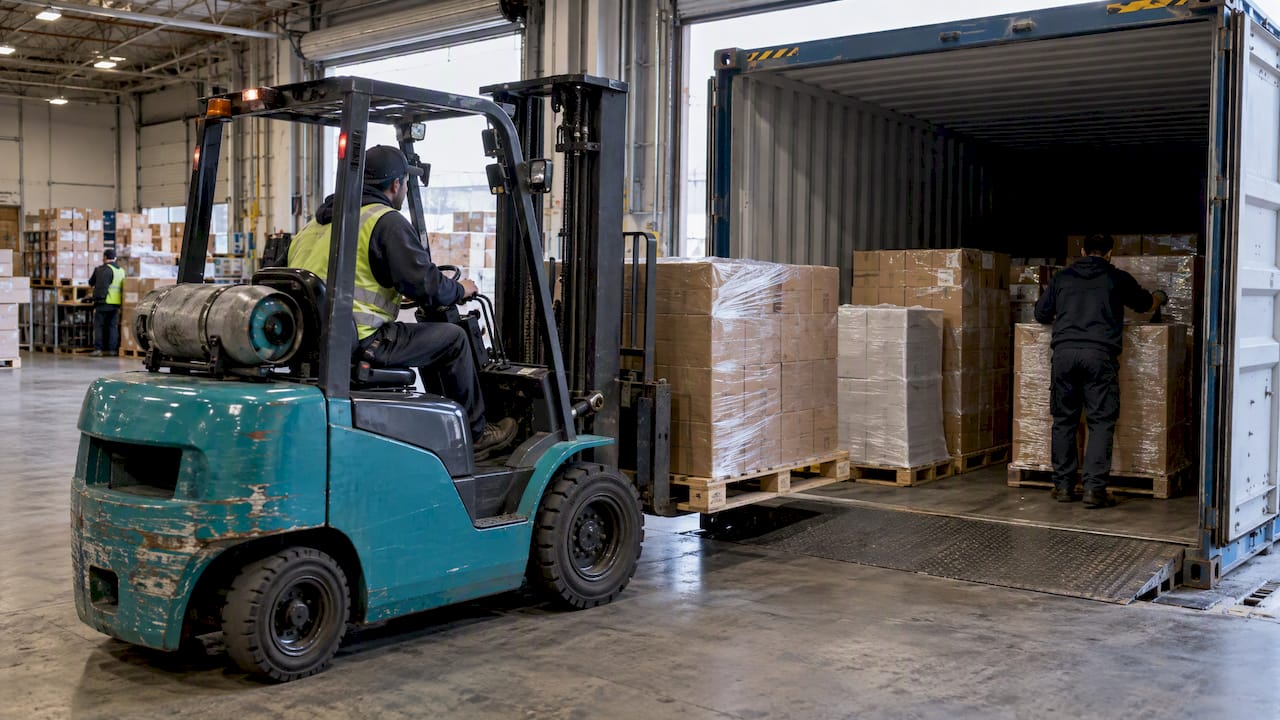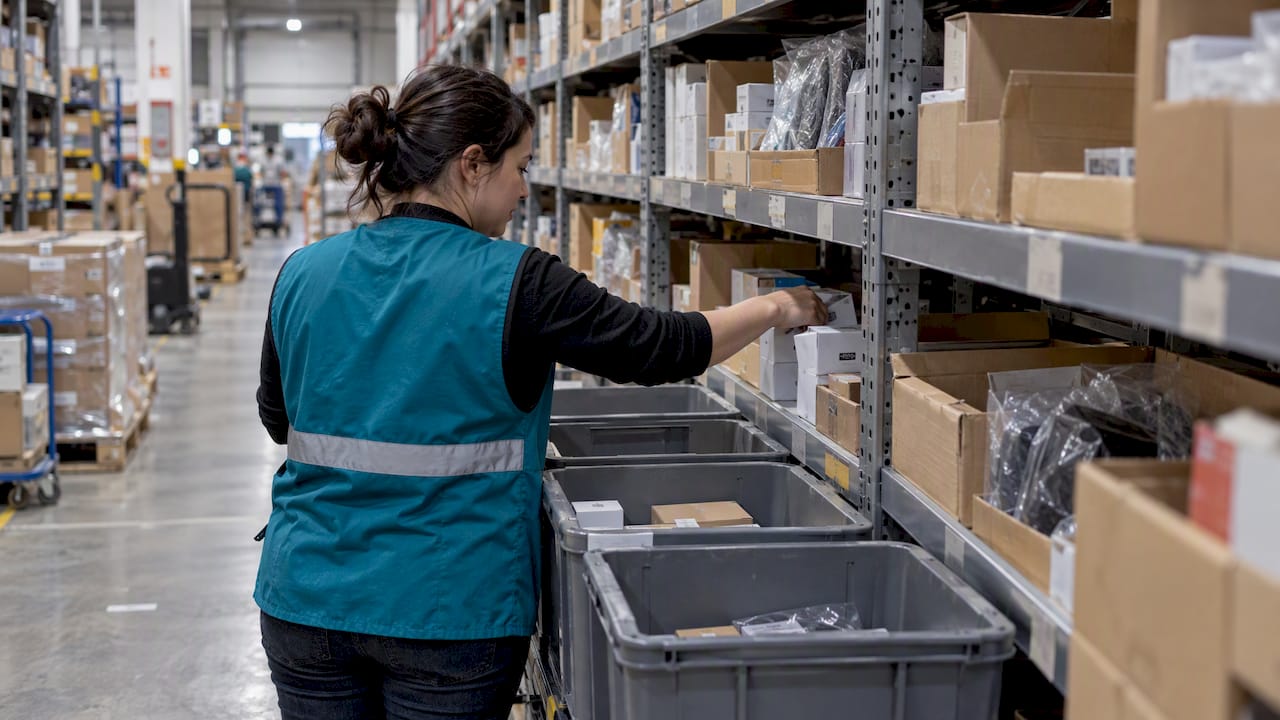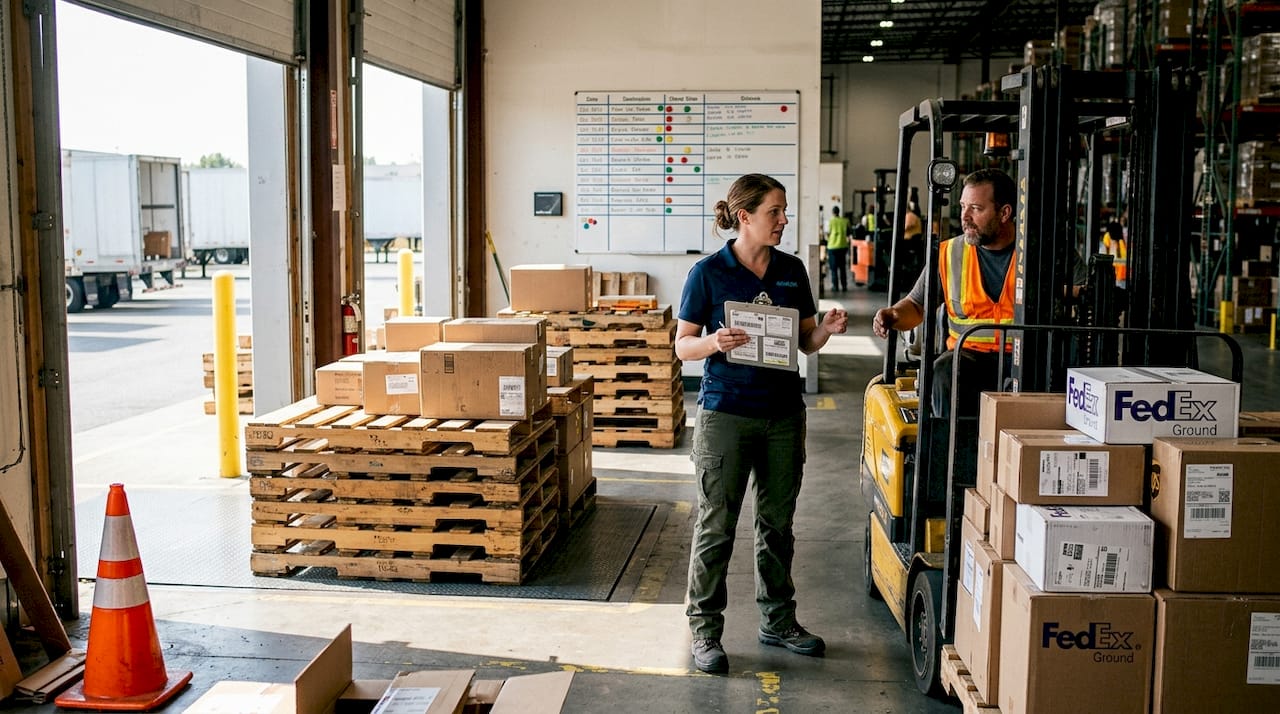
Freight shipping is one of the biggest cost drivers for ecommerce businesses, and most sellers are leaving serious money on the table. Costs can drop 15-35% through smarter packaging, carrier negotiation, and mode selection without sacrificing service quality. Whether you ship a few pallets a week or manage high-volume cross-border freight, the strategies in this guide will help you reduce expenses, avoid common pitfalls, and build a leaner, faster supply chain in 2026.
Table of Contents
- Start with a shipping audit: The base for savings
- Optimize packaging for density and class
- Compare freight modes and carriers: Pick the best fit
- Negotiate carrier rates and spot opportunities
- Embrace freight tech for predictive visibility
- Review and optimize your network regularly
- Streamline your freight shipping with ORNER
- Frequently asked questions
Key Takeaways
| Point | Details |
|---|---|
| Audit shipping practices | Regular reviews of SKUs and carrier lanes are the foundation for cost savings in freight shipping. |
| Maximize packaging efficiency | Denser packaging lowers shipping class, reducing costs without changing service levels. |
| Choose optimal freight modes | Matching the right mode to load size, speed, and route can unlock significant savings. |
| Negotiate strategically | Smart negotiation and spot rate shopping lead to better deals with your shipping partners. |
| Leverage technology | Predictive visibility tools and robust analytics streamline freight decisions and prevent disruptions. |
Start with a shipping audit: The base for savings
Before you can fix anything, you need to see exactly where your money is going. A shipping audit is the single most powerful first step you can take. It reveals which SKUs cost the most to ship, which lanes are bleeding margin, and where carrier fees are quietly stacking up.
Here is a simple audit process to follow:
- Pull 6-12 months of shipping invoices and sort by lane, carrier, and SKU.
- Identify your top 20% of shipments by cost. These are your highest-leverage opportunities.
- Use a Transportation Management System (TMS) for real-time rate shopping and lane visibility.
- Flag shipments that consistently hit peak surcharges and reschedule them where possible.
- Use your audit data to renegotiate contracts with carriers from a position of knowledge.
“You cannot negotiate what you cannot measure. Carriers respect data-backed conversations far more than volume promises alone.”
Pro Tip: Run your audit at least twice a year. Freight markets shift fast, and a rate that was competitive six months ago may now be costing you thousands. Pair your audit with reducing shipping costs strategies to build a repeatable savings framework.
Once you see where your costs are going, it is time to focus on your packaging.
Optimize packaging for density and class
Packaging is not just about protecting your product. It directly determines your freight class, and freight class determines your rate. The National Motor Freight Classification (NMFC) system assigns classes based on density, stowability, handling, and liability. Higher density packaging means a lower freight class, which translates directly to cheaper rates.
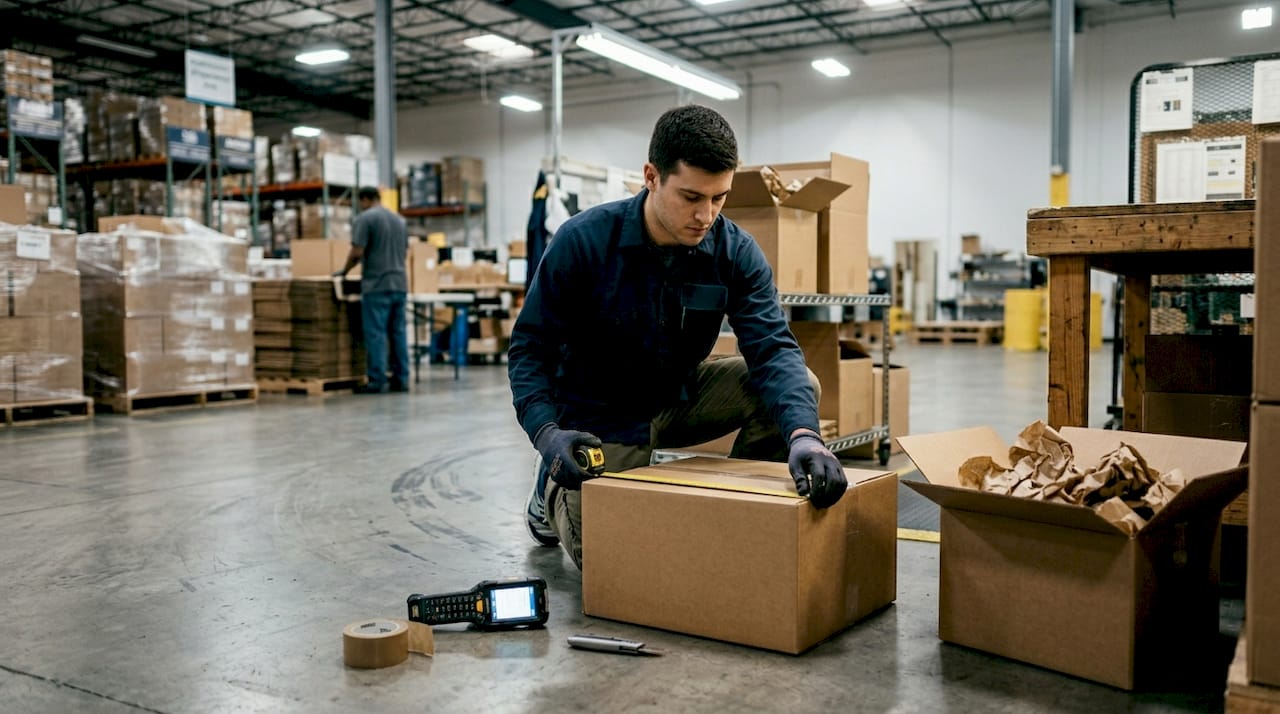
Density is measured in pounds per cubic foot (PCF). Here is how it plays out in practice:
| Density (PCF) | Freight class | Relative cost |
|---|---|---|
| Less than 1 | Class 400 | Very high |
| 1 to 2 | Class 300 | High |
| 2 to 4 | Class 250 | Above average |
| 4 to 6 | Class 175 | Moderate |
| 6 to 8 | Class 125 | Below average |
| 8 to 10 | Class 100 | Low |
| More than 10 | Class 70 or lower | Very low |
The goal is to eliminate dead air inside your boxes. Oversized packaging for small, heavy items is one of the most common and costly mistakes ecommerce sellers make. Work with a packaging partner or use automated box-selection software to match box size to product dimensions precisely. Even a small reduction in box volume can shift your freight class and save up to 35% on select categories.
Pro Tip: Review your shipping cost optimization process alongside your packaging decisions. The two are directly connected, and optimizing both together compounds your savings.
Once packaging is efficient, leverage carrier selection to maximize your savings.
Compare freight modes and carriers: Pick the best fit
Not every shipment needs the same solution. Choosing the wrong freight mode is like paying for a full hotel floor when you only need one room. Understanding your options is essential.
FTL (Full Truckload): Best for large shipments that fill an entire truck. Faster transit, lower per-unit cost at scale, and less handling means fewer damages.
LTL (Less Than Truckload): Ideal for smaller shipments that do not fill a full truck. You share space and cost with other shippers. More flexible but slower and subject to more handling.
Intermodal freight: Combines truck, rail, and sometimes ocean transport. Intermodal aligns cost savings with sustainability goals, making it a strong choice for longer domestic lanes.
| Mode | Relative cost | Speed | Carbon impact |
|---|---|---|---|
| FTL | Medium to high | Fast | Moderate |
| LTL | Low to medium | Moderate | Moderate to high |
| Intermodal | Low | Slower | Low |
| Air freight | Very high | Very fast | High |
When evaluating carriers, do not rely on a single quote. Use rate shopping tools built into a TMS to compare live rates across multiple carriers. Look at on-time delivery performance, claims ratios, and lane-specific reliability, not just price. Explore freight forwarding tips and freight consolidation strategies to squeeze even more value from your carrier mix.
Once you know your best modes and partners, unlock more savings through negotiation.
Negotiate carrier rates and spot opportunities
Most ecommerce sellers accept the rates they are given. That is a costly mistake. Carriers expect negotiation, and they build margin into their standard rates precisely because of it. Here is how to approach it strategically:
- Gather 12 months of shipping data before any negotiation conversation.
- Get at least three competing quotes for your top lanes before renewing any contract.
- Negotiate based on lane volume, payment history, and projected growth, not just current spend.
- Ask for spot rate access in addition to contract rates. Spot markets can be significantly cheaper during low-demand periods.
- Review contract terms at least once a year. Fuel surcharges, accessorial fees, and dimensional weight rules change constantly.
“Your shipping data is your greatest negotiating asset. Walk into every carrier conversation knowing your lane volumes, your on-time rates, and your claims history.”
The 15-35% cost reduction that top logistics teams achieve does not come from one big win. It comes from stacking small gains across packaging, mode selection, and rate negotiation. Start with your highest-volume lanes and work outward. Use resources like negotiating shipping rates to build a repeatable negotiation playbook.
After you optimize rates, advanced tech tools can bring even more value.
Embrace freight tech for predictive visibility
Real-time tracking tells you where your shipment is right now. Predictive visibility tells you where it will be tomorrow and flags problems before they become delays. That distinction matters enormously for ecommerce sellers managing customer expectations and inventory levels.
Predictive visibility outperforms real-time tracking because it gives you time to act. When a delay is predicted three days out, you can reroute, notify customers, or adjust inventory. When you find out the day of, your options shrink fast.
Here is what strong freight tech should do for your operation:
- Aggregate data from multiple carriers into a single dashboard
- Flag exceptions automatically so your team focuses on problems, not routine updates
- Provide lane-level analytics to identify recurring delay patterns
- Enable proactive carrier communication before issues escalate
- Integrate with your ecommerce platform and warehouse management system
Pro Tip: Pair shipment tracking software with parcel tracking systems to cover both freight and last-mile visibility in one workflow. Also consider liability cover for road freight to protect against unexpected claims that can erode your savings.
Now let us make sure your network stays future-ready and your shipping costs do not creep back up.
Review and optimize your network regularly
The old model of reviewing your supply chain network every five years is gone. Network optimization every 1-2 years is now the standard for competitive logistics operations. Markets shift, customer locations change, and new carrier options emerge constantly.
Here is what a regular network review should cover:
- Warehouse and fulfillment center placement relative to your top customer zip codes
- Carrier performance benchmarks compared to current market alternatives
- Balance between Just-In-Time (JIT) inventory and Just-In-Case (JIC) buffer stock
- Seasonal volume patterns and how your network handles peak demand
- Alignment between your growth projections and your current logistics capacity
JIT keeps inventory lean and reduces holding costs, but it leaves you exposed to supply disruptions. JIC builds resilience but ties up capital. The right balance depends on your product category, lead times, and customer expectations. Review this balance every time you do a network audit.
Statistic callout: Ecommerce businesses that apply consistent freight optimization strategies, including packaging, carrier negotiation, mode selection, and network reviews, can achieve up to 35% reduction in total shipping costs without changing service levels.
Use tools like freight booking tips and freight booking solutions to keep your booking process efficient as your network evolves. And if you operate commercial vehicles, make sure you have the right fleet insurance for freight in place to protect your assets.
Streamline your freight shipping with ORNER
Putting these strategies into practice requires the right logistics partner behind you. ORNER is built specifically for ecommerce sellers who need reliable courier services that scale with their business. From freight booking and real-time tracking to customs clearance and cross-border fulfillment, ORNER covers every step of your supply chain.
Explore the order fulfillment process steps that top ecommerce brands use to reduce costs and improve delivery speed. Whether you are optimizing packaging, renegotiating carrier contracts, or building predictive visibility into your operations, ORNER’s platform and best courier service tips give you the tools and expertise to make it happen. Start building a smarter freight strategy today.
Frequently asked questions
How can I reduce my freight shipping costs quickly?
Start by reviewing packaging density, negotiating carrier rates, and using real-time rate shopping. Costs can drop 15-35% through these strategies alone without changing your service levels.
What is the difference between LTL, FTL, and intermodal freight?
LTL ships partial loads alongside other shippers’ goods, FTL fills an entire truck with your cargo, and intermodal combines truck, rail, or ocean transport for longer lanes. Intermodal often aligns cost savings with lower carbon impact.
How often should I review my logistics network?
You should optimize your supply chain network every 1-2 years. Annual reviews are now standard because freight markets, carrier options, and customer locations shift too fast for longer cycles.
How does packaging density impact shipping class?
Higher density packaging lowers your NMFC freight class, which directly reduces your shipping rate. Eliminating empty space inside your boxes is one of the fastest ways to lower your freight bill.
Recommended
- Mastering Reducing Shipping Costs: 6 Effective Strategies – ORNER
- Freight forwarding tips to optimize ecommerce shipping – ORNER
- International Shipping Tips: Streamline Your Global Deliveries – ORNER
- Maximize Profits with Effective Shipping Cost Optimization – ORNER
- How to compare insurance for flexible fleet coverage