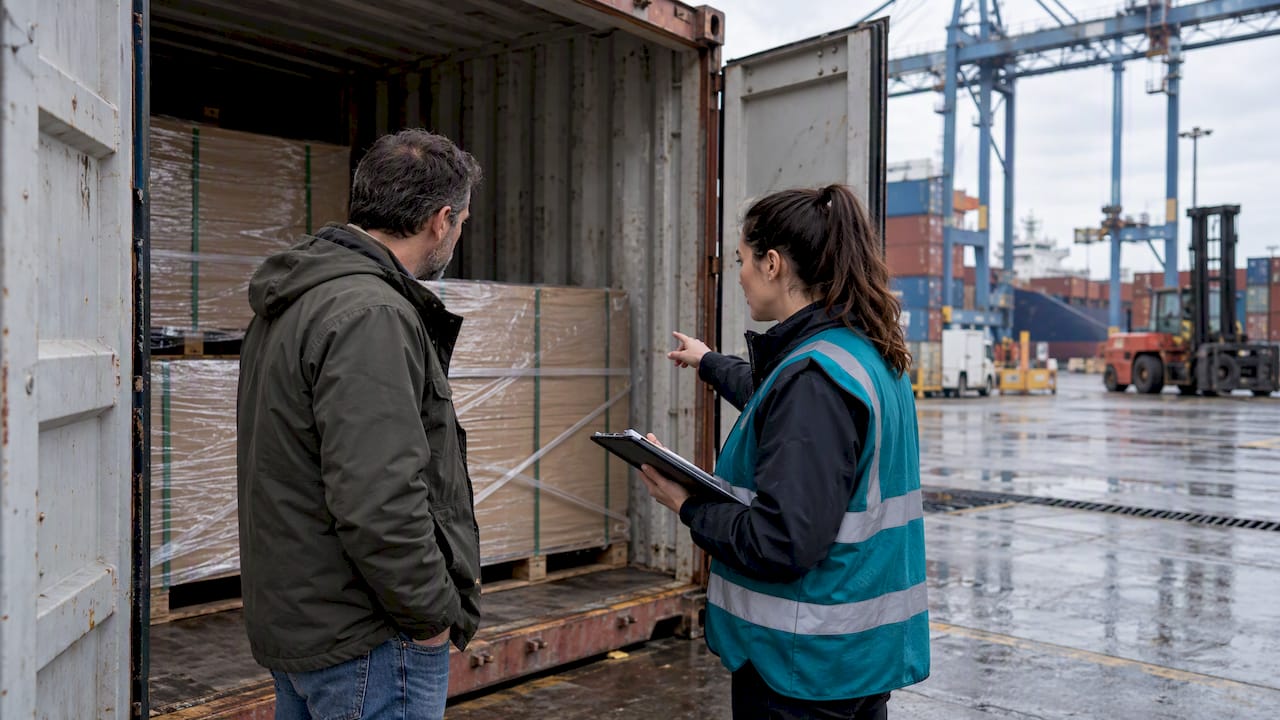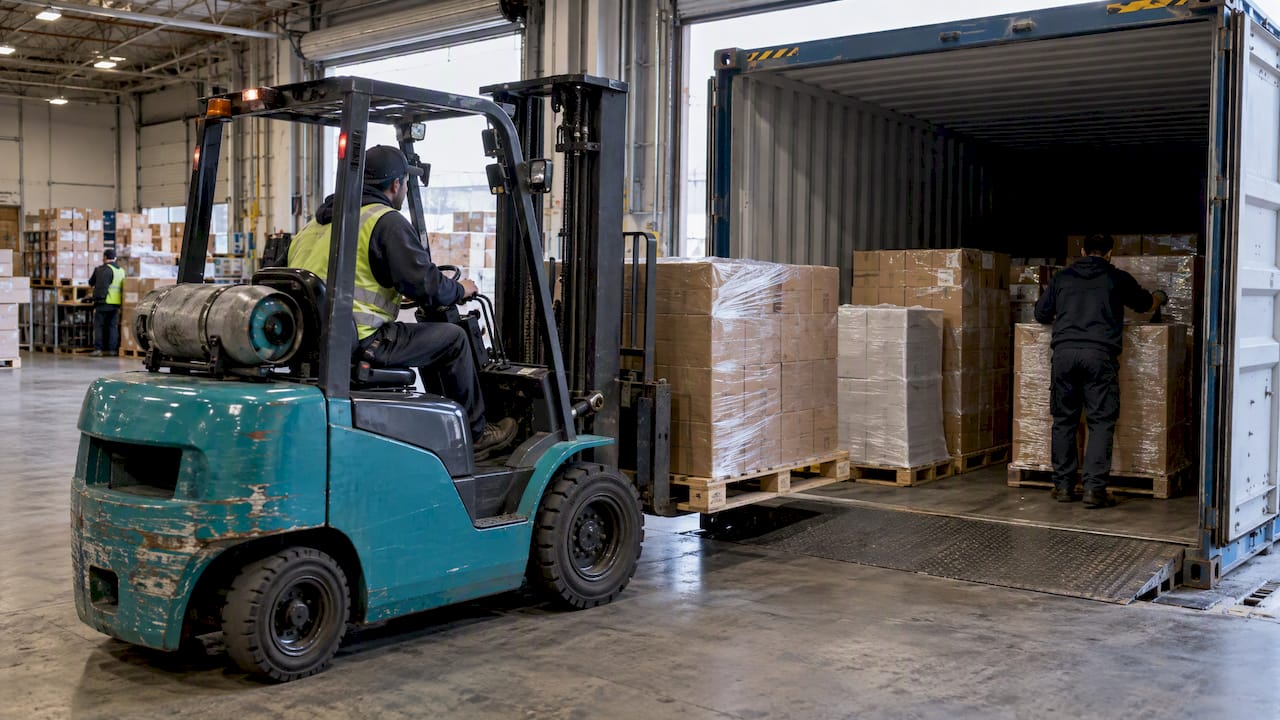
If you searched for “Global Service Logistics,” you’re most likely looking for a U.S.-based freight and warehousing firm by that name. Before you call or sign anything, spend five minutes confirming you have the right company and that they’re legally authorized to move your freight.
Your one-line action: Pull the company’s DOT or MC number, verify it on the FMCSA website, then request a certificate of insurance before any conversation about pricing.
Quick verification checklist before your first call:
- Confirm the physical address on their website matches state registration records
- Look up their DOT/MC number at Safer
- Ask for a current certificate of insurance (cargo and general liability)
- Verify their customs broker license number with CBP if they handle imports
- Confirm the warehouse address is real and operational
Contact info to collect on first contact: company legal name, DOT/MC number, primary phone, dispatch email, and the name of your account rep.
Key Takeaways
Verifying a logistics company’s DOT/MC authority, insurance limits, and physical warehouse address before signing any contract is the single most important step U.S. shippers can take to avoid costly disputes.
| Point | Details |
|---|---|
| Verify DOT/MC first | Check FMCSA’s SAFER database before any contract discussion to confirm active operating authority. |
| Request a COI immediately | Ask for cargo insurance and general liability certificates; confirm limits and exclusions in writing. |
| GTL compliance is mandatory | For OEM supply chains, labels must include SSCC18 or ISO Licence Plate, Code 128/Data Matrix barcodes, and meet six-year traceability requirements. |
| Track with the right number | Use AWB/HAWB for air, MBL/HBL for ocean; use a centralized aggregator when shipments change carriers mid-route. |
| Or-ner as verified alternative | Or-ner provides freight booking, bonded warehousing, customs clearance, and real-time tracking with documented SLAs. |
Table of Contents
- How do you confirm a logistics company’s identity and contact details?
- What services does a global service logistics firm typically offers?
- How do you track a shipment through a global logistics provider?
- What is a Global Transport Label and why does it matter for your shipment?
- Nine questions to ask a logistics provider before you sign
- What U.S. shippers need to know about insurance and contracts
- What separates a reliable logistics partner from a risky one
- Or-ner gives you a verified alternative with a clear path to a quote
- Sources
- FAQ
How do you confirm a logistics company’s identity and contact details?
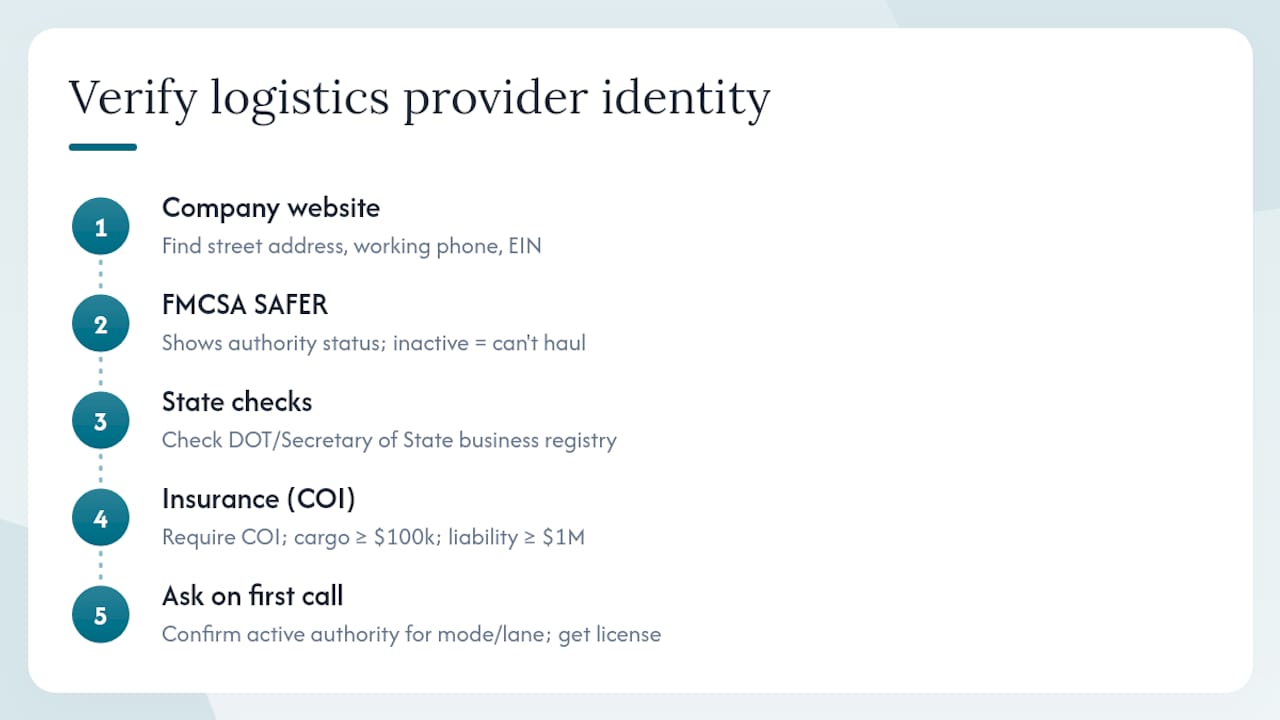
Start with the company’s own website. A legitimate logistics provider lists a physical street address (not a P.O. box), a working phone number, and ideally an EIN or tax ID reference on invoices. If the site has no address or the phone goes to voicemail every time, that’s worth noting before you commit.
The FMCSA’s SAFER database is your fastest verification tool. Enter the company’s DOT or MC number and you’ll see operating authority status (active or inactive), carrier type, and any safety rating on record. An inactive authority means they cannot legally haul freight for hire right now.
State-level checks matter too. Some states require separate freight broker or motor carrier licenses beyond the federal MC number. Check your state’s Department of Transportation or Secretary of State business registry to confirm the entity is in good standing.
For insurance, ask for a COI (Certificate of Insurance) naming your company as an additional insured. The two numbers that matter most: cargo insurance limit (typically $100,000 or higher for commercial freight) and general liability (usually $1,000,000 per occurrence minimum for reputable carriers).
Pro Tip: On your first call, ask specifically: “Do you have active authority for the mode and lane I need?” A carrier licensed for dry van trucking is not automatically authorized for bonded warehouse operations or customs brokerage. Get the specific license number for each service.
What services does a global service logistics firm typically offers?
A company operating under the “global service logistics” name usually covers several distinct service categories. Knowing which ones you actually need helps you ask the right questions and spot gaps fast.
Core service categories to ask about:
- Domestic trucking: FTL (full truckload), LTL (less-than-truckload), and drayage from port to warehouse
- Intermodal/rail: Cost-effective for long-haul domestic moves where speed is flexible
- Ocean freight forwarding: FCL (full container load) and LCL (consolidated) for international imports and exports
- Air freight: Time-sensitive international shipments; higher cost, faster transit
- Warehousing: Public, contract, or bonded warehouse storage for customs-held goods
- Pick-and-pack fulfillment: Order processing and last-mile prep for ecommerce sellers
- Customs brokerage: Licensed brokers who file entries with CBP on your behalf
For ecommerce sellers, the most relevant combination is usually ocean freight forwarding plus fulfillment warehousing. For manufacturers importing components, bonded warehousing and customs brokerage become critical. For a deeper look at how global logistics solutions fit ecommerce operations specifically, the service mix matters more than the company name.
| Service Category | What It Includes | Key Question to Ask |
|---|---|---|
| FTL/LTL Trucking | Full or partial truckload domestic moves | Do you have active MC authority for this lane? |
| Ocean Freight | FCL/LCL forwarding, port handling | Are you a licensed NVOCC or freight forwarder? |
| Bonded Warehousing | Customs-held storage, duty deferral | What is your CBP bonded facility number? |
| Customs Brokerage | CBP entry filing, duty calculation | What is your licensed broker’s CHB number? |
| Fulfillment/Pick-Pack | Order picking, packing, last-mile dispatch | What is your inventory accuracy rate? |
Services like customs brokerage and bonded warehousing require specific federal licenses. Always ask for the license number and verify it independently.
How do you track a shipment through a global logistics provider?
The tracking number type determines where you look. Air shipments use an AWB (Air Waybill) or HAWB (House Air Waybill). Ocean shipments use an MBL (Master Bill of Lading) or HBL (House Bill of Lading). Parcel and package moves often use an SSCC or LP (License Plate) barcode. Knowing which number you have told you which portal to enter it into.
Step-by-step tracking process:
- Get your tracking number from the booking confirmation (AWB, HAWB, MBL, or SSCC).
- Go to the carrier’s portal first. For Scan Global Logistics shipments, the mySGL portal provides full milestone detail but requires a login for complete visibility.
- If the shipment has changed hands (e.g., ocean carrier to last-mile courier), use a centralized tracking aggregator that pulls updates across multiple carriers without requiring you to visit each site separately.
- Common milestones to expect: Shipment received, In transit, Arrived at hub, Customs clearance, Out for delivery, Delivered.
- If tracking stalls, check whether the last event was at a customs checkpoint before escalating to your provider.
Centralized tracking platforms are particularly useful when a shipment moves between carriers mid-route, since they maintain continuous visibility across each handoff without requiring separate logins.
Pro Tip: When tracking shows “in customs,” have these documents ready before you call: commercial invoice, packing list, bill of lading, and any applicable import permits. Customs holds are almost always resolved faster when the broker has the paperwork immediately.
What is a Global Transport Label and why does it matter for your shipment?
GTL stands for Global Transport Label, a standardized shipping label format developed to work across OEM supply chains and reduce the relabeling delays that happen when a package moves between suppliers, carriers, and receiving docks.
The Odette GTL profile (LL08) links printed labels directly to electronic despatch advice (DESADV/ASN) messages, using identifiers like the ISO/IEC 15459 Licence Plate or GS1 SSCC18 for global package uniqueness. That connection is what enables automated goods receipt at the receiving dock without manual data entry.
Essential GTL label elements:
- Ship-from and ship-to addresses
- Package ID: SSCC18 barcode or ISO Licence Plate
- Customer part number and quantity
- Delivery note / ASN reference number
- Barcode symbologies: Code 128 (1D) and/or Data Matrix (2D)
The Bosch GTL guideline aligns with VDA 4994 and adds specific placement rules: labels go top-left by default, barcodes must never be covered or folded, and suppliers must complete a sample approval before switching to the Bosch GTL format. For North American shipments, approved label sizes include standard Half Letter or 4×6 inch formats commonly used in the industry.
Traceability retention is a real obligation. Bosch requires suppliers to guarantee package ID uniqueness and traceability for a multi-year period to meet traceability obligations. Odette’s labeling guidance includes a free GTL Generator that produces compliant labels from CSV input, which is practical for smaller suppliers who don’t have label-generation software built into their ERP.
| Field | Why It Matters | Common Format |
|---|---|---|
| SSCC18 / Licence Plate | Globally unique package ID | GS1 SSCC18 or ISO/IEC 15459 |
| Ship-To Address | Routing and receiving dock automation | Plain text + barcode |
| Customer Part Number | Links to purchase order and ASN | Alphanumeric, Code 128 |
| Quantity | Confirms packing unit for receipt | Numeric |
| Barcode Symbology | Machine-readable scanning | Code 128 (1D), Data Matrix (2D) |
For U.S. shippers working with automotive OEMs or large manufacturers, GTL compliance is not optional. Non-compliant labels cause receiving rejections and chargebacks. See Or-ner’s guide on product labeling requirements for practical label placement and verification steps.
Nine questions to ask a logistics provider before you sign
- Do you hold active DOT/MC authority for this specific mode and lane? Get the number and verify it yourself.
- What are your transit time guarantees, and are they in writing? Verbal commitments don’t hold up in a dispute.
- What SLA metrics do you track, and can I see recent performance data? On-time delivery rate and claim rate are the two that matter most.
- What accessorials and surcharges apply to my shipment type? Fuel surcharges, liftgate fees, and residential delivery charges add up fast.
- What are your cargo insurance limits, and what is excluded? Ask specifically about high-value goods, temperature-sensitive freight, and acts of God exclusions.
- Do you operate your own warehouse, or do you subcontract? Subcontracted warehousing means a third party holds your inventory and your provider may have limited visibility.
- What is your inventory accuracy method? RFID, barcode scanning, and cycle counts are the standard approaches. Vague answers here are a red flag.
- What are your demurrage and detention policies? Know the free time and daily rate before a container sits at port.
- What is your claims process and average resolution time? A provider with no written claims procedure is one you’ll regret hiring.
Red flags: no written SLAs, evasive answers about insurance limits, inability to provide a CBP broker license number for customs services, and no physical warehouse address you can verify.
What U.S. shippers need to know about insurance and contracts
Ask for the COI before the first shipment moves. Cargo insurance and general liability are separate policies, and both matter. Cargo insurance covers the goods in transit; general liability covers third-party property damage and bodily injury caused by the carrier’s operations.
Key contract clauses to review:
- Released value vs. full value coverage: Most carrier contracts default to released value (often $0.50 per pound for trucking under the Carmack Amendment), which is far below actual cargo value for most commercial shipments. Full value coverage requires a separate declaration and usually a higher rate.
- Limitation of liability: Caps the carrier’s total exposure per shipment. Know the number before you ship high-value goods.
- Demurrage and detention: Defines free time at port or facility and daily charges after that window closes.
- Indemnity clause: Clarifies who is responsible for customs penalties, fines, and third-party claims.
- Termination rights: How much notice is required to exit the contract, and what happens to your inventory in their warehouse during that period.
Pro Tip: If you need full-value coverage, add this sentence to your written request: “Please confirm full-value cargo coverage at declared value of $[X], with no released-value limitation, per our shipment agreement.” Get it confirmed in writing before the freight moves.
What separates a reliable logistics partner from a risky one
The difference between a logistics provider that works and one that costs you money is almost never the rate sheet. It’s the paper trail. Reliable providers hand you their DOT/MC number without being asked, send a COI before you request it twice, and give you a written SLA with real KPIs attached.
What most shippers underestimate is how much the warehousing side reveals about a provider’s overall operation. A warehouse with no cycle count schedule, no barcode or RFID system, and no bonded status for international goods is a warehouse that will create inventory discrepancies and customs delays. Ask to see the facility, even virtually. A provider confident in their operation will say yes immediately.
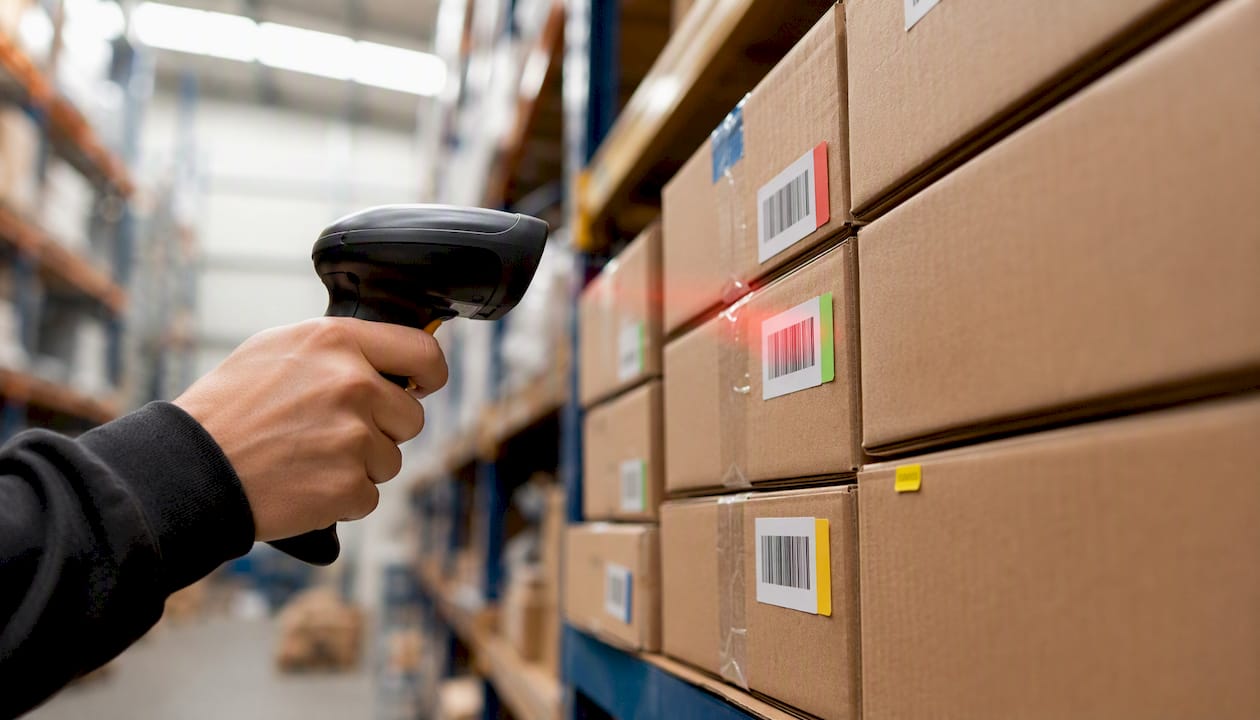
Or-ner’s freight booking and fulfillment platform integrates real-time tracking, exception management, and customs clearance documentation in one place, which is the kind of visibility that separates a managed logistics relationship from a series of one-off transactions.
Or-ner gives you a verified alternative with a clear path to a quote
If you searched for a specific company and aren’t confident in what you found, Or-ner offers a direct, verified alternative for U.S. shippers who need freight booking, warehousing, fulfillment, and customs clearance without the verification uncertainty.
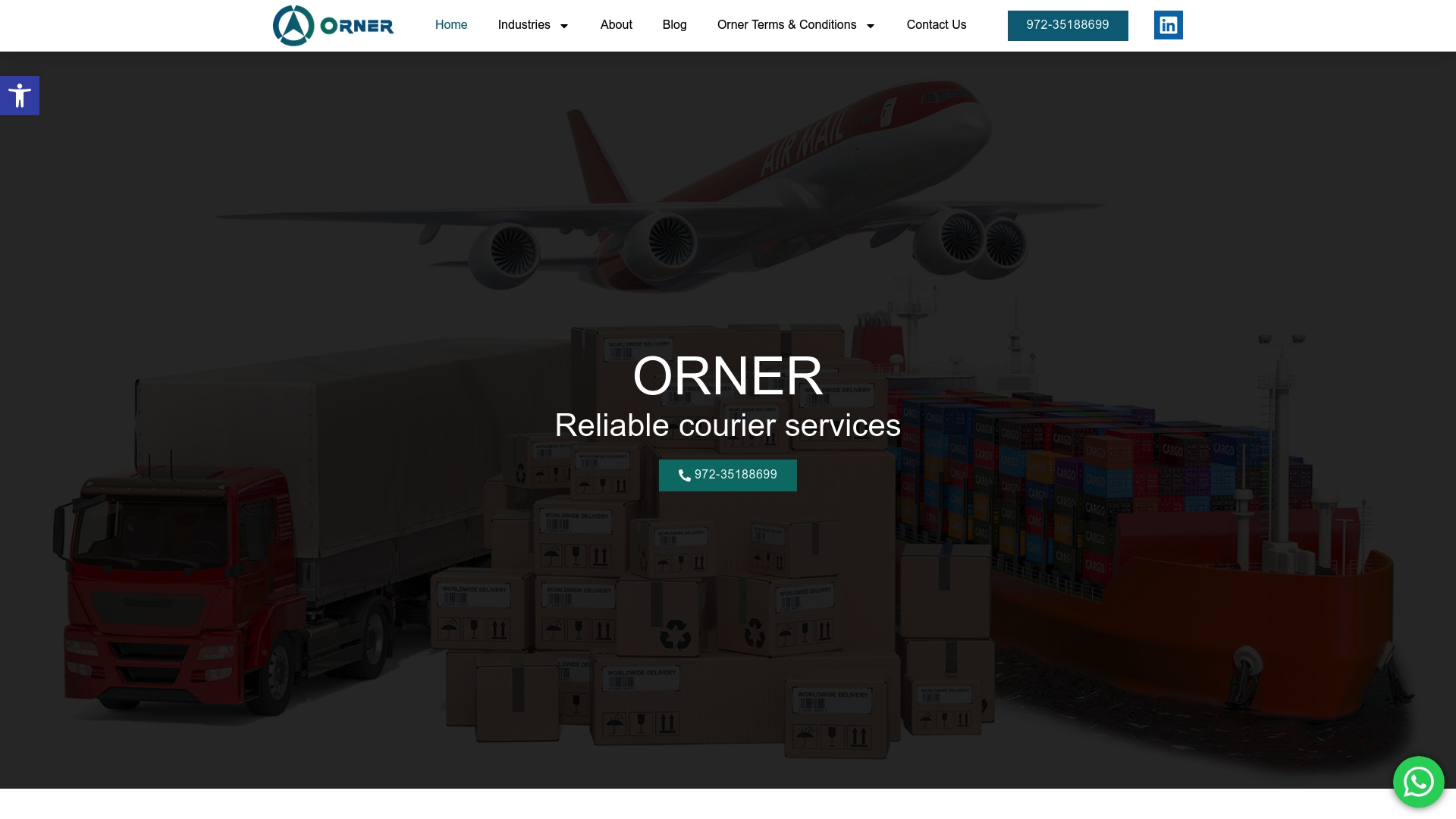
Or-ner’s platform covers the full service stack: ocean and air freight forwarding, bonded warehousing, pick-and-pack fulfillment, real-time shipment tracking, and customs documentation, all accessible through a single interface. It integrates with Amazon and other major ecommerce platforms, and every service comes with documented SLAs and transparent pricing.
- Freight booking across ocean, air, and land modes
- Bonded and standard warehousing with inventory accuracy tracking
- Customs clearance and documentation support
- Real-time tracking with exception alerts
Request a quote directly through Or-ner’s reliable courier services page or use the freight booking checklist to prepare your shipment details before you reach out.
Sources
These primary references back the standards and tracking guidance in this article:
FAQ
What is a global logistics service?
A global logistics service manages the movement, storage, and customs clearance of goods across international borders, combining freight forwarding, warehousing, and documentation into a coordinated supply chain solution.
How do I track a Scan Global Logistics shipment?
Enter your AWB, HAWB, or MBL number into the Scan Global Logistics tracking tool or log into the mySGL portal for full milestone visibility; a centralized aggregator works when the shipment has changed carriers mid-route.
What is GTL in logistics?
GTL stands for Global Transport Label, a standardized shipping label format aligned with VDA 4994 and the Odette LL08 profile that uses SSCC18 or ISO Licence Plate barcodes to enable automated goods receipt and six-year traceability in OEM supply chains.
What company is Global Logistics?
“Global logistics” is a generic industry term, not a single company name. If you searched for a specific firm called Global Service Logistics, verify their DOT/MC number on the FMCSA SAFER database and confirm their physical address before engaging.
How do I request a quote from a logistics provider?
Prepare your shipment details (origin, destination, freight mode, weight, dimensions, and commodity type), then contact the provider by phone or online form. Or-ner’s freight booking checklist walks through exactly what information to have ready.