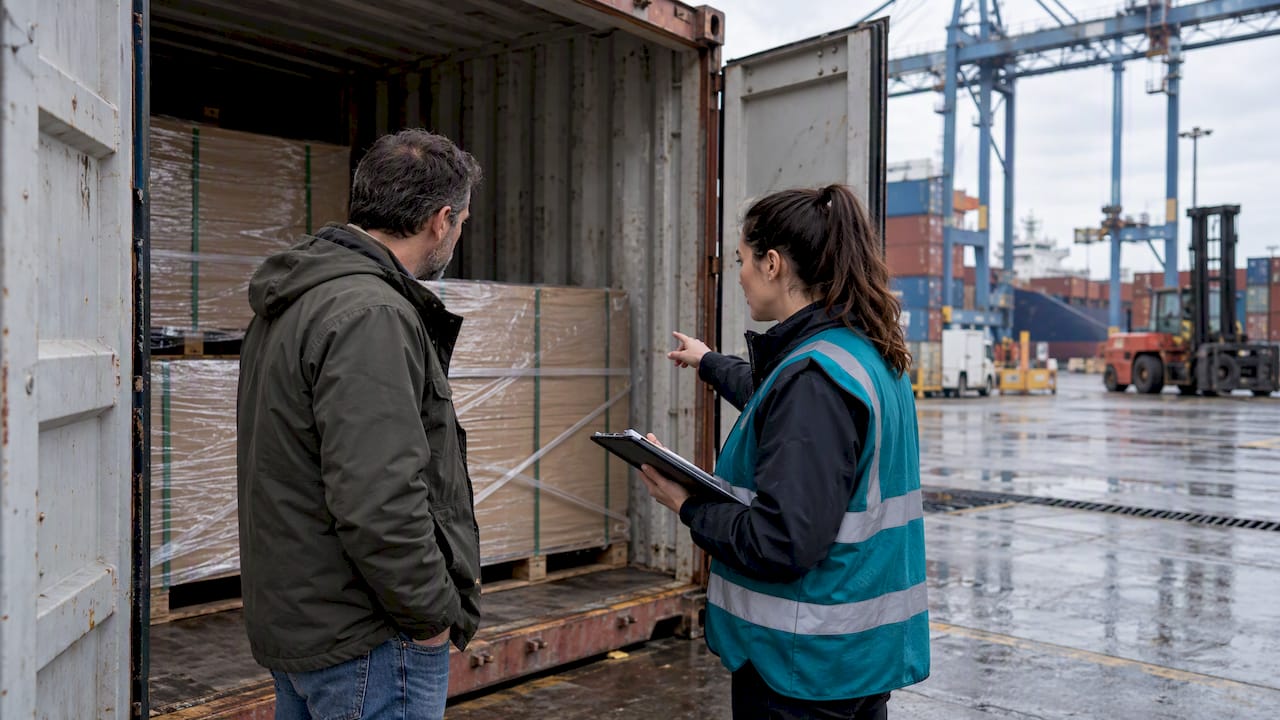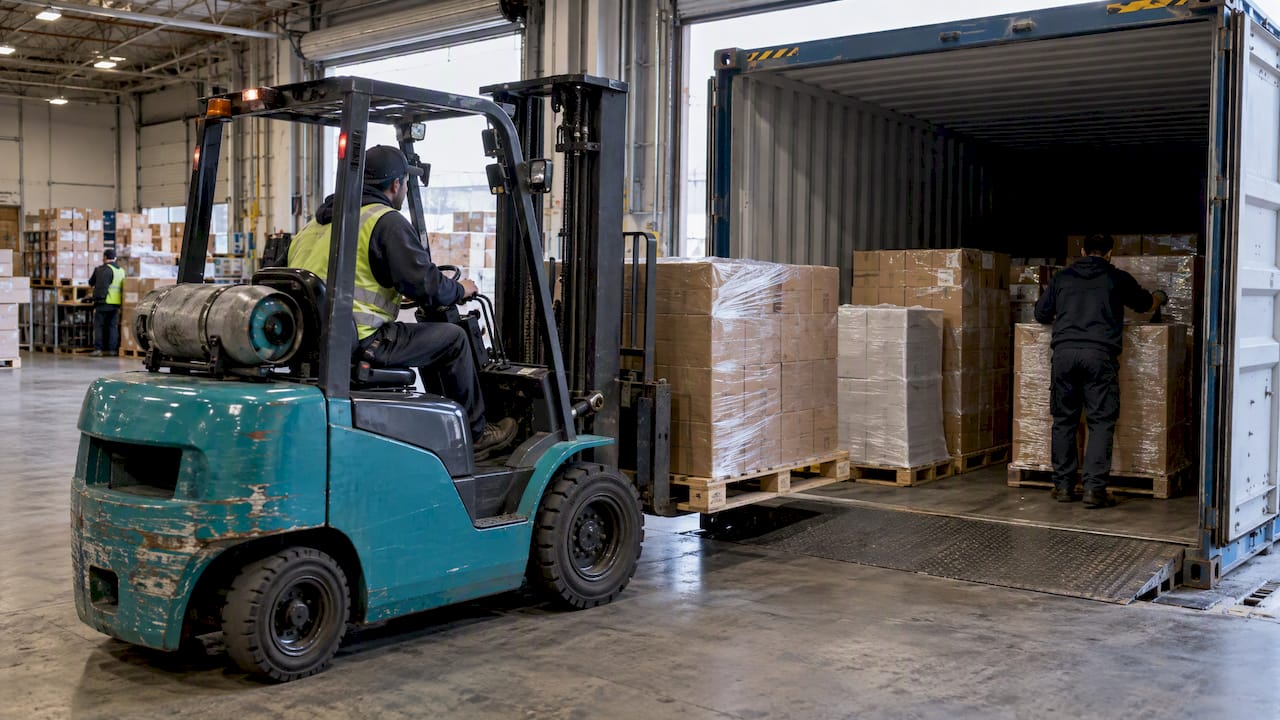
Shipping delays are not just a headache for ecommerce businesses. They can ripple out and affect everything from customer reviews to revenue. But most people overlook that global transportation capacity plummeted during the COVID-19 pandemic, causing port congestion and major shortages. And yet, a shipping delay is rarely the result of a single issue. Instead, every late delivery tells a story about a web of complex problems that stretch across borders and industries.
Table of Contents
- Defining Shipping Delays: A Comprehensive Understanding
- Factors Influencing Shipping Delays in Ecommerce
- The Impact of Global Events on Shipping Timelines
- Understanding Logistics and Supply Chain Interruptions
- Strategies to Mitigate Shipping Delays for Businesses
Quick Summary
| Takeaway | Explanation |
|---|---|
| Understanding shipping delays is complex | Numerous factors affect shipping timelines, including operational, environmental, and regulatory influences. |
| Develop contingency plans for logistics | Businesses should have strategies to manage potential disruptions effectively across different transportation modes. |
| Focus on supply chain diversification | Reducing dependence on single suppliers or routes can minimize disruption risks and enhance reliability. |
| Leverage technology for logistics management | Implementing real-time tracking and predictive analytics helps anticipate and mitigate potential shipping delays. |
| Adapt to external global changes | Global events and their impacts on logistics require continual adjustments and innovations in shipping strategies. |
Defining Shipping Delays: A Comprehensive Understanding
Shipping delays represent interruptions or unexpected extended timeframes in the transportation and delivery of goods from their origin point to their final destination. Understanding what causes shipping delays requires examining multiple interconnected factors that can disrupt the intricate logistics and supply chain processes.
The Fundamental Nature of Shipping Delays
At its core, a shipping delay occurs when cargo or packages do not arrive within the originally projected or promised timeframe. These interruptions can happen at various stages of transportation, ranging from initial pickup to final delivery. Learn more about freight forwarding complexities which often contribute to potential shipping challenges.
Key characteristics of shipping delays include:
- Deviation from originally estimated delivery timelines
- Unexpected stoppage or significant slowdown in transit
- Disruption of planned logistical workflows
- Potential financial and operational consequences for businesses
Complexity of Shipping Delay Mechanisms
Shipping delays are rarely straightforward or caused by a single factor. They emerge from a complex interaction of operational, environmental, technological, and human elements. These interruptions can stem from infrastructure limitations, transportation network constraints, regulatory requirements, weather conditions, and unexpected operational challenges.
Understanding shipping delays requires recognizing their multifaceted nature. No single solution can universally prevent all potential disruptions, which makes proactive management and adaptive strategies crucial for logistics professionals. Businesses must develop robust contingency plans that anticipate and mitigate potential delay risks across different transportation modes and global regions.
Factors Influencing Shipping Delays in Ecommerce
Shipping delays in ecommerce represent a complex interplay of multiple interconnected factors that can significantly impact product transportation and customer satisfaction. Understanding these diverse influences helps businesses develop strategic approaches to minimize disruptions and optimize logistics performance.
Operational and Infrastructure Challenges
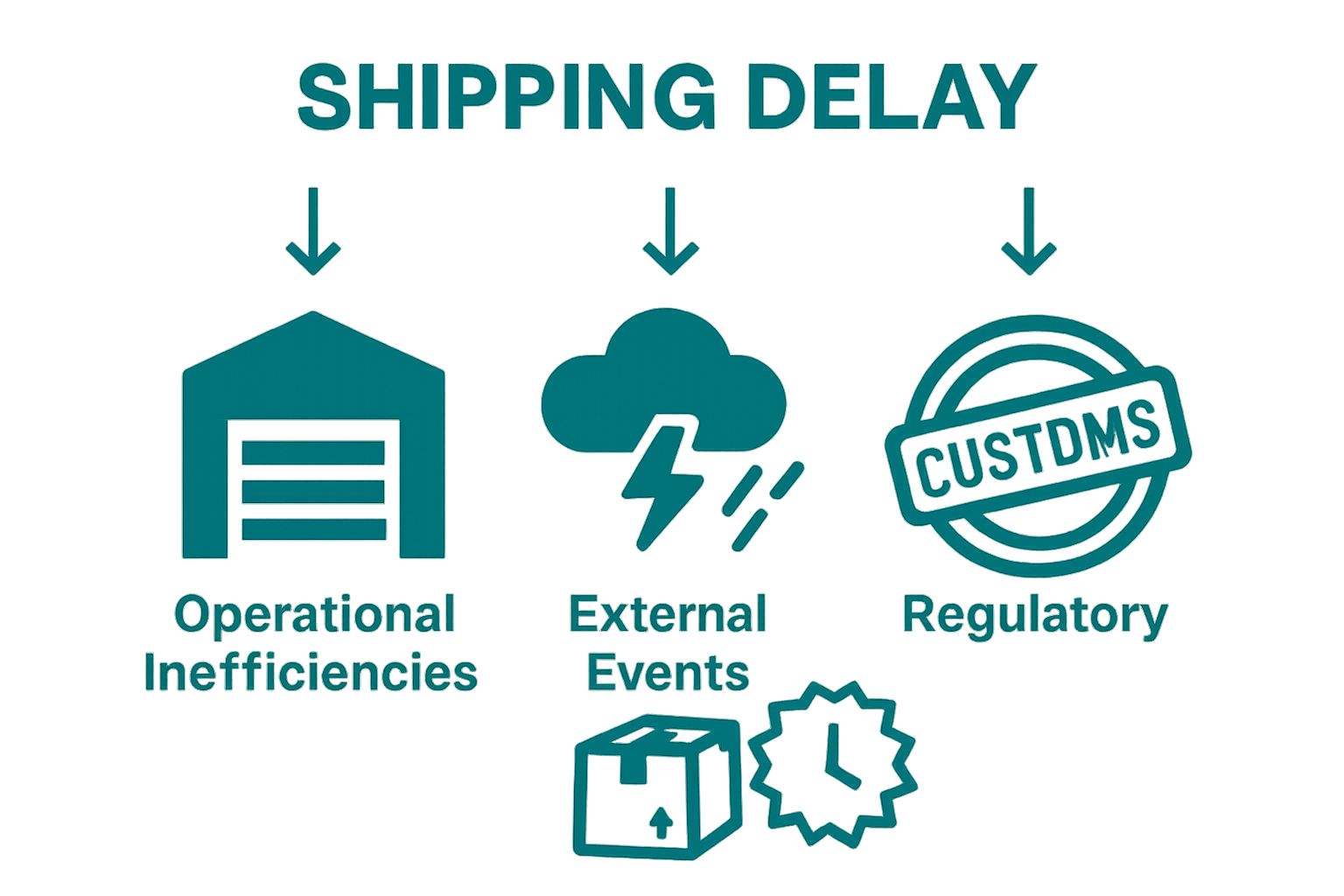
Operational inefficiencies form a substantial component of shipping delays. Transportation networks, warehousing systems, and logistical workflows can create bottlenecks that interrupt smooth cargo movement. Explore strategies for just in time delivery to understand how precise operational management can mitigate potential disruptions.
Key operational factors contributing to shipping delays include:
- Inadequate inventory management systems
- Poor route planning and transportation scheduling
- Limited warehouse capacity and storage constraints
- Inefficient order processing mechanisms
- Complex customs clearance procedures
External Environmental and Regulatory Factors
External elements beyond direct operational control significantly impact shipping timelines. Weather conditions, geopolitical events, regulatory changes, and global supply chain disruptions can create unexpected challenges for ecommerce logistics.
According to research from the United Nations Conference on Trade and Development, inefficiencies in transportation and logistics systems substantially increase trade costs and shipping complexities. These systemic challenges require comprehensive strategies that anticipate potential disruptions and build resilient supply chain networks capable of adapting to dynamic global conditions.
Businesses must recognize that shipping delays are rarely isolated incidents but rather symptoms of broader logistical ecosystem challenges.
The table below organizes the key operational, environmental, and regulatory factors influencing shipping delays in ecommerce, helping clarify how each component contributes to disruption risk.
| Factor Category | Example Factors | Impact on Shipping Delays |
|---|---|---|
| Operational Challenges | Inadequate inventory management, poor route planning, limited warehouse capacity | Causes bottlenecks, increases transit times |
| Infrastructure Issues | Storage constraints, inefficient order processing | Slows fulfillment and increases delays |
| Environmental Events | Severe weather, natural disasters | Interrupts transportation network operations |
| Regulatory Barriers | Complex customs procedures, changing global trade regulations | Delays cross-border shipments significantly |
| External Disruptions | Geopolitical conflicts, global supply chain disturbances | Introduces unpredictability and extra delays |
The Impact of Global Events on Shipping Timelines
Global events can dramatically transform shipping landscapes, creating unprecedented challenges for logistics networks and international trade. These complex disruptions extend far beyond simple transportation obstacles, fundamentally reshaping how businesses manage product movement and supply chain strategies.
Pandemic Era Shipping Transformations
The COVID-19 pandemic represented a watershed moment in global shipping dynamics. Explore international parcel shipping solutions that adapt to changing global conditions. Transportation networks experienced massive reconfiguration as lockdowns, workforce reductions, and health protocols created significant logistical constraints.
Key pandemic shipping disruption characteristics included:
- Reduced global transportation capacity
- Dramatic shifts in consumer purchasing behaviors
- Unprecedented port congestion and container shortages
- Increased reliance on digital logistics management
- Complex workforce management challenges
Geopolitical Conflicts and Trade Disruptions
Geopolitical tensions and regional conflicts introduce substantial complexity into global shipping ecosystems. According to research from the United Nations Conference on Trade and Development, simultaneous disruptions in critical shipping routes can create cascading effects across international trade networks.
These global events demonstrate that shipping timelines are not merely technical challenges but complex systems deeply interconnected with broader economic, political, and social dynamics.
This table compares the major impacts of pandemic-era disruptions versus geopolitical conflicts on global shipping, aiding readers in distinguishing their unique and overlapping influences.
| Disruption Type | Primary Characteristics | How It Impacts Shipping Timelines |
|---|---|---|
| Pandemic Era Disruption | Reduced transportation capacity, port congestion, workforce shortages | Increases shipping times and backlogs |
| Geopolitical Conflicts | Route blockages, increased regulations, regional instability | Creates unpredictable delays and reroutes |
| Both | Shifts in demand, supply chain instability, resource shortages | Require continuous adaptation and resilience |
| Modern logistics professionals must develop adaptive strategies that anticipate and respond to rapid, unpredictable global transformations. Resilience, technological flexibility, and comprehensive risk management have become essential competencies in navigating increasingly volatile international shipping environments. |

Understanding Logistics and Supply Chain Interruptions
Logistics and supply chain interruptions represent complex systemic challenges that can dramatically impact product movement, business operations, and overall economic performance. These disruptions emerge from intricate interactions between technological, human, and environmental factors that create significant obstacles in global transportation networks.
Root Causes of Supply Chain Disruptions
Supply chain interruptions stem from multifaceted sources that extend beyond simple mechanical failures. Learn about freight forwarding benefits to understand how strategic logistics management can mitigate potential risks. These disruptions often result from interconnected vulnerabilities across transportation, production, and distribution systems.
Key systemic vulnerabilities include:
- Fragmented communication networks
- Over-reliance on single sourcing strategies
- Limited technological infrastructure
- Insufficient risk management protocols
- Complex regulatory environments
Technological and Infrastructural Challenges
According to research from the U.S. Government Accountability Office, supply chain disruptions frequently originate from intricate interactions between manufacturing facilities, transportation networks, and labor dynamics. Technological limitations and infrastructure constraints create significant bottlenecks that impede smooth logistics operations.
Modern supply chains require holistic approaches that integrate advanced technological solutions, predictive analytics, and adaptive management strategies. Businesses must develop resilient systems capable of quickly responding to unexpected disruptions, transforming potential vulnerabilities into opportunities for strategic optimization. The future of logistics management demands continuous innovation, flexible infrastructure, and comprehensive risk assessment methodologies.
Strategies to Mitigate Shipping Delays for Businesses
Addressing shipping delays requires a comprehensive and proactive approach that combines technological innovation, strategic planning, and adaptive management techniques. Businesses must develop robust systems that anticipate potential disruptions and create flexible response mechanisms to maintain operational efficiency.
Strategic Supply Chain Diversification
Explore essential courier services for small businesses to understand how targeted logistics partnerships can enhance shipping reliability. Supply chain diversification represents a critical strategy for minimizing potential disruption risks by reducing dependence on single transportation networks or suppliers.
Key strategic diversification approaches include:
- Developing multiple supplier relationships
- Implementing geographic supplier distribution
- Creating redundant transportation route options
- Establishing alternative logistics partnerships
- Building flexible inventory management systems
Technological and Operational Optimization
According to research from national business strategies, small businesses can significantly mitigate shipping challenges by embracing technological solutions and developing strategic partnerships. Advanced analytics, real-time tracking systems, and predictive modeling enable businesses to anticipate potential disruptions before they escalate.
Successful shipping delay mitigation demands a holistic approach that integrates technological capabilities, strategic planning, and continuous operational refinement. Modern businesses must view shipping challenges as dynamic opportunities for innovation rather than insurmountable obstacles. By developing adaptive strategies, investing in technological infrastructure, and maintaining flexible logistics networks, organizations can transform potential shipping vulnerabilities into competitive advantages.
Stop Letting Shipping Delays Harm Your Business Growth
Navigating shipping delays is tough for any ecommerce seller. Missed delivery windows, unexpected hold-ups, and a lack of real-time updates shake customer trust and drain your resources. If you have experienced the pain of broken supply chain links, customs slowdowns, or bottlenecks in your fulfillment process, you are not alone. Consistent setbacks can threaten your reputation and cost you sales. Reliable courier services and end-to-end logistics support are essential for overcoming these disruptions and winning back customer confidence.
Why risk another late delivery or lost package? Take control of your logistics with reliable courier services designed for ecommerce sellers and brands that demand results. Our platform offers real-time tracking, integrated freight solutions, warehousing, and advanced inventory management. Simplify your workflow and guarantee timely deliveries—visit https://or-ner.com and start building a smarter, more dependable supply chain. Your customers expect reliability. Now you can deliver.
Frequently Asked Questions
What are the common causes of shipping delays?
Shipping delays can occur due to various factors, including operational inefficiencies, weather conditions, geopolitical events, customs clearance issues, and unexpected logistical challenges.
How can businesses minimize shipping delays?
Businesses can minimize shipping delays by diversifying their supply chains, implementing advanced technology for tracking and analytics, optimizing inventory management, and developing contingency plans for potential disruptions.
What role do global events play in shipping delays?
Global events, such as pandemics and geopolitical conflicts, can significantly disrupt shipping timelines. These events often create unforeseen challenges like port congestion and changes in transportation capacity, affecting the overall logistics network.
How do operational challenges impact shipping efficiency?
Operational challenges, such as inadequate route planning, limited warehouse capacity, and inefficient order processing, can cause bottlenecks that hinder smooth cargo movement, leading to shipping delays.