
Just in time delivery is rewriting the playbook for how companies handle their inventory and orders. Big brands have already shown that some have cut inventory costs by up to 50 percent with this approach. Yet, it is not all smooth sailing. Many businesses using just in time faced huge setbacks when global supply chains faltered. What most people miss is that the biggest wins in 2025 will not come from speed, but from building smart systems that can survive uncertainty and keep goods moving no matter what happens next.
Table of Contents
- Understanding Just In Time Delivery Methods
- Benefits And Risks For Ecommerce And Brands
- Best Practices For Implementing JIT Delivery
- Trends Shaping Just In Time Delivery In 2025
Quick Summary
| Takeaway | Explanation |
|---|---|
| Demand Precision | Businesses should produce or procure materials exactly when required to minimize inventory and waste, crucial for effective JIT delivery. |
| Technological Integration | Leveraging advanced technologies, such as IoT and predictive analytics, is essential for optimizing supply chains and improving resource utilization. |
| Robust Risk Management | Developing comprehensive contingency plans and maintaining diversified supplier networks can help mitigate risks associated with supply chain disruptions. |
| Sustainability Initiatives | Companies need to incorporate sustainable practices in their JIT strategies, such as reducing transportation emissions and optimizing route planning. |
| Continuous Improvement | Adopt continuous assessment and refinement of processes to enhance operational efficiency and remain competitive in the evolving logistics landscape. |
Understanding Just in Time Delivery Methods
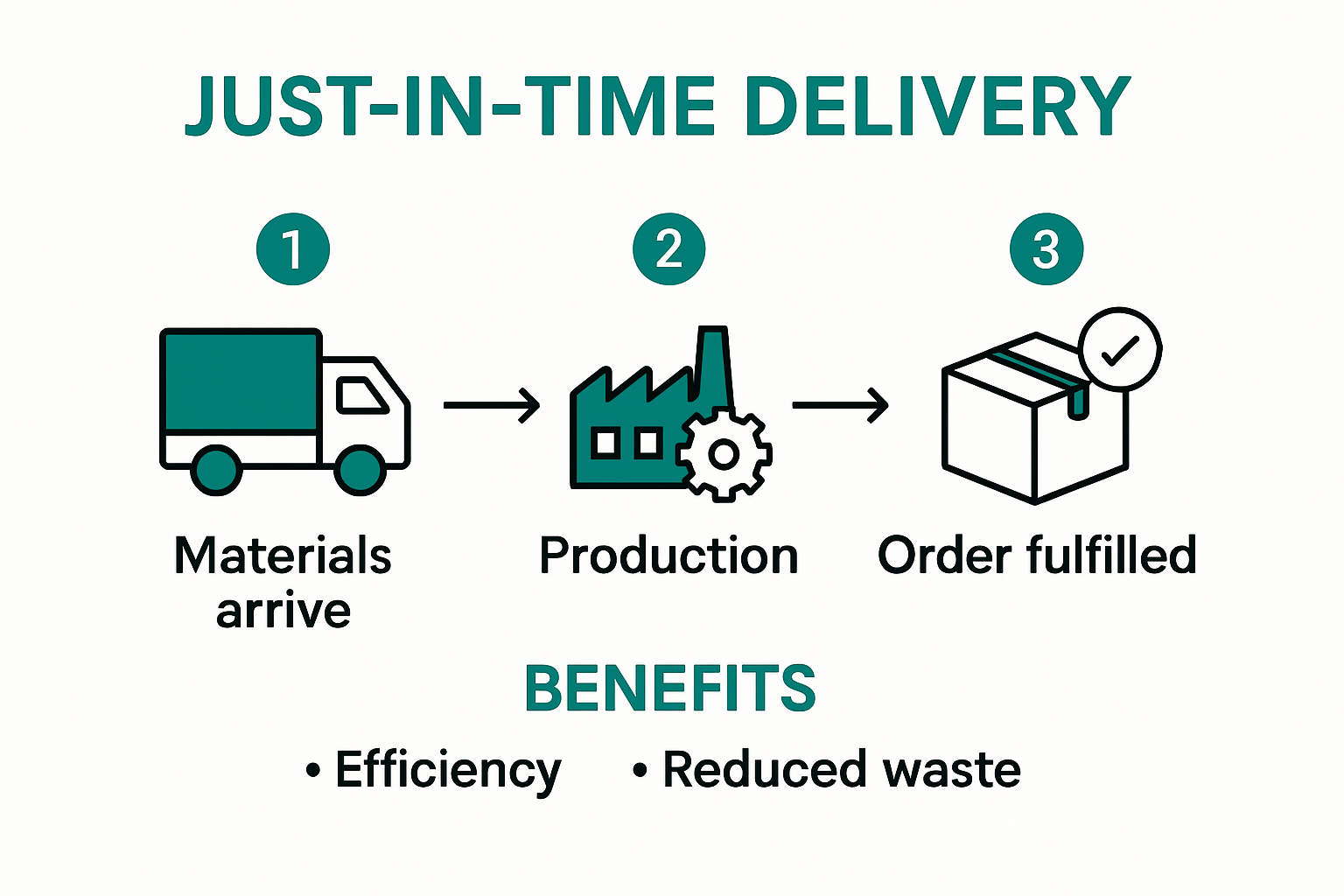
Just in time delivery represents a strategic approach to inventory management that transforms how businesses handle product flow and supply chain operations. At its core, this method focuses on receiving goods precisely when they are needed in the production process, minimizing inventory holding costs and reducing waste.
The Fundamental Mechanics of JIT Delivery
The fundamental mechanics of just in time delivery revolve around precise timing and coordination. According to research from the University of Warwick, modern JIT systems increasingly leverage Internet-of-Things (IoT) technologies and autonomous guided vehicles to optimize material delivery. These advanced systems enable manufacturers to synchronize production schedules with immediate material requirements, dramatically reducing inventory storage expenses.
Key operational principles include:
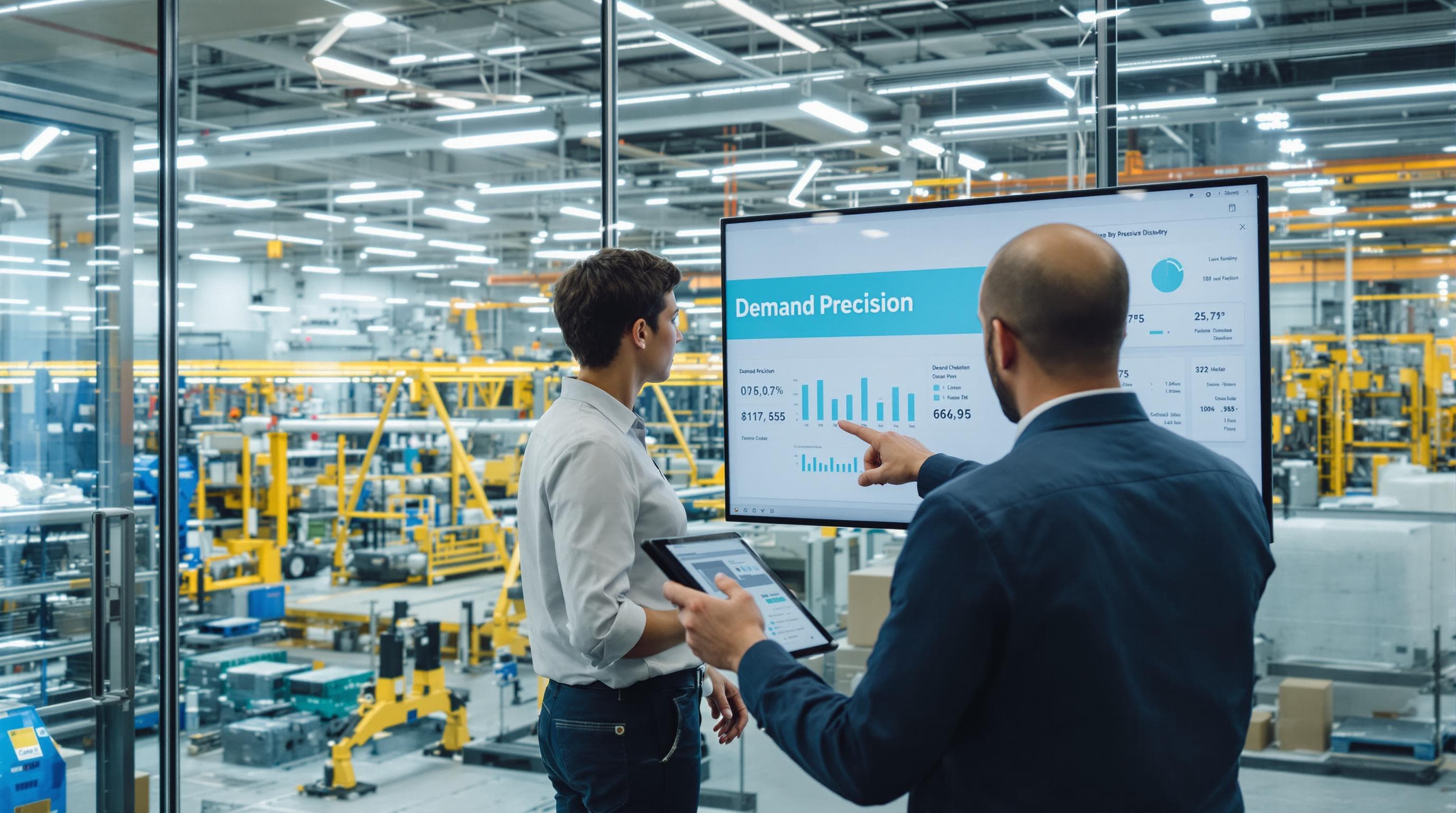
- Demand Precision: Producing or procuring materials exactly when required
- Minimal Inventory: Keeping stock levels extremely low
- Rapid Response: Quickly adapting to changing production needs
Technological Integration and Performance Optimization
Technological advancements are revolutionizing just in time delivery methods. Healthcare inventory management research demonstrates how sophisticated tracking and coordination systems can significantly improve resource utilization. By implementing predictive analytics and real-time monitoring, businesses can create more responsive and efficient supply chains.
The integration of advanced technologies like machine learning algorithms and IoT sensors allows companies to:
- Predict Demand: Accurately forecast material requirements
- Monitor Supply Chains: Track inventory movement in real time
- Optimize Logistics: Reduce lead times and minimize disruptions
Navigating Uncertainty in JIT Systems
Despite its advantages, just in time delivery presents complex challenges. Mathematical modeling research highlights the critical importance of managing lead time uncertainties. Successful implementation requires robust planning, strong supplier relationships, and flexible operational strategies.
Businesses must develop comprehensive risk management approaches that account for potential supply chain disruptions. This involves creating multiple contingency plans, maintaining alternative supplier networks, and investing in predictive technologies that can quickly adapt to changing market conditions.
For professionals seeking to optimize their logistics operations, exploring advanced courier solutions can provide additional insights into implementing effective just in time delivery strategies.
By understanding these intricate methodologies, organizations can transform their supply chain management, reducing costs while maintaining exceptional operational efficiency.
Benefits and Risks for Ecommerce and Brands
Just in time delivery presents a complex landscape of opportunities and challenges for ecommerce businesses and brands seeking to optimize their supply chain strategies. Understanding the nuanced dynamics can help organizations make informed decisions that balance operational efficiency with customer satisfaction.
Strategic Advantages in Modern Retail
Just in time delivery offers significant strategic advantages for online retailers. According to research from the Journal of Retailing, faster delivery times can dramatically increase customer engagement and purchasing behavior. By minimizing inventory holding costs and reducing waste, brands can allocate resources more effectively and respond rapidly to market demands.
Key strategic benefits include:
- Cost Reduction: Minimizing warehouse storage expenses
- Flexibility: Quickly adapting to changing consumer preferences
- Inventory Management: Reducing capital tied up in unsold products
To help you compare the benefits and challenges of JIT delivery for ecommerce and brands, the following table summarizes the key points outlined in this section:
| Aspect | Benefits | Risks/Challenges |
|---|---|---|
| Cost Efficiency | Lowers warehouse and storage expenses | Economic loss in case of supply chain disruptions |
| Flexibility | Quick adaptation to market and consumer changes | May struggle with sudden spikes in demand |
| Inventory Management | Reduces capital tied up in unsold inventory | Higher risk of stockouts |
| Environmental Impact | Can reduce waste with efficient planning | Increased CO2 emissions from expedited/partial shipments |
| Customer Experience | Faster delivery increases satisfaction and engagement | Service interruptions can impact brand reputation |
Environmental and Operational Challenges
However, the implementation of just in time delivery is not without significant challenges. Research from the Journal of Cleaner Production reveals that expedited shipping can lead to increased CO2 emissions due to more frequent dispatches and underutilized truck capacities. This environmental consideration presents a critical dilemma for brands committed to sustainability.
Operational risks are equally important. Analysis from CTRM Center highlights that JIT systems can be extremely vulnerable to supply chain disruptions. The COVID-19 pandemic demonstrated how a single interruption could potentially halt entire production processes, leading to significant economic losses.
Mitigating Risks and Maximizing Performance
Successful implementation of just in time delivery requires a strategic approach to risk management. Ecommerce brands must develop robust contingency plans that address potential supply chain vulnerabilities. This involves creating diversified supplier networks, investing in predictive technologies, and maintaining flexible logistics infrastructure.
Businesses can enhance their JIT strategies by:
- Developing Multiple Supplier Relationships: Reducing dependency on single sources
- Implementing Advanced Tracking Technologies: Enabling real-time supply chain visibility
- Creating Comprehensive Contingency Plans: Preparing for potential disruptions
For brands looking to optimize their logistics approach, exploring reliable courier services can provide additional insights into effective delivery strategies.
By carefully balancing the potential benefits against inherent risks, ecommerce businesses can transform just in time delivery from a challenging logistics approach into a competitive advantage that drives growth and customer satisfaction.
Best Practices for Implementing JIT Delivery
Implementing just in time (JIT) delivery requires a strategic and comprehensive approach that goes beyond simple inventory management. Successful implementation demands careful planning, technological integration, and organizational commitment to transforming traditional supply chain processes.
Mapping and Process Optimization
Research from Kaizen emphasizes the critical importance of mapping existing processes to identify improvement opportunities. Organizations must conduct thorough process audits, analyzing current workflows to pinpoint inefficiencies and potential bottlenecks that could compromise JIT delivery effectiveness.
Key process optimization strategies include:
- Value Stream Mapping: Identifying and eliminating non-value-adding activities
- Workflow Standardization: Creating consistent and repeatable processes
- Continuous Improvement: Implementing ongoing assessment and refinement mechanisms
The table below summarizes the essential best practices for JIT delivery implementation discussed in this section:
| Area | Best Practice | Objective |
|---|---|---|
| Process Optimization | Value stream mapping | Identify & remove non-value-adding steps |
| Workflow standardization | Ensure consistent and repeatable execution | |
| Continuous improvement | Enable ongoing assessment & refinement | |
| Technology Integration | ERP software & automated inventory systems | Improve precision & coordination |
| IoT sensors | Real-time tracking and accuracy | |
| Supplier Management | Diversified supplier network | Reduce single-source dependency |
| Clear communication with partners | Build transparency and fast response | |
| Risk Management | Contingency planning | Prepare for supply chain disruptions |
Technology and Automation Integration
Adobe Business insights highlight the transformative role of technology in JIT delivery implementation. Modern businesses must leverage advanced technological solutions to create responsive and agile supply chain systems.
Critical technological investments include:
- Enterprise Resource Planning (ERP) Software: Coordinating cross-functional operations
- IoT Sensors: Enabling real-time tracking and monitoring
- Automated Inventory Management Systems: Reducing human error and increasing precision
Supplier Relationship and Risk Management
Global supply chain research underscores the paramount importance of building robust supplier relationships and developing comprehensive risk mitigation strategies. Successful JIT delivery depends on creating transparent, trust-based partnerships with suppliers and maintaining flexible contingency plans.
Effective risk management approaches involve:
- Diversified Supplier Networks: Reducing dependency on single sources
- Clear Communication Protocols: Establishing transparent expectations and reporting mechanisms
- Contingency Planning: Developing alternative sourcing and logistics strategies
For organizations seeking to enhance their logistics capabilities, exploring reliable courier services can provide additional strategic insights.
Successful JIT delivery implementation is not a one-time event but a continuous journey of optimization, technological adaptation, and strategic collaboration. By embracing these best practices, businesses can create more responsive, efficient, and competitive supply chain ecosystems that adapt quickly to changing market demands.
Trends Shaping Just in Time Delivery in 2025
As we approach 2025, the landscape of just in time delivery is undergoing unprecedented transformation, driven by technological innovation, changing consumer expectations, and global economic shifts. Organizations must stay ahead of emerging trends to maintain competitive advantage and operational efficiency.
Digital Transformation and Advanced Analytics
Research from the U.S. Government Accountability Office highlights the critical role of digital supply chain management in reshaping logistics strategies. Advanced data analytics are becoming fundamental to predicting demand, optimizing inventory, and creating more responsive delivery systems.
Key digital transformation trends include:
- Artificial Intelligence: Enhancing demand forecasting accuracy
- Machine Learning: Predicting potential supply chain disruptions
- Real-Time Data Tracking: Enabling instantaneous decision-making
Sustainability and Green Logistics
Environmental considerations are increasingly driving just in time delivery strategies. Companies are moving beyond cost efficiency to incorporate sustainable practices that reduce carbon footprints and meet growing consumer expectations for eco-friendly operations.
Sustainability initiatives encompass:
- Electric Vehicle Fleets: Reducing transportation emissions
- Optimized Route Planning: Minimizing unnecessary transportation
- Carbon Neutral Shipping: Implementing offset programs
Resilience and Risk Mitigation
The global disruptions of recent years have underscored the importance of building robust, adaptable logistics systems. Organizations are developing more sophisticated risk management strategies that prioritize flexibility and rapid response capabilities.
Risk mitigation approaches involve:
- Diversified Supplier Networks: Creating geographic redundancies
- Advanced Contingency Planning: Preparing for potential disruptions
- Technological Redundancy: Implementing backup systems
For businesses looking to stay competitive, exploring advanced courier solutions can provide crucial insights into emerging logistics technologies.
The future of just in time delivery is not just about speed and efficiency, but about creating intelligent, sustainable, and resilient supply chain ecosystems that can adapt to an increasingly complex global marketplace. Organizations that embrace these trends will be well-positioned to thrive in the evolving logistics landscape of 2025 and beyond.
Frequently Asked Questions
What is Just in Time (JIT) delivery?
Just in Time (JIT) delivery is a strategic inventory management method that focuses on receiving goods precisely when needed in the production process, minimizing inventory costs and waste.
What are the main benefits of implementing JIT delivery?
The main benefits of JIT delivery include cost reduction through minimized warehouse expenses, increased flexibility to adapt to market demands, improved inventory management by reducing capital tied up in unsold products, and enhanced customer satisfaction due to faster delivery times.
What challenges do businesses face with JIT delivery?
Businesses may encounter challenges such as supply chain disruptions that can halt production, increased environmental impact from expedited shipping, and higher risks of stockouts due to low inventory levels.
How can companies mitigate risks in JIT delivery?
Companies can mitigate risks by developing diversified supplier networks, investing in predictive technologies, and creating robust contingency plans to prepare for potential supply chain disruptions.
Bridge the Gap Between JIT Ambitions and Real-World Results
Are you worried about the risks hidden in your just in time delivery strategy? The article made it clear that brands tied to JIT are vulnerable to supply chain interruptions, surprise stockouts, and missed growth opportunities. If you want to keep costs low but are anxious about fragile supplier connections or inconsistent visibility, it is time to partner with a logistics platform that removes uncertainty and delivers reliability.
Let Reliable courier services help you scale JIT success without stress. Our platform gives you complete transparency, automation, and real-time tracking for every shipment. You also get access to global freight booking, cross-border warehousing, and end-to-end fulfillment solutions made for modern ecommerce and wholesale needs. Take action now and turn just in time delivery into a lasting competitive advantage. Discover how or-ner.com can optimize your supply chain today.
Recommended
- Reliable Courier Services in the USA – ORNER
- Essential courier services for small businesses – ORNER
- Reliable Courier Services in the UK: Your Guide to Parcel Delivery – ORNER
- International Parcel Shipping – Custom Solutions & Affordable Rates
- 2025 Best Practices for Project Management Success – Peuneo
- Why Digital Marketing Matters for Small Businesses in 2025 | Ibrandmedia