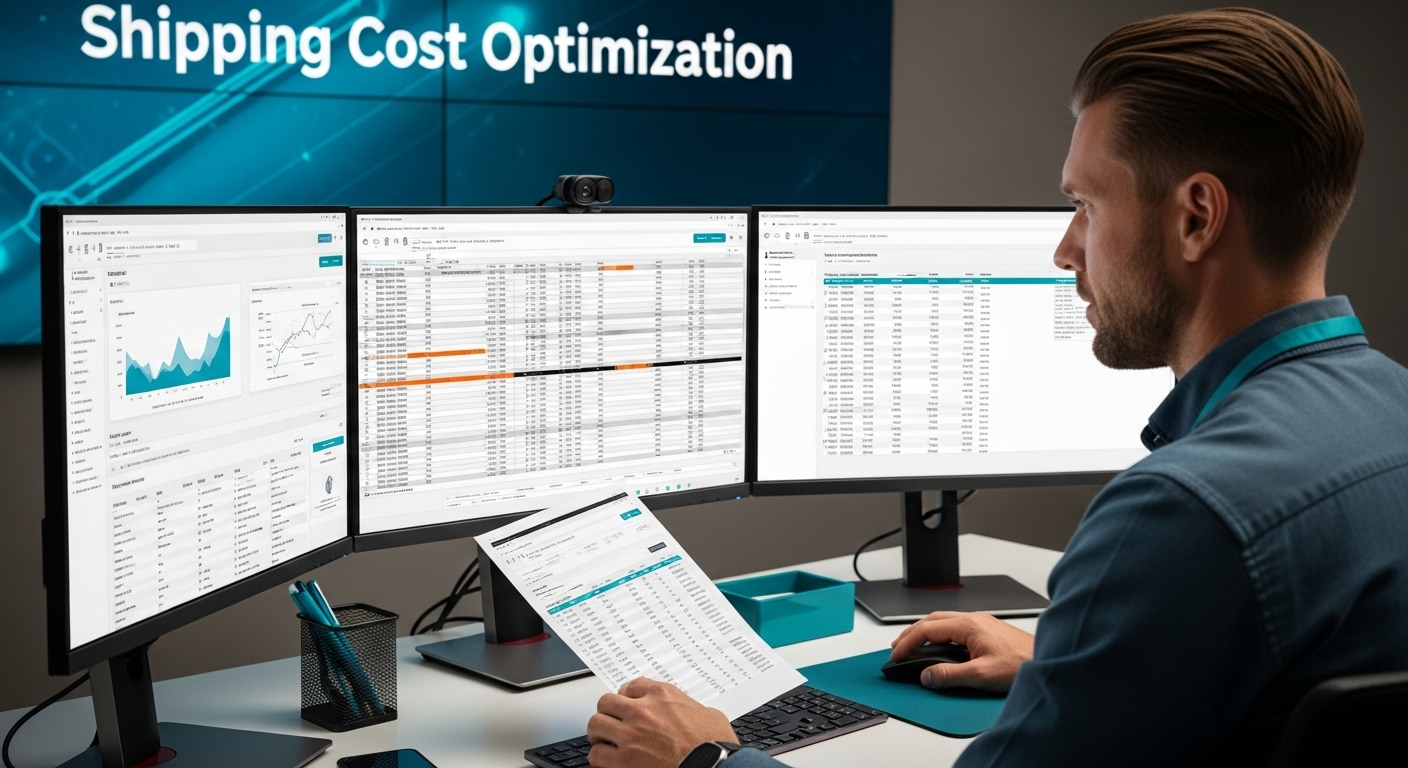
Shipping expenses can quietly chip away at your profit margins unless you take a closer look. Most businesses miss the hidden costs, like dimensional weight fees and surcharges that can add up to 30 percent extra to your bill. Cutting those numbers is not about shipping less or sacrificing speed, but about using smarter strategies that many overlook.
Table of Contents
- Step 1: Analyze Your Current Shipping Rates And Providers
- Step 2: Compare Shipping Options And Services
- Step 3: Implement Packaging Optimization Techniques
- Step 4: Negotiate Rates With Carriers
- Step 5: Utilize Technology For Monitoring And Adjustments
Quick Summary
| Key Point | Explanation |
|---|---|
| 1. Analyze shipping rates and providers | Gather detailed shipping data to identify cost inefficiencies and potential savings opportunities. |
| 2. Compare options for cost and reliability | Evaluate multiple shipping providers based on rates, service quality, and delivery speed for optimal choices. |
| 3. Optimize packaging to reduce costs | Audit your packaging materials to minimize weight and size, enhancing cost efficiency during shipping. |
| 4. Negotiate favorable rates with carriers | Prepare data-driven insights to secure better shipping rates and terms from your carriers. |
| 5. Use technology for ongoing monitoring | Implement advanced shipping analytics tools to continuously assess and refine your shipping operations. |
Step 1: Analyze Your Current Shipping Rates and Providers
Shipping cost optimization begins with a comprehensive assessment of your current logistics landscape. This crucial first step involves gathering detailed insights into your existing shipping infrastructure, identifying potential cost inefficiencies, and establishing a baseline for future improvements. By systematically examining your shipping rates and providers, you can uncover hidden opportunities for significant financial savings.
Start by collecting all existing shipping invoices, contracts, and detailed shipping data from the past 12 months. Compile a comprehensive spreadsheet that captures critical information such as shipping volumes, destinations, carrier rates, surcharges, and average cost per shipment. Look beyond the base rates and examine additional fees like fuel surcharges, residential delivery fees, and dimensional weight pricing. These hidden costs can substantially impact your overall shipping expenses.
Next, conduct a thorough comparative analysis of your current shipping providers. Request rate sheets and negotiate detailed discussions with each carrier. Pay special attention to their service levels, coverage areas, and potential volume discounts. Some businesses discover significant savings by diversifying their shipping providers or consolidating shipments with fewer carriers. Learn more about essential courier services for strategic shipping decisions.
Utilize shipping cost analysis tools and software platforms that can automate rate comparisons and provide granular insights into your shipping expenditures. These technologies can help you identify patterns, predict potential savings, and benchmark your rates against industry standards. Key verification indicators that you have completed this step successfully include:
- A detailed spreadsheet documenting current shipping rates and provider performance
- Comparative analysis of at least three shipping providers
- Documented potential savings opportunities
- Clear understanding of your current shipping cost structure
Remember that shipping cost optimization is an ongoing process. The insights you gather during this initial analysis will serve as a critical foundation for subsequent cost reduction strategies. By thoroughly understanding your current shipping ecosystem, you position your business to make data-driven decisions that can dramatically improve your bottom line.
Below is a checklist table to help ensure you have successfully implemented each step of shipping cost optimization.
| Step | Completion Criteria | Verification Indicator |
|---|---|---|
| Analyze Shipping Rates and Providers | All shipping data compiled and reviewed | Detailed spreadsheet and current cost structure analysis |
| Compare Shipping Options and Services | Completed provider comparison and option selection | Comparison matrix with identified optimal carriers/services |
| Implement Packaging Optimization | Packaging materials and processes evaluated | Reduction in average package weight and dimensional charges |
| Negotiate Rates with Carriers | Carrier negotiations conducted using shipping data | Secured rate reductions and improved contract terms |
| Utilize Technology for Monitoring | Analytics and automation tools implemented | Data-driven insights and ongoing shipping optimization |
Step 2: Compare Shipping Options and Services
Comparing shipping options and services is a strategic process that goes beyond simply selecting the cheapest carrier. This critical step involves a comprehensive evaluation of multiple factors that can significantly impact your overall shipping expenses and operational efficiency. The goal is to find the optimal balance between cost, service quality, and reliability.
Begin by creating a detailed comparison matrix that evaluates each potential shipping provider across multiple dimensions. Consider factors such as shipping rates, delivery speed, geographic coverage, package handling capabilities, tracking systems, and additional services like insurance or specialized handling. Explore our guide to international shipping solutions to understand the nuanced considerations for different shipping scenarios.
Dive deeper into the specific service offerings of each carrier. Some providers offer volume discounts, which can be particularly advantageous for businesses with consistent shipping needs. Investigate hybrid shipping models that combine multiple carrier services to optimize cost and performance. For instance, you might use one carrier for local deliveries and another for long-distance or international shipments. Pay close attention to dimensional weight pricing, which can dramatically affect your shipping costs for larger or irregularly shaped packages.
Utilize digital shipping comparison tools and platforms that provide real-time rate comparisons and service level analyses. These technologies can help you quickly identify the most cost-effective shipping solutions for different package types, destinations, and delivery timeframes. Look for platforms that offer:
- Automated rate comparisons across multiple carriers
- Real-time tracking and performance metrics
- Integrated shipping and label generation tools
- Customizable reporting for shipping expense analysis
Successful completion of this step means you have a comprehensive understanding of available shipping options, their associated costs, and potential strategic advantages. Your comparison should reveal clear insights into which carriers and services align best with your specific business requirements, setting the stage for more targeted shipping cost optimization in subsequent steps.
Use the table below to compare key features and considerations when evaluating different shipping providers or service options.
| Feature | Why It Matters | What to Look For |
|---|---|---|
| Shipping Rates | Direct impact on shipping expenses | Competitive pricing, volume discounts |
| Delivery Speed | Influences customer satisfaction | Multiple delivery timeframes, expedited options |
| Geographic Coverage | Determines where you can ship cost-effectively | Wide coverage, international reach |
| Surcharges & Fees | Hidden costs affecting total spend | Transparent fuel, residential, and dimensional fees |
| Tracking & Reporting | Enables monitoring and analysis | Real-time tracking, robust analytics |
| Package Handling | Ensures safe delivery | Special handling, insurance options |
Step 3: Implement Packaging Optimization Techniques
Packaging optimization represents a strategic approach to reducing shipping costs that many businesses overlook. This critical step focuses on minimizing package dimensions, weight, and material expenses while maintaining product protection. By reimagining your packaging strategy, you can unlock significant savings and improve overall shipping efficiency.
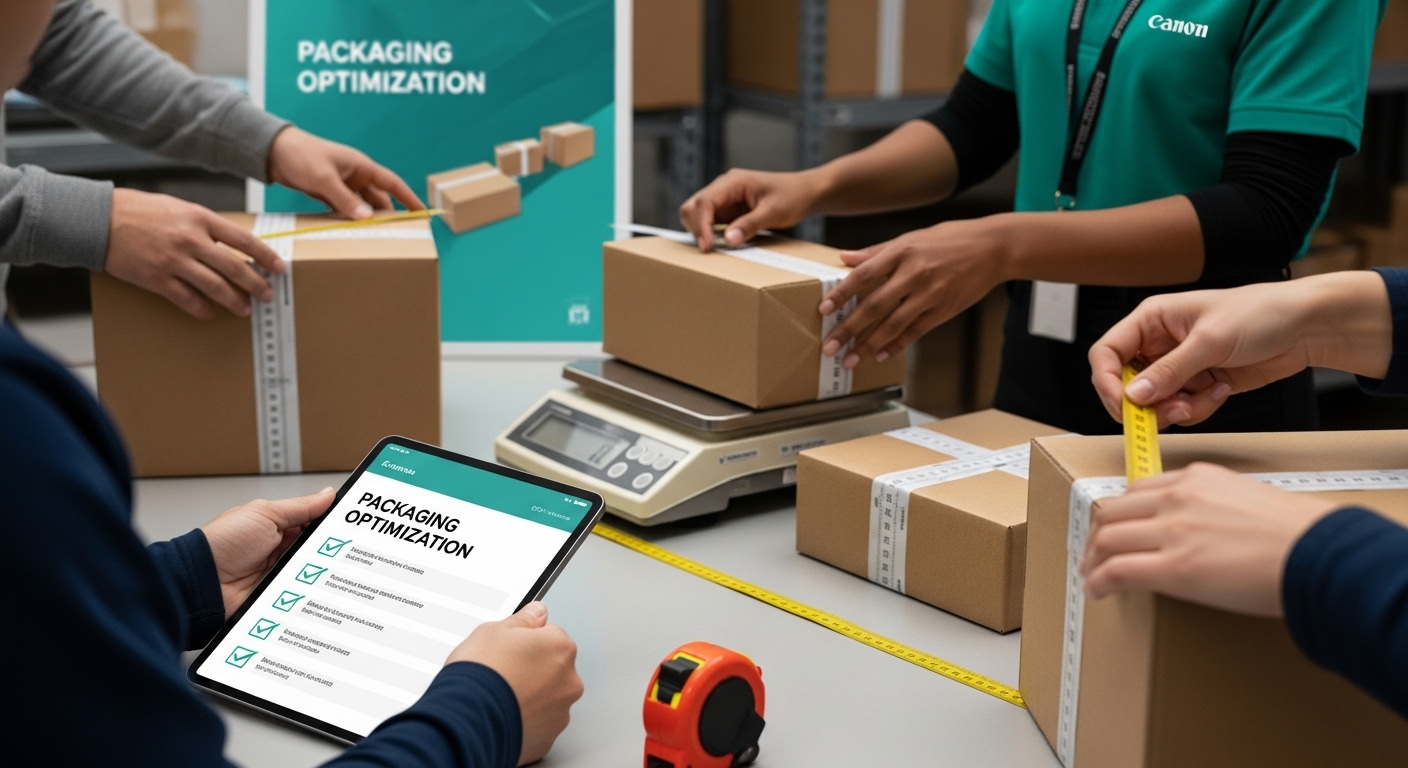
Begin by conducting a comprehensive audit of your current packaging materials and practices. Measure and document the dimensions and weights of typical products in your inventory, identifying opportunities for standardization. Consider investing in custom packaging solutions that precisely fit your products, eliminating unnecessary void space and reducing dimensional weight charges. Learn more about advanced delivery strategies that can complement your packaging optimization efforts.
Explore innovative packaging materials that offer both cost-effectiveness and superior protection. Modern packaging technologies include lightweight corrugated materials, air pillow systems, and custom-molded protective inserts that can dramatically reduce shipping weight without compromising product safety. Experiment with different packaging configurations to find the optimal balance between protection, cost, and shipping efficiency. Some businesses save up to 30% on shipping expenses by implementing intelligent packaging design that minimizes unnecessary materials.
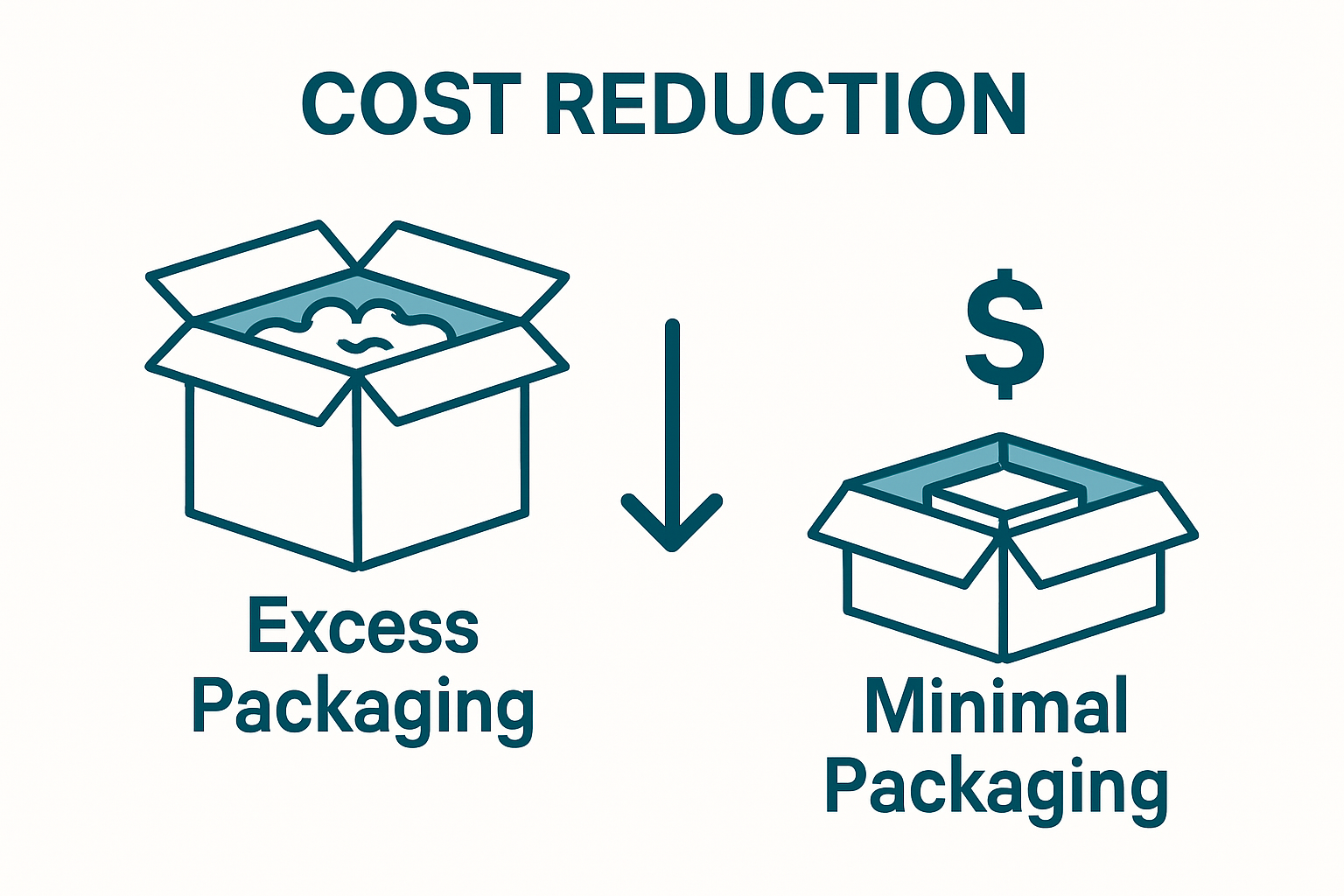
Utilize packaging optimization tools and software that can help you calculate the most cost-effective packaging solutions. These advanced systems analyze your product specifications, shipping routes, and carrier requirements to recommend ideal packaging configurations. Key verification indicators that you have successfully optimized your packaging include:
- Reduction in average package weight by 10-20%
- Decreased dimensional weight charges
- Minimal product damage during shipping
- Consistent packaging standardization across product lines
Remember that packaging optimization is an ongoing process. Continuously monitor your packaging performance, seek feedback from shipping carriers, and remain open to new materials and design innovations. By treating packaging as a strategic component of your shipping cost reduction plan, you can create a more efficient and cost-effective logistics operation.
Step 4: Negotiate Rates with Carriers
Negotiating shipping rates with carriers represents a pivotal moment in your shipping cost optimization strategy. This step transforms your relationship with carriers from a transactional interaction to a strategic partnership that can yield substantial financial benefits. Successful rate negotiations require preparation, data-driven insights, and a clear understanding of your shipping volume and business potential.
Prepare a comprehensive negotiation portfolio that showcases your shipping history, projected volumes, and potential growth. Gather detailed documentation including shipping volumes from the past 12-24 months, average package weights, destinations, and current rates. Create a compelling business case that demonstrates your value as a consistent, high-volume shipper. Highlight your commitment to a long-term partnership and your potential for increased shipping volumes. Discover strategies for optimizing your shipping negotiations to maximize your bargaining power.
Approach carrier negotiations with a strategic mindset. Research industry-standard rates and benchmark your current pricing against market rates. Be prepared to discuss not just base rates, but also accessorial charges, fuel surcharges, and potential volume discounts. Many businesses overlook the power of negotiating beyond the standard rate card. Consider discussing specialized rates for specific shipping zones, time-sensitive deliveries, or unique package characteristics. Some carriers are willing to offer customized pricing structures that can significantly reduce your overall shipping expenses.
Develop a clear negotiation strategy that includes multiple potential outcomes. Your approach should be professional, data-driven, and focused on creating a mutually beneficial relationship. Key verification indicators that you have successfully negotiated carrier rates include:
- Secured rate reductions of 10-25% compared to standard pricing
- Obtained volume-based discounts or tier-based pricing
- Negotiated reduced or waived accessorial charges
- Established more favorable contract terms
Remember that rate negotiations are an ongoing process. Maintain open communication with your carriers, regularly review your shipping data, and be prepared to renegotiate as your business needs evolve. By treating carrier relationships as strategic partnerships, you can continuously optimize your shipping costs and improve overall operational efficiency.
Step 5: Utilize Technology for Monitoring and Adjustments
Technology has revolutionized shipping cost optimization, transforming what was once a manual and time-consuming process into a data-driven, dynamic strategy. Modern technological solutions provide real-time insights, predictive analytics, and automated adjustments that can dramatically reduce shipping expenses. This step focuses on leveraging cutting-edge tools to continuously monitor and refine your shipping operations.
Begin by implementing comprehensive shipping analytics platforms that integrate data from multiple carriers, tracking systems, and your internal logistics infrastructure. These advanced technologies can provide granular visibility into shipping performance, cost trends, and potential optimization opportunities. Look for solutions that offer customizable dashboards, automated reporting, and predictive cost modeling. Explore our guide to advanced shipping technologies to understand the latest innovations in logistics monitoring.
Invest in artificial intelligence and machine learning tools that can analyze your shipping data with unprecedented depth and accuracy. These technologies can identify patterns, predict potential cost increases, and recommend specific optimization strategies. Advanced algorithms can help you make proactive decisions about carrier selection, routing, and packaging that can result in significant cost savings. Some AI-powered platforms can automatically suggest alternative shipping methods, predict potential delays, and even recommend rate negotiation strategies based on your historical shipping data.
Implement a continuous monitoring and adjustment framework that allows for real-time decision-making. Key verification indicators that you have successfully utilized technology for shipping cost optimization include:
- Reduction in shipping costs by 15-25% through data-driven insights
- Automated alerts for unexpected rate changes or performance issues
- Predictive modeling of future shipping expenses
- Integration of multiple data sources for comprehensive analysis
Remember that technology is not a one-time solution but an ongoing process of refinement and adaptation. Regularly update your technological tools, train your team on new platforms, and remain open to emerging innovations in shipping logistics. By embracing a technology-driven approach, you transform shipping cost optimization from a reactive task to a strategic, proactive business advantage.
Transform Your Shipping Strategy and Maximize Your Profits
Ready to put your shipping cost optimization plan into action? If your business is losing profits on unpredictable fees, inefficient carrier rates, or packaging that never seems to fit just right, you’re not alone. Many ecommerce sellers and wholesalers struggle to get visibility and control over their logistics expenses. Reliable courier services are essential for protecting your margins. With or-ner.com, you get more than a shipping partner—you gain access to cutting-edge tools for streamlined workflows, smart freight booking, real-time tracking, and actionable insights.
Take advantage of our all-in-one platform designed for businesses that want to move fast, scale confidently, and stay flexible across local and global markets. See how our solutions can help you reduce hidden charges, improve packaging efficiency, and leverage seamless integrations for true shipping cost optimization. Start making informed logistics decisions that boost your bottom line today—visit or-ner.com for your personalized strategy or discover reliable courier services that grow alongside your business.
Frequently Asked Questions
What are the first steps in optimizing shipping costs?
Begin by analyzing your current shipping rates and providers. Gather all existing shipping invoices, contracts, and data from the past year to identify potential cost inefficiencies and establish a baseline for improvements.
How can I compare different shipping options effectively?
Create a detailed comparison matrix evaluating shipping providers based on rates, delivery speed, geographic coverage, and additional services. Utilize digital shipping comparison tools for real-time analysis to find the best options for your needs.
What techniques can I use to optimize packaging for shipping?
Conduct an audit of your packaging materials and practices. Use custom packaging solutions to minimize void space, explore lightweight materials, and implement smart design strategies to reduce shipping weight and costs while protecting your products adequately.
How can technology help in monitoring shipping costs?
Implement shipping analytics platforms that offer real-time insights and predictive analytics. These tools help identify patterns, suggest optimization strategies, and allow for continuous monitoring of your shipping operations to adjust proactively for cost efficiency.