TL;DR:
- Global logistics freight solutions integrate sea, air, road, and rail transport with customs clearance and warehousing to facilitate international trade. Freight forwarders handle complex, multi-leg shipments across borders, while couriers focus on fast, direct deliveries of small parcels. Choosing a qualified provider involves verifying credentials, industry experience, and technology capabilities to ensure reliable, compliant service.
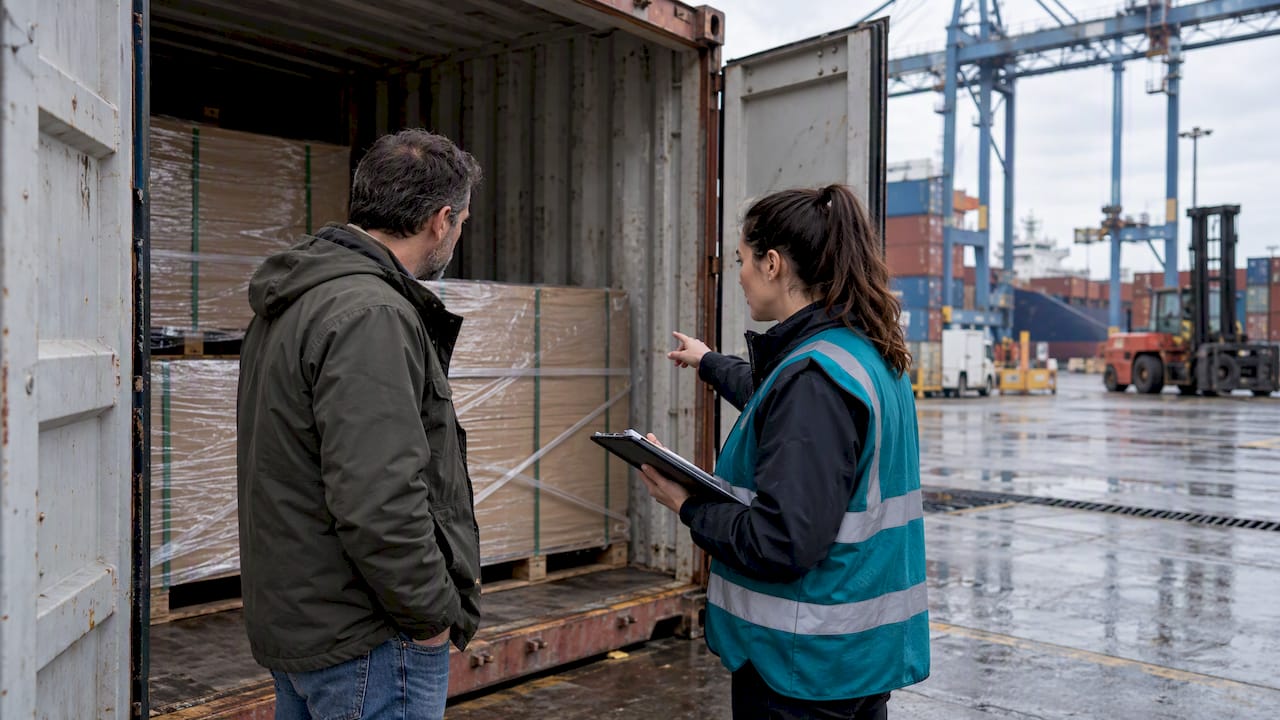
Global logistics freight solutions are the integrated systems businesses use to move goods across international borders. They combine sea, air, road, and rail transport with warehousing, customs clearance, and supply chain planning to keep international trade moving. For US businesses expanding globally, these services are not optional infrastructure. They are the difference between predictable delivery windows and costly, compliance-breaking delays.
Common services within this ecosystem include:
- Freight forwarding across ocean, air, and multimodal routes
- Customs brokerage for import/export clearance
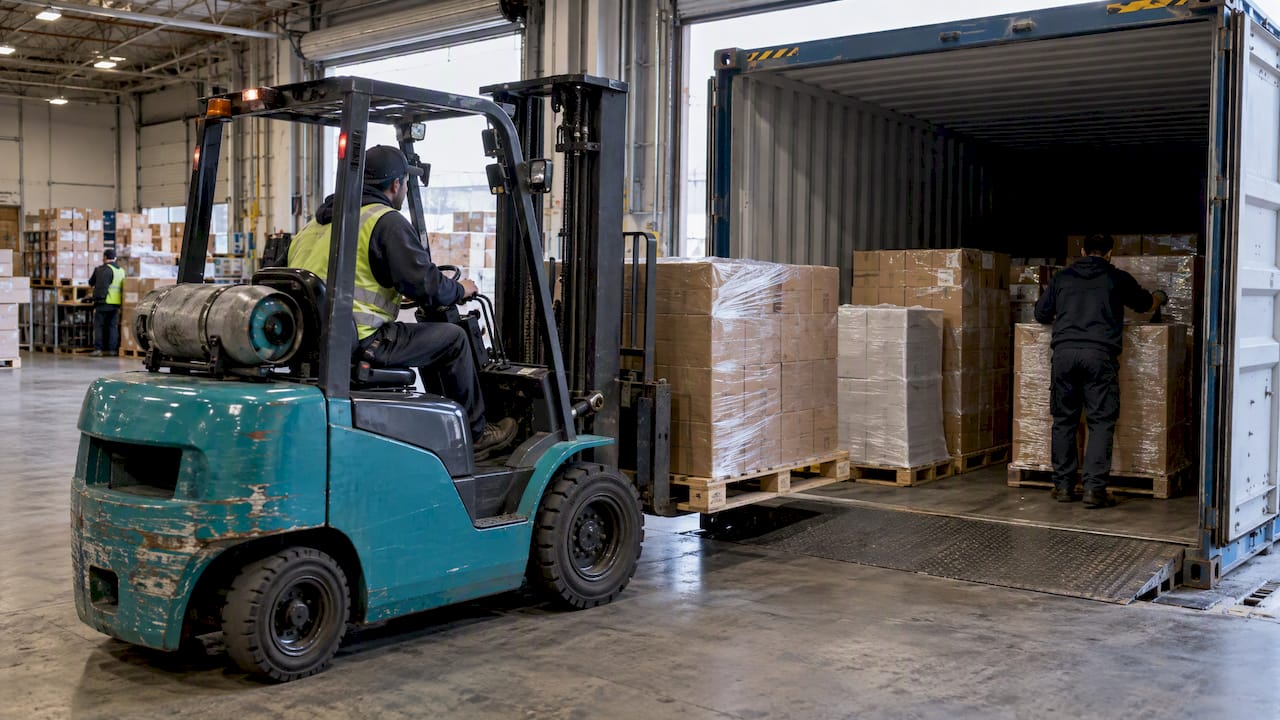
- Third-party logistics (3PL) warehousing and fulfillment
- Real-time shipment tracking and digital documentation
- Risk management and cargo insurance coordination
- Last-mile delivery to end customers or distribution centers
Key players include freight forwarders, licensed customs brokers, 3PL providers, and carriers across every transport mode.
How couriers and freight forwarders actually differ
Couriers and freight forwarders solve different problems. Couriers prioritize speed for documents and small parcels, delivering directly to the recipient with minimal handling. Freight forwarders coordinate complex, large-volume shipments across multiple carriers and transport modes, managing documentation, customs, and routing along the way.
The regulatory distinction is sharp. In the US, ocean freight forwarders must hold a Federal Maritime Commission (FMC) license, while customs brokers require a CBP license. Couriers operate under carrier authority without these trade-specific credentials.
Quick comparison:
- Couriers: small parcels, fast delivery, direct to recipient, no customs brokerage
- Freight forwarders: large or complex cargo, multi-leg routing, full documentation management
- Customs brokers: regulatory clearance specialists, often integrated with forwarders
- Use couriers when: shipping samples, documents, or urgent small packages internationally
- Use freight forwarders when: shipping full or partial container loads, regulated goods, or multi-country routes
How to choose a reliable freight logistics provider in the US
Start with trade lane experience. A forwarder who excels at China-to-US ocean imports may have limited knowledge of intra-European road freight. Ask how many years they have operated your specific routes and whether they have physical offices or agent partners at both origin and destination.
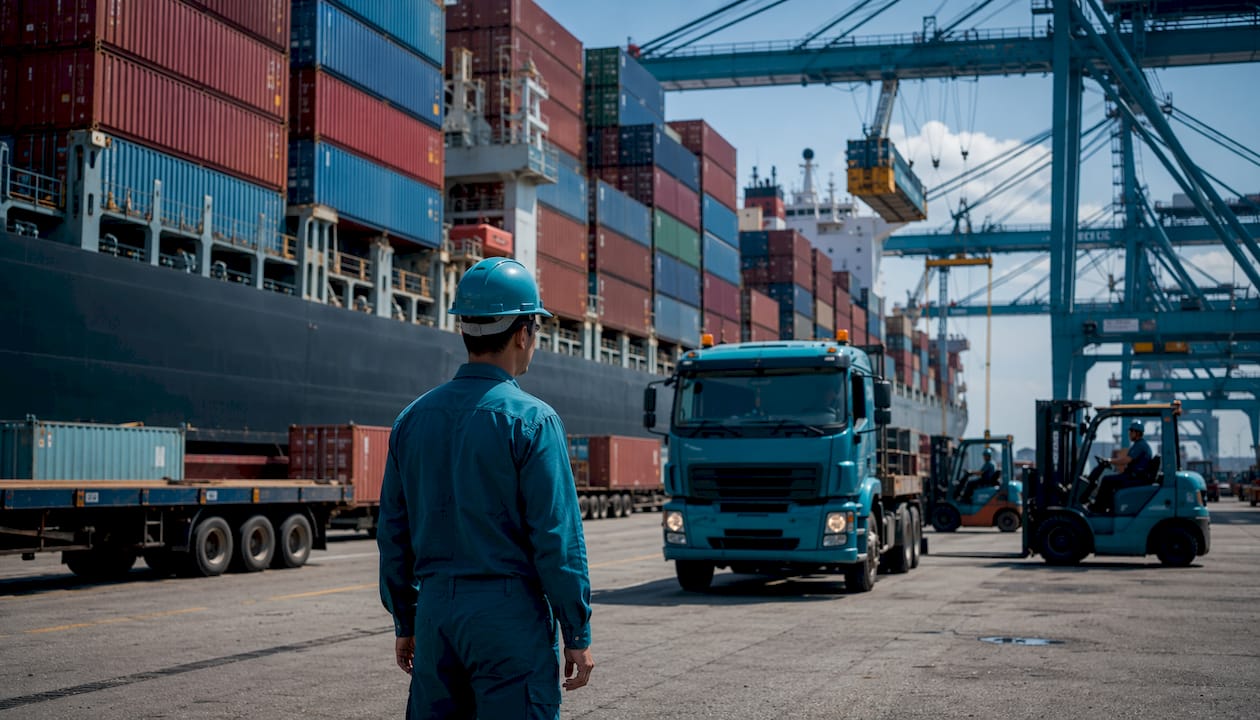
Verify credentials before anything else. Legitimate US providers hold FMC licensing for ocean freight, CBP customs broker licenses, and IATA accreditation for air cargo. C-TPAT membership signals a vetted security posture with US Customs.
Pro Tip: Request quotes from three to five forwarders for your primary trade lanes, then maintain at least one backup relationship. If your primary provider goes dark during peak season, you need someone who already knows your cargo profile and can step in without a learning curve. Always keep copies of critical shipping documents independently.
Selection criteria to evaluate:
- Trade lane expertise and years of operation on your routes
- FMC, CBP, and IATA credentials as applicable
- Geographic network: owned offices vs. agent partnerships
- Technology: real-time tracking, digital documentation, ERP integration
- Pricing transparency: itemized quotes covering all surcharges
- Contingency planning: alternative routing options pre-planned for your lanes
- Specialist vs. generalist fit for your cargo type
For regulated or temperature-sensitive goods, a specialist freight forwarder with GDP compliance expertise will outperform a generalist on every metric that matters: clearance speed, documentation accuracy, and error rates.
What are the main types of freight solutions?
Sea freight handles the bulk of global trade volume. Full Container Load (FCL) and Less than Container Load (LCL) options give businesses flexibility on cost versus speed. Ocean is the right call for high-volume, non-urgent cargo where cost per unit matters most.
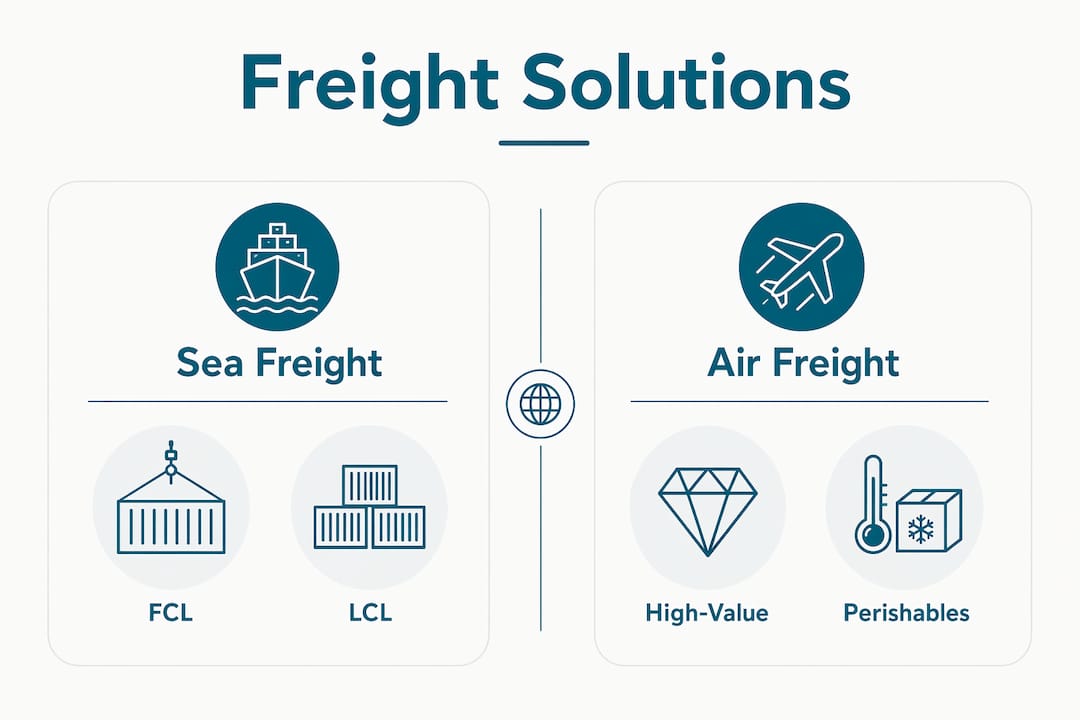
Air freight costs more but cuts transit times from weeks to days. It suits high-value goods, perishables, and time-sensitive inventory replenishment. Air cargo also tends to have tighter dimensional weight pricing, so packaging efficiency directly affects cost.
Road freight connects ports to inland destinations and handles cross-border trade within continental regions. In North America, trucking is the backbone of domestic distribution after ocean or air arrival.
Rail freight offers a middle ground between road and ocean on cost and speed, particularly for transcontinental routes. The China-Europe rail corridor has grown as an alternative to ocean for mid-urgency cargo.
Key international shipping regulations you need to know
Every country controls what enters and exits its borders, and the rules change constantly. US importers must comply with CBP entry requirements, including accurate Harmonized Tariff Schedule (HTS) classification, country of origin declarations, and applicable duties. Export shipments fall under Export Administration Regulations (EAR) and, for certain goods, the International Traffic in Arms Regulations (ITAR).
Beyond US rules, businesses must navigate destination-country import standards, product certification requirements, and restricted or prohibited goods lists. Sanctions compliance through OFAC adds another layer for shipments involving certain countries or entities. Working with a licensed customs broker keeps you on the right side of these requirements without building an in-house compliance team.
How Incoterms shape your freight responsibilities
Incoterms, published by the International Chamber of Commerce, define exactly where the seller’s responsibility ends and the buyer’s begins. The choice of term directly affects who pays for freight, insurance, and customs clearance, and who bears the risk if cargo is damaged in transit.
EXW (Ex Works) puts nearly all responsibility on the buyer from the seller’s door. DDP (Delivered Duty Paid) flips it entirely, with the seller covering everything through final delivery. FOB (Free on Board) is the most common for ocean shipments: the seller loads the goods, and the buyer takes risk from the port of origin. Misunderstanding which party owns which cost and risk under a given Incoterm is one of the most common and expensive mistakes in international trade.
Risk management and cargo insurance for global freight
Carrier liability under the Hague-Visby Rules or the Montreal Convention typically covers only a fraction of your cargo’s actual value. Cargo insurance fills that gap. Your freight forwarder can usually arrange coverage, but confirm the policy terms: all-risk coverage differs significantly from named-perils policies.
Beyond insurance, risk management means contingency planning for port congestion, customs holds, and vessel delays. Experienced forwarders build alternative routing options into your primary trade lanes before problems occur, not after.
Common challenges in global logistics and how to address them
Port congestion, customs delays, documentation errors, and carrier capacity shortages are the four problems that derail most international shipments. Each has a practical mitigation.
- Port congestion: use forwarders with pre-planned alternative routing and inland container depots
- Customs delays: invest in accurate HTS classification and complete documentation upfront
- Documentation errors: use digital document management platforms with automated validation
- Capacity shortages: book early, maintain carrier relationships across multiple providers, and avoid single-source dependency
Diversifying suppliers and transport routes reduces exposure to any single point of failure. Buffer stock for high-priority items buys time when disruptions hit.
Technology trends reshaping freight logistics
Digital tools now give shippers real-time visibility into shipment status, inventory movement, and delivery performance. Modern freight platforms integrate with ERP and warehouse management systems, replacing manual status checks with automated milestone alerts.
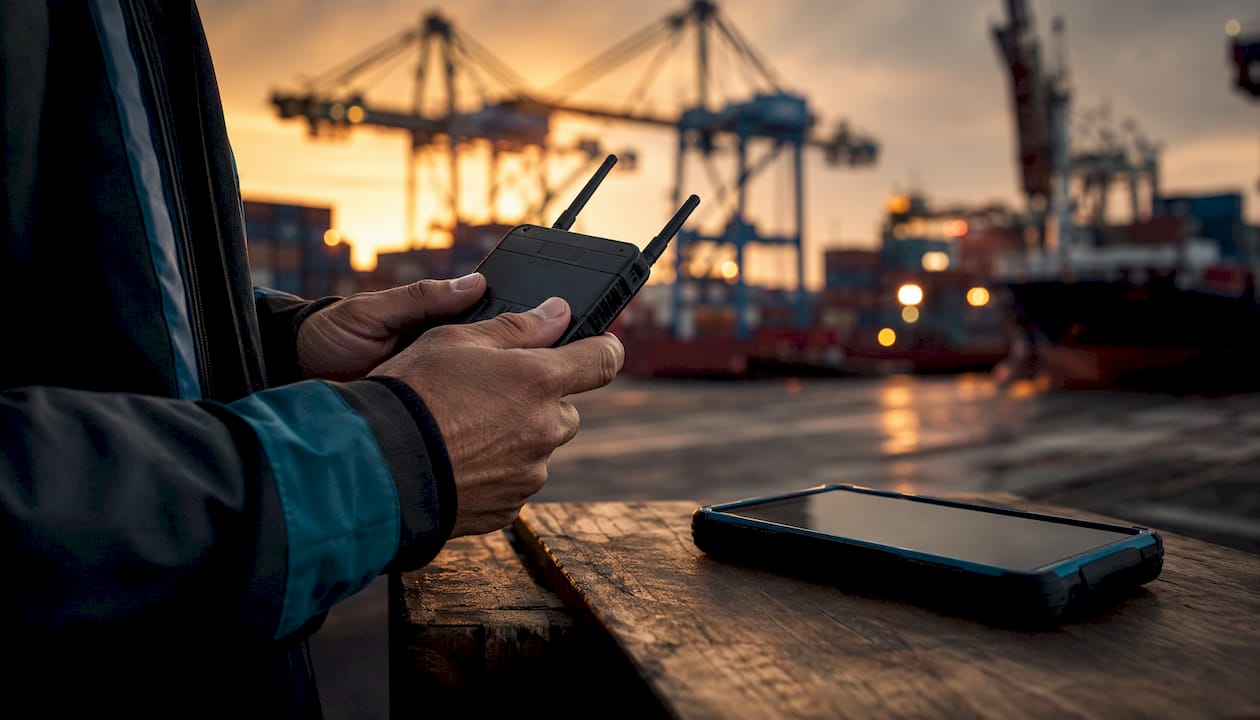
IoT tracking devices on containers and pallets provide location and condition data, including temperature and humidity readings for sensitive cargo. AI-driven demand forecasting helps businesses stock the right inventory in the right region before shortages develop. Or-ner’s platform brings these capabilities together for ecommerce businesses, connecting shipment tracking with fulfillment and customs workflows in one place.
Key Takeaways
Choosing the right global freight provider requires matching trade lane expertise, credentials, and technology to your specific cargo and routes.
| Point | Details |
|---|---|
| Freight vs. courier distinction | Freight forwarders manage complex multi-leg shipments; couriers handle small, fast, direct deliveries. |
| US licensing requirements | Ocean forwarders need FMC licenses; customs brokers require CBP credentials; air cargo handlers need IATA accreditation. |
| Incoterms define risk | The Incoterm chosen determines who pays freight and insurance and who bears cargo risk in transit. |
| Cargo insurance gap | Carrier liability under Hague-Visby or Montreal Convention covers only a fraction of actual cargo value. |
| Technology integration | Real-time tracking, digital documentation, and ERP integration are baseline expectations for reliable providers. |
FAQ
What are global logistics freight solutions?
Global logistics freight solutions are integrated services that manage international freight movement across sea, air, road, and rail, combined with customs clearance, warehousing, and supply chain coordination for businesses trading across borders.
What company is Scan Global Logistics?
Scan Global Logistics is an international freight forwarding and logistics company offering ocean, air, and road freight services across global trade lanes, with a focus on project cargo and specialized logistics.
How do I track a package from a freight forwarder?
Most freight forwarders provide an online tracking portal or automated milestone notifications; ask your provider for a tracking reference number at booking and confirm which system they use for status updates.
What is the difference between a freight forwarder and a customs broker?
A freight forwarder manages the physical movement of goods across carriers and transport modes, while a customs broker handles regulatory clearance and duty calculation. Many forwarders hold both licenses and offer both services under one contract.