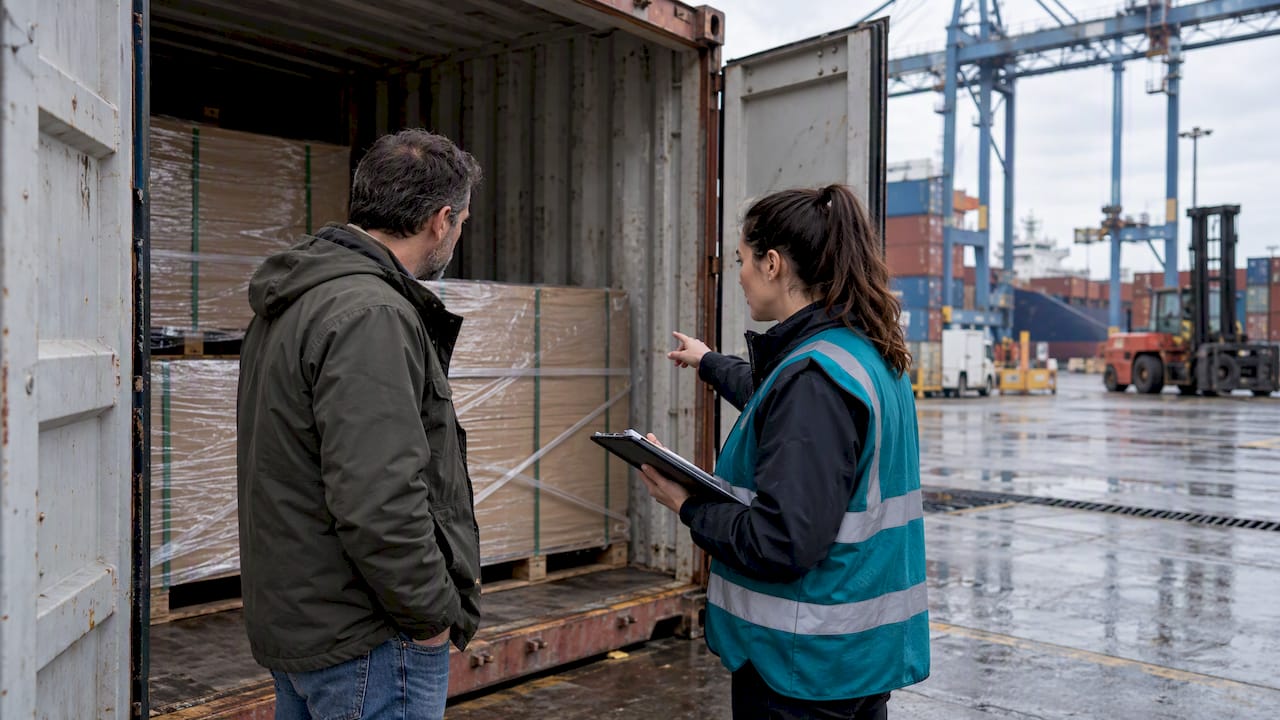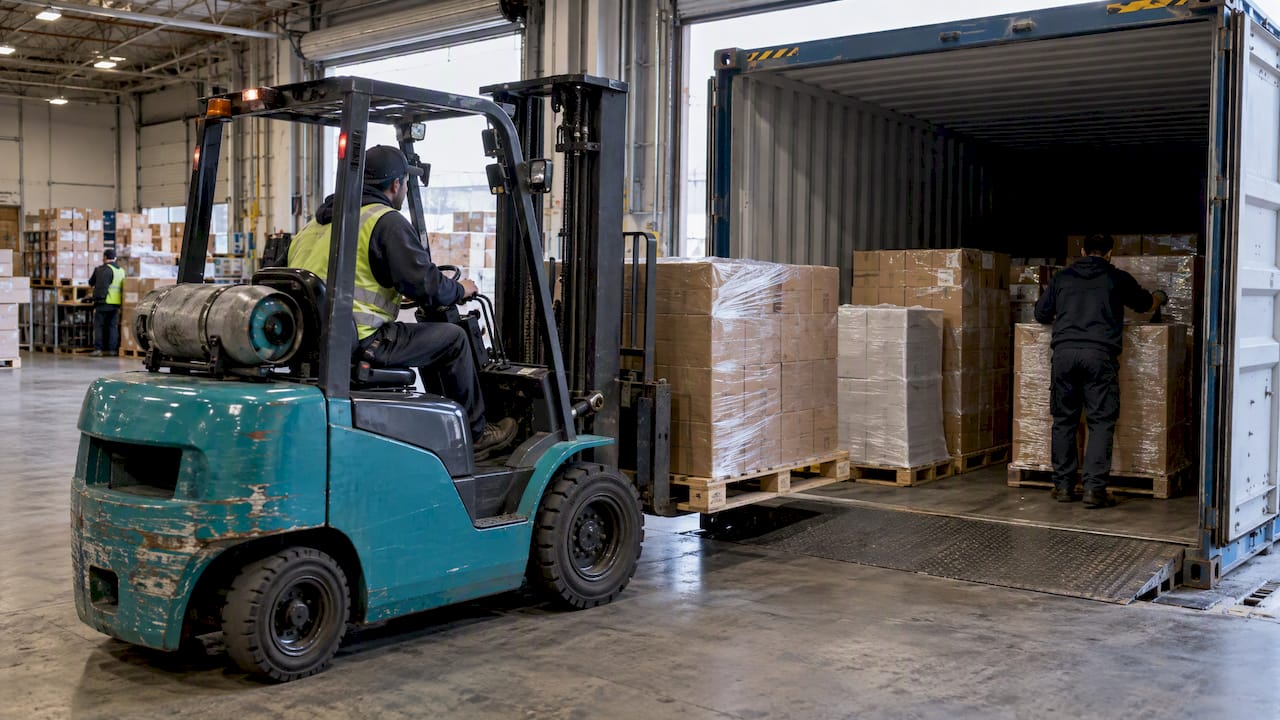
To ship freight internationally, first pick the transport mode that fits your cost and speed needs, confirm your Incoterm and HS/Schedule B classification, then book a forwarder and file the required export documents. That order matters. Skip the classification step and you’ll get a customs hold; skip the Incoterm and you’ll get a billing dispute with your buyer three weeks after the container clears port.
Here’s the fast version before we get into the mechanics:
- Confirm the Incoterm with your buyer so both sides know exactly who pays for what and when risk transfers.
- Prepare your commercial invoice and packing list, and classify goods under the correct HS or Schedule B code.
- Book your forwarder or carrier, schedule pickup, and file the Electronic Export Information (EEI) through AES if you’re exporting from the U.S. and the shipment value per Schedule B number exceeds $2,500.
Pro Tip: Nail the classification before you request quotes. A wrong HS code doesn’t just risk a customs penalty. It skews the freight quote itself, since duty estimates and restricted-goods screening both run off that code.
Get those three right and you’ve got a shipment that’s booked, documented, and moving. Everything else in this guide is about doing it faster and cheaper.
Table of Contents
- How to Ship Freight Internationally by Air, Ocean, or Rail
- What Are the Steps to Book and Ship Freight?
- What Determines the Cost of International Freight?
- How Do You Choose the Right Freight Forwarder?
- Or-ner’s Approach to Booking and Clearing International Freight
- Why Most Freight Advice Skips the Part That Actually Breaks Shipments
- Ship Smarter With Or-ner’s Freight Platform
- Sources
- FAQ
How to Ship Freight Internationally by Air, Ocean, or Rail
The mode you pick should follow the shipment’s value-to-weight ratio and your deadline, not habit. Freight moves in three practical lanes: air, ocean, and rail/truck, and each one solves a different problem.
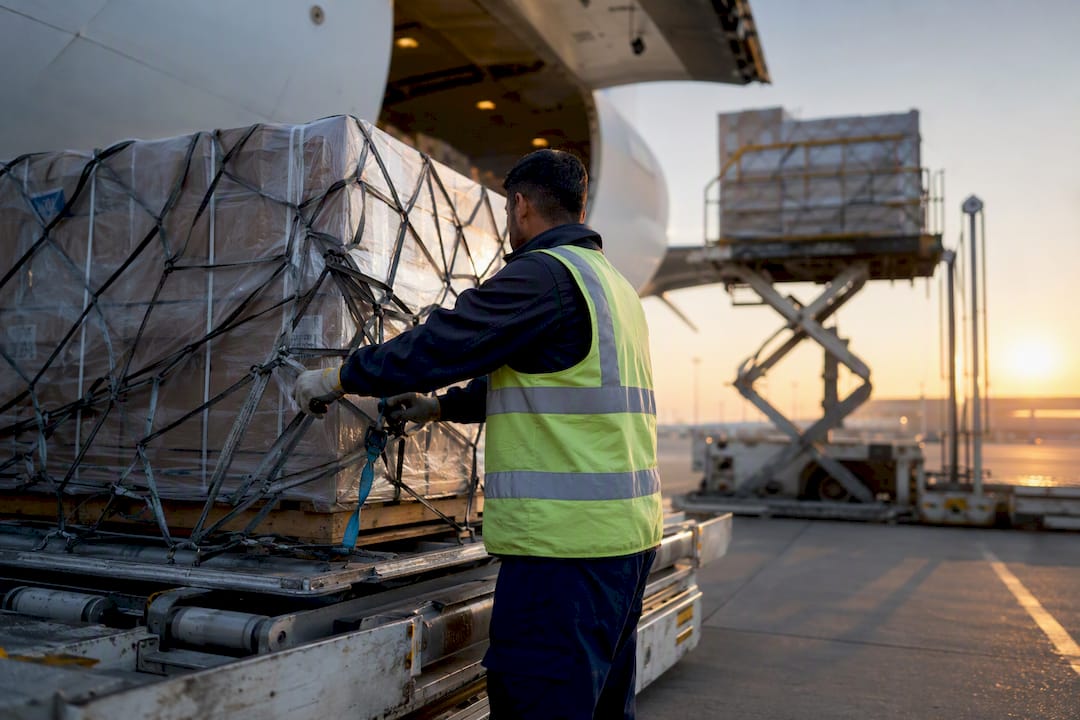
Air freight wins when speed matters more than unit cost. Transit runs roughly 1 to 8 days depending on origin, destination, and whether you’re on a direct or transshipment route. Air carriers bill on volumetric weight, meaning a large, light box can cost more than a small, dense one. That’s why air freight tends to get reserved for urgent or high-value cargo rather than bulk goods, according to trade data comparing the three modes.
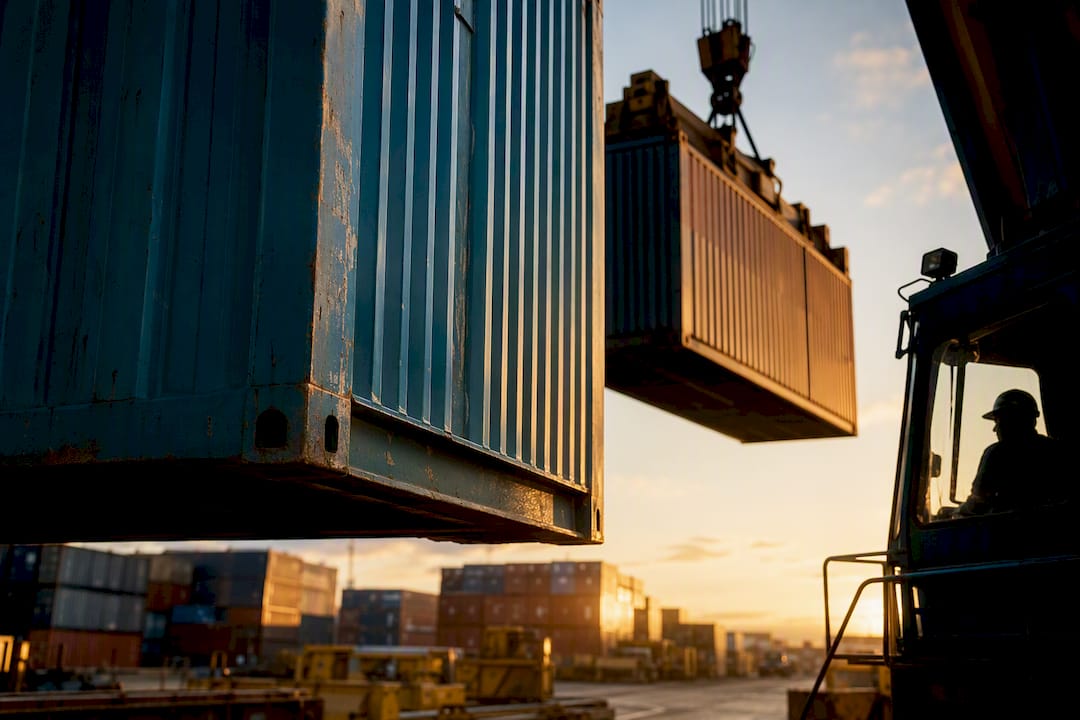
Ocean freight is the default for high-volume B2B shipping. You choose between Full Container Load (FCL), where you rent the whole box, and Less than Container Load (LCL), where your goods share space and cost is billed per cubic meter (CBM). Voyage times typically run 20 to 45+ days depending on the trade lane and number of transshipment stops.
Rail occupies a middle ground that most shippers underuse. The China-to-Europe rail corridor, for example, delivers in roughly half the time of ocean freight at a fraction of air freight’s cost. It only works where the corridor exists, so it’s not a universal option, but on the right lane it changes your entire cost model.
Inland trucking typically handles the first and last mile, and multimodal strategies (ocean plus rail, or air plus truck) often beat any single mode on total landed cost and reliability.
| Mode | Typical Transit Time | Best Fit |
|---|---|---|
| Air freight | 1–8 days | Urgent, high-value, low-volume cargo |
| Ocean FCL/LCL | 20–45+ days | High-volume B2B shipments |
| Rail (corridor-specific) | Mid-range, corridor-dependent | China–Europe and similar fixed corridors |
| Inland trucking | Hours to a few days | First/last-mile, regional multimodal legs |
Mode choice also affects your carbon footprint. Sea and rail freight carry substantially lower emissions per tonne-kilometer than air freight, so if your company tracks Scope 3 emissions, that’s a factor worth weighing alongside cost and speed, not after it.
What Are the Steps to Book and Ship Freight?
Shipping freight internationally breaks into five stages, and skipping the order costs you money later.
-
Classify and plan. Assign the correct HS code (or Schedule B number for U.S. exports), decide your Incoterm, and determine whether you need cargo insurance. This step sets your entire cost and liability structure.
-
Get quotes and book. Compare rates across multiple forwarders or carriers, a practice U.S. government export guidance explicitly recommends before committing to a lane. Once you book, you’ll receive a Bill of Lading (ocean) or Air Waybill (air) as your booking reference and proof of contract.
-
Prepare documents. You’ll need a commercial invoice, packing list, and the transport document itself. U.S. exporters must file Electronic Export Information through AES when the per-Schedule-B value exceeds $2,500, or when a validated export license applies; the resulting Internal Transaction Number (ITN) gets referenced on your export paperwork. Federal export manifest regulations also specify exact data elements carriers must submit electronically under 15 CFR 30.6. Getting these freight forwarding documents right the first time avoids the single most common cause of hold-ups at origin.
-
Pickup and transport. Palletize correctly, weigh and measure accurately (volumetric discrepancies trigger reweighs and fees), and label per destination-country requirements. If you’re moving anything regulated, dangerous goods documentation and UN packaging codes apply, and getting this wrong can ground an entire shipment.
-
Customs clearance and delivery. A licensed broker handles the entry filing. U.S. entry documents are due within 15 calendar days of arrival, and entry summaries with estimated duties within 10 working days of entry for consumption. After clearance, get proof of delivery and inspect goods immediately, since damage claims typically have tight filing windows with the carrier.
Pro Tip: Correct packing and labeling isn’t just about avoiding damage. It’s directly tied to avoiding customs delays, since mismatched labels versus invoice descriptions are a common trigger for a physical exam.
What Determines the Cost of International Freight?
Freight pricing comes down to two things: how the carrier measures your shipment, and which surcharges apply on top of the base rate.
How carriers charge. Ocean freight bills by CBM (cubic meter) for LCL, or by container size for FCL, regardless of weight, up to a max limit. Air freight bills on whichever is greater: actual weight or volumetric weight (calculated from dimensions). Truck freight is usually priced per load or per pallet position. This is why a shipment of pillows can cost more to fly than a shipment of steel bolts of the same weight.
Common surcharges stack on top of the base rate and catch first-time shippers off guard:
- Fuel surcharges (BAF/FAF), which fluctuate with oil prices.
- Peak Season Surcharge (PSS), applied during high-demand periods like pre-holiday shipping.
- Terminal Handling Charges (THC) at both origin and destination ports.
- Detention and demurrage fees, charged when containers sit at port or aren’t returned on time.
A realistic landed-cost estimate includes base freight, duties and taxes, THC, and brokerage fees, and any one of those can shift with port congestion or seasonal demand. Rates on the same lane can swing meaningfully between a slow month and a peak-season week.
To control cost, consolidate smaller shipments into fewer, fuller loads, negotiate Incoterms so you’re not absorbing fees you could shift to the other party, and consider rail where a corridor exists, since it often beats ocean on speed and air on price at once, as comparative freight data shows.
How Do You Choose the Right Freight Forwarder?
A good forwarder does more than book space. Trade.gov describes them as “travel agents for freight”, and that’s accurate: they route your cargo, audit your documents, and manage relationships with carriers and customs brokers you’d otherwise have to build yourself.
Here’s how to vet one properly:
-
Verify licensing. Air forwarders should carry IATA accreditation; ocean forwarders should be licensed by the Federal Maritime Commission. A local customs broker needs the equivalent license in your import country.
-
Check operational capability. Ask about real-time tracking, exception alerts, claims handling turnaround, and whether they have their own agents (versus subcontracted partners) at your destination port.
-
Negotiate commercial terms up front. Push for capped demurrage and detention fees, clear liability limits per shipment, and a defined scope of included document processing so you’re not billed line-by-line for paperwork.
-
Watch for red flags. Vague liability language, no visibility into shipment status once it leaves origin, and surprise fees on the final invoice are all signs to escalate or walk.
Pro Tip: Treat your forwarder as a strategic partner, not a vendor. The best ones will flag a bad Incoterm choice or a cheaper multimodal route before you ask, which saves far more than any per-shipment discount.
Or-ner’s Approach to Booking and Clearing International Freight
Or-ner brings freight booking, document workflows, customs clearance support, and global warehouse connectivity into one dashboard instead of five disconnected vendor portals. That matters most for the two things that actually derail international shipments: lost visibility once cargo leaves origin, and document errors that surface only when customs flags them.
The platform maps directly onto the forwarder checklist above:
- Real-time tracking replaces the “call and ask” status update.
- Document workflows catch missing invoice fields or mismatched HS codes before booking, not after.
- Warehouse connectivity lets you route inventory across ecommerce channels, including Amazon, without a separate 3PL contract.
The lanes that fail aren’t usually the exotic ones. They’re the routine lane nobody re-checked after a rate hike or a customs rule change six months back.
If you’re evaluating whether an integrated platform makes sense for your operation, start small: pick one lane, run a single pilot shipment through Or-ner’s freight booking process, and measure arrival variance against your current baseline before rolling it out further.
International freight moves faster when documentation, booking, and tracking sit in one place instead of split across a forwarder, a broker, and a spreadsheet.
| Point | Details |
|---|---|
| Mode choice drives everything else | Match air, ocean, or rail to your cost/speed need before quoting, since it changes your entire cost model. |
| Classification comes first | Get the HS/Schedule B code right before requesting quotes or booking, since it affects duties and screening. |
| EEI filing has a threshold | U.S. exporters must file EEI through AES when per-Schedule-B value exceeds $2,500. |
| Surcharges shift real cost | Fuel, peak-season, and terminal handling charges can move total landed cost more than the base rate does. |
| Or-ner consolidates the workflow | Or-ner combines booking, documentation, and tracking in one platform for teams managing multiple lanes. |
Where to Verify Filing Rules and Modal Guidance
- DHS/CBP import-export forms confirm entry timing and bond requirements.
- 15 CFR 30.6 lists mandatory EEI data elements for export manifests.
- The U.S. Department of Commerce offers export planning resources and Incoterms guidance.
- MIT Climate Portal explains modal carbon differences for sustainability-linked routing decisions.
Why Most Freight Advice Skips the Part That Actually Breaks Shipments
Most guidance on international freight treats mode selection as the hard decision. It isn’t. The hard decision is document discipline, and almost nobody trains for it.
Classification errors, mismatched invoice details, and missed EEI filings cause more delays than a slow vessel ever will. A ship running behind schedule is predictable; you build buffer into your timeline. A shipment flagged at customs because the HS code on the invoice doesn’t match the packing list is not predictable, and it can sit for days with no clear resolution path.
The forwarders who earn repeat business aren’t the cheapest quote. They’re the ones who catch a documentation error before it reaches a customs officer. That’s worth more than a few dollars per kilo on the base rate, and it’s exactly why the vetting checklist in this guide leans so heavily on document auditing and licensing over price comparison.
If there’s one place to spend extra attention before your next shipment, it’s not the carrier selection. It’s making sure the paperwork and the platform tracking it talk to each other before the container ever leaves the dock.
Ship Smarter With Or-ner’s Freight Platform
If you’ve read this far, you already know the friction points: chasing forwarders for quotes, re-entering the same shipment data across three systems, and finding out about a customs hold secondhand. Or-ner’s platform is built to close that gap by putting freight booking, documentation, customs clearance support, and tracking into one workflow instead of a patchwork of emails and spreadsheets.
For ecommerce sellers and manufacturers running multiple lanes, that means one dashboard shows where every shipment stands, whether it’s moving by air, ocean, or rail, and whether the documents attached are complete before a customs officer ever sees them. The platform also connects to warehousing and fulfillment across a global network, so a delayed shipment doesn’t automatically mean a stockout on Amazon or your own storefront.
If you’re ready to see how this fits your own lanes, walk through Or-ner’s freight booking process and get a quote for your next shipment.
Sources
- Freight transportation explainer — MIT Climate Portal
- Find import/export forms — DHS / CBP guidance
- Trade
- Sea vs Air vs Rail Freight — Leeline Group
FAQ
What Documents Do I Need to Ship Freight Internationally?
At minimum, you need a commercial invoice, packing list, and the transport document (Bill of Lading for ocean, Air Waybill for air). U.S. exporters also need an EEI filing through AES when shipment value per Schedule B number exceeds $2,500.
How Long Does International Freight Shipping Take?
Air freight typically takes 1 to 8 days, ocean freight runs 20 to 45+ days depending on the trade lane, and rail on fixed corridors like China to Europe lands in between on both speed and cost.
What Is an Incoterm and Why Does It Matter?
An Incoterm is a standardized trade term that defines exactly when cost and risk transfer from seller to buyer during shipping. Getting it wrong on your invoice creates billing disputes and unclear liability if goods are damaged in transit.
Do I Need a Customs Broker or Just a Freight Forwarder?
A freight forwarder books and routes your cargo; a licensed customs broker files the entry and manages compliance at the border. Many forwarders, including platforms like Or-ner, coordinate both functions so you don’t manage two separate vendor relationships.
What Happens if I Miss the EEI Filing Deadline?
Missing or filing an inaccurate EEI can delay export clearance and, in serious cases, trigger penalties from CBP, since the filing is a legal requirement above the $2,500 per Schedule B threshold.
How Do I Reduce the Cost of Shipping Freight Internationally?
Consolidate smaller shipments into fuller loads, negotiate which party absorbs surcharges through your Incoterm choice, and use rail where a fixed corridor exists, since it often undercuts both air and ocean on combined cost and speed.