
Freight forwarders are the unsung heroes making global trade possible for brands of every size. Plenty of companies rely on these experts to navigate over 90,000 active trade regulations worldwide and ensure shipments arrive safely. Most people think it’s just about moving boxes from point A to point B. Turns out, the real story is about combining technology, compliance, and nonstop risk management into a seamless global operation.
Table of Contents
- Core Freight Forwarder Responsibilities Explained
- How Forwarders Optimize Global Supply Chains
- Freight Forwarder Compliance And Risk Management
- Choosing The Right Freight Forwarder For Your Business
Quick Summary
| Takeaway | Explanation |
|---|---|
| Freight forwarders ensure efficient transportation | They analyze routes and choose optimal methods for cargo movement, balancing speed and cost-effectiveness. |
| Compliance and documentation are essential | Accurate management of customs documentation helps in avoiding delays and legal issues during international shipping. |
| Risk management protects cargo throughout transit | Forwarders assess potential vulnerabilities and implement strategies, including insurance and real-time tracking, to safeguard shipments. |
| Technological integration enhances logistics efficiency | Modern freight forwarders use advanced technology for tracking, predictive analytics, and supply chain visibility, making operations more responsive. |
| Choose forwarders based on strategic partnership potential | Evaluate potential partners on scalability, technological capabilities, and long-term adaptability to ensure aligned operational goals. |
Core Freight Forwarder Responsibilities Explained
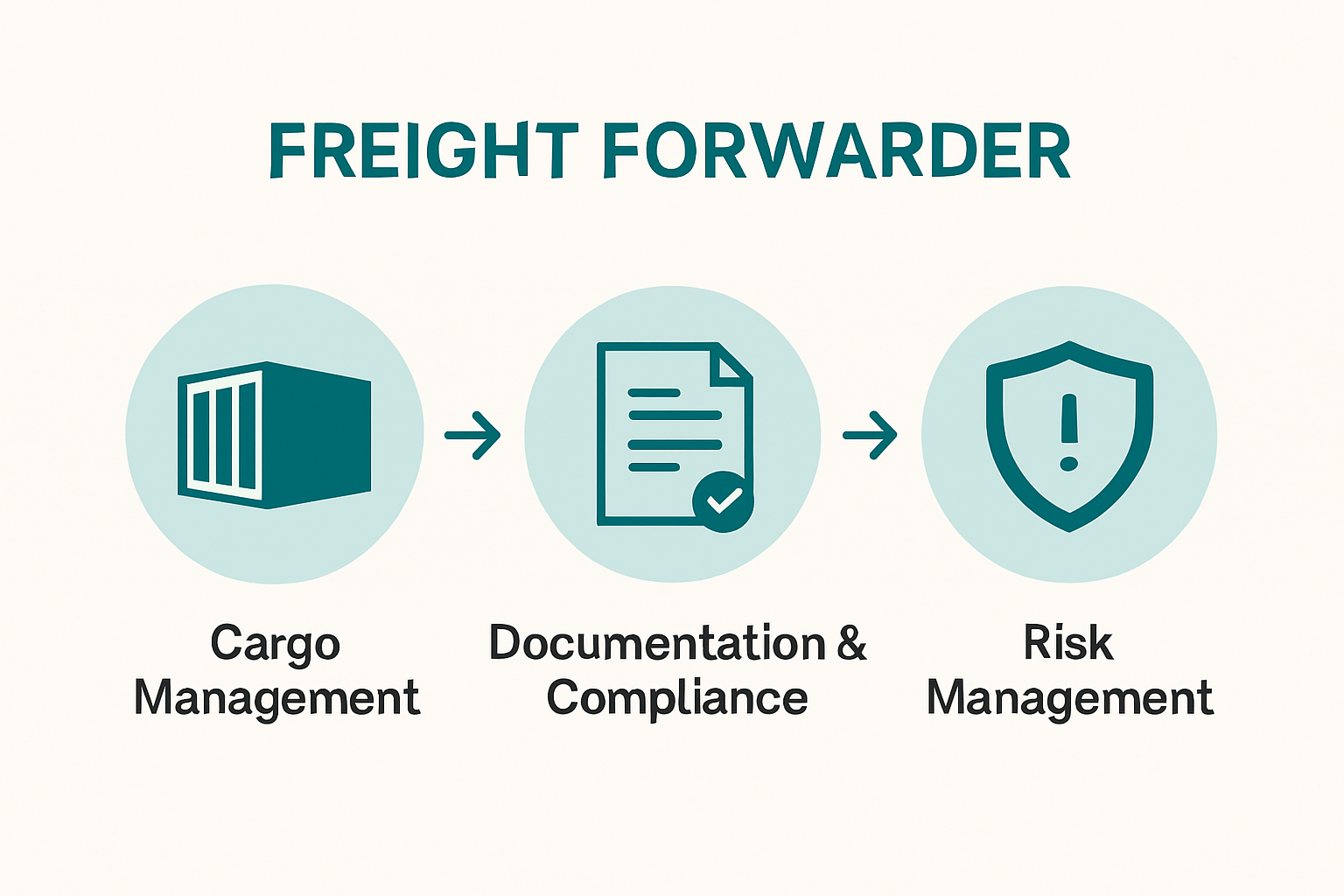
Freight forwarders are the critical connectors in global supply chains, orchestrating complex logistics operations that enable businesses to move goods efficiently across international borders. Learn more about the intricacies of freight forwarding to understand how these professionals transform global trade logistics.
Strategic Cargo Management and Transportation Planning
At the heart of freight forwarder responsibilities lies comprehensive cargo management. According to government trade guidelines, freight forwarders determine the most effective transportation methods for goods, considering multiple critical factors. They analyze shipping routes, evaluate transportation modes (ocean, air, rail, truck), and design optimal logistics strategies that balance speed, cost, and reliability.
Professional freight forwarders conduct detailed route assessments, examining potential challenges like geopolitical risks, seasonal weather patterns, and infrastructure constraints. This strategic planning ensures goods reach their destination safely and efficiently. They negotiate rates with carriers, select the most appropriate shipping containers, and develop contingency plans to mitigate potential disruptions.
Documentation and Customs Compliance
Navigation of international shipping regulations represents another crucial responsibility. Freight forwarders manage an extensive array of documentation required for cross-border transportation. According to professional logistics resources, their responsibilities include preparing and verifying complex paperwork such as:
- Bill of Lading: Comprehensive shipping document detailing goods, quantities, and transportation terms
- Commercial Invoices: Precise financial records for international transactions
- Customs Declaration Forms: Accurate statements describing shipped merchandise
- Certificate of Origin: Official documentation verifying product manufacturing location
By meticulously managing these documents, freight forwarders ensure regulatory compliance, minimize customs clearance delays, and protect businesses from potential legal complications. Their expertise helps companies navigate the intricate landscape of international trade regulations.
Risk Management and Cargo Protection
Freight forwarders serve as critical risk management professionals, implementing strategies to safeguard shipments throughout their entire journey. They assess potential vulnerabilities in the transportation process and develop comprehensive protective measures. This includes selecting appropriate insurance coverage, recommending secure packaging methods, and tracking shipments in real-time to quickly address any emerging challenges.
Their proactive approach involves monitoring global shipping conditions, understanding regional transportation risks, and providing clients with strategic advice to minimize potential financial and logistical disruptions. By combining technological solutions with deep industry knowledge, freight forwarders transform complex global shipping challenges into streamlined, predictable processes for businesses worldwide.
How Forwarders Optimize Global Supply Chains

Freight forwarders play a transformative role in optimizing global supply chains, leveraging advanced technologies and strategic expertise to create seamless, efficient logistics networks. Explore the strategic advantages of modern freight forwarding to understand how these professionals drive business performance.
Technology-Driven Supply Chain Integration
According to European Research Studies Journal, the contemporary freight forwarding landscape is characterized by unprecedented technological integration. Modern forwarders utilize sophisticated digital platforms that enable real-time tracking, predictive analytics, and comprehensive supply chain visibility. These technological solutions allow businesses to monitor shipments, anticipate potential disruptions, and make data-driven decisions.
Advanced digital systems enable freight forwarders to implement complex routing algorithms that optimize transportation pathways. By analyzing multiple variables such as fuel costs, transit times, carrier performance, and geopolitical risks, they create highly efficient logistics strategies. This technological approach transforms traditional supply chain management into a dynamic, responsive ecosystem that adapts quickly to changing global conditions.
Strategic Network Optimization and Risk Management
Research from international logistics studies highlights how freight forwarders systematically optimize global supply chain networks. They develop comprehensive strategies that go beyond simple transportation management. By cultivating robust relationships with multiple carriers, warehouses, and customs authorities worldwide, forwarders create flexible, resilient logistics infrastructures.
Their risk management approach involves:
- Diversified Carrier Networks: Reducing dependency on single transportation providers
- Multi-modal Transportation Strategies: Combining different transport methods for maximum efficiency
- Proactive Compliance Management: Ensuring regulatory adherence across international jurisdictions
- Adaptive Routing Mechanisms: Quickly rerouting shipments in response to global disruptions
Sustainable and Efficient Logistics Solutions
The evolution of freight forwarding extends beyond operational efficiency to encompass sustainability and environmental consciousness. As highlighted by research on international logistics, modern forwarders are increasingly integrating eco-friendly practices into their core operational strategies.
They achieve this through innovative approaches like optimizing load consolidation, selecting low-emission transportation modes, and implementing carbon tracking mechanisms. By reducing unnecessary transportation stages and promoting more sustainable logistics practices, freight forwarders help businesses minimize their environmental footprint while maintaining operational excellence.
Through technological innovation, strategic network development, and a commitment to sustainability, freight forwarders have transformed from traditional logistics coordinators to strategic partners driving global business performance. Their multifaceted approach ensures that companies can navigate the complex, ever-changing landscape of international trade with confidence and efficiency.
Freight Forwarder Compliance and Risk Management
Compliance and risk management are foundational elements of successful freight forwarding operations, requiring meticulous attention to complex international regulations and potential logistical challenges. Discover comprehensive strategies for navigating global shipping regulations to understand the critical importance of regulatory compliance.
Regulatory Compliance Framework
Freight forwarders operate within an intricate web of international trade regulations that demand precise documentation and adherence to multiple jurisdictional requirements. According to the Federal Motor Carrier Safety Administration, compliance extends beyond simple paperwork to encompass comprehensive electronic registration systems and financial responsibility protocols.
The regulatory landscape requires freight forwarders to maintain rigorous standards across several critical domains:
- Financial Documentation: Ensuring accurate financial records and transparent transaction reporting
- Insurance Requirements: Maintaining appropriate coverage for different transportation modes
- Customs Declaration Accuracy: Providing precise documentation for international shipments
- Licensing and Certification: Maintaining current professional credentials and operational permits
Professional freight forwarders invest significant resources in developing robust compliance management systems that can adapt to evolving international trade regulations. This proactive approach helps businesses mitigate potential legal risks and avoid costly penalties associated with regulatory violations.
Advanced Risk Mitigation Strategies
Risk management in freight forwarding extends far beyond regulatory compliance, encompassing a comprehensive approach to identifying, assessing, and mitigating potential disruptions in global supply chains. Successful forwarders develop sophisticated risk assessment frameworks that analyze multiple variables, including geopolitical tensions, environmental challenges, and transportation infrastructure limitations.
Key risk mitigation strategies include:
- Diversified Transportation Networks: Creating multiple routing options to minimize single-point vulnerabilities
- Real-time Monitoring Systems: Implementing advanced tracking technologies for continuous shipment visibility
- Predictive Risk Analysis: Utilizing data analytics to anticipate potential logistical challenges
- Emergency Response Protocols: Developing comprehensive contingency plans for unexpected disruptions
Technological Innovation in Compliance Management
Modern freight forwarders leverage cutting-edge technologies to enhance compliance and risk management capabilities. Advanced digital platforms enable real-time tracking, automated documentation verification, and predictive risk assessment. These technological solutions transform traditional compliance approaches into dynamic, responsive systems that can quickly adapt to changing global conditions.
Artificial intelligence and machine learning algorithms now play a crucial role in identifying potential compliance risks, analyzing complex regulatory requirements, and providing actionable insights. By integrating these advanced technologies, freight forwarders can create more efficient, transparent, and reliable logistics operations that minimize risk and maximize operational performance.
The intersection of regulatory expertise, technological innovation, and strategic risk management defines the modern freight forwarding landscape. Businesses that prioritize comprehensive compliance and proactive risk management strategies position themselves for success in an increasingly complex global trade environment.
Choosing the Right Freight Forwarder for Your Business
Selecting the appropriate freight forwarder is a critical decision that can significantly impact a company’s global logistics performance and operational efficiency. Explore strategic considerations for selecting the ideal logistics partner to understand the nuanced selection process for freight forwarding services.
Critical Evaluation Criteria
Choosing the right freight forwarder requires a comprehensive assessment of multiple key factors that extend beyond basic transportation capabilities. Businesses must conduct a thorough evaluation of potential partners, examining their technological infrastructure, industry expertise, global network, and proven track record of reliability.
Key evaluation criteria include:
- Technological Capabilities: Advanced tracking systems, digital documentation management, and real-time communication platforms
- Global Network Strength: Extensive international partnerships and local expertise in target markets
- Industry-Specific Experience: Proven success in handling logistics for your specific business sector
- Compliance and Certification: Demonstrated ability to navigate complex international regulations
- Financial Stability: Strong financial foundation ensuring consistent service delivery
Professional businesses approach freight forwarder selection as a strategic partnership, recognizing that the right logistics partner can become a critical component of their global expansion and operational success.
Assessing Operational Compatibility
Operational compatibility represents a crucial consideration when selecting a freight forwarder. Companies must carefully evaluate how a potential logistics partner aligns with their specific business requirements, operational model, and growth objectives. This assessment goes beyond surface-level capabilities and demands a deep understanding of the forwarder’s operational philosophy and technological integration potential.
Critical areas of operational assessment include:
- Scalability: Ability to adapt to changing business volume and expansion needs
- Customization Capabilities: Flexibility in developing tailored logistics solutions
- Communication Protocols: Transparency and responsiveness in client interactions
- Technology Integration: Seamless connection with existing business systems
- Performance Metrics: Proven track record of meeting delivery timelines and quality standards
Strategic Long-Term Partnership Considerations
Successful freight forwarder selection transcends immediate logistical needs, focusing on establishing a strategic long-term partnership that can drive business growth and operational excellence. Forward-thinking companies view their freight forwarder as a critical strategic ally in navigating complex global markets.
Key strategic considerations include:
- Innovation Potential: Commitment to technological advancement and industry best practices
- Adaptability: Proven ability to respond to global market changes and emerging challenges
- Sustainability Practices: Alignment with environmental and ethical business standards
- Continuous Improvement: Demonstrated approach to refining logistics processes
- Strategic Insights: Ability to provide valuable market intelligence and logistical recommendations
The selection process requires a holistic approach that balances immediate operational requirements with long-term strategic objectives. Businesses that invest time and resources in carefully selecting their freight forwarder position themselves for enhanced global competitiveness and operational resilience.
To provide readers with a clearer overview, the table below summarizes the key compliance and risk management domains that modern freight forwarders must address, as described in the article above.
| Compliance/Risk Domain | Description |
|---|---|
| Financial Documentation | Accurate financial records and transparent transaction reporting |
| Insurance Requirements | Proper coverage for various transportation modes |
| Customs Declaration Accuracy | Providing precise documentation for international shipments |
| Licensing and Certification | Maintaining current credentials and operational permits |
| Real-time Monitoring Systems | Advanced tracking for continuous shipment visibility |
| Predictive Risk Analysis | Data-driven anticipation of logistics challenges |
| Emergency Response Protocols | Contingency plans for unexpected global disruptions |
The following table organizes the primary criteria and considerations that businesses should use when selecting a freight forwarder into a concise checklist for evaluation purposes.
| Evaluation Criteria | Area of Focus | Description or Key Question |
|---|---|---|
| Technological Capabilities | Technology | Does the forwarder use advanced tracking and digital platforms? |
| Global Network Strength | Network | Are there strong partnerships and local experts in your markets? |
| Industry-Specific Experience | Experience | Does the forwarder handle logistics in your business sector? |
| Compliance and Certification | Regulatory | Are they proven at handling international legal requirements? |
| Financial Stability | Risk/Continuity | Is the forwarder financially secure for consistent service? |
| Scalability | Operational Compatibility | Can they adapt to your growth and volume changes? |
| Customization Capabilities | Tailored Service | Will they develop a solution suited to your specific needs? |
| Communication Protocols | Client Relationship | Are they transparent and responsive in communication? |
Frequently Asked Questions
What are the primary responsibilities of a freight forwarder?
Freight forwarders are responsible for cargo management, transportation planning, documentation and customs compliance, and risk management to ensure shipments arrive safely and efficiently.
How do freight forwarders ensure compliance with international regulations?
Freight forwarders manage extensive documentation and adhere to various trade regulations to ensure compliance, minimizing delays and legal issues during cross-border shipping.
What role does technology play in freight forwarding?
Technology enables freight forwarders to optimize supply chains through real-time tracking, predictive analytics, and enhanced visibility, making logistics operations more efficient and responsive.
How can businesses choose the right freight forwarder?
Businesses should evaluate potential freight forwarders based on technological capabilities, global network strength, industry-specific experience, compliance proficiency, and their ability to form a strategic long-term partnership.
Transform Freight Forwarding Challenges into Seamless Success with Or-Ner
Today’s fast-paced global market presents real challenges for businesses that depend on freight forwarders. Complex customs compliance, risk management, and the need for flawless documentation can overwhelm even established brands. The article made it clear that efficient logistics and accurate real-time tracking are vital for international growth, yet finding a truly dependable partner is still a top pain point.
Feel confident knowing that Or-Ner delivers the exact freight solutions discussed above. Our platform provides the expertise and technology modern brands need. Leverage our real-time shipment tracking, instant customs clearance, and reliable courier services designed for leading ecommerce businesses. Plus, our data analytics tools drive smarter decisions and seamless exception management, giving you complete control from ocean to last-mile delivery.
Ready to leave shipping uncertainty behind? Discover how reliable courier services and integrated freight management from Or-Ner can turn your logistics operations into a competitive advantage. Visit our site now to streamline compliance, reduce risk, and deliver a better experience for your customers—before your competitors do.
Recommended
- What Is Freight Forwarding? Guide for Modern Supply Chains 2025 – ORNER
- Top Benefits of Freight Forwarding for Growing Businesses 2025 – ORNER
- What Is Same Day Delivery? 2025 Guide for Online Retailers – ORNER
- Just in Time Delivery: Essential Guide for 2025 Success – ORNER
- How to File Trademark for Business Name in 2025: Cost-Effective Steps – Loft Legal
- Ecommerce Conversion Rate Optimization Strategies for 2025