
Shipping costs add up fast when small businesses try to move goods across the country. Companies often think the only way to cut back is to ship less or use slower services. But here’s what surprises most people. Freight consolidation can slash transportation expenses by combining smaller shipments into a single, efficient move and this approach not only saves money but also helps lower emissions at the same time.
Table of Contents
- Defining Freight Consolidation And Its Fundamental Concepts
- The Importance Of Freight Consolidation In Modern Logistics
- How Freight Consolidation Works: Key Processes Explained
- Benefits Of Freight Consolidation For Businesses And Supply Chains
- Real-World Applications And Examples Of Freight Consolidation
Quick Summary
| Takeaway | Explanation |
|---|---|
| Freight consolidation reduces shipping costs. | Businesses can save money by combining shipments, which lowers individual transportation expenses. |
| Consolidation centers optimize transportation efficiency. | These facilities collect, sort, and reorganize cargo to maximize vehicle capacity and improve delivery routes. |
| Sustainable logistics are enhanced through consolidation. | By minimizing transportation movements, freight consolidation reduces carbon emissions and promotes environmentally responsible practices. |
| Small businesses gain competitive shipping rates. | Freight consolidation allows smaller enterprises to access more economical shipping options that were previously out of reach. |
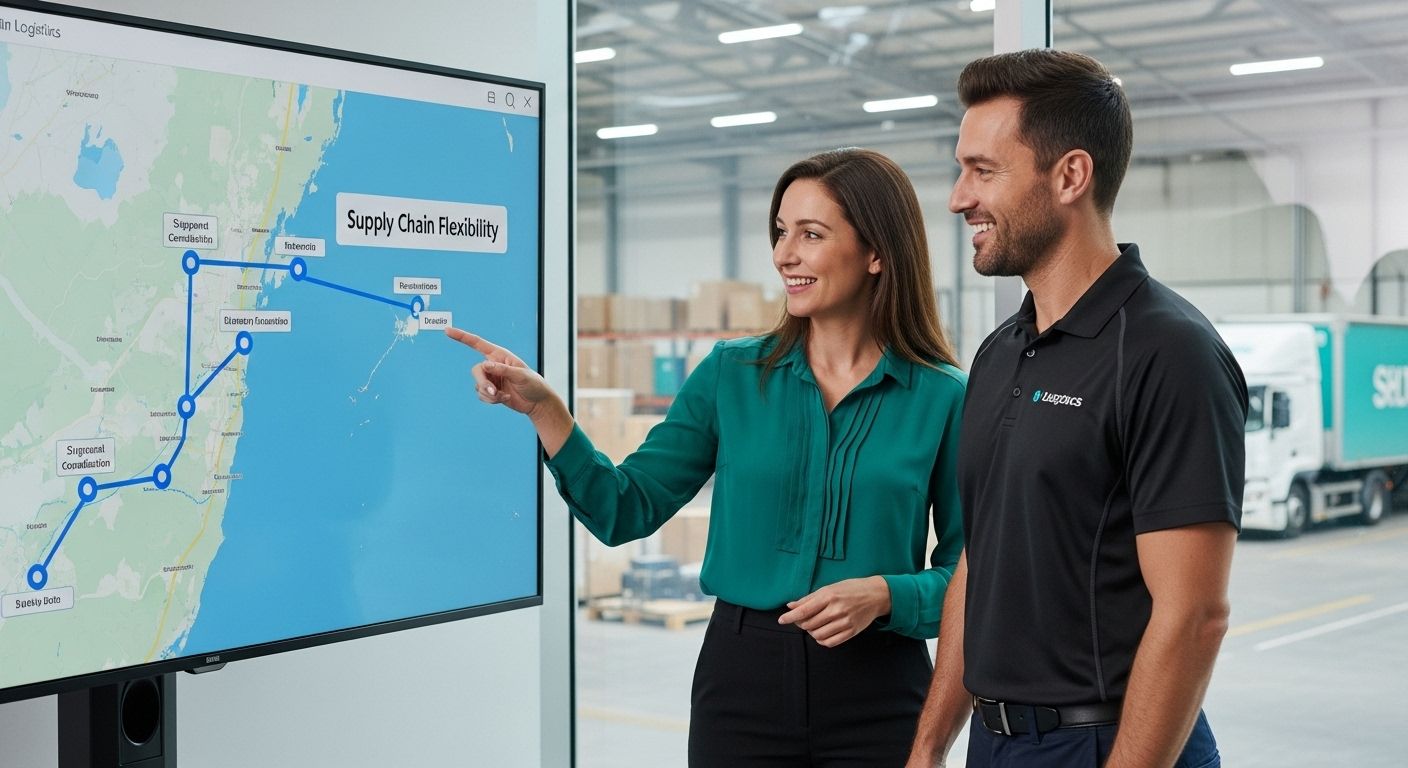
| Freight consolidation enhances supply chain flexibility. | This method enables businesses to respond quickly to demand fluctuations by leveraging shared transportation resources. |
Defining Freight Consolidation and Its Fundamental Concepts
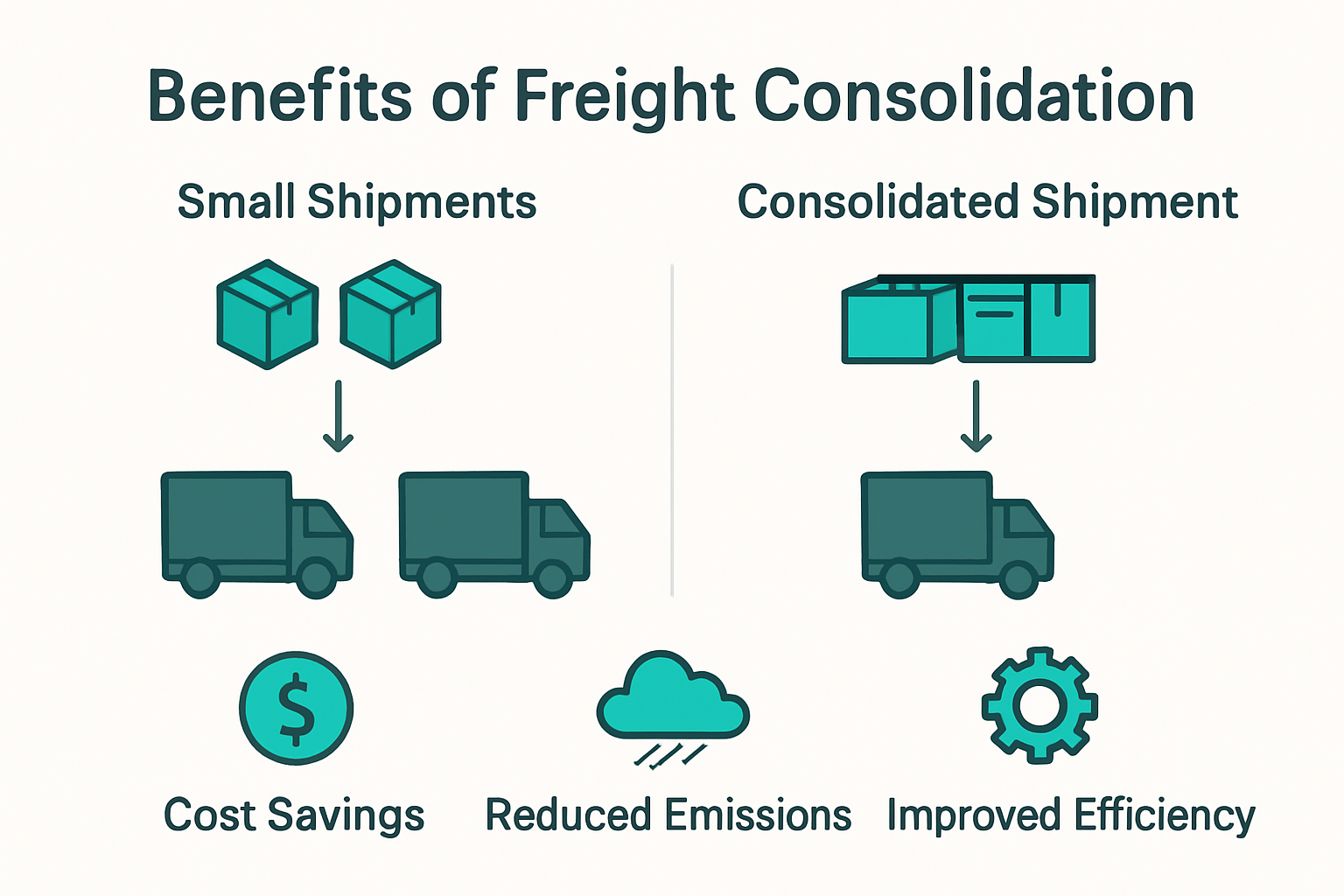
Freight consolidation represents a strategic logistics approach that transforms how businesses manage shipping processes by combining multiple smaller shipments into a single, more efficient transportation unit. This method allows companies to optimize their shipping expenses and reduce overall transportation costs.
The Core Concept of Freight Consolidation
At its essence, freight consolidation involves aggregating cargo from different shippers who are sending goods to similar destinations or along comparable routes. Instead of each shipper paying for a full truck or container load, they share transportation expenses by combining their shipments. Learn more about efficient shipping strategies can help businesses understand how this process works.
According to the World Road Association, freight consolidation provides several critical advantages for businesses:
- Reduces individual shipping costs
- Minimizes carbon footprint through fewer transportation movements
- Increases shipping efficiency for smaller volume shippers
How Freight Consolidation Operates
The operational mechanism of freight consolidation relies on consolidation centers or cross-dock facilities where shipments from multiple sources are collected, sorted, and reorganized for efficient transportation.
These centers act as crucial coordination points, enabling logistics providers to create optimized load configurations that maximize truck or container capacity.
Businesses benefit from this approach by gaining access to more economical shipping rates, reducing their individual transportation expenses, and supporting more sustainable logistics practices. The process is particularly advantageous for small to medium-sized enterprises that might not have sufficient cargo volume to justify a dedicated shipping arrangement.
The Importance of Freight Consolidation in Modern Logistics
Freight consolidation has emerged as a critical strategy for businesses seeking to optimize their supply chain operations and reduce transportation expenses. By transforming traditional shipping approaches, this method provides significant economic and environmental advantages across various industry sectors.
Economic Benefits of Freight Consolidation
The economic impact of freight consolidation extends far beyond simple cost reduction. Explore advanced shipping strategies that can help businesses understand their potential financial gains. According to research from the MIT Center for Transportation and Logistics, consolidation enables companies to achieve substantial financial efficiencies:
To clarify the main economic, operational, and environmental benefits of freight consolidation, the table below summarizes each benefit category and its corresponding advantages as discussed in the article.
| Benefit Category | Advantages |
|---|---|
| Cost Savings | Reduces per-unit shipping costs; lowers overall transportation expenses; enables access to competitive rates |
| Increased Efficiency | Minimizes unused cargo space; streamlines delivery networks; maximizes truck/container capacity |
| Supply Chain Flexibility | Responds to demand fluctuations quickly; leverages shared transportation resources |
| Environmental Impact | Reduces carbon emissions; minimizes road congestion; decreases fuel consumption |
| Small Business Access | Makes economical shipping options accessible to smaller enterprises |
- Reduces per-unit shipping costs
- Minimizes unused cargo space
- Decreases overall transportation expenditures
- Enables smaller businesses to access more competitive shipping rates
Environmental and Operational Advantages
Modern logistics increasingly prioritizes sustainability, and freight consolidation plays a pivotal role in this transformation. By combining multiple shipments into single transportation units, businesses can significantly reduce their carbon footprint. The environmental benefits are substantial, including reduced fuel consumption, lower greenhouse gas emissions, and decreased road congestion.
Operationally, freight consolidation allows businesses to improve their supply chain flexibility. Companies can leverage shared transportation resources, enabling more frequent and efficient deliveries. This approach is particularly beneficial for small and medium-sized enterprises that lack the volume to justify dedicated shipping arrangements, providing them with access to more sophisticated and cost-effective logistics solutions.
How Freight Consolidation Works: Key Processes Explained
Freight consolidation represents a sophisticated logistics strategy that transforms fragmented shipping processes into streamlined, efficient transportation networks. Understanding its operational mechanics provides valuable insights into how businesses can optimize their supply chain management.
The Consolidation Center Mechanism
Consolidation centers function as critical nerve centers in the freight consolidation process. Explore advanced logistics techniques that reveal the intricate workings of these facilities. According to the Federal Highway Administration, these centers perform several essential functions:
- Collect shipments from multiple shippers
- Sort and categorize cargo based on destination
- Reorganize shipments for maximum transportation efficiency
- Coordinate logistics for optimal route planning
Routing and Transportation Optimization
The core of freight consolidation lies in its ability to transform multiple small shipments into comprehensive, cost-effective transportation solutions. Logistics providers analyze shipment volumes, destinations, and timing to create strategic cargo combinations. This process involves sophisticated routing algorithms that minimize transportation distances, reduce fuel consumption, and maximize vehicle capacity.
By aggregating shipments from various businesses headed in similar directions, consolidation centers can significantly reduce the number of individual truck or container movements. This approach not only cuts transportation expenses but also contributes to reduced carbon emissions and improved overall supply chain sustainability.
Benefits of Freight Consolidation for Businesses and Supply Chains
Freight consolidation offers transformative advantages that extend far beyond simple cost reduction, providing strategic benefits for businesses across various industry sectors. By reimagining traditional shipping approaches, companies can unlock significant operational and financial improvements.
Financial and Cost Optimization
Cost efficiency stands as the primary advantage of freight consolidation. Discover comprehensive shipping optimization strategies that can revolutionize logistics management. According to research from the Massachusetts Institute of Technology, businesses can achieve substantial financial benefits:
- Dramatically reduce per-shipment transportation expenses
- Minimize unused cargo space and wasted transportation resources
- Lower overall logistics expenditure
- Enable smaller businesses to access more competitive shipping rates
Operational and Environmental Advantages
Beyond financial gains, freight consolidation delivers significant operational improvements. By aggregating shipments, businesses can enhance supply chain flexibility, reduce delivery lead times, and optimize transportation routes. Strategic cargo combination allows companies to transform fragmented shipping processes into streamlined, efficient networks.
Moreover, the environmental impact of freight consolidation cannot be overstated. Reducing the number of individual transportation movements leads to decreased carbon emissions, lower fuel consumption, and minimized road congestion. This approach aligns with growing corporate sustainability goals, positioning businesses as environmentally responsible participants in global logistics networks.
Real-World Applications and Examples of Freight Consolidation
Freight consolidation has transformed logistics strategies across multiple industries, demonstrating its versatility and critical importance in modern supply chain management. By understanding practical implementations, businesses can gain insights into how this approach creates tangible operational advantages.
Manufacturing and Retail Sector Applications
Manufacturing supply chains represent prime candidates for freight consolidation strategies. Explore advanced logistics solutions that showcase real-world implementation techniques. According to the U.S. Department of Transportation, businesses can leverage consolidation in several strategic ways:
- Combine component shipments from multiple suppliers
- Reduce inventory holding costs
- Streamline production material procurement
- Minimize transportation expenses for raw materials
Cross-Industry Consolidation Strategies
E-commerce and technology sectors have particularly embraced freight consolidation as a transformative logistics approach. Companies like regional fulfillment networks utilize consolidated shipping to aggregate products from various sellers, creating more efficient distribution channels. Regional distribution centers play a crucial role in this process, acting as centralized hubs where shipments from different sources are combined and routed strategically.
Small and medium-sized enterprises benefit significantly from these consolidation models, gaining access to more cost-effective shipping solutions that were previously available only to large corporations. By pooling resources and sharing transportation infrastructure, businesses can achieve economies of scale and reduce their overall logistics expenditure.
Unlock the Full Power of Freight Consolidation with Reliable Courier Services
Are you tired of high shipping costs, poor supply chain visibility, or being unable to maximize the benefits of freight consolidation? Many businesses struggle to combine multiple small shipments efficiently, risking missed savings and waste across their logistics networks. At or-ner.com, we understand the challenges of finding reliable courier services, real-time shipment tracking, and streamlined inventory management, especially when managing diverse product categories and cross-border deliveries.
If you are ready to optimize your shipping strategy and lower your transportation expenses, do not wait. Discover how our all-in-one platform connects you to a global network of fulfillment centers, automates workflows, and provides real-time data insights for smarter logistics decisions. Take your business further with reliable courier services that bridge the gap between efficient freight consolidation and ecommerce growth. Get started today at or-ner.com and experience logistics solutions built with your challenges in mind.
Frequently Asked Questions
What is freight consolidation?
Freight consolidation is a logistics strategy that combines multiple smaller shipments into one larger shipment, optimizing transportation costs and efficiency.
How does freight consolidation work?
Freight consolidation operates through consolidation centers where shipments from various shippers are collected, sorted, and organized for efficient transportation to similar destinations.
What are the benefits of freight consolidation for businesses?
Benefits include reduced shipping costs, minimized carbon footprint, increased shipping efficiency, and improved access to competitive shipping rates for smaller businesses.
Why is freight consolidation important for sustainability?
Freight consolidation is important for sustainability because it reduces the number of transportation movements, leading to lower fuel consumption, reduced greenhouse gas emissions, and minimized road congestion.