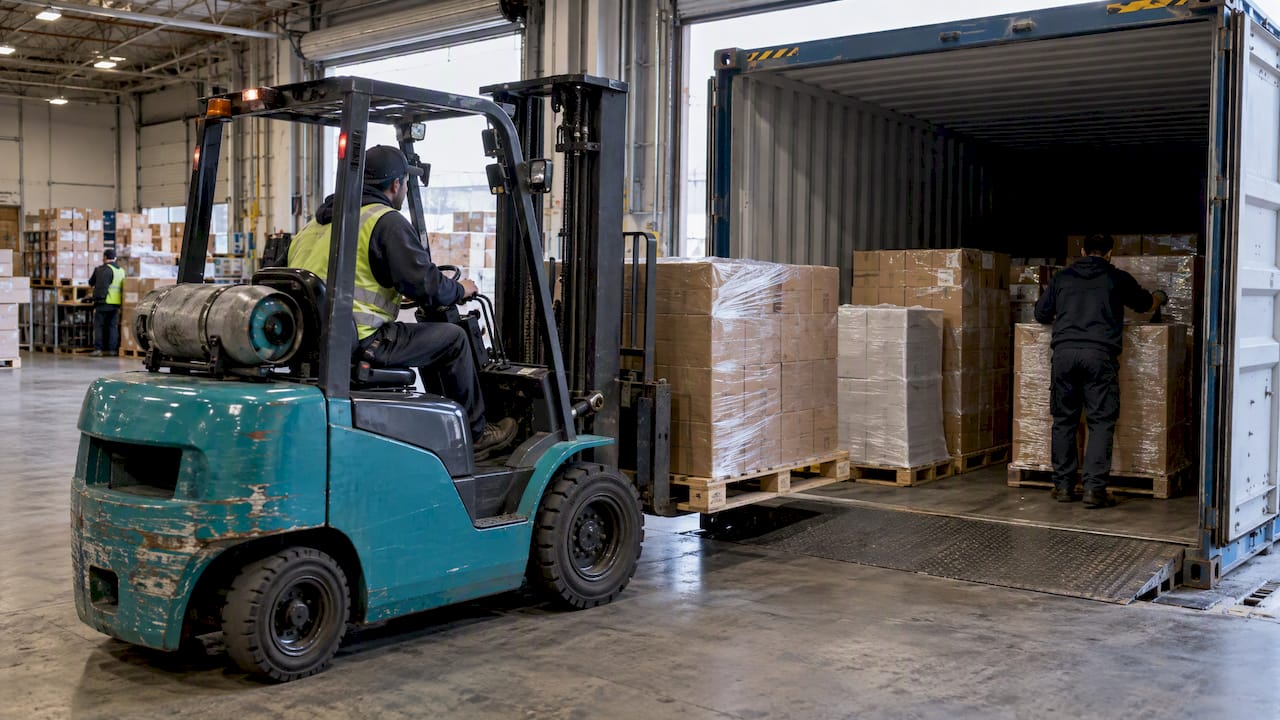
Warehouse management in ecommerce can make or break your business success and lead to major wins or painful losses. Think warehouses are just big storage rooms with boxes and forklifts? Not quite. Businesses that use real-time inventory tracking have seen stockouts drop by up to 40 percent which is a total game changer for keeping customers happy and profits steady. The real surprise is how much modern technology and smart strategy can transform a warehouse into the engine of ecommerce growth.
Table of Contents
- Key Principles Of Warehouse Management
- Optimizing Inventory And Order Fulfillment
- Leveraging Technology For Better Operations
- Best Practices For Scaling And Growth
Quick Summary
| Takeaway | Explanation |
|---|---|
| Prioritize Real-Time Inventory Tracking | Maintaining accurate stock levels can significantly reduce stockouts and overstock situations by up to 40%. |
| Optimize Warehouse Layout for Efficiency | A strategic design can enhance order processing speed by 30% and lower operational costs. |
| Embrace Automation and Technology | Implementing technologies like AI and robotics can streamline operations and improve accuracy in warehousing. |
| Utilize Predictive Analytics for Inventory | Advanced forecasting techniques allow better demand anticipation, reducing safety stock without sacrificing service quality. |
| Invest in Employee Development Alongside Tech | Equipping your workforce with the latest skills ensures operational excellence and better technology integration. |
Key Principles of Warehouse Management
Warehouse management represents a complex operational framework that demands strategic planning and precise execution. Successful ecommerce businesses understand that effective warehouse management goes beyond simple storage solutions and requires a holistic approach to inventory control, workflow optimization, and technological integration.
Inventory Control and Accuracy
At the core of warehouse management lies robust inventory control. Efficient warehouse operations depend on maintaining accurate stock levels and implementing sophisticated tracking mechanisms. According to research from LogisticsNews, businesses that prioritize real-time inventory tracking can reduce stockout incidents by up to 40% and minimize overstock situations.
Key strategies for maintaining inventory accuracy include:
- Systematic Tracking: Utilize advanced inventory management systems that provide real-time updates
- Regular Physical Audits: Conduct consistent physical inventory checks to reconcile digital records
- Technology Integration: Implement barcode scanning and RFID technologies for precise tracking
Operational Efficiency and Layout Design
Warehouse layout and operational workflow directly impact productivity and cost-effectiveness. According to GeekForGeeks research, strategic warehouse design can improve order processing speeds by 30% and reduce operational costs.
Critical considerations for optimizing warehouse operations include:
- Implementing logical product placement strategies
- Creating clear and efficient picking routes
- Minimizing unnecessary movement and handling of inventory
- Utilizing vertical space effectively through advanced shelving and storage solutions
Technology and Continuous Improvement
Modern warehouse management demands continuous technological adaptation and process refinement. Successful organizations invest in warehouse management systems (WMS) that provide comprehensive insights and automation capabilities. By embracing technological solutions, businesses can streamline operations, reduce human error, and enhance overall supply chain performance.
Here is a summary table outlining key strategies and benefits of technology used in warehouse management, as described in the article. This table helps clarify how each technology contributes to operational efficiency and fulfillment accuracy.
| Technology | Key Benefits |
|---|---|
| Real-time Inventory Tracking | Reduces stockouts by up to 40%, minimizes overstock |
| Warehouse Management Systems (WMS) | Provides automation, analytics, and streamlined ops |
| Barcode & RFID Technology | Enables accurate, fast, and systematic inventory checks |
| Robotics and Automation | Increases order processing speed, reduces errors |
| Predictive Analytics/AI | Optimizes demand forecasting and inventory control |
| Drone-based Inventory Monitoring | Enhances traceability and rapid item identification |
Key technological principles include:
- Automated inventory tracking systems
- Real-time data analytics and reporting
- Integration of machine learning for predictive inventory management
- Comprehensive employee training on technological platforms
Warehouse management is not a static process but a dynamic ecosystem that requires constant attention, strategic planning, and technological innovation. Ecommerce businesses that master these key principles will position themselves for sustained operational excellence and competitive advantage in an increasingly complex global marketplace.
Optimizing Inventory and Order Fulfillment
Inventory and order fulfillment represent critical components of warehouse management that directly impact customer satisfaction and operational profitability. Ecommerce businesses must develop sophisticated strategies that balance inventory precision with rapid order processing to maintain competitive advantage.
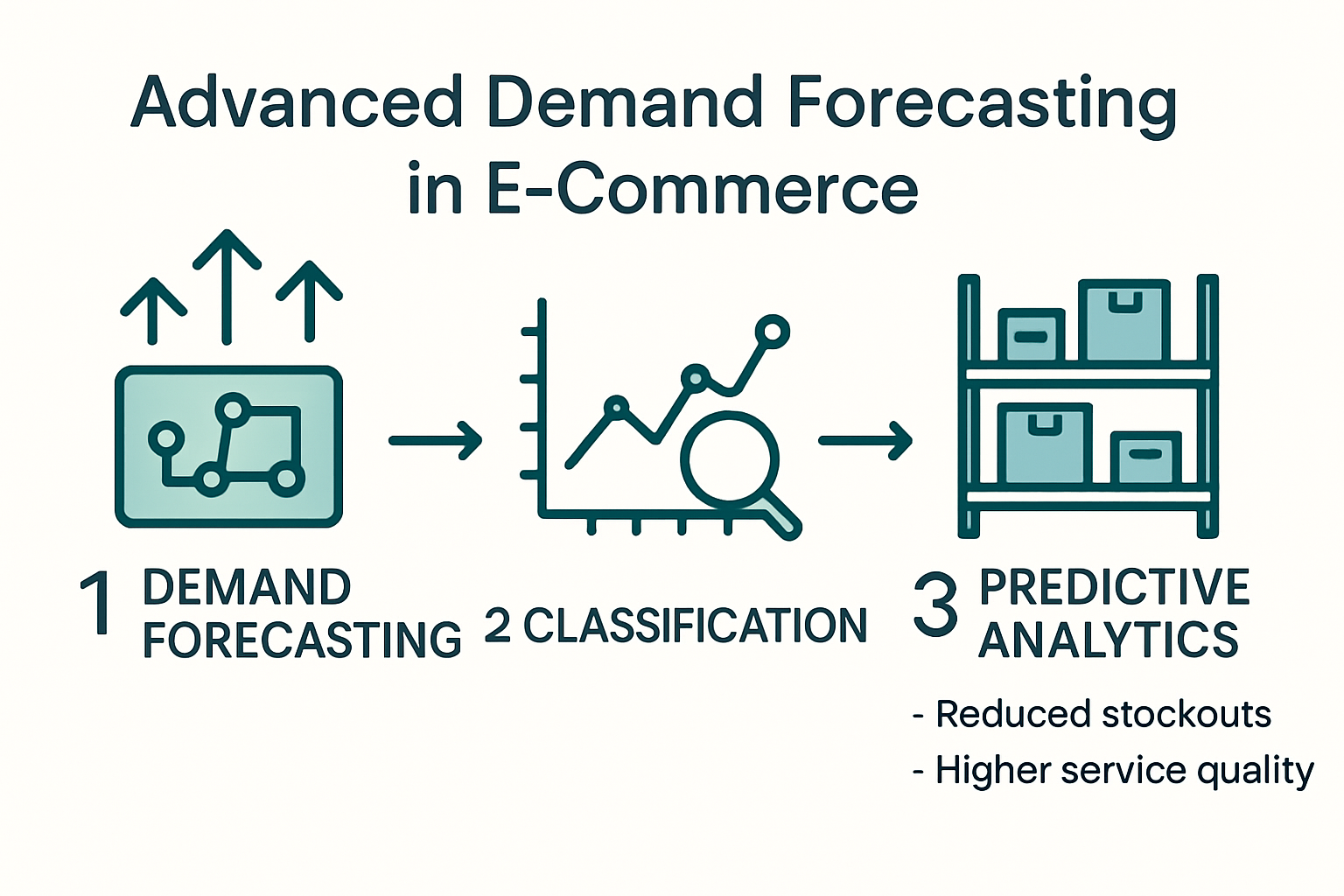
Demand Forecasting and Inventory Classification
Successful inventory management begins with advanced demand forecasting techniques. Learn more about strategic inventory planning, which helps businesses anticipate customer needs and optimize stock levels. According to research from the University of Missouri-St. Louis, advanced optimization models can significantly reduce safety stock levels while maintaining high service quality.
Key strategies for effective inventory management include:
- Dynamic Inventory Segmentation: Classify products based on demand volatility and profit potential
- Predictive Analytics: Utilize machine learning algorithms to forecast future inventory requirements
- Multi-Period Optimization: Develop flexible inventory control models that adapt to changing market conditions
Order Processing and Fulfillment Efficiency
Streamlining order processing is essential for maintaining customer satisfaction and operational excellence. According to the American Institute of Industrial Engineering and Management, implementing lean principles can dramatically improve order fulfillment speed and accuracy.
Critical approaches to enhance order fulfillment include:
- Implementing modular warehouse layouts
- Developing standardized picking and packing procedures
- Utilizing batch processing techniques
- Integrating real-time tracking and communication systems
Technology and Continuous Improvement
Technology plays a pivotal role in optimizing inventory and order fulfillment processes. Just-in-time delivery strategies enable businesses to minimize inventory holding costs while maintaining high service levels. Modern warehouses leverage advanced technologies such as:
- Automated inventory management systems
- RFID and barcode tracking technologies
- Artificial intelligence for predictive inventory management
- Integrated order management platforms
By continuously refining inventory strategies and embracing technological innovations, ecommerce businesses can create responsive, efficient fulfillment ecosystems that adapt quickly to market demands and customer expectations. The key lies in developing a holistic approach that balances data-driven insights, technological integration, and operational flexibility.
Leveraging Technology for Better Operations
Technology has transformed warehouse operations from traditional manual processes to sophisticated, data-driven ecosystems. Ecommerce businesses that strategically integrate advanced technological solutions can significantly enhance operational efficiency, accuracy, and overall performance.
Automated Warehousing Solutions
Automation represents a critical technological frontier in warehouse management. Explore digital transformation strategies that revolutionize operational capabilities. According to research exploring UAV-based inventory systems, innovative technologies like drone-based inventory tracking can dramatically improve item traceability and data collection speed.
Key automated technologies include:
- Robotic Pick and Pack Systems: Automated guided vehicles that handle order fulfillment
- Drone Inventory Monitoring: Advanced aerial systems for real-time warehouse scanning
- Autonomous Mobile Robots: Self-navigating units that optimize internal logistics
Smart Inventory Management Systems
Smart technology enables unprecedented inventory visibility and management precision. Advanced warehouse management systems integrate multiple technological approaches to create comprehensive operational intelligence. According to research on IoT technologies, Internet of Things implementations can enhance real-time logistics information perception and storage efficiency.
critical technological integration strategies include:
- Implementing RFID tracking mechanisms
- Utilizing cloud-based inventory management platforms
- Developing predictive analytics for demand forecasting
- Creating interconnected sensor networks for real-time monitoring
Artificial Intelligence and Machine Learning
Artificial intelligence and machine learning represent transformative technologies in warehouse operations. Research on neural computational approaches demonstrates how AI can optimize worker coordination, maximize order throughput, and create intelligent routing systems for both human workers and automated vehicles.
Advanced AI applications in warehouse management include:
- Predictive maintenance for warehouse equipment
- Dynamic workforce optimization
- Intelligent inventory positioning algorithms
- Real-time performance analytics and recommendations
Successful technological integration requires a holistic approach that balances cutting-edge solutions with practical implementation strategies. Ecommerce businesses must view technology not as a replacement for human workers but as a powerful tool to augment human capabilities, create more efficient workflows, and deliver exceptional operational performance.
Best Practices for Scaling and Growth
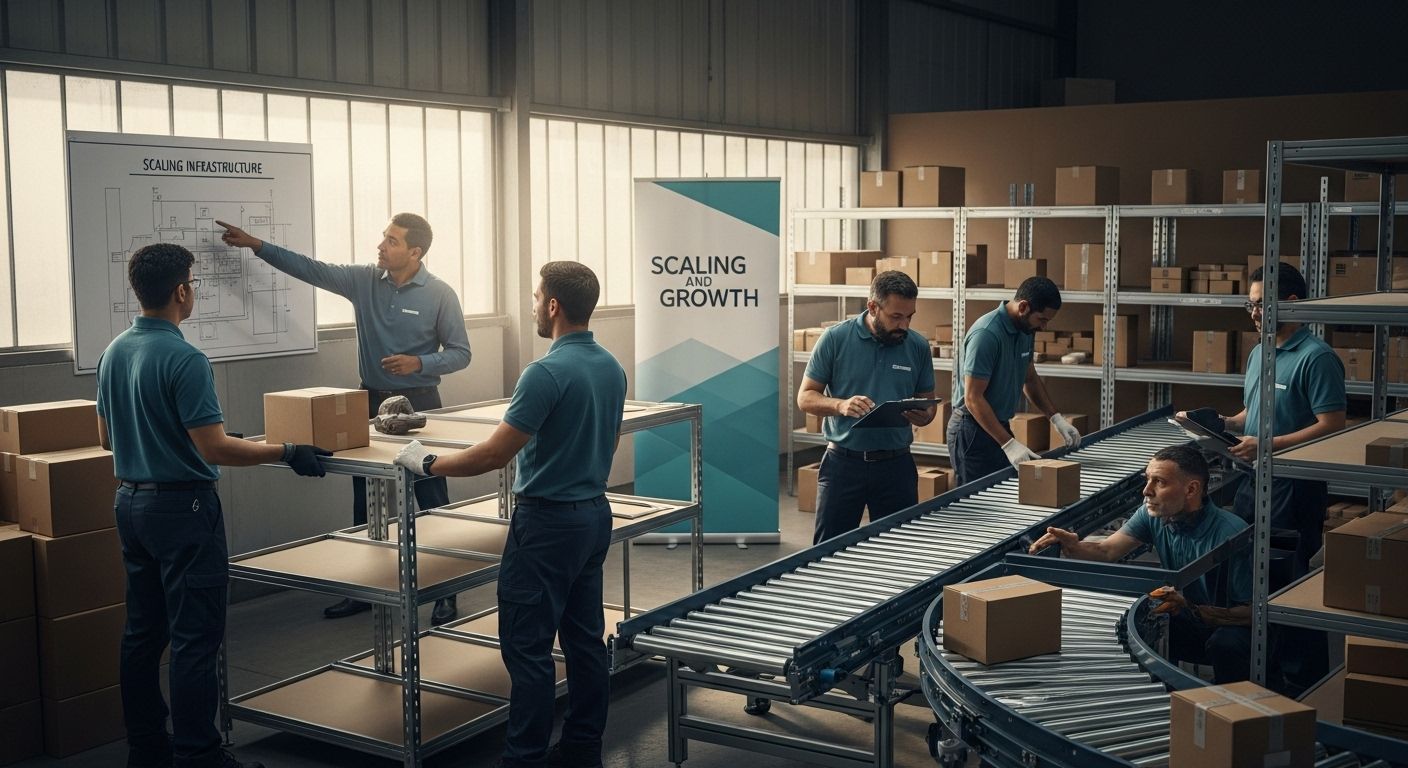
Scaling warehouse operations requires strategic planning, adaptable infrastructure, and a comprehensive approach to managing increasing complexity. Ecommerce businesses must develop robust frameworks that enable sustainable growth while maintaining operational efficiency and customer satisfaction.
The table below organizes essential strategies for scaling warehouse operations, making it easy to compare how each area supports business growth and operational excellence. Use it as a quick reference for planning expansion efforts.
| Area of Focus | Example Strategies | Scaling Benefit |
|---|---|---|
| Infrastructure | Modular storage, flexible layouts, multi-location networks | Rapid adaptation to demand and changing needs |
| Operational Efficiency | Standardized processes, performance metrics, staff training | Maintains quality and consistency during growth |
| Technology Integration | Scalable WMS, data analytics, automation | Efficient expansion and improved decision making |
| Human Capital | Employee training, cross-functional teams | Readiness for new processes and technology |
Strategic Infrastructure Development
Successful scaling begins with creating flexible and expandable warehouse infrastructure. According to research on Lean Six Sigma methodologies, strategic warehouse design plays a critical role in supporting organizational growth. Businesses must focus on developing adaptable spaces that can quickly reconfigure to meet changing operational demands.
Key infrastructure scaling strategies include:
- Modular Storage Solutions: Implementing adjustable shelving and storage systems
- Flexible Layout Design: Creating warehouse spaces that can easily be reconfigured
- Scalable Technology Integration: Selecting systems that can expand with business needs
- Multi-Location Strategy: Developing distributed warehouse networks to support broader market reach
Operational Efficiency and Process Optimization
As businesses grow, maintaining operational efficiency becomes increasingly challenging. Explore strategic logistics solutions that support sustainable expansion. Critical approaches to maintaining efficiency during scaling include standardizing processes, implementing continuous improvement methodologies, and developing robust performance measurement systems.
Essential optimization strategies encompass:
- Developing standardized operating procedures
- Creating comprehensive training programs
- Implementing performance tracking metrics
- Establishing clear communication protocols
- Regularly analyzing and refining operational workflows
Technological and Human Capital Investment
Successful scaling requires simultaneous investment in technological infrastructure and human capabilities. Organizations must develop comprehensive strategies that balance technological innovation with employee development and engagement.
Key investment areas include:
- Advanced warehouse management systems
- Continuous employee training and skill development
- Cross-functional training programs
- Automation technologies that complement human workers
- Data analytics capabilities for informed decision making
The most successful ecommerce businesses approach scaling as a holistic process that integrates technological innovation, strategic planning, and human capital development. By creating adaptable systems, investing in continuous improvement, and maintaining a forward-looking perspective, organizations can transform growth challenges into sustainable competitive advantages.
Ultimately, scaling is not about rapid expansion but about creating intelligent, responsive warehouse ecosystems that can adapt quickly to market changes while maintaining operational excellence and customer satisfaction.
Frequently Asked Questions
What is real-time inventory tracking and why is it important for warehouse management?
Real-time inventory tracking is a system that provides up-to-the-minute visibility of stock levels, helping businesses avoid stockouts and overstock situations. It is crucial for maintaining customer satisfaction and ensuring efficient operations.
How can the layout of a warehouse impact operational efficiency?
A well-designed warehouse layout can enhance order processing speed by up to 30% and reduce operational costs by minimizing unnecessary movement of goods, optimizing picking routes, and utilizing vertical space effectively.
What technologies are essential for modern warehouse management?
Key technologies include automated inventory management systems, barcode and RFID tracking, robotics for picking and packing, and artificial intelligence for demand forecasting and performance analytics. These technologies enhance accuracy and streamline operations.
Why is employee training important in warehouse management?
Investing in employee training ensures that staff are skilled in utilizing new technologies and processes. This not only enhances operational efficiency but also promotes a culture of continuous improvement and adaptability as the business scales.
Unlock Seamless Ecommerce Success with Proven Warehouse Solutions
Are you tired of battling unpredictable inventory, costly errors, and slow order processing? The article highlighted how real-time inventory tracking and technology-driven fulfillment can transform your warehouse into a powerful growth engine. If your business struggles with keeping stock accurate, scaling operations, or meeting customer demands on time, it is time to stop risking lost sales and customer trust. You deserve a partner who understands ecommerce and can deliver the reliable courier services and end-to-end logistics that simplify growth and boost efficiency.
Choose a logistics solution built for your unique needs. At or-ner.com, you get direct access to expert reliable courier services, customizable fulfillment, real-time analytics, and a proven global network of warehouses—all designed to help you maintain control and stay one step ahead of competitors. Experience fast cross-border shipping, seamless inventory management, and support that grows with your business. Do not let outdated warehousing hold you back. Explore or-ner.com now and discover a better way to scale your ecommerce operations today.