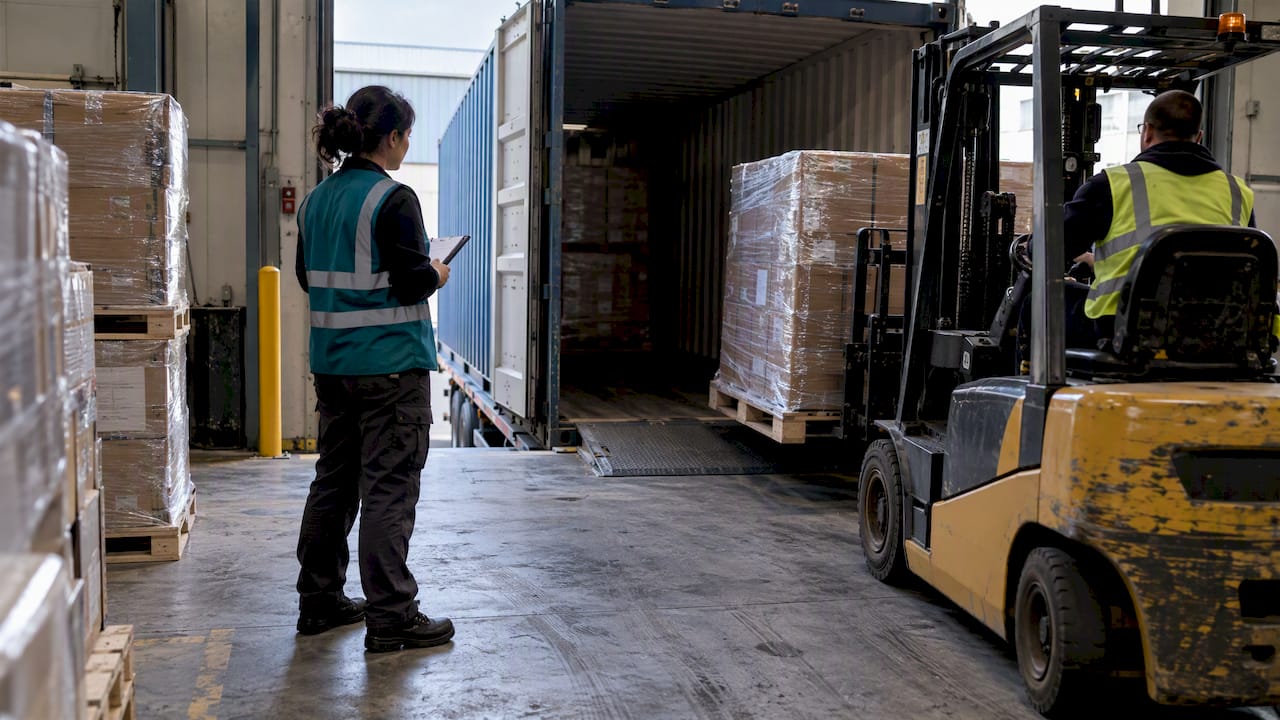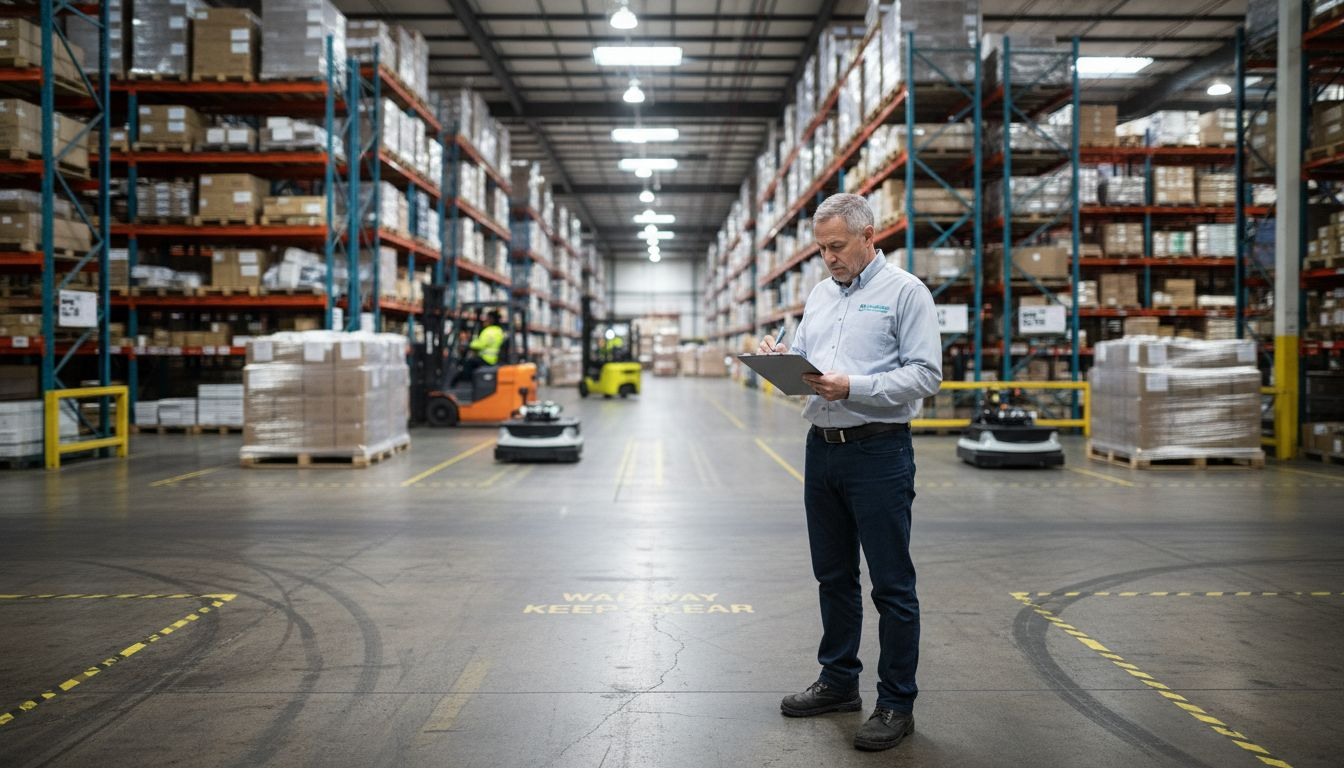
Most American warehouses lose up to 30 percent of work hours to manual errors and inefficient handling. For logistics managers, every missed order or delayed shipment is a threat to customer satisfaction and profit margins. As demands grow and costs climb, automation solutions offer a powerful path to greater efficiency and lower expenses. This guide unpacks the realities of warehouse automation, separating facts from myths so you can make informed decisions for your business.
Table of Contents
- Warehouse Automation Defined and Debunked
- Major Types of Warehouse Automation Technology
- How Automation Solutions Improve Efficiency
- Cost Savings and ROI for Logistics Managers
- Common Challenges and How to Avoid Them
Key Takeaways
| Point | Details |
|---|---|
| Warehouse Automation Benefits | Automation technologies enhance efficiency, reduce errors, and enable real-time tracking, significantly improving logistics operations. |
| Financial Gains from Automation | Strategic investments in automation lead to substantial cost reductions and increased productivity, benefiting overall supply chain performance. |
| Implementation Challenges | Successful automation requires addressing technology integration hurdles and workforce readiness through comprehensive planning and training. |
| Phased Approach Recommended | A gradual implementation strategy allows for risk minimization and validates efficiency gains before full-scale deployment. |
Warehouse Automation Defined and Debunked
Warehouse automation represents a transformative technological shift in logistics, fundamentally reimagining how physical goods are processed, tracked, and managed. At its core, warehouse automation encompasses programmable machines and AI-based tools that lift, sort, and move products with minimal human intervention.
Modern warehouse automation goes far beyond simple mechanization. It integrates advanced technologies like robotic systems, artificial intelligence, machine learning algorithms, and interconnected digital platforms to create smart, responsive logistics environments. These systems dramatically enhance operational precision by reducing human error, accelerating processing speeds, and providing real-time tracking and inventory management capabilities.
Key components of warehouse automation include:
- Automated Storage and Retrieval Systems (AS/RS)
- Robotic picking and sorting machines
- Conveyor and sortation technologies
- Automated guided vehicles (AGVs)
- Warehouse management software platforms
- Machine learning inventory prediction tools
The warehouse of the future represents an interconnected ecosystem designed to improve precision, flexibility, and efficiency while simultaneously addressing sustainability challenges. This technological evolution is driven by escalating ecommerce demands, persistent labor shortages, and increasing environmental regulations that require more intelligent, adaptive logistics solutions.
Pro tip: Start your warehouse automation journey by conducting a comprehensive audit of your current processes, identifying bottlenecks and opportunities for strategic technology integration.
Major Types of Warehouse Automation Technology
Warehouse automation technologies represent a sophisticated spectrum of hardware and software solutions designed to transform logistics operations, ranging from basic mechanical systems to advanced artificial intelligence-driven platforms. These technologies enable businesses to dramatically improve operational efficiency, accuracy, and speed across multiple warehouse processes.
The primary categories of warehouse automation technology can be strategically divided into several key segments:
Mechanical Automation Systems:
- Conveyor and sortation systems
- Automated Storage and Retrieval Systems (AS/RS)
- Robotic picking and palletizing machines
- Overhead crane systems
Intelligent Automation Technologies:
- Autonomous Mobile Robots (AMRs)
- Warehouse Management Software platforms with integrated AI capabilities
- Machine learning inventory tracking systems
- Internet of Things (IoT) sensor networks
Sophisticated warehouse automation goes beyond simple mechanization, creating intelligent ecosystems where hardware and software communicate seamlessly. These integrated systems can predict inventory needs, optimize routing, reduce human error, and provide real-time operational insights that enable unprecedented levels of efficiency and responsiveness.
Advanced automation technologies are particularly transformative for ecommerce and high-volume distribution centers, where speed, accuracy, and scalability are mission-critical. By leveraging these technologies, warehouses can achieve remarkable improvements in productivity, reduce operational costs, and create more adaptive, resilient logistics infrastructures.
Here’s a comparison of key warehouse automation technologies and their primary business benefits:
| Automation Type | Core Function | Common Use Case | Business Impact |
|---|---|---|---|
| AS/RS | Automated storage/retrieval | High-density inventory handling | Maximizes space, reduces labor |
| AMRs | Dynamic product movement | Flexible, on-demand transport | Boosts speed, lowers error rates |
| Conveyor Systems | Product transport lines | Streamlined order fulfillment | Increases throughput |
| AI Software | Decision and prediction | Inventory management, routing | Enhances accuracy, cuts costs |
Pro tip: Conduct a comprehensive technology audit and pilot test small-scale automation solutions before full implementation to minimize risks and validate potential efficiency gains.
How Automation Solutions Improve Efficiency
Warehouse automation solutions fundamentally transform operational efficiency by addressing critical challenges in logistics and inventory management. These advanced technologies dramatically reduce manual labor requirements, minimize human error, and create more responsive, adaptive operational environments.

The key efficiency improvements driven by automation solutions include:
Productivity Enhancement:
- 30-50% faster processing times
- Reduced labor dependency
- Continuous 24/7 operational capabilities
- Precision tracking and inventory management
Cost Optimization:
- Lower operational expenses
- Reduced human error rates
- Minimized product damage
- Optimized warehouse space utilization
Effective automation integrates innovative technologies that emphasize interoperability, scalability, and strategic value, enabling businesses to create more intelligent and responsive logistics infrastructures. Advanced AI-driven systems can autonomously plan routes, adapt to complex environments, and provide real-time operational insights that traditional manual processes cannot match.
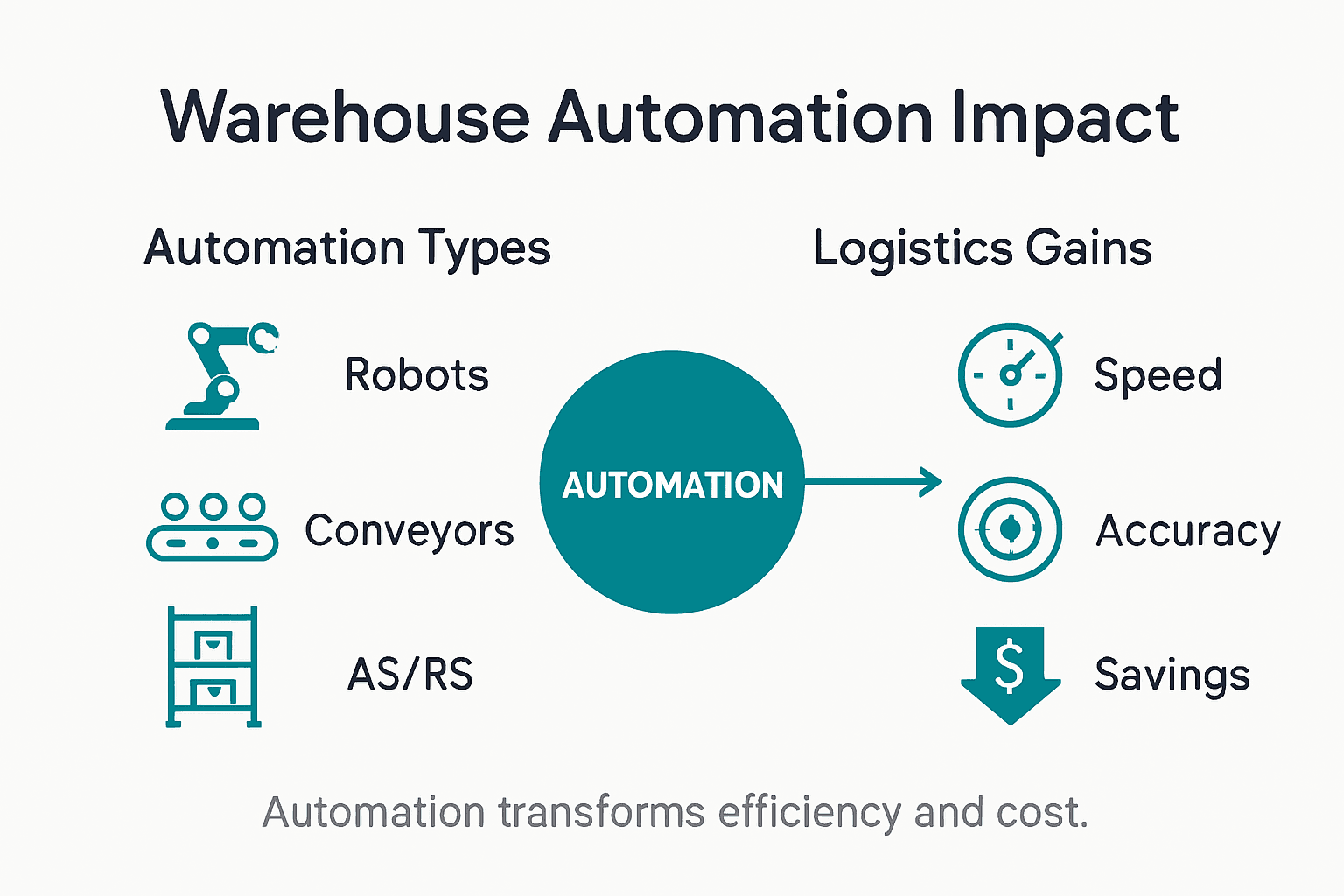
Modern automation solutions are particularly transformative for high-volume distribution centers, where speed, accuracy, and flexibility are mission-critical. By leveraging these technologies, warehouses can achieve unprecedented levels of operational excellence, reduce delivery times, and create more resilient supply chain networks that can quickly adapt to changing market demands.
Pro tip: Implement a phased automation strategy that prioritizes incremental technological integration, allowing your team to gradually build expertise and minimize implementation risks.
Cost Savings and ROI for Logistics Managers
Warehouse automation investments represent a strategic approach to generating substantial financial returns by transforming traditional operational cost structures. By systematically reducing labor expenses, optimizing space utilization, and increasing overall throughput, logistics managers can unlock significant economic value across their supply chain operations.
Key financial benefits of warehouse automation include:
Direct Cost Reductions:
- 40-60% lower labor expenditures
- Reduced worker compensation and training costs
- Minimized workplace injury expenses
- Decreased equipment maintenance charges
Operational Efficiency Gains:
- 25-35% increased productivity
- Enhanced inventory accuracy
- Faster order processing times
- Improved resource allocation
Strategic automation investments unlock hidden financial gains by considering broader supply chain impacts beyond immediate labor savings. Successful implementations focus on comprehensive technological integration that aligns automation projects with overarching organizational objectives, creating a holistic approach to operational transformation.
Logistics managers must view automation not as an expense, but as a strategic investment that generates compounding returns. By carefully selecting technologies tailored to specific operational needs, businesses can create more resilient, adaptive logistics infrastructures that continuously generate economic value and competitive advantages.
Pro tip: Develop a detailed ROI analysis model that tracks both direct and indirect financial benefits, including productivity gains, error reduction, and long-term operational flexibility.
Common Challenges and How to Avoid Them
Warehouse automation implementation presents complex challenges that require strategic planning and comprehensive technological understanding. Logistics managers must navigate multiple potential obstacles to ensure successful digital transformation of their operational infrastructure.
Critical challenges in warehouse automation include:
Technology Integration Challenges:
- Fragmented digital initiatives
- Lack of system interoperability
- Complex technology compatibility issues
- High initial implementation costs
Strategic Implementation Barriers:
- Narrow return on investment calculations
- Limited workforce technology readiness
- Insufficient change management processes
- Inadequate long-term technological planning
Organizations must develop comprehensive strategies that balance technological innovation with sustainable operational objectives and workforce adaptation. Successful automation requires a holistic approach that considers technological capabilities, human factors, and long-term strategic goals.
To mitigate risks, logistics managers should prioritize flexible, scalable automation solutions that can integrate seamlessly with existing systems. This approach demands thorough due diligence, clear technological roadmaps, and a commitment to continuous learning and adaptation across organizational levels.
The following table summarizes common warehouse automation challenges and proven solutions:
| Challenge | Effect on Operations | Solution Approach |
|---|---|---|
| System Integration Issues | Data silos, slow adoption | Select open-standards platforms |
| High Initial Costs | Delayed ROI, limited scope | Start with scalable pilots |
| Workforce Skill Gaps | Underused technology | Invest in targeted training |
| Poor Change Management | Employee resistance | Align strategy with user input |
Pro tip: Conduct a comprehensive technology audit and develop a phased implementation strategy that allows incremental testing and validation of automation technologies.
Elevate Your Warehouse Automation with Reliable Courier Services from Or-Ner
The challenges explored in the article highlight the critical need for precise, flexible logistics that reduce errors and optimize operational costs. Whether you are confronting technology integration issues or seeking scalable automation solutions, achieving seamless coordination between warehousing and transportation is vital. Or-Ner.com offers an integrated platform that bridges these gaps by delivering reliable courier services combined with real-time shipment tracking, inventory management, and cross-border logistics support tailored for ecommerce sellers and global brands.
Unlock the power of smart warehouse automation combined with trusted courier partners by exploring all-in-one logistics solutions at Or-Ner.com. Discover how our global network of warehouses and fulfillment centers can transform your supply chain performance today. Take the next step toward faster processing times and improved cost efficiency by visiting Reliable Courier Services and experience logistics designed to boost your ecommerce growth.
Frequently Asked Questions
What are the main benefits of warehouse automation?
Warehouse automation enhances operational efficiency through increased productivity, cost savings, precision tracking, and lower human error rates. It allows for 24/7 operations and can significantly reduce labor dependency.
How does warehouse automation improve inventory management?
Automation solutions provide real-time tracking and predictive analytics that enhance inventory accuracy. Technologies like Automated Storage and Retrieval Systems (AS/RS) and machine learning tools help optimize stock levels and reduce excess inventory.
What types of technologies are involved in warehouse automation?
Key technologies include Automated Storage and Retrieval Systems (AS/RS), Autonomous Mobile Robots (AMRs), conveyor systems, and sophisticated warehouse management software with AI capabilities. These elements work together to streamline warehouse operations.
How can logistics managers justify the investment in warehouse automation?
Logistics managers can justify automation investments by demonstrating potential cost reductions, increased productivity, and improved resource allocation. A detailed ROI analysis can highlight both direct and indirect financial benefits from automation.