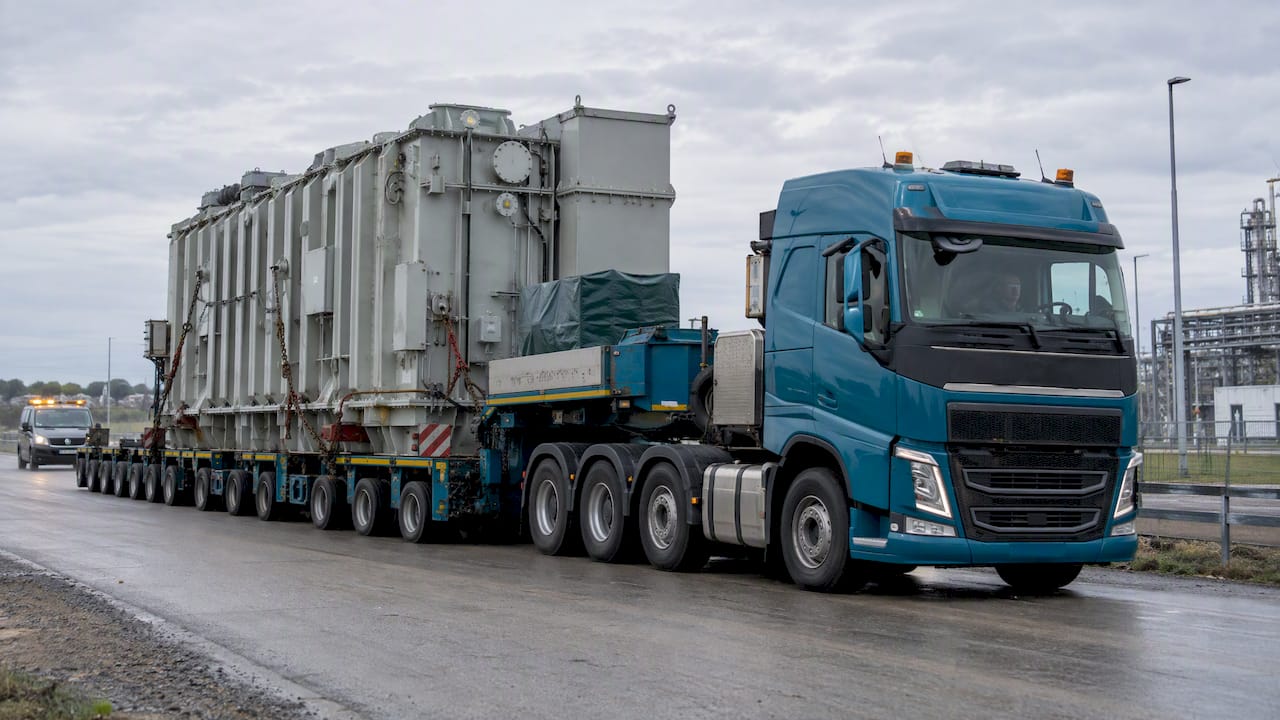
Zero emissions logistics may sound like a futuristic term, but it is shaping the way companies move goods across the globe right now. The shift is bigger than you might think. Medium and heavy-duty trucks create 23 percent of all transportation emissions in the US, yet new technologies are aiming for none at all. What surprises most people is that going zero emissions is not just about clean vehicles. The entire way supply chains operate is quietly transforming—and businesses adopting these changes are finding real-world advantages that few expected.
Table of Contents
- Defining Zero Emissions Logistics: What Does It Mean?
- The Importance Of Zero Emissions Logistics: Why It Matters
- How Zero Emissions Logistics Works: Key Components Explained
- Technological Innovations Driving Zero Emissions Logistics
- Real-World Applications And Success Stories In Zero Emissions Logistics
Quick Summary
| Takeaway | Explanation |
|---|---|
| Zero emissions eliminates carbon emissions. | It refers to logistics systems that produce no direct carbon emissions during operations, moving towards cleaner alternatives. |
| Investing in sustainability can drive business benefits. | Companies adopting zero emissions logistics can save costs, improve brand reputation, and unlock new market opportunities. |
| Technological innovation is critical for transformation. | Advanced vehicle technologies and smart infrastructure are essential components in achieving zero emissions logistics. |
| Sustainability is becoming a competitive advantage. | Firms prioritizing environmental responsibility can stand out in competitive markets and comply with evolving regulations. |
| Real-world applications showcase feasibility. | Successful case studies across industries demonstrate that zero emissions logistics can be both operationally effective and environmentally responsible. |
Defining Zero Emissions Logistics: What Does It Mean?
Zero emissions logistics represents a transformative approach to transportation and supply chain management that eliminates greenhouse gas emissions during operational processes. Unlike traditional logistics models that rely heavily on fossil fuel-powered transportation, zero emissions logistics focuses on utilizing clean energy technologies to move goods while minimizing environmental impact.
The Core Definition of Zero Emissions
At its fundamental level, zero emissions logistics means transportation and distribution systems that produce no direct carbon emissions during their operational phase. According to the U.S. Department of Energy’s Alternative Fuels Data Center, this typically involves using vehicles and equipment that generate zero tailpipe emissions, such as all-electric trucks, hydrogen fuel cell vehicles, and electric cargo handling equipment.
Key characteristics of zero emissions logistics include:
- Complete elimination of direct operational carbon emissions
- Utilization of renewable energy sources
- Deployment of electric or hydrogen-powered transportation vehicles
- Integration of sustainable infrastructure for charging and energy management
Environmental and Business Implications
Zero emissions logistics is not just an environmental strategy but a critical business transformation. Companies adopting these approaches can significantly reduce their carbon footprint while potentially accessing new market opportunities and meeting increasingly stringent regulatory requirements. Research from the EPA’s Clean Ports Program demonstrates how zero-emission technologies are rapidly becoming standard across multiple logistics sectors, including cargo handling, trucking, and maritime operations.
For businesses considering this transition, understanding zero emissions logistics means recognizing it as a comprehensive approach that goes beyond vehicle electrification. It encompasses a holistic reimagining of supply chain operations, exploring sustainable logistics solutions that minimize environmental impact. The goal is creating a logistics ecosystem that delivers goods efficiently while maintaining environmental responsibility.
Here is a comparison of traditional logistics with zero emissions logistics to illustrate the fundamental differences between the two approaches.
| Aspect | Traditional Logistics | Zero Emissions Logistics |
|---|---|---|
| Main Vehicle Types | Diesel/gasoline trucks, conventional equipment | Electric trucks, hydrogen fuel cell vehicles, electric cargo |
| Energy Source | Fossil fuels | Renewable electricity, hydrogen |
| Carbon Emissions | High (significant tailpipe and operational emissions) | Zero direct operational emissions |
| Regulatory Compliance | Increasingly challenged by new emissions standards | Proactive alignment with sustainability regulations |
| Infrastructure | Fuel stations, basic warehouses | Charging/refueling stations, smart grids, renewable energy |
| Environmental Impact | Air pollution, greenhouse gas emissions | Improved air quality, reduced carbon footprint |
The Importance of Zero Emissions Logistics: Why It Matters
Zero emissions logistics represents more than an environmental initiative—it is a strategic business imperative that addresses critical global challenges while creating significant competitive advantages for forward-thinking organizations. By fundamentally transforming how goods are transported and managed, companies can simultaneously reduce environmental impact and unlock new economic opportunities.
Environmental Impact and Climate Mitigation
Transportation remains the largest contributor to greenhouse gas emissions in the United States. According to research from the EPA, medium and heavy-duty trucks alone generate 23% of transportation sector emissions. Zero emissions logistics directly tackles this challenge by eliminating direct carbon outputs through sustainable technologies and practices.
Key environmental benefits include:
- Substantial reduction in carbon footprint
- Decreased air pollution in urban and industrial areas
- Preservation of ecological systems and biodiversity
- Alignment with global climate change mitigation strategies
Economic and Competitive Advantages
Beyond environmental considerations, zero emissions logistics offers compelling economic incentives. Companies investing in sustainable transportation technologies can access significant cost savings, government incentives, and enhanced brand reputation. Our comprehensive guide on logistics strategies highlights how sustainable practices are becoming a critical differentiator in competitive markets.
Moreover, emerging regulatory landscapes are increasingly mandating emissions reductions. Businesses that proactively adopt zero emissions logistics will be better positioned to comply with future environmental regulations, avoid potential penalties, and demonstrate corporate responsibility. The transition represents not just an ecological imperative but a strategic business opportunity to innovate, reduce operational costs, and build resilient supply chains prepared for a low-carbon future.
How Zero Emissions Logistics Works: Key Components Explained
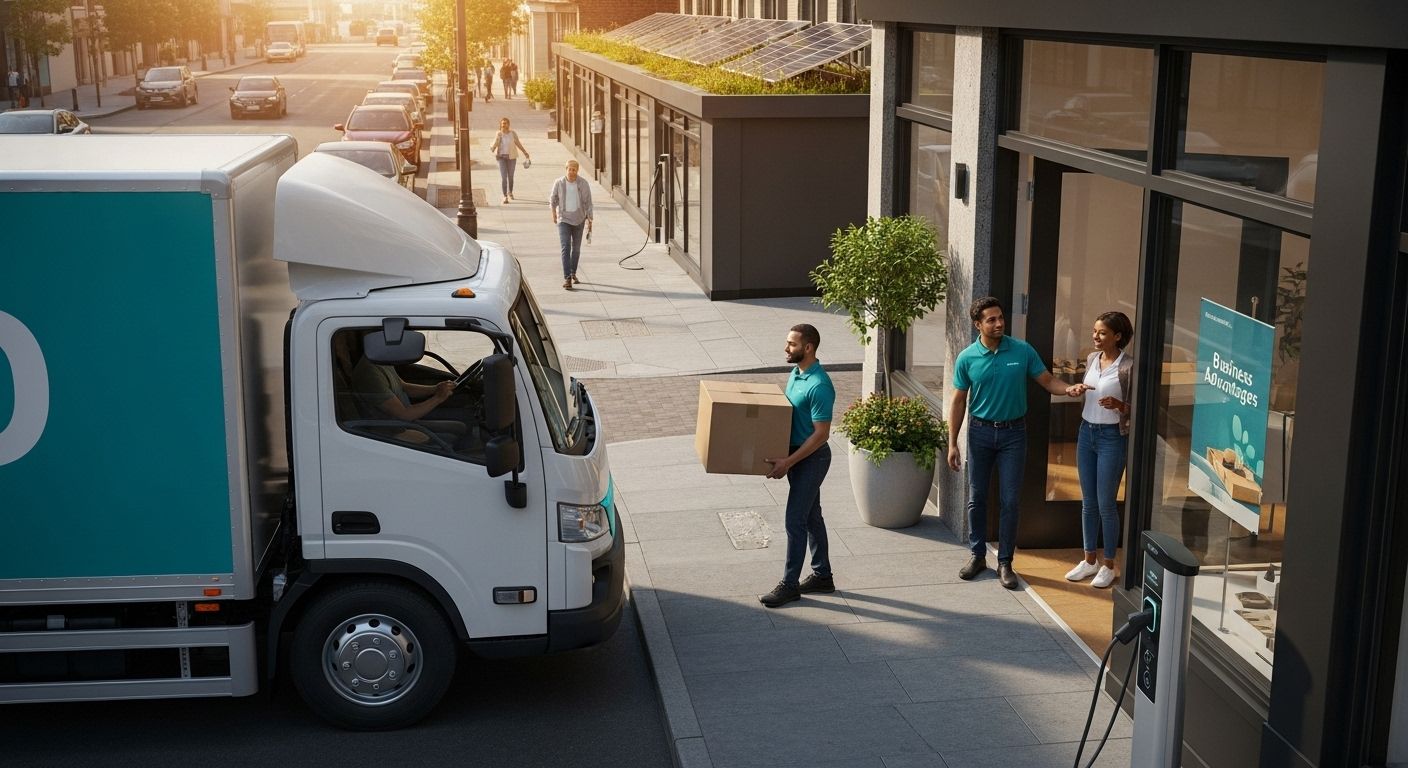
Zero emissions logistics represents a complex ecosystem of technologies, infrastructure, and strategic approaches designed to transform traditional transportation and supply chain management. By integrating advanced technologies and sustainable practices, businesses can create a comprehensive framework for carbon-neutral goods movement.
Advanced Vehicle Technologies
The foundation of zero emissions logistics lies in cutting-edge transportation technologies that eliminate direct carbon outputs. Electric and hydrogen fuel cell vehicles play a pivotal role in this transformation. These vehicles leverage renewable energy sources to power transportation, replacing conventional diesel and gasoline-powered equipment. Our urban logistics solutions guide highlights how emerging vehicle technologies are reshaping delivery networks.
Key vehicle technologies include:
- Battery electric trucks with extended range capabilities
- Hydrogen fuel cell vehicles for long-haul transportation
- Electric cargo handling equipment
- Lightweight vehicle designs to maximize energy efficiency
Infrastructure and Energy Management
Successful zero emissions logistics demands robust supporting infrastructure. This includes sophisticated charging and refueling networks, smart grid technologies, and renewable energy integration. According to research from the U.S. Department of Energy, strategic infrastructure development is critical for scaling zero-emission freight transportation.
Comprehensive infrastructure requirements encompass:
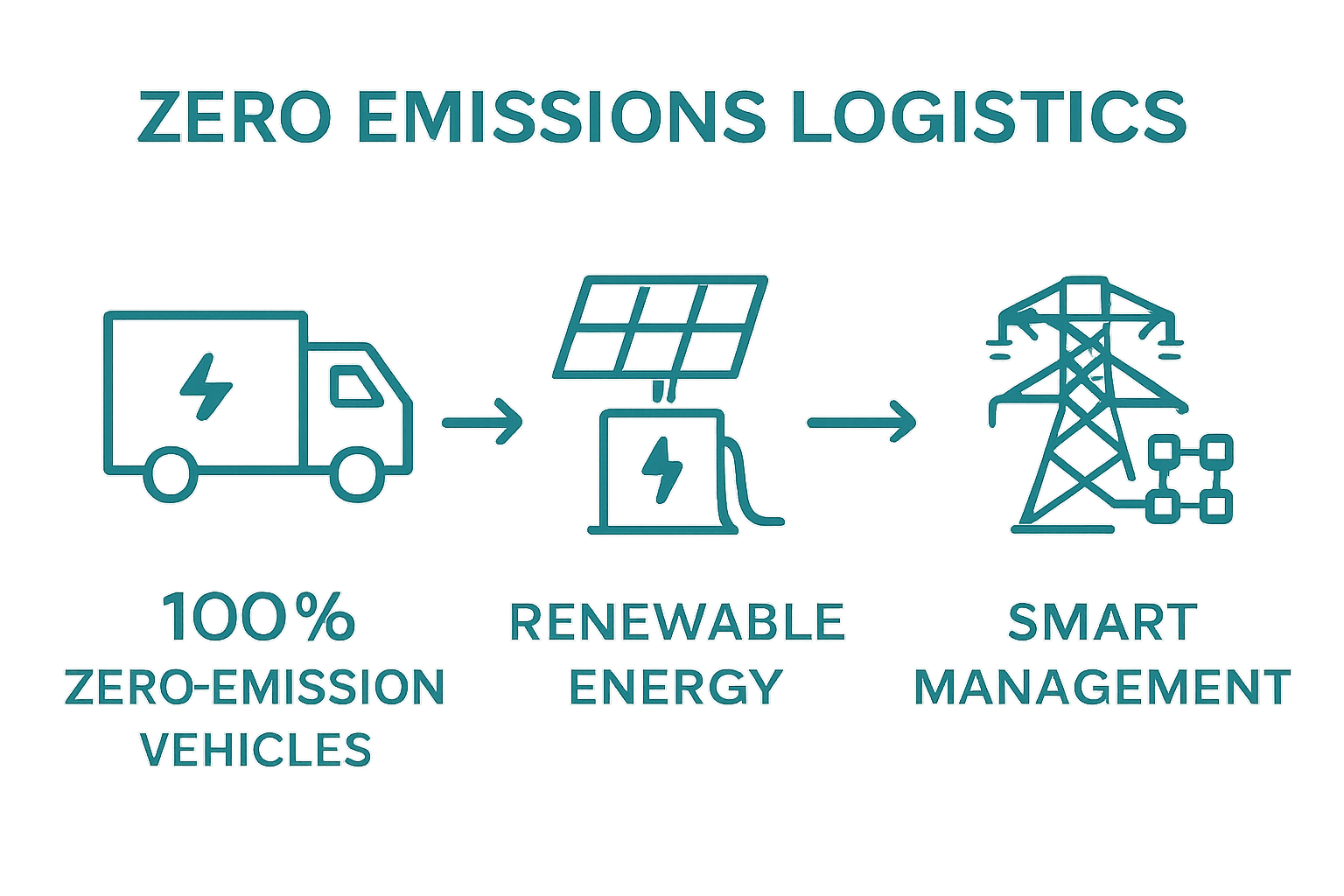
- Widespread electric charging stations
- Hydrogen refueling facilities
- Smart grid management systems
- Renewable energy generation capabilities
- Advanced battery storage technologies
The transition to zero emissions logistics is not merely about replacing vehicles but reimagining entire transportation ecosystems.
To help clarify the key technologies and infrastructure needed for zero emissions logistics, the following table summarizes their main components and roles.
| Component | Description |
|---|---|
| Battery Electric Trucks | Vehicles using rechargeable batteries for emissions-free short and medium haul transport |
| Hydrogen Fuel Cell Vehicles | Trucks powered by hydrogen fuel cells for longer-range and heavy-duty applications |
| Electric Cargo Handling Equipment | Electrified machinery used in warehouses, ports, and terminals with zero tailpipe emissions |
| Widespread Charging Stations | Infrastructure allowing electric vehicles to recharge, critical for fleet operation |
| Hydrogen Refueling Facilities | Stations providing hydrogen fuel essential for fuel cell vehicle deployment |
| Smart Grid Management | Technology coordinating energy supply, demand, and distribution for efficient charging |
| Renewable Energy Generation | Solar, wind, and other clean sources powering logistics networks |
| Advanced Battery Storage | High-capacity systems storing renewable energy for use in logistics operations |
By strategically combining advanced technologies, sustainable infrastructure, and innovative management practices, businesses can create logistics networks that are environmentally responsible, economically viable, and technologically sophisticated.
Technological Innovations Driving Zero Emissions Logistics
Technological innovation stands at the forefront of transforming logistics from a carbon-intensive industry to a sustainable, environmentally responsible ecosystem. By developing and integrating breakthrough technologies, businesses can revolutionize how goods are transported, tracked, and managed with minimal environmental impact.
Advanced Propulsion and Energy Technologies
Electrification and alternative fuel technologies are driving the most significant transformations in zero emissions logistics. Electric and hydrogen fuel cell vehicles represent more than incremental improvements—they constitute a fundamental reimagining of transportation power systems. Our sustainable logistics solutions guide explores how emerging technologies are reshaping logistics infrastructure.
Key technological innovations include:
- High-density battery systems with extended range capabilities
- Hydrogen fuel cell powertrains for long-distance transportation
- Regenerative braking technologies
- Advanced thermal management systems for electric vehicles
- Smart energy recovery and storage mechanisms
Smart Infrastructure and Connectivity
According to research from the U.S. Department of Energy, zero emissions logistics requires more than advanced vehicles—it demands intelligent, interconnected infrastructure. Smart grid technologies, advanced charging networks, and real-time energy management systems are critical components that enable large-scale zero-emission transportation.
Comprehensive technological integration encompasses:
- Interoperable charging and refueling networks
- AI-powered fleet management systems
- Real-time energy consumption monitoring
- Predictive maintenance technologies
- Dynamic routing and optimization algorithms
These innovations represent more than technological upgrades. They signal a profound shift towards creating logistics ecosystems that are not just environmentally sustainable, but also more efficient, intelligent, and responsive to evolving business and environmental challenges.
Real-World Applications and Success Stories in Zero Emissions Logistics
Real-world implementation of zero emissions logistics demonstrates the practical potential of sustainable transportation technologies. By examining successful case studies and industry pioneering efforts, businesses can understand how transformative these strategies can be across diverse operational contexts.
Corporate Leadership in Sustainable Transportation
Large corporations are driving significant zero emissions logistics transformations, demonstrating that environmental responsibility can coexist with operational efficiency. Our urban logistics solutions guide highlights innovative approaches companies are taking to reduce their carbon footprint.
Notable corporate success stories include:
- Amazon’s commitment to 100% renewable energy for logistics by 2025
- IKEA’s electric delivery fleet in major metropolitan areas
- Unilever’s global zero-carbon logistics strategy
- PepsiCo’s investment in electric truck fleets for distribution
- Walmart’s comprehensive sustainability transportation program
Sector-Specific Zero Emissions Implementations
According to research from the California Air Resources Board, targeted sector implementations are proving the viability of zero emissions logistics. For instance, Anheuser-Busch successfully deployed battery-electric delivery trucks that achieved 94% operational uptime while significantly reducing carbon emissions in beverage distribution.
Key sector implementation strategies include:
- Beverage and consumer goods distribution
- Last-mile delivery for ecommerce platforms
- Pharmaceutical and medical supply transportation
- Postal and package delivery services
- Intermodal freight and long-haul transportation
These real-world applications demonstrate that zero emissions logistics is not a distant future concept but a present-day operational reality. By combining technological innovation, strategic planning, and genuine commitment to sustainability, businesses across industries are proving that environmentally responsible logistics can be economically viable and operationally effective.
Transform Your Logistics With Zero Emissions Solutions
Are you ready to turn the idea of zero emissions logistics into real gains for your business? Many companies feel the pressure of rising emissions regulations and the need for eco-friendly transportation. Yet, making the shift often means facing uncertainty over cost, operational changes, or finding reliable partners to deliver seamless, end-to-end logistics. At OR-NER, we understand your need for reliable courier services and transparent, sustainable supply chain management. Our platform gives you access to freight booking, real-time tracking, and a green, integrated logistics network—all tailored to ecommerce and global trade.
Start building an emissions-free supply chain today with OR-NER’s reliable courier services. Take decisive action and stay ahead of industry trends while protecting your bottom line. Learn how our solutions in warehousing and inventory management can help you reduce your carbon footprint and streamline your operations for growth. The global shift toward sustainability has already begun. Visit https://or-ner.com now and discover the smarter, cleaner way to move your business forward.
Frequently Asked Questions
What is zero emissions logistics?
Zero emissions logistics refers to transportation and supply chain practices that achieve no direct carbon emissions during operations. This is typically accomplished using electric vehicles, hydrogen fuel cell technology, and renewable energy sources.
How can my business benefit from adopting zero emissions logistics?
Adopting zero emissions logistics can significantly reduce your carbon footprint, enhance your company’s reputation, and position you to comply with upcoming regulations. Additionally, it can lead to cost savings and new market opportunities through sustainable practices.
What types of vehicles are used in zero emissions logistics?
Zero emissions logistics primarily utilizes electric trucks and hydrogen fuel cell vehicles that produce no tailpipe emissions. Advanced cargo handling equipment powered by electricity is also commonly employed in these logistics practices.
What infrastructure is needed to support zero emissions logistics?
Supporting infrastructure for zero emissions logistics includes widespread electric charging stations, hydrogen refueling facilities, renewable energy generation capabilities, and smart grid technologies to manage energy consumption efficiently.