Every business relies on the steady movement of goods to stay competitive and satisfy customers. Yet, many overlook that over 50 percent of a company’s supply chain costs are tied to logistics management alone. That might sound daunting. What’s unexpected is that the real secret to unlocking operational success lies in understanding the subtle differences and connections between outbound and inbound logistics—and how they can tip the scales for any company.
Table of Contents
- Defining Outbound And Inbound Logistics
- The Importance Of Logistics In Supply Chain Management
- Key Differences Between Outbound And Inbound Logistics
- How Outbound And Inbound Logistics Impact Business Operations
- Real-World Examples Of Outbound Vs Inbound Logistics
Quick Summary
| Takeaway | Explanation |
|---|---|
| Understand logistics types: inbound vs. outbound | Recognizing the differences helps tailor supply chain strategies to improve efficiency and customer satisfaction. |
| Optimize inventory management | Effective management of inventory reduces costs and enhances product availability for customers. |
| Invest in logistics infrastructure | Robust logistics capabilities provide competitive advantages, enabling quicker response to market demands and improved service reliability. |
| Align operational processes | Integrating inbound and outbound logistics generates a seamless flow, enhancing overall organizational efficiency and performance. |
| Emphasize supplier and customer relationships | Strong connections with suppliers and customers are essential for smooth logistics operations and business success. |
Defining Outbound and Inbound Logistics
Logistics is the strategic management of moving goods between different points in the supply chain, with two primary directions playing crucial roles: outbound and inbound logistics. These complementary processes ensure businesses effectively receive materials and distribute products.
What is Inbound Logistics?
Inbound logistics involves receiving, storing, and managing materials and components that enter an organization. According to supply chain research, this process includes activities such as:
- Sourcing raw materials from suppliers
- Negotiating transportation with vendors
- Managing inventory of incoming goods
- Coordinating warehouse receiving processes
For manufacturers and retailers, inbound logistics represents the critical first stage where essential components and products arrive before production or sale. The efficiency of these processes directly impacts operational costs and product availability.
What is Outbound Logistics?
Outbound logistics focuses on the movement of finished products from a company to its end customers. This process encompasses distribution, transportation, and delivery strategies. Key elements include:
- Picking and packing customer orders
- Selecting appropriate shipping methods
- Managing delivery routes and carriers
- Tracking shipments and ensuring timely delivery
While inbound logistics brings materials in, outbound logistics pushes products out, connecting businesses with their customers. Learn more about our freight forwarding solutions to optimize these complex logistics workflows.
Understanding the differences and interconnections between inbound and outbound logistics helps businesses design more efficient supply chain strategies, reduce costs, and improve overall customer satisfaction.
To help clarify the distinguishing features between inbound and outbound logistics, the following table compares their purposes, processes, and impacts within the supply chain.
| Aspect | Inbound Logistics | Outbound Logistics |
|---|---|---|
| Direction | Materials and components enter the organization | Finished products move out to customers |
| Main Relationship Focus | Suppliers | Customers |
| Key Activities | Receiving, storing, inventory management | Order processing, packaging, shipping |
| Example in Manufacturing | Getting steel, rubber, electronics for assembly | Delivering completed vehicles to dealerships |
| Impact on Operations | Affects production scheduling and material availability | Affects customer satisfaction and delivery timelines |
The Importance of Logistics in Supply Chain Management
Logistics serves as the fundamental engine driving efficient supply chain operations, transforming raw materials into delivered products through strategic movement and management. According to supply chain experts, effective logistics management directly impacts an organization’s competitive advantage and operational performance.
Strategic Value of Logistics
Logistics goes beyond simple transportation, representing a complex network of interconnected processes that ensure products reach their destination efficiently and cost-effectively. Strategic logistics management involves multiple critical components:
- Optimizing inventory levels
- Reducing transportation costs
- Enhancing customer satisfaction
- Minimizing operational risks
Businesses that master logistics can significantly reduce expenses, improve response times, and create more responsive supply chain networks. These capabilities become especially crucial in global markets where complex distribution challenges emerge.
Economic and Operational Impact
The economic significance of logistics cannot be overstated. Logistics processes directly influence a company’s bottom line by controlling expenses related to storage, transportation, and inventory management. Check out our guide on just-in-time delivery strategies to understand how precise logistics can transform operational efficiency.
Companies that invest in robust logistics infrastructure can achieve substantial competitive advantages. They can respond faster to market demands, reduce waste, maintain lower inventory levels, and provide more reliable service to customers. Effective logistics management turns potential supply chain challenges into opportunities for growth and differentiation.
Key Differences Between Outbound and Inbound Logistics
Outbound and inbound logistics represent two distinct but interconnected processes that form the backbone of supply chain management. According to logistics research, understanding their unique characteristics is crucial for businesses seeking operational efficiency.
Direction and Purpose
The fundamental difference between outbound and inbound logistics lies in their directional flow and primary objectives. Inbound logistics focuses on receiving materials and components into an organization, while outbound logistics concentrates on delivering finished products to customers.
Key distinctions include:
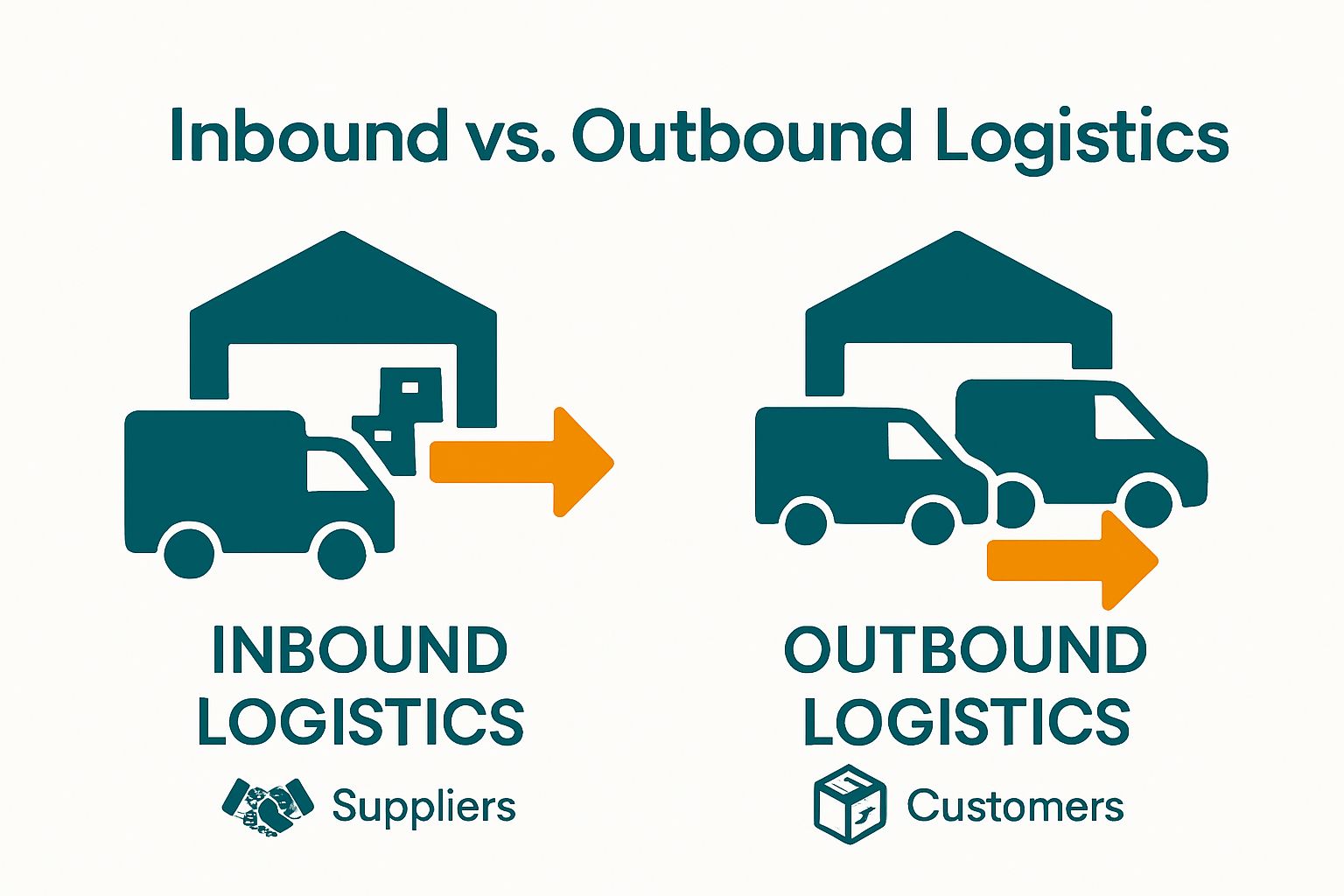
- Inbound moves materials into the business
- Outbound pushes products out to end consumers
- Inbound involves supplier relationships
- Outbound centers on customer delivery experience
Operational Processes and Challenges
Each logistics type presents unique operational challenges and requirements. Inbound logistics demands precise supplier coordination, inventory management, and material quality control. Outbound logistics requires sophisticated order processing, packaging, and distribution strategies.
Learn more about our freight forwarding solutions to understand how businesses can optimize these complex logistical workflows. Companies must develop specialized strategies for each logistics direction to ensure smooth supply chain operations.
While different in approach, both inbound and outbound logistics are interdependent. Efficient inbound processes directly impact the effectiveness of outbound operations, creating a continuous cycle of material flow and product delivery that determines a company’s overall supply chain performance.
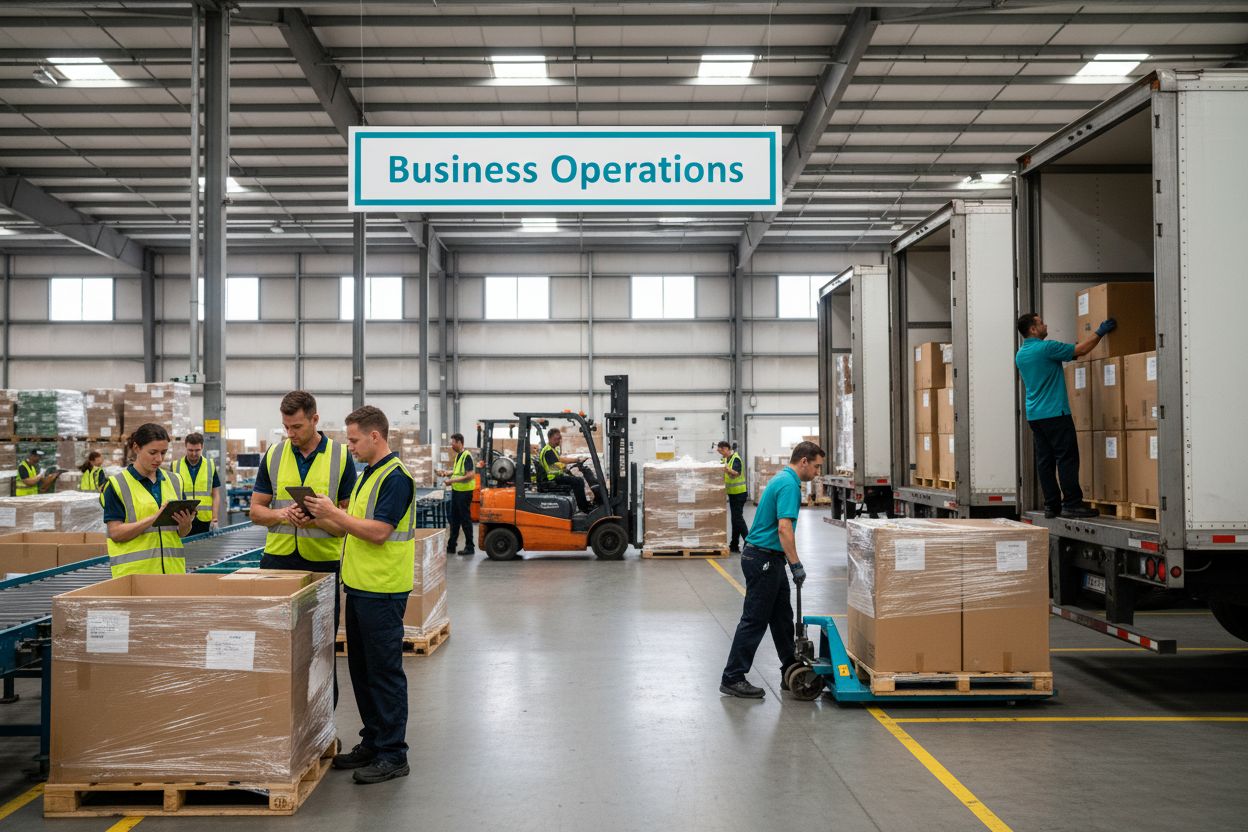
How Outbound and Inbound Logistics Impact Business Operations
Business operations fundamentally depend on the seamless integration of outbound and inbound logistics, creating a comprehensive system that determines organizational efficiency and customer satisfaction. According to supply chain management research, strategic logistics management directly influences operational success.
Financial Performance and Cost Management
Outbound and inbound logistics play critical roles in determining a company’s financial health. Efficient logistics processes can significantly reduce operational expenses through strategic management of transportation, inventory, and distribution channels.
Key financial impacts include:
- Minimizing inventory holding costs
- Reducing transportation and warehousing expenses
- Optimizing resource allocation
- Improving overall operational margins
Competitive Advantage and Customer Experience
Logistics directly shapes a company’s ability to compete in complex market environments. Businesses with robust inbound and outbound logistics can respond faster to market demands, manage supply chain disruptions more effectively, and provide superior customer experiences.
Discover our comprehensive freight forwarding solutions to understand how strategic logistics management can transform business performance. Companies that master these intricate logistics processes can differentiate themselves through reliability, speed, and operational excellence.
The interconnected nature of inbound and outbound logistics means that improvements in one area can create cascading positive effects across the entire supply chain, ultimately driving business growth and operational resilience.
The following table summarizes the key operational and financial impacts that both inbound and outbound logistics have on overall business performance.
| Impact Area | Inbound Logistics | Outbound Logistics |
|---|---|---|
| Cost Management | Controls expenses in sourcing and storage | Manages distribution and shipping costs |
| Inventory Control | Optimizes incoming stock levels | Ensures availability and prompt delivery |
| Operational Efficiency | Reduces production bottlenecks | Increases delivery speed and service reliability |
| Customer Experience | Influences product availability | Directly affects customer satisfaction |
| Competitive Advantage | Supports leaner production and responsiveness | Enables faster market response and brand loyalty |
Real-World Examples of Outbound vs Inbound Logistics
Real-world logistics operations demonstrate the complex interplay between inbound and outbound processes across various industries. According to industry analysis, practical examples reveal the nuanced strategies businesses employ to manage material and product flow.
Manufacturing Sector Logistics
Manufacturing companies exemplify the critical balance between inbound and outbound logistics. Consider an automobile manufacturer whose inbound logistics involve:
- Sourcing raw materials like steel, rubber, and electronic components
- Coordinating with multiple global suppliers
- Managing just-in-time inventory systems
- Ensuring quality control of incoming materials
Outbound logistics for the same manufacturer focuses on delivering completed vehicles to dealerships, involving complex transportation networks, vehicle preparation, and distribution strategies that guarantee timely and safe product delivery.
Retail and Ecommerce Logistics
Retail and ecommerce businesses present another compelling illustration of logistics dynamics. Inbound logistics for these organizations involve receiving products from manufacturers and suppliers, managing warehouse inventory, and preparing items for sale.
Explore our comprehensive freight forwarding solutions to understand how businesses optimize these intricate logistical workflows. Outbound logistics in this context revolve around order processing, packaging, and delivering products directly to consumers through various shipping channels.
These examples underscore how sophisticated logistics management transforms raw material acquisition into seamless product delivery, creating value across the entire supply chain ecosystem.
Take Control of Your Logistics with Reliable Courier Services
Are you feeling the pressure of managing complex inbound and outbound logistics? The article has shown how issues like delayed shipments, poor inventory flow, and missed customer deadlines can jeopardize your business and leave your growth stalled. You want efficiency, visibility, and reliability from the moment inventory hits your warehouse to the second your products reach customers. Or-ner.com empowers you to turn these supply chain headaches into seamless workflows. Our all-in-one platform is built for ecommerce, retailers, manufacturers, and wholesalers who need dependable solutions for freight booking, customs clearance, real-time tracking, and scalable warehousing. Streamline both inbound and outbound logistics to reduce costs and exceed customer expectations with our reliable courier services.
Ready to transform your logistics? Visit or-ner.com now and let our platform remove the guesswork from your supply chain. Experience faster shipping, smarter inventory management, and true peace of mind. Take the next step to optimize your logistics and start delivering excellence today.
Frequently Asked Questions
What are the main differences between inbound and outbound logistics?
Inbound logistics focuses on receiving and managing materials and components that enter a business, while outbound logistics involves the distribution of finished products to customers. To clarify further, assess your processes by categorizing them into inbound or outbound to identify areas for improvement.
How can I improve my inbound logistics operations?
You can enhance inbound logistics by optimizing supplier relationships, managing inventory, and streamlining receiving processes. Start by identifying bottlenecks in your supply chain and implementing efficient communication with suppliers to reduce delays.
What strategies can be used to optimize outbound logistics?
To optimize outbound logistics, focus on improving order processing and selecting effective shipping methods. Implement route optimization software to enhance delivery efficiency and potentially decrease transportation costs by up to 15%.
How do inbound and outbound logistics impact customer satisfaction?
Both inbound and outbound logistics play crucial roles in customer satisfaction by ensuring timely product availability and delivery. Evaluate your logistics performance metrics regularly to identify and address areas that may negatively impact customer experience.
What challenges do businesses face with inbound logistics?
Businesses often encounter challenges such as coordinating with multiple suppliers, maintaining inventory quality, and managing storage space in inbound logistics. To address these issues, conduct regular audits of your supply chain and inventory management systems to ensure alignment with supplier capabilities.
How does efficient logistics management influence operational costs?
Efficient logistics management can significantly reduce operational costs by minimizing transportation, inventory holding, and warehouse expenses. Focus on implementing best practices in both inbound and outbound processes to achieve cost savings of about 20% over time.