

International shipping regulations form the backbone of global trade, controlling how billions of dollars in goods move safely and legally across borders each day. Shocking right? Non-compliance can mean massive penalties, shipment seizures, or being locked out of entire international markets. Think the paperwork is just a hassle? The reality is, mastering these regulations can be the difference between international success and shipping disaster.
Table of Contents
- Defining International Shipping Regulations And Their Importance
- Key Components Of International Shipping Regulations
- The Role Of Customs And Compliance In Global Shipping
- How International Trade Agreements Influence Shipping Regulations
- Navigating Challenges And Changes In International Shipping Regulations
Quick Summary
| Takeaway | Explanation |
|---|---|
| Understand mandatory shipping regulations | Shipping regulations are legally required; non-compliance leads to penalties and shipment delays. |
| Stay updated on customs practices | Customs authorities enforce strict compliance; understanding their requirements is essential for smooth operations. |
| Prioritize accurate product classification | Proper classification impacts duty rates and compliance; errors can lead to financial penalties and legal issues. |
| Invest in compliance infrastructure | Developing robust systems, training, and audits ensures adherence to evolving shipping regulations. |
| Adapt to technological advancements | Leverage technology like AI and blockchain to enhance compliance management and streamline shipping processes. |
Defining International Shipping Regulations and Their Importance
International shipping regulations represent a complex framework of rules, standards, and guidelines that govern the movement of goods across national borders. These comprehensive regulations ensure safe, efficient, and legal transportation of merchandise worldwide, protecting businesses, consumers, and global trade ecosystems.
The Fundamental Purpose of Shipping Regulations
Shipping regulations exist to create standardized processes that minimize risks and establish clear expectations for international commerce. Learn about global shipping documentation to understand the intricate details behind these critical frameworks. These regulations address multiple critical aspects of international trade:
- Ensuring product safety and quality standards
- Protecting national security interests
- Preventing illegal trade and contraband transportation
- Maintaining environmental protection protocols
- Establishing clear customs clearance procedures
Legal and Economic Significance
According to research from the United States Code, international shipping regulations serve as fundamental legal instruments that codify national commitments to global trade standards. These regulations create accountability mechanisms that protect businesses from potential financial losses, legal complications, and operational disruptions.
Businesses engaged in cross-border commerce must understand that these regulations are not optional suggestions but mandatory requirements. Non-compliance can result in significant penalties, shipment delays, product seizures, and potential legal actions that could dramatically impact a company’s international trade capabilities.
Comprehensive Global Compliance Framework
Shipping regulations encompass a wide range of domains including customs documentation, product safety standards, hazardous material transportation guidelines, packaging requirements, and tariff classifications. They are dynamically updated to reflect changing geopolitical landscapes, technological advancements, and emerging global trade challenges.
Professional logistics managers and international trade professionals must stay consistently informed about these evolving regulations to maintain smooth, legal, and efficient global supply chain operations.
To clarify the major components that make up international shipping regulations, the following table breaks down and summarizes each key area described in this section.
| Component | Description |
|---|---|
| Regulatory Documentation | Involves essential paperwork like commercial invoices, certificates of origin, and customs forms ensuring goods are accurately described and compliant with legal requirements. |
| Product Classification | Requires accurate use of Harmonized System (HS) codes and consideration of product features, use, and origin for correct duty calculation and regulatory compliance. |
| Security and Risk Management | Relies on thorough screening measures to prevent contraband, terrorism, and ensure shipment safety across international borders. |
Key Components of International Shipping Regulations
International shipping regulations are composed of intricate systems and protocols designed to facilitate seamless global trade while maintaining stringent safety and legal standards. These regulations function as comprehensive frameworks that address multiple critical aspects of cross-border merchandise transportation.
Regulatory Documentation and Compliance
Explore our comprehensive import export logistics guide to understand the nuanced world of international trade regulations. According to U.S. Customs and Border Protection, the foundational components of international shipping regulations encompass several key documentation requirements:
- Commercial invoices detailing product specifications
- Certificates of origin for merchandise authentication
- Precise customs declaration forms
- Harmonized System (HS) product classification codes
- Detailed shipping manifests
Regulatory Classification and Classification Systems
Shipping regulations rely on sophisticated classification systems that categorize products based on their characteristics, potential risks, and applicable trade restrictions. These classifications determine duty rates, potential tariffs, and necessary compliance protocols. Accurate classification is critical to prevent potential legal complications, unexpected financial penalties, and shipment delays.
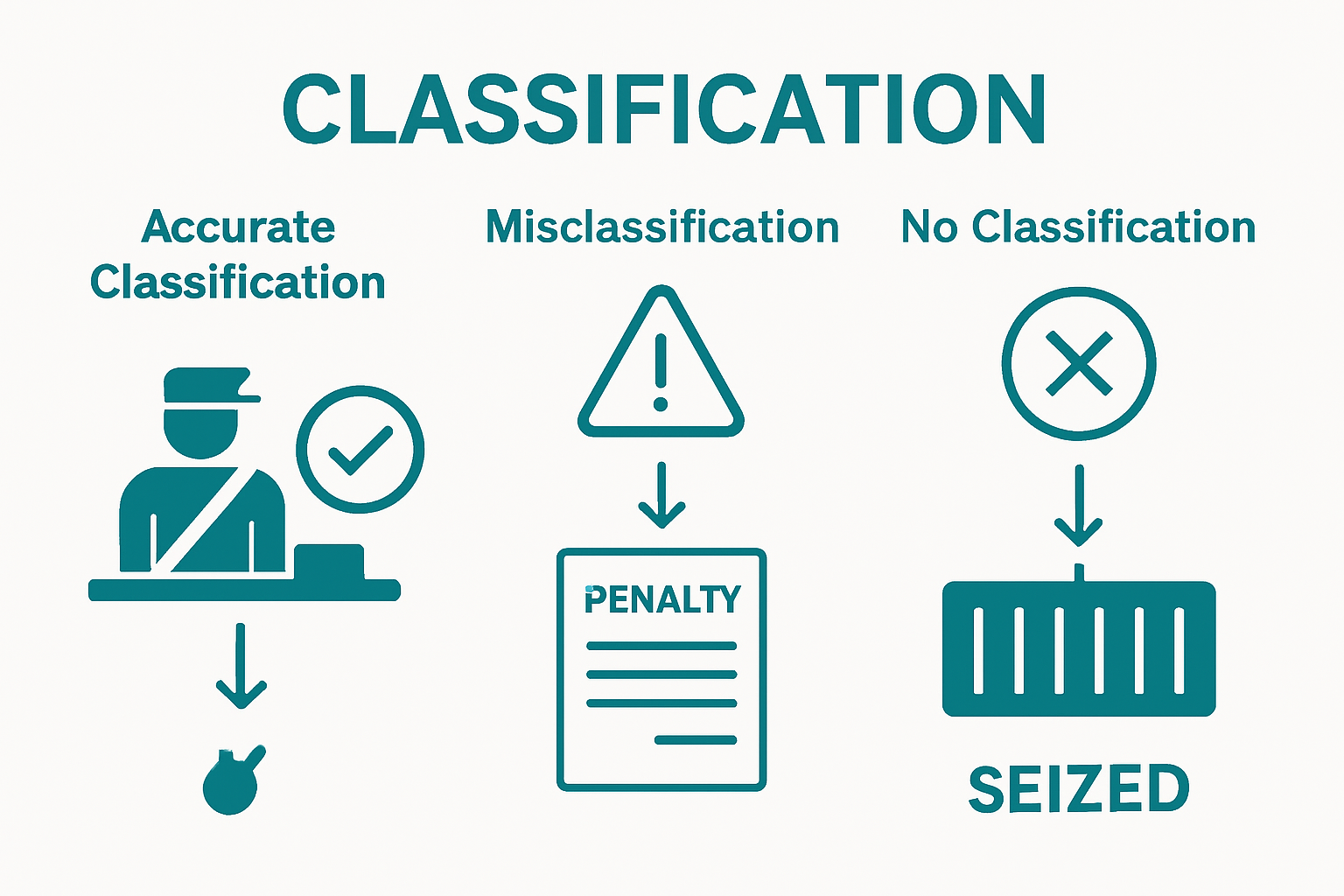
Product classification involves complex considerations including material composition, intended use, manufacturing origin, and potential security implications. Professional logistics managers must maintain meticulous records and stay updated on evolving classification standards across different international jurisdictions.
Security and Risk Management Protocols
Modern international shipping regulations incorporate robust security mechanisms designed to mitigate potential risks associated with global trade. These protocols address multiple dimensions of transportation safety, including:
- Screening for hazardous or restricted materials
- Preventing potential terrorism and contraband transportation
By implementing comprehensive risk assessment frameworks, regulatory bodies ensure that international shipping remains a secure, transparent, and reliable mechanism for global commerce. Businesses must invest in understanding these intricate regulatory landscapes to maintain smooth operational capabilities and legal compliance across international borders.
The Role of Customs and Compliance in Global Shipping
Customs authorities play a pivotal role in managing international trade, serving as critical gatekeepers that ensure the legal, secure, and efficient movement of goods across national borders. These regulatory bodies implement complex frameworks designed to protect national economic interests, maintain security standards, and facilitate smooth global commerce.
Regulatory Oversight and Border Control
Explore key freight forwarder responsibilities to understand the intricate compliance mechanisms in international shipping. According to U.S. Government Accountability Office research, customs departments develop comprehensive strategies that balance two fundamental objectives: facilitating legitimate trade and preventing potential security risks.
Customs compliance involves multiple critical functions:
- Verifying the accuracy of shipping documentation
- Assessing appropriate tariffs and duties
- Screening shipments for prohibited or restricted items
- Ensuring adherence to international trade agreements
- Monitoring potential security threats
Risk Assessment and Security Protocols
Customs authorities employ sophisticated risk management technologies and intelligence systems to evaluate potential threats associated with international shipments. Advanced screening mechanisms analyze multiple data points including shipper histories, product classifications, origin countries, and cargo contents.
These comprehensive assessment protocols help identify high-risk shipments that require additional scrutiny while enabling expedited processing for trusted, low-risk traders. Professional logistics managers must understand these dynamic evaluation processes to maintain smooth cross-border transportation operations.
Compliance Enforcement and Penalty Mechanisms
Non-compliance with customs regulations can result in significant financial penalties, shipment delays, and potential legal consequences. Regulatory bodies maintain strict enforcement mechanisms designed to discourage violations and promote transparent international trade practices.
Businesses engaged in global shipping must invest in robust compliance infrastructure, including:
- Comprehensive staff training programs
- Accurate record-keeping systems
- Regular internal compliance audits
- Proactive communication with customs authorities
By understanding and respecting these complex regulatory frameworks, organizations can minimize risks and optimize their international shipping strategies.
How International Trade Agreements Influence Shipping Regulations
International trade agreements serve as fundamental frameworks that shape the complex landscape of global shipping regulations. These sophisticated legal instruments establish standardized protocols, harmonize regulatory practices, and create mechanisms for resolving potential conflicts in cross-border trade operations.
Structural Foundations of Trade Agreements
Explore our comprehensive Incoterms shipping guide to understand the nuanced interactions between trade agreements and shipping regulations. According to U.S. Department of Transportation’s Maritime Administration, trade agreements fundamentally transform how nations approach international shipping through strategic bilateral and multilateral negotiations.
Trade agreements typically address several critical regulatory dimensions:
- Establishing standardized customs procedures
- Defining market access for transportation carriers
- Creating transparent tariff and duty structures
- Establishing environmental and safety compliance standards
- Resolving potential trade dispute mechanisms
Regulatory Harmonization and Operational Standards
International trade agreements play a pivotal role in creating uniform regulatory frameworks that transcend individual national boundaries. These agreements enable governments to develop consistent shipping regulations that reduce bureaucratic complexity and minimize potential operational barriers.
By negotiating comprehensive trade protocols, nations can streamline documentation requirements, synchronize product classification systems, and establish mutually recognized compliance standards. This harmonization significantly reduces transaction costs and simplifies cross-border shipping processes for businesses engaged in global commerce.
Economic and Strategic Implications
Beyond immediate operational considerations, international trade agreements represent strategic instruments for economic diplomacy. They create structured mechanisms for nations to negotiate shipping regulations that balance national security interests with economic growth objectives.
Businesses operating in global markets must recognize that trade agreements fundamentally reshape shipping regulatory landscapes by:
- Reducing trade barriers
- Promoting fair competitive environments
- Establishing predictable regulatory frameworks
- Facilitating technological and operational innovations
Successful navigation of these complex regulatory environments requires continuous monitoring of evolving trade agreement landscapes and proactive adaptation to emerging international shipping standards.
To highlight the ways in which international trade agreements shape shipping regulations, the following table summarizes their structural elements and impact on global trade operations.
| Trade Agreement Feature | Impact on Shipping Regulations |
|---|---|
| Standardized Customs Procedures | Creates uniform processes, reducing confusion and delays at borders |
| Market Access for Carriers | Defines transportation rights, supporting smoother and broader global logistics routes |
| Transparent Tariff Structures | Establishes clarity in duty calculations, minimizing unexpected costs |
| Safety and Environmental Standards | Ensures international shipments meet shared legal, safety, and sustainability standards |
| Trade Dispute Mechanisms | Provides clear processes for resolving conflicts, maintaining business continuity |
Navigating Challenges and Changes in International Shipping Regulations
International shipping regulations represent a dynamic landscape characterized by constant evolution, technological advancements, and geopolitical shifts. Businesses engaged in global trade must develop adaptive strategies to effectively manage the complex and frequently changing regulatory environment.
Technological Disruption and Regulatory Adaptation
Explore our comprehensive import export logistics guide to understand the intricate mechanisms of regulatory transformation. Technological innovations continuously reshape international shipping regulations, introducing unprecedented challenges and opportunities for global logistics professionals.
Key technological disruptions impacting shipping regulations include:
- Integration of artificial intelligence in customs screening
- Blockchain technologies for transparent documentation
- Advanced tracking and real-time shipment monitoring systems
- Automated compliance verification platforms
- Cybersecurity protocols for digital shipping infrastructure
Emerging Regulatory Complexity
Modern international shipping regulations are increasingly influenced by multifaceted global challenges. Climate change considerations, geopolitical tensions, and evolving trade agreements create a sophisticated regulatory ecosystem that demands continuous learning and strategic adaptation.
Businesses must develop robust compliance infrastructures capable of:
- Rapidly interpreting regulatory changes
- Implementing flexible operational protocols
- Maintaining comprehensive documentation systems
- Investing in ongoing staff training
- Developing proactive risk management strategies
Strategic Compliance Management
Successful navigation of international shipping regulations requires a holistic approach that combines technological competence, strategic foresight, and organizational agility. Proactive compliance management has transformed from a administrative function to a critical strategic competency for businesses operating in global markets.
Professional logistics managers must cultivate a comprehensive understanding of regulatory trends, invest in advanced technological capabilities, and develop organizational cultures that prioritize adaptability and continuous learning. By embracing a forward thinking approach, businesses can transform regulatory challenges into competitive advantages in the complex world of international shipping.

Overcome Shipping Compliance Challenges With Reliable Courier Services
Navigating international shipping regulations can feel overwhelming. Missing a single document or misclassifying a product can lead to shipment delays, unexpected penalties, or lost opportunities in global markets. Whether you are struggling with customs complexities, product classifications, or the need for real-time tracking and secure cross-border fulfillment, the risks of non-compliance are real—and costly.

Take control of your logistics strategy today. With reliable courier services, or-ner.com delivers tailored solutions to help ecommerce sellers and businesses stay ahead of shipping regulations. Our platform supports you at every step—from global shipping documentation to seamless customs clearance, all designed with real-time visibility and secure workflows. Explore how our all-in-one platform can streamline compliance and unlock faster fulfillment for your products. Visit or-ner.com and discover end-to-end support for your international growth goals. Act now to minimize risk and optimize your cross-border success.
Frequently Asked Questions
What are international shipping regulations?
International shipping regulations are a set of rules, standards, and guidelines that govern the movement of goods across national borders, ensuring safe and legal transportation of merchandise worldwide.
Why are international shipping regulations important for businesses?
These regulations are crucial as they help minimize risks, ensure product safety, protect national security interests, and prevent illegal trade. Non-compliance can result in penalties, shipment delays, and legal complications.
How do customs authorities impact international shipping?
Customs authorities serve as gatekeepers for international trade, verifying shipping documentation, assessing tariffs, and screening for prohibited items. They ensure compliance with regulations to facilitate smooth and secure cross-border commerce.
What should businesses do to ensure compliance with international shipping regulations?
Businesses should invest in staff training, maintain accurate record-keeping systems, conduct regular compliance audits, and proactively communicate with customs authorities. Staying informed about evolving regulations is essential for smooth operations.