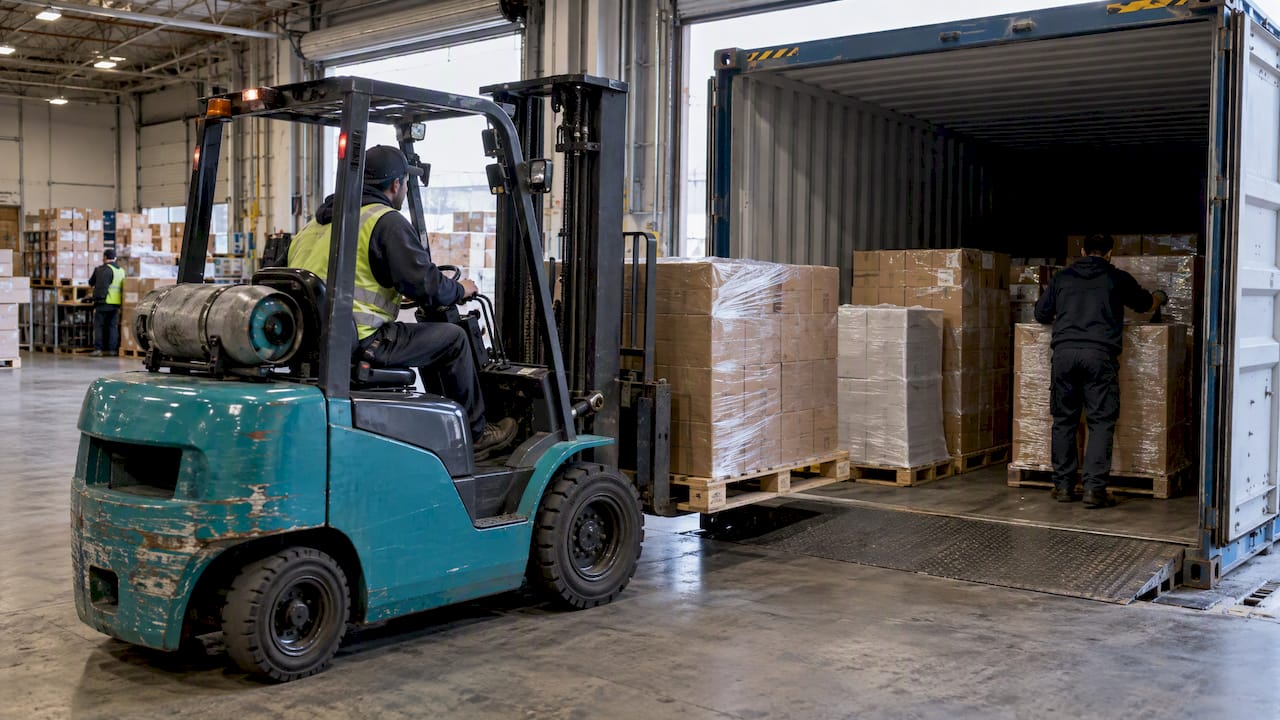
Global supply chains have become so tangled that a single incident can shake economies on every continent. Turns out, a single component shortage can halt production for entire industries, like how the 2020–2021 chip crisis stalled millions of cars and devices worldwide. Most people blame these hiccups on bad luck or random events, but the real culprit is how deeply these networks are connected. What looks like chaos is actually a warning sign hiding in plain sight.
Table of Contents
- What Are Global Supply Chain Disruptions?
- The Importance Of Understanding Supply Chain Disruptions
- Key Factors Contributing To Supply Chain Disruptions
- Real-World Examples Of Supply Chain Disruptions
- How Supply Chain Disruptions Impact Global Trade
Quick Summary
| Takeaway | Explanation |
|---|---|
| Anticipate supply chain disruptions proactively. | Develop predictive models to identify potential interruptions in advance and plan accordingly. |
| Diversify suppliers and sourcing strategies. | Implement multi-sourcing and geographical diversification to minimize risks associated with reliance on single sources. |
| Build organizational resilience through strategic planning. | Create frameworks for rapid response and adaptation to potential supply chain challenges to ensure continuity. |
| Understand the interconnectedness of modern supply chains. | Recognize that disruptions in one area can have widespread impacts across multiple industries and markets. |
| Adapt to market volatility by adjusting strategies. | Respond to price fluctuations and changing consumer behaviors instigated by supply chain issues to maintain competitiveness. |
What are Global Supply Chain Disruptions?
Global supply chain disruptions represent complex challenges that fundamentally interrupt the smooth movement of goods, materials, and resources across international networks. These disruptions are unexpected events that create significant obstacles in manufacturing, logistics, and distribution processes, causing ripple effects throughout entire economic ecosystems.
Understanding the Core Concept
At their essence, global supply chain disruptions are unplanned interruptions that prevent products from moving efficiently from manufacturers to consumers. These disruptions can originate from multiple sources, including geopolitical tensions, natural disasters, technological failures, or unprecedented global events like pandemics. According to McKinsey & Company, supply chain disruptions have become increasingly complex and frequent in recent years.
The impact of these disruptions extends far beyond simple shipping delays. They can trigger cascading economic consequences that affect multiple industries simultaneously.
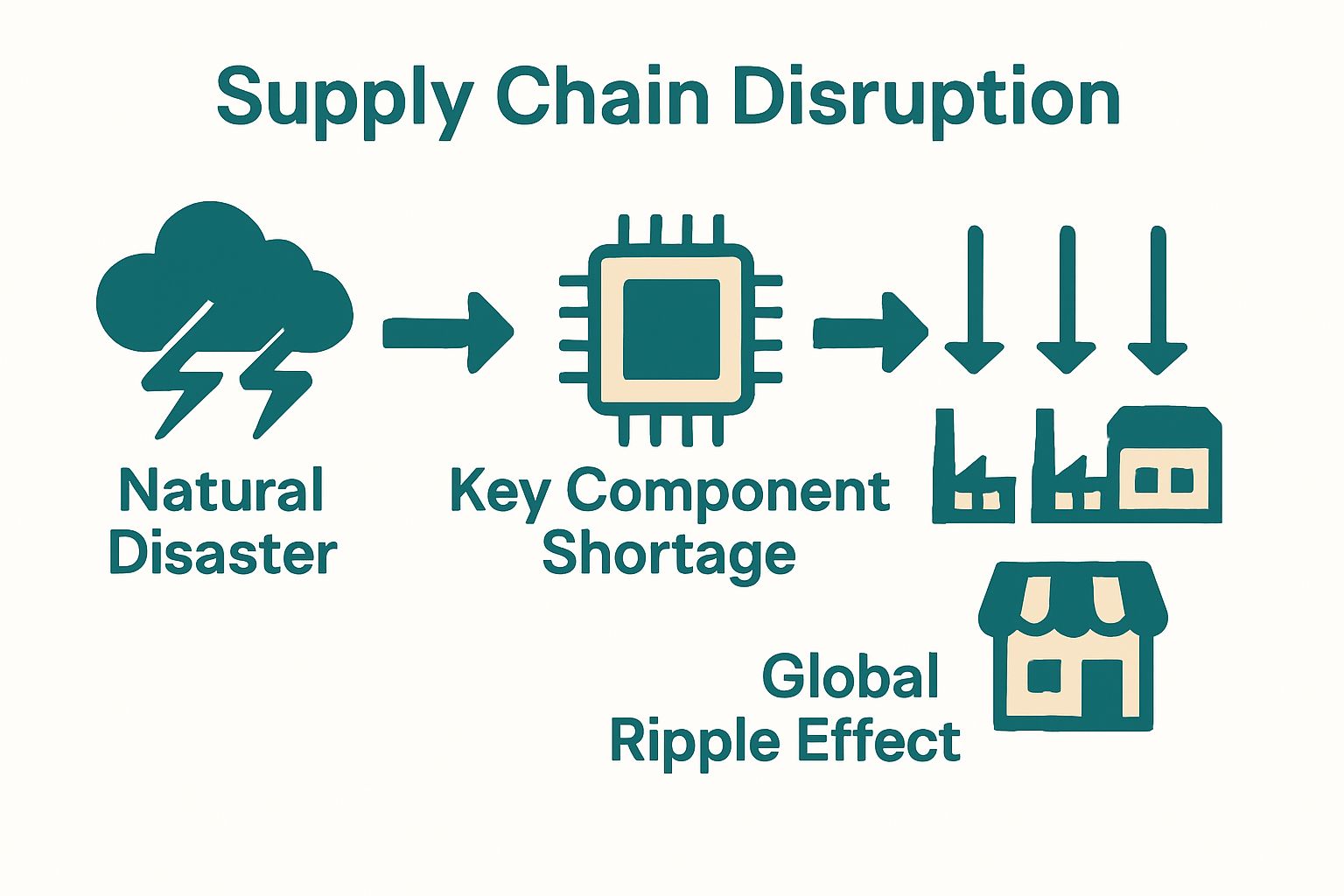 For instance, a semiconductor shortage can halt automobile production, impact consumer electronics manufacturing, and create widespread economic instability.
Key Characteristics of Supply Chain Disruptions
Supply chain disruptions are characterized by several critical elements:
- Unpredictability: They often occur without warning and can emerge from diverse and unexpected sources
- Systemic Impact: Disruptions rarely remain isolated and typically create widespread economic repercussions
- Interconnectedness: Modern global supply chains are deeply integrated, meaning a disruption in one region can quickly spread internationally
Understanding these disruptions requires recognizing their multifaceted nature. They are not simply logistics problems but complex systemic challenges that demand strategic resilience and adaptive management.
Businesses must develop robust strategies to anticipate, mitigate, and rapidly respond to potential interruptions in their global supply networks.
The Importance of Understanding Supply Chain Disruptions
Comprehending global supply chain disruptions is not merely an academic exercise but a critical strategic imperative for businesses navigating increasingly complex international markets. By developing deep insights into these complex systemic challenges, organizations can transform potential vulnerabilities into opportunities for resilience and strategic adaptation.
Strategic Risk Management
Understanding supply chain disruptions enables proactive risk management strategies that protect organizational continuity. According to research from the National Institutes of Health, organizations that develop comprehensive disruption preparedness frameworks can significantly mitigate potential economic losses and operational setbacks. This approach involves identifying potential weak points, developing contingency plans, and creating flexible response mechanisms.
Businesses that invest in understanding supply chain dynamics can develop predictive models that anticipate potential disruptions before they escalate. This might include monitoring geopolitical tensions, tracking climate change impacts, or analyzing technological infrastructure vulnerabilities. By recognizing potential risks early, companies can implement strategic buffers and alternative sourcing strategies.
Economic and Competitive Advantages
Companies that thoroughly understand supply chain disruptions gain substantial competitive advantages. These organizations can:
- Rapidly adapt procurement strategies during unexpected events
- Develop more resilient and flexible logistics networks
- Create innovative solutions that outperform less prepared competitors
Moreover, such understanding allows businesses to read more about advanced logistics strategies that minimize potential disruption impacts. The ability to quickly pivot and maintain operational efficiency becomes a significant differentiator in volatile global markets.
Ultimately, understanding supply chain disruptions is about building organizational agility. It requires a holistic approach that combines technological insight, strategic planning, and continuous learning. Businesses that embrace this perspective can transform potential challenges into opportunities for growth and innovation.
Key Factors Contributing to Supply Chain Disruptions
Supply chain disruptions emerge from a complex interplay of global economic, technological, environmental, and geopolitical factors that create intricate challenges for businesses worldwide. Understanding these contributing elements is crucial for developing robust and adaptable supply chain strategies.
Global Economic and Geopolitical Influences
Geopolitical tensions and economic instability represent significant drivers of supply chain disruptions. McKinsey & Company research highlights how international conflicts, trade wars, and shifting economic policies can dramatically impact global logistics networks. These disruptions can emerge suddenly, forcing businesses to rapidly recalibrate their procurement and distribution strategies.
Traditional supply chain models that relied on single-source suppliers or concentrated regional manufacturing have become increasingly vulnerable. Companies must now develop multi-sourcing strategies and geographic diversification to mitigate potential risks associated with concentrated supply dependencies.
Environmental and Technological Challenges
Climate change and technological infrastructure vulnerabilities play critical roles in supply chain disruptions. Extreme weather events, such as hurricanes, floods, and prolonged droughts, can instantly paralyze transportation routes and agricultural production. Similarly, technological failures like cybersecurity breaches or critical infrastructure breakdowns can create instantaneous supply chain interruptions.
Businesses must recognize that modern supply chains are inherently complex systems with multiple potential failure points. learn more about advanced logistics strategies that help organizations build more resilient networks.
Key Disruptive Factors
Companies should pay close attention to these primary contributors to supply chain disruptions:
- Geopolitical conflicts and economic sanctions
- Extreme climate and weather events
- Technological infrastructure vulnerabilities
- Global health emergencies
- Rapid shifts in international trade regulations
- Unexpected raw material shortages
Navigating these challenges requires a proactive approach that combines strategic planning, technological innovation, and continuous risk assessment. Organizations must develop adaptive frameworks that can quickly respond to unexpected global events and maintain operational continuity.
The table below summarizes the main types of key factors that contribute to global supply chain disruptions, along with their descriptions and typical impacts.
| Contributing Factor | Description | Typical Impact |
|---|---|---|
| Geopolitical conflicts and sanctions | Political disputes or penalties between nations | Trade delays, restricted access to markets |
| Extreme climate and weather events | Severe weather, natural disasters, and environmental hazards | Production halts, transport disruption |
| Technological infrastructure issues | Failures in digital systems or cyberattacks | Communication breakdowns, halted operations |
| Global health emergencies | Widespread health threats (e.g., pandemics) | Labor shortages, supply chain bottlenecks |
| Trade regulation shifts | Sudden changes in import/export policies and tariffs | Increased costs, need to change suppliers |
| Raw material shortages | Unexpected scarcity of essential materials | Production slowdowns, higher input prices |
Real-World Examples of Supply Chain Disruptions
Global supply chain disruptions are not theoretical concepts but tangible events that can fundamentally alter economic landscapes. These real-world scenarios demonstrate the profound vulnerability and interconnectedness of modern global production and distribution networks.
Manufacturing and Technology Sector Disruptions
The semiconductor industry provides a stark illustration of supply chain complexity. According to Federal Reserve research, the 2020-2021 global chip shortage created cascading impacts across multiple industries. Automotive manufacturers, smartphone producers, and computer technology companies experienced significant production delays and increased costs due to limited semiconductor availability.
This disruption originated from multiple factors: pandemic-related factory shutdowns in Asia, increased demand for electronic devices during global lockdowns, and limited manufacturing capacity. The shortage highlighted how a single component can paralyze entire manufacturing ecosystems, demonstrating the extreme interdependence of modern supply chains.
Pandemic-Driven Global Logistics Challenges
The COVID-19 pandemic represented an unprecedented disruption to global supply chains. explore advanced logistics strategies that can help businesses prepare for similar large-scale challenges. Transportation restrictions, labor shortages, and dramatic shifts in consumer behavior created complex logistical nightmares for businesses worldwide.
Critical disruption areas included:
- Medical supply procurement
- Food distribution networks
- Manufacturing component sourcing
- Pharmaceutical production
- E-commerce fulfillment systems
- International shipping routes
Natural Disaster and Geopolitical Disruption Examples
Natural and geopolitical events continue to demonstrate supply chain vulnerabilities. The 2011 Japanese tsunami decimated automotive and electronics production, while the 2021 Suez Canal blockage disrupted global maritime trade for weeks. Russian military actions in Ukraine dramatically impacted global grain and energy supply chains, demonstrating how geopolitical tensions can instantaneously transform economic landscapes.
These examples underscore a critical lesson: modern supply chains are complex, interconnected systems that require continuous monitoring, strategic planning, and rapid adaptive capabilities.
This table highlights real-world examples of supply chain disruptions, their causes, and the industries most affected, offering a quick reference to see disruption patterns across sectors.
| Disruption Example | Primary Cause | Industries Most Affected |
|---|---|---|
| Semiconductor shortage | Pandemic shutdowns, demand spikes, limited capacity | Automotive, Technology, Electronics |
| COVID-19 pandemic | Global health emergency, logistical constraints | Healthcare, Food, Manufacturing, Retail |
| Japanese tsunami (2011) | Natural disaster | Automotive, Electronics |
| Suez Canal blockage | Maritime transport obstruction | Global shipping, Trade, Manufacturing |
| Ukraine conflict | Geopolitical conflict, energy and grain supply | Energy, Agriculture, Food, Industry |
How Supply Chain Disruptions Impact Global Trade
Supply chain disruptions create profound and far-reaching consequences that extend beyond individual businesses, fundamentally reshaping global trade dynamics. These disruptions trigger complex economic ripple effects that can alter international market structures, trade relationships, and economic strategies.
Economic Value Chain Transformations
Supply chain disruptions force fundamental reevaluations of global economic interdependencies. According to World Trade Organization research, companies are increasingly implementing strategic decentralization to mitigate risks. This approach involves diversifying supplier networks, developing regional manufacturing capabilities, and creating more flexible logistics infrastructures.
The economic implications are significant. Companies no longer view global trade as a simple cost-reduction strategy but as a complex risk management challenge. Businesses must now balance efficiency with resilience, often accepting higher short-term costs to create more robust long-term supply networks.
Pricing and Market Dynamics
Supply chain disruptions create substantial market volatility. When critical components or materials become scarce, prices can fluctuate dramatically. These fluctuations impact everything from consumer goods to industrial manufacturing, creating cascading economic pressures across multiple sectors.
Key market impact areas include:
- Increased production costs
- Higher consumer prices
- Reduced product availability
- Slower technological innovation
- Reduced market competition
- Accelerated corporate restructuring
Trade Policy and International Relationships
Disruptions are compelling nations to reconsider traditional trade policies. Governments are increasingly prioritizing economic security over pure economic optimization. learn more about modern freight forwarding strategies that help businesses navigate these complex international trade environments.
Countries are developing more protectionist policies, investing in domestic manufacturing capabilities, and creating strategic national reserves of critical materials. These shifts represent a fundamental transformation in how nations conceptualize international trade, moving from a globalization model to a more nuanced, resilience-focused approach.

Turn Global Supply Chain Disruptions into Your Competitive Edge
Struggling with unpredictable supply chain disruptions and searching for a partner who truly understands the stakes? Whether your concern is interrupted shipments, unreliable inventory flows, or the cost of missed opportunities, you are not alone. The article highlights real-world pain points like unexpected delays, market volatility, and the urgent need for adaptability. These challenges threaten your growth and reputation, especially when each order counts. If you are tired of surprises and want to build a supply chain that supports real business resilience, you deserve more than generic promises. You need reliable courier services, integrated tracking, and true visibility from start to finish.
Make a smart move today by choosing reliable courier services built for modern ecommerce. Get instant access to end-to-end solutions—freight booking, customs clearance, real-time tracking, automated workflows, and global warehousing—delivered through a single powerful platform. Let or-ner.com help you safeguard your business against every disruption. Explore the benefits of advanced freight forwarding and see how our just-in-time delivery systems can keep your brand on top even when markets change overnight. Take control now so your future shipments always arrive on time.
Frequently Asked Questions
What are the main causes of global supply chain disruptions?
Global supply chain disruptions can be caused by geopolitical tensions, natural disasters, technological failures, pandemics, rapid shifts in international trade regulations, and raw material shortages.
How can businesses prepare for supply chain disruptions?
Businesses can prepare for supply chain disruptions by developing comprehensive risk management strategies, creating contingency plans, diversifying supplier networks, and implementing flexible response mechanisms.
What impact do supply chain disruptions have on prices and market dynamics?
Supply chain disruptions can lead to increased production costs, higher consumer prices, reduced product availability, and market volatility, affecting multiple industries simultaneously.
Why is understanding supply chain disruptions essential for businesses?
Understanding supply chain disruptions is crucial for businesses as it enables them to proactively manage risks, adapt to changing market conditions, and maintain operational continuity for competitive advantage.