TL;DR:
- Effective brand packaging for logistics integrates engineering, materials, and design to ensure durability and brand consistency throughout multi-leg supply chains.
- Choosing the correct corrugated grade, designing around pallet footprints, and validating with ISTA tests are key to protecting products and controlling costs.
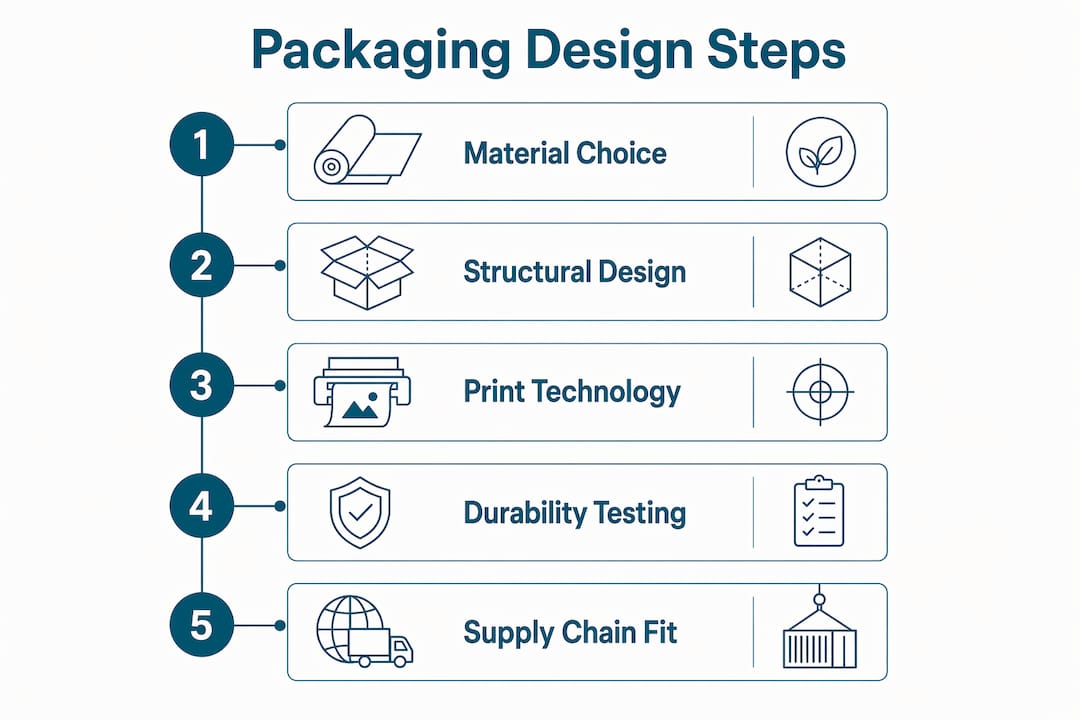
- Start structural design before artwork to optimize performance, reduce expenses, and meet sustainability expectations across distribution channels.
Brand packaging for logistics is the coordinated design and material selection of customer-facing packaging that protects products through multi-leg transit while reinforcing brand identity at every supply chain touchpoint. For e-commerce sellers shipping through LTL freight, fulfillment centers, or last-mile courier networks, packaging is never just a box. It is a structural system that must survive warehouse handling, carrier sorting, and final delivery without sacrificing the brand impression your customer receives at the door. Digital printing advances, new corrugated board grades, and tighter freight cost pressures have made this discipline more precise and more consequential than ever in 2026.
What is brand packaging for logistics, and why does it matter?
Brand packaging for logistics serves two simultaneous functions: physical protection and brand communication. Most e-commerce sellers treat these as separate problems, which is exactly where costs and damages accumulate. The packaging that carries your product through a distribution network is also the first physical object your customer touches. Getting both functions right from a single design is the core challenge.

The complexity of modern supply chains makes this harder than it looks. LTL shipments change hands 4 to 8 times before reaching the end customer, meaning your packaging faces repeated drops, stacking pressure, and vibration stress at every transfer point. A box that looks great in a design mockup but fails at the third handling point destroys both the product and the brand impression simultaneously.
Packaging engineers use the term transit packaging system to describe what most sellers call “brand packaging.” That terminology matters because it shifts the design mindset from decoration to engineering. Your custom brand packaging is not a wrapper. It is a load-bearing, impact-absorbing, brand-communicating system that must perform consistently across every leg of the supply chain.
Key materials and structural design for durable brand packaging
Material selection is the foundation of any logistics packaging solution. Choosing the wrong board grade is the single most common reason branded packaging fails in transit, and it is almost always a cost-cutting decision made without freight math to back it up.
Corrugated board comes in three primary grades relevant to e-commerce and freight:
- Single-wall corrugated (typically B or C flute): suitable for lightweight products under 20 lbs shipping direct-to-consumer via parcel carriers like UPS or FedEx, where handling is relatively controlled.
- Double-wall corrugated: the standard for LTL freight, heavier products, or any shipment passing through multiple distribution centers. This grade absorbs lateral impact and resists stacking compression far better than single-wall.
- Triple-wall corrugated: reserved for industrial or very heavy products, or outer shipping cartons protecting luxury inner boxes in high-value e-commerce shipments.
Structural features matter as much as board grade. Inserts, die-cut foam, molded pulp trays, and corrugated dividers prevent lateral product movement inside the box. Packages must survive 30 to 36 inch drop tests, stack compression, and vibration simulation to be considered transit-ready. This means structural design must account for the worst-case handling scenario, not the average one.
ISTA (International Safe Transit Association) testing protocols, specifically ISTA 2A and ISTA 3A, are the industry benchmarks for validating packaging against real transit conditions. If your packaging supplier cannot confirm ISTA compliance for your board grade and structure, you are shipping on assumption rather than evidence.
| Board Grade | Best Use Case | Typical LTL Suitability |
|---|---|---|
| Single-wall (B/C flute) | Parcel, lightweight DTC | Low |
| Double-wall | LTL freight, mid-weight products | High |
| Triple-wall | Heavy or high-value products | Very High |
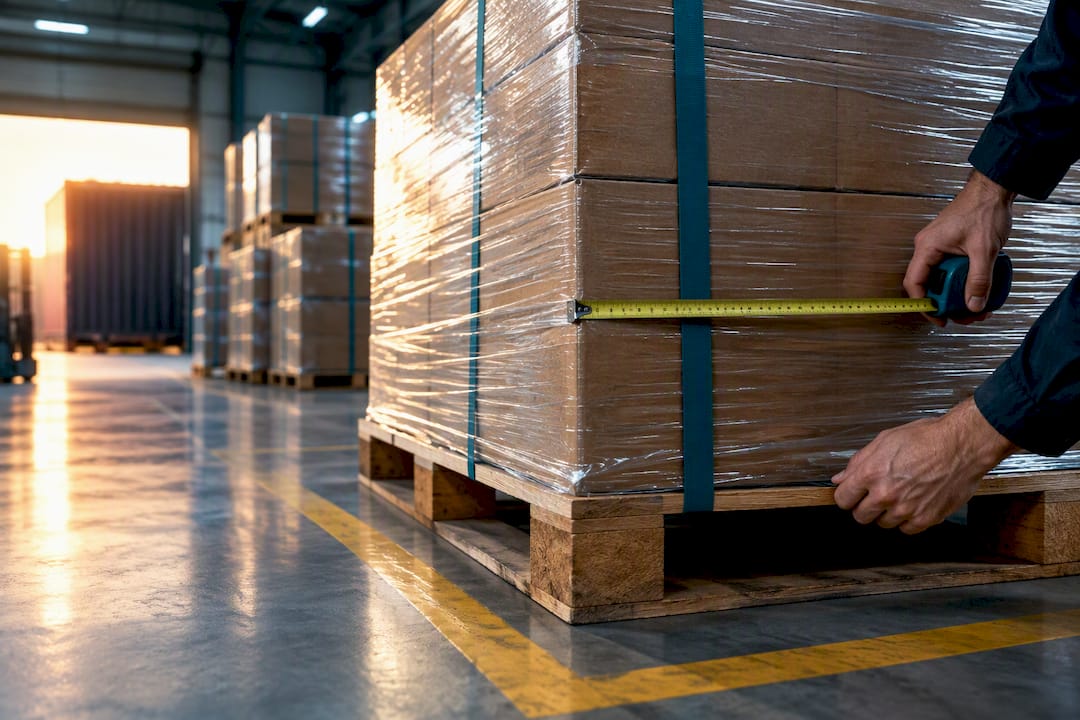
Pallet integration is an often-ignored structural consideration. Packaging designed around pallet footprints reduces freight cost by maximizing cube utilization and eliminating overhang that causes damage during transport. A box sized to fill a standard 48×40 inch pallet without gaps or overhang ships more efficiently and arrives in better condition than one designed in isolation.
Pro Tip: Design your structural packaging first, then apply decoration. Finalizing box dimensions and board grade before artwork prevents costly reprints and ensures your freight cost calculations are based on real geometry, not aspirational design.
How do printing technologies affect brand packaging design?
Printing technology determines how much branding you can apply, at what cost, and at what minimum order quantity. The choice between digital and flexographic printing is not just aesthetic. It directly affects your cash flow, lead times, and ability to test packaging designs before committing to large runs.
- Digital printing produces quality branded runs from as few as 50 units, making it the right choice for startups, seasonal SKUs, or brands testing new packaging concepts. Cost per unit is higher, but the absence of plate tooling costs makes small runs financially viable.
- Flexographic printing becomes cost-effective at 500 units or more. It uses physical printing plates, which carry a tooling cost of $300 to $800 per color, but delivers a significantly lower per-unit cost at volume. This is the standard for established brands with predictable order volumes.
- Offset lithography with lamination is used for rigid boxes and premium outer cartons where color accuracy and finish quality are critical. This method produces the sharpest brand presentation but requires the longest lead times and highest minimum orders.
- Finishing options including soft-touch laminate, spot UV, foil stamping, and embossing add tactile brand signals but increase both unit cost and dimensional weight. Every millimeter of added thickness from laminate or coating affects your DIM weight calculation and therefore your shipping cost.
The most common and expensive artwork mistake is developing brand graphics independently from structural dielines. Artwork and dielines developed simultaneously prevent production failures like logos cracking at fold lines, regulatory warnings hidden under flaps, or brand colors misregistered across panel seams.
Pro Tip: Before approving any print run, request a physical white sample, which is an unprinted structural prototype, and mock up your artwork on it manually. This catches fold-line conflicts and panel sizing errors that digital proofs consistently miss.
| Print Method | Minimum Run | Best For | Relative Unit Cost |
|---|---|---|---|
| Digital | 50+ units | Testing, small runs | High |
| Flexographic | 500+ units | Established volume brands | Medium |
| Offset litho | 1,000+ units | Premium rigid boxes | High setup, lower at scale |
Simple corrugated mailers cost roughly $0.62 to $1.10 per unit at 5,000 units, while rigid boxes run $2.20 or more per unit. That cost gap widens further when you factor in the DIM weight premium that rigid boxes add to every shipment.
How do you balance brand presentation with shipping efficiency?
The unboxing experience in e-commerce operates as a two-stage system: a rugged exterior that survives the carrier network, and a premium interior that delivers the brand quality signal to the customer. These two layers serve different audiences. The outer carton speaks to warehouse handlers and carrier sorters. The inner presentation speaks to your customer.
Luxury e-commerce packaging requires three structural elements working together. A stiff greyboard outer shell, a precise insert with less than 2 mm of lateral product movement, and a transit carton with 15 to 20 mm of clearance around the inner box form the minimum system for passing ISTA transit tests. Skipping any one of these elements compromises the entire system.
Decorative choices that increase DIM weight deserve scrutiny before production. Soft-touch laminates add 0.1 to 0.3 mm to wall thickness. Ribbon pulls and magnetic closures add height to the package profile. Foam inserts add both weight and cubic volume. Each of these choices, individually minor, can collectively push a package into a higher dimensional weight bracket and increase your per-shipment cost by $1.50 to $3.00 at scale. For a brand shipping 10,000 units per month, that is a meaningful freight line item.
Dual-purpose packaging concepts address this tension directly. A single corrugated structure with a removable interior tray can serve both retail shelf presentation and e-commerce fulfillment without requiring two separate SKUs. This approach reduces warehousing complexity, lowers tooling costs, and gives your logistics team a single packaging format to manage across multiple channels. Or-ner’s guide on ecommerce packaging protection covers several of these dual-purpose configurations in practical detail.
Integrating brand packaging with warehouse and supply chain operations
Packaging design that ignores warehouse reality creates friction at every fulfillment step. The most visually impressive packaging system fails operationally if it slows pick-and-pack speed, creates stacking instability on pallets, or generates labeling compliance issues at the carrier level.
Starting packaging design from the pallet footprint rather than the individual box is the single most impactful change most e-commerce brands can make to their logistics packaging strategy. A box sized to tile a standard pallet without gaps or overhang ships more efficiently, stacks more stably, and reduces damage rates in LTL freight significantly.
Key warehouse integration considerations include:
- Stacking patterns and compression strength: your box must support the weight of a full pallet stack without crushing. Double-wall corrugated with a minimum edge crush test (ECT) rating of 44 is the standard starting point for LTL pallet stacking.
- Label placement compliance: carrier labels, hazmat markings, and country-of-origin declarations must appear on specific panel faces. Artwork that covers these zones forces warehouse teams to apply secondary labels, which slows throughput and creates compliance risk.
- Fork pocket clearance: if your product ships on pallets, the pallet design must accommodate standard forklift tines without damaging the bottom tier of boxes.
- Multi-depth SKU reduction: offering a single box structure in two or three depths, rather than ten separate box sizes, dramatically simplifies warehouse inventory and reduces the risk of pickers selecting the wrong packaging format.
Returnable and reusable packaging is gaining traction in B2B and wholesale logistics channels. Corrugated plastic (Coroplast) and molded plastic totes with branded inserts reduce per-trip packaging cost for brands with closed-loop supply chains, while also supporting sustainable logistics goals that increasingly matter to retail partners and end consumers.
Pro Tip: Map your packaging design against your warehouse’s pick-and-pack workflow before finalizing dimensions. A box that is 2 inches taller than necessary to accommodate a decorative insert can reduce pallet stack height by an entire tier, adding meaningful freight cost per shipment.
Key takeaways
Effective brand packaging for logistics requires structural engineering, material selection, and brand design to be developed as a single integrated system rather than sequential decisions.
| Point | Details |
|---|---|
| Material grade determines transit survival | Use double-wall corrugated for LTL shipments that pass through 4 to 8 handling points. |
| Design artwork and dielines together | Simultaneous development prevents logo cracking, hidden warnings, and panel misregistration at production. |
| Start design from the pallet footprint | Pallet-integrated sizing reduces freight cost, improves stacking stability, and lowers damage rates. |
| DIM weight math must drive decoration choices | Soft-touch laminates, foam inserts, and rigid shells each add cubic volume that increases shipping cost at scale. |
| Print method should match order volume | Digital printing suits runs under 500 units; flexographic delivers lower unit cost at 500 units or more. |
The design mistake I keep seeing brands repeat
After years of watching e-commerce brands invest heavily in packaging, the most consistent mistake is not a material failure or a print error. It is a sequencing problem. Brands finalize their visual identity, commission a designer to create beautiful packaging artwork, and then hand that artwork to a structural engineer and ask them to make it work. That sequence is backward, and it costs real money.
Structure should dictate decoration, not the other way around. When a packaging engineer starts from a pallet footprint, selects a board grade based on ISTA requirements, and designs a structural dieline before a single brand color is chosen, the resulting package is almost always cheaper to ship, more durable in transit, and easier to fulfill at scale. The brand design team then works within a defined structural canvas, which actually produces better creative outcomes because constraints force precision.
The other trend worth watching is the growing pressure from retail partners and logistics providers to adopt eco-friendly packaging practices. Recycled content corrugated, water-based inks, and reusable outer cartons are moving from brand differentiators to baseline expectations in many retail and wholesale channels. Brands that build sustainability into their packaging engineering now will avoid costly redesigns when those expectations become requirements.
The brands that get this right treat packaging as a cross-functional project from day one, with branding, packaging engineering, and logistics operations at the same table before a single dieline is drawn.
— Maayan
How Or-ner supports your branded packaging logistics
Or-ner’s reliable courier services are built for e-commerce sellers who have invested in brand packaging and need a logistics partner that protects that investment through every delivery leg. Or-ner handles freight booking, real-time shipment tracking, customs clearance, and last-mile delivery across ocean, air, and land transport modes, giving your carefully engineered packaging the handling network it deserves. For smaller operations, Or-ner’s courier solutions for small businesses offer the same reliability at a scale that fits your current volume. When your packaging is designed to impress, your courier network should be designed to deliver.
FAQ
What board grade should I use for LTL brand packaging?
Double-wall corrugated is the standard for LTL shipments because packages change hands 4 to 8 times in transit, requiring higher impact resistance and stack compression strength than single-wall provides.
How do digital and flexographic printing differ for custom brand packaging?
Digital printing is cost-effective for runs of 50 or more units with no plate tooling costs, while flexographic printing delivers lower per-unit cost at 500 or more units but requires upfront plate investment per color.
What is DIM weight, and how does packaging design affect it?
Dimensional weight (DIM weight) is a carrier pricing method based on package cubic volume rather than actual weight. Decorative finishes like soft-touch laminates, foam inserts, and rigid box structures increase cubic volume and can push shipments into higher freight cost brackets.
Why should packaging design start from the pallet footprint?
Designing boxes to tile a standard pallet without gaps or overhang maximizes cube utilization, improves stacking stability, and reduces freight cost per shipment, particularly in LTL and warehouse fulfillment environments.
What is ISTA testing, and does my packaging need it?
ISTA (International Safe Transit Association) testing simulates real transit conditions including drop, vibration, and compression stress. Any packaging used in LTL freight or multi-leg e-commerce fulfillment should be validated against ISTA 2A or ISTA 3A protocols to confirm it will survive the full handling journey.