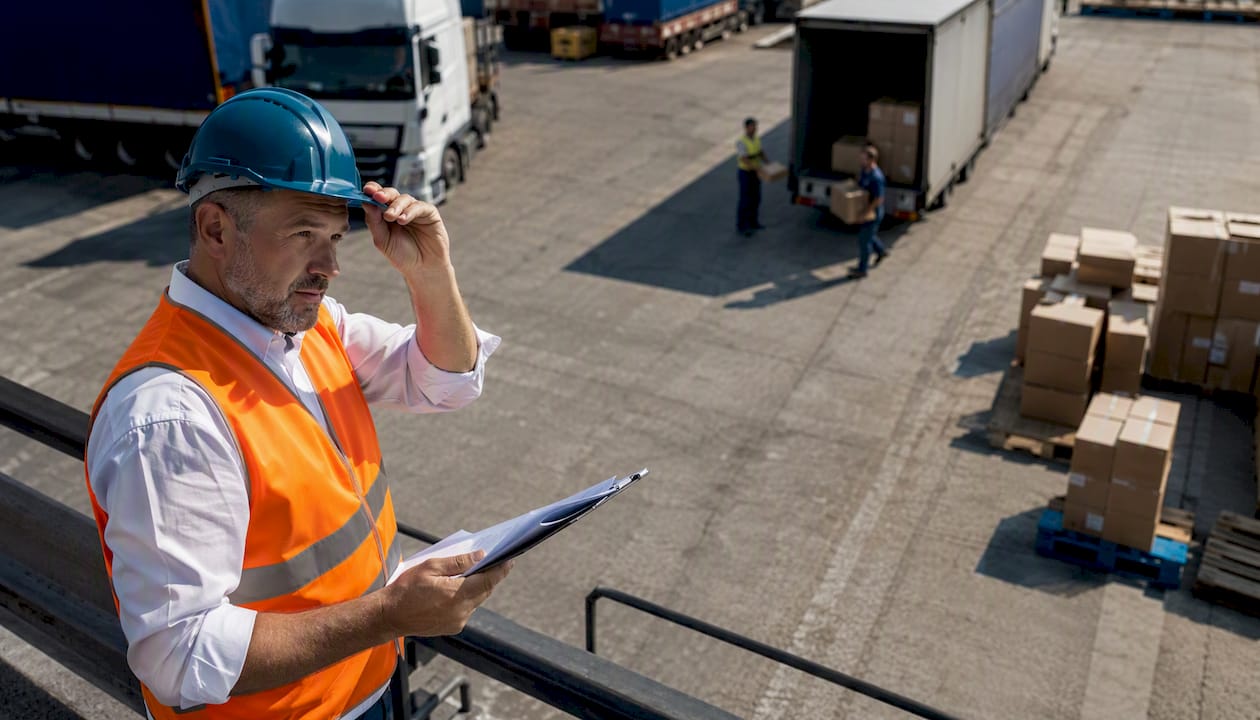
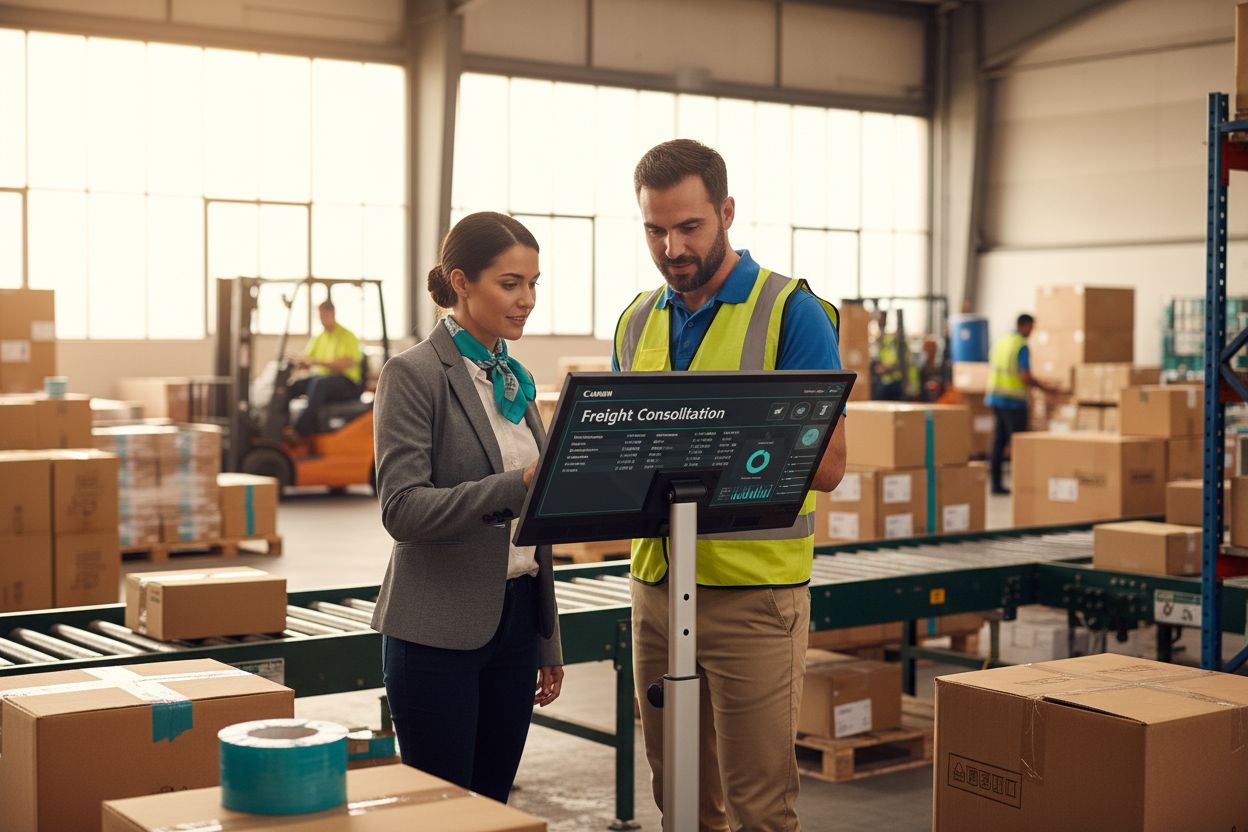
Shipping costs keep rising and small businesses are searching for smarter ways to get products where they need to go. Here is a surprise. Freight consolidation can slash shipping expenses by up to 40% compared to traditional methods. Most people think this is just about saving money on delivery fees, but that barely scratches the surface. This approach is actually reshaping how companies compete, letting even the smallest players access the kinds of powerful shipping networks that used to belong only to the giants.
Table of Contents
- Defining Freight Consolidation: What It Means
- The Importance of Freight Consolidation in Logistics
- How Freight Consolidation Works in Supply Chains
- Key Concepts and Benefits of Freight Consolidation
- Real-World Applications of Freight Consolidation
Quick Summary
| Takeaway | Explanation |
|---|---|
| Freight consolidation lowers shipping costs | Businesses can reduce transportation expenses by up to 30% through shipment aggregation. |
| Optimizes supply chain efficiency | By pooling shipments, companies minimize empty space and improve inventory management. |
| Promotes sustainability in logistics | Less frequent shipments lead to reduced carbon emissions and a smaller transportation footprint. |
| Enhances competitive advantage | Effective consolidation enables better pricing and delivery speed, benefiting smaller businesses. |
| Relies on advanced technology | Utilizing logistics software for tracking and route optimization greatly enhances consolidation effectiveness. |
Defining Freight Consolidation: What It Means
Freight consolidation represents a strategic logistics approach where multiple smaller shipments from different shippers are combined into a single, larger transportation load. This method transforms how businesses optimize their shipping processes by maximizing efficiency and reducing overall transportation costs.
The Core Concept of Freight Consolidation
At its fundamental level, freight consolidation involves aggregating cargo from various sources into one comprehensive shipment. Instead of sending multiple small packages individually, businesses pool their goods together to create a more substantial, cost-effective transport solution. Research from the Logistics Management Institute indicates that this approach can reduce shipping expenses by up to 30% for many businesses.
The primary goal of freight consolidation is to leverage economies of scale. By combining smaller shipments into one full truckload or container, companies can:
- Reduce per-unit transportation costs
- Minimize empty space in shipping containers
- Lower carbon emissions through more efficient transport
- Improve overall supply chain sustainability
How Freight Consolidation Works
Typically, freight consolidation occurs through specialized consolidation centers or freight consolidators who act as intermediaries. These logistics professionals collect shipments from multiple businesses heading in the same direction or region.
They strategically group these shipments to create full truckloads or container loads, ensuring maximum capacity utilization.
Businesses can engage in freight consolidation through various methods, including shared truckload services, less-than-truckload (LTL) shipping, and freight consolidation networks.
The following table summarizes and compares the primary methods of freight consolidation discussed in the article, highlighting their key characteristics and intended use cases.
| Method | Description | Typical Use Case |
|---|---|---|
| Shared Truckload Services | Multiple businesses share space in one truck heading in the same direction. | Regional or long-haul shipments |
| Less-than-Truckload (LTL) Shipping | Smaller shipments from different shippers combined in one truck, each with separate stops. | Mixed-destination small shipments |
| Freight Consolidation Networks | Organized networks that aggregate and coordinate shipments for optimal efficiency. | Ongoing shipping, multi-partner loads |
| Consolidation Centers/Intermediaries | Specialized centers or professionals that gather, group, and dispatch consolidated shipments. | Multi-origin or multi-supplier loads |
By understanding and leveraging freight consolidation, businesses can transform their shipping operations, reduce expenses, and contribute to more sustainable logistics practices.
The Importance of Freight Consolidation in Logistics
Freight consolidation has emerged as a critical strategic approach for businesses seeking to optimize their supply chain operations and reduce transportation expenses. This logistics technique goes far beyond simple cost reduction, offering comprehensive benefits that transform how companies manage their shipping processes.
Economic and Operational Benefits
The economic advantages of freight consolidation are substantial. Global Logistics Research Center reveals that businesses can achieve significant cost savings through strategic shipment aggregation. By combining multiple smaller shipments into a single, larger transportation load, companies can dramatically reduce per-unit shipping expenses.
Key economic benefits include:
- Reduced transportation costs through shared shipping resources
- Enhanced inventory management efficiency
- Improved cash flow by minimizing individual shipping expenses
- Greater flexibility in supply chain management
Environmental and Sustainability Impact
Freight consolidation plays a crucial role in promoting sustainable logistics practices.
INFOGRAPHIC:infographic_content] Reducing individual shipments means fewer trucks on the road, which directly translates to lower carbon emissions. [Environmental Logistics Institute indicates that consolidated shipping can decrease transportation-related carbon footprints by up to 40% compared to traditional shipping methods.
Businesses can learn more about freight forwarding strategies to further enhance their sustainable logistics approach. The environmental benefits extend beyond emissions reduction, contributing to a more responsible and efficient global supply chain ecosystem.
Strategic Competitive Advantage
Beyond cost and environmental considerations, freight consolidation provides businesses with a strategic competitive advantage. Companies that effectively implement consolidation strategies can offer more competitive pricing, faster delivery times, and more reliable shipping options. This approach allows smaller businesses to compete with larger corporations by accessing more efficient transportation networks and reducing logistical complexities.
This table outlines the main economic, operational, and sustainability benefits of freight consolidation for businesses, providing a quick reference for the advantages discussed throughout the article.
| Benefit Category | Description |
|---|---|
| Cost Reduction | Shared shipments decrease per-unit transportation expenses, often saving 25-40% on shipping costs. |
| Improved Efficiency | Aggregation of goods reduces empty space, optimizes routes, and streamlines inventory management. |
| Environmental Impact | Fewer shipments mean lower carbon emissions and less fuel consumption for a greener supply chain. |
| Strategic Advantage | Smaller businesses gain access to efficient logistics networks, allowing them to compete with larger firms. |
| Flexibility | Enhanced ability to manage and respond to shifts in supply chain demands and customer requirements. |
By embracing freight consolidation, organizations can transform their logistics operations, create more sustainable supply chains, and position themselves for enhanced operational excellence in an increasingly competitive global marketplace.
How Freight Consolidation Works in Supply Chains
Freight consolidation operates as a sophisticated logistics mechanism that transforms fragmented shipping processes into streamlined, efficient transportation networks. Understanding the intricate mechanics of this approach reveals how businesses can optimize their supply chain operations.
The Consolidation Process
The core mechanism of freight consolidation involves carefully coordinating shipments from multiple sources. Supply Chain Logistics Association explains that this process begins with identifying shipments traveling to similar destinations or regions. Logistics professionals then strategically aggregate these smaller shipments into larger, more cost-effective transportation loads.
Key steps in the consolidation process include:
- Collecting shipments from various businesses
- Analyzing route compatibility and destination proximity
- Grouping compatible cargo into comprehensive loads
- Scheduling efficient transportation routes
- Managing documentation and tracking
Technological Infrastructure
Modern freight consolidation relies heavily on advanced technological platforms. Sophisticated logistics software enables real-time tracking, route optimization, and precise shipment management. Global Technology in Logistics Report indicates that cutting-edge technologies like AI and machine learning are revolutionizing how businesses approach shipment consolidation.
Businesses can explore detailed freight consolidation basics to understand the technological nuances of this approach. These technologies enable unprecedented visibility, allowing companies to make data-driven decisions about shipment aggregation and routing.
Network and Partnership Dynamics
Successful freight consolidation depends on robust logistics networks and strategic partnerships. Consolidation centers and freight forwarders play crucial roles in connecting businesses with complementary shipping needs. By creating collaborative ecosystems, these intermediaries enable smaller businesses to access more efficient transportation resources.
The collaborative nature of freight consolidation transforms traditional shipping models. Instead of competing for transportation capacity, businesses can now work together to create more sustainable, cost-effective logistics solutions. This approach not only reduces individual shipping expenses but also contributes to a more interconnected and efficient global supply chain infrastructure.
Key Concepts and Benefits of Freight Consolidation
Freight consolidation represents a nuanced approach to logistics management that transcends traditional shipping strategies. By understanding its core concepts and multifaceted benefits, businesses can unlock significant operational and financial advantages in their supply chain operations.
Core Conceptual Framework
Freight consolidation fundamentally transforms how businesses approach shipping logistics. Global Logistics Research Institute defines it as a strategic process of aggregating multiple smaller shipments from different sources into a single, more efficient transportation load. This approach challenges conventional shipping models by prioritizing collaborative and resource-efficient transportation solutions.
Key conceptual elements include:
- Shared transportation resources
- Optimized cargo space utilization
- Strategic shipment routing
- Cross-business logistics collaboration
- Dynamic inventory management
Economic and Operational Advantages
The economic benefits of freight consolidation extend far beyond simple cost reduction. Companies can experience substantial improvements in their logistics expenditure and operational efficiency. Economic Shipping Analysis Center suggests that businesses implementing consolidation strategies can reduce transportation expenses by 25-40% compared to traditional shipping methods.
Learn more about freight forwarding benefits for growing businesses to understand how these strategies can transform logistics operations. The financial advantages are particularly significant for small and medium-sized enterprises seeking competitive logistics solutions.
Strategic Transformation Potential
Beyond immediate economic benefits, freight consolidation offers strategic transformation potential for businesses. By reimagining shipping as a collaborative ecosystem, companies can develop more resilient, flexible, and sustainable supply chain models. This approach enables smaller businesses to access transportation networks and efficiencies previously available only to large corporations.
The strategic implications include improved market responsiveness, reduced carbon footprint, and enhanced ability to adapt to rapidly changing global logistics landscapes. Businesses that embrace freight consolidation position themselves as innovative, environmentally conscious, and operationally sophisticated players in their respective industries.
Real-World Applications of Freight Consolidation
Freight consolidation transforms theoretical logistics concepts into practical, actionable strategies across diverse industries. By examining real-world applications, businesses can understand how this innovative approach solves complex shipping challenges and drives operational efficiency.
Manufacturing and Industrial Sector
Manufacturing companies experience significant advantages through freight consolidation. Industrial Logistics Journal reveals that manufacturers often deal with complex supply chains involving multiple component suppliers and distribution channels. Freight consolidation enables these organizations to streamline their logistics operations by aggregating shipments from various suppliers heading to similar destinations.
Key application scenarios include:
- Combining automotive parts shipments from different manufacturers
- Aggregating electronic component deliveries
- Coordinating raw material transportation across regional production facilities
- Synchronizing international supply chain movements
- Reducing transportation costs for complex manufacturing networks
Retail and Ecommerce Implementations
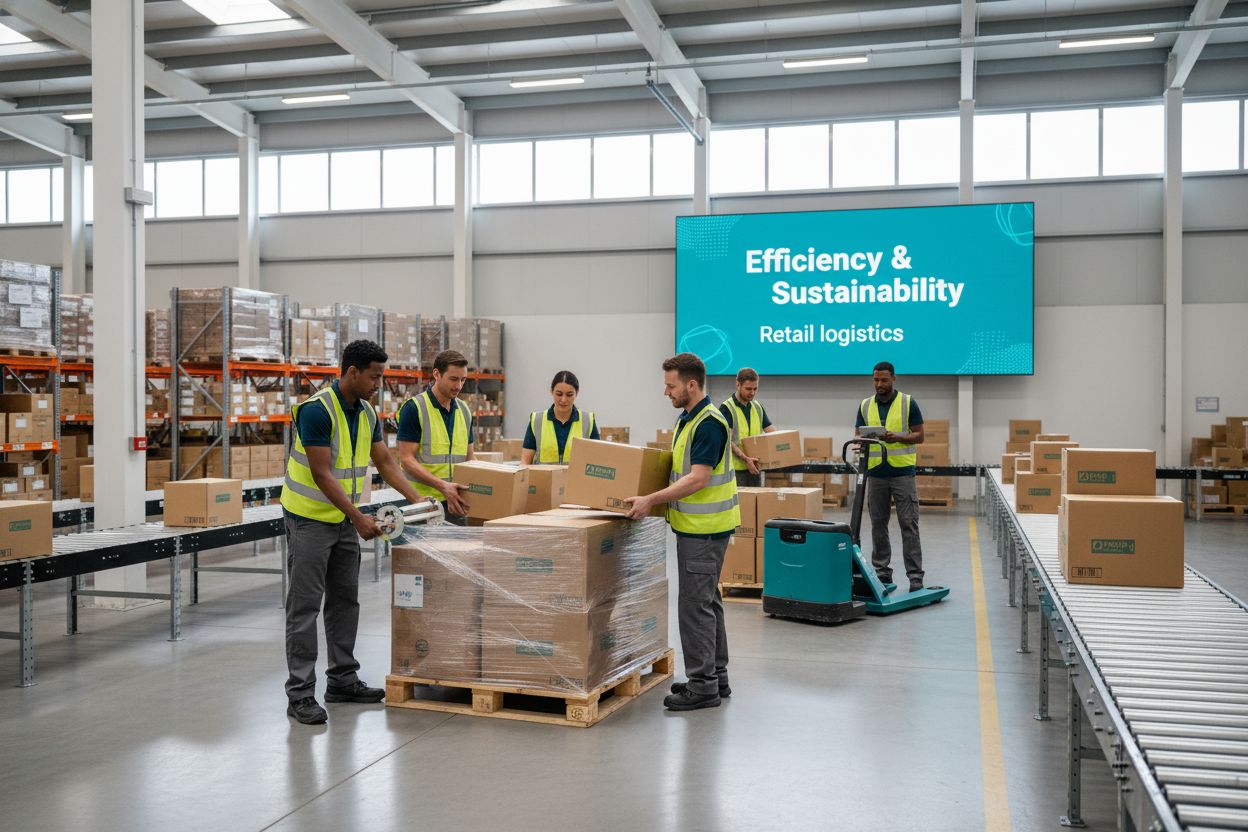
Retail and ecommerce sectors have rapidly adopted freight consolidation as a strategic logistics solution. Global Retail Supply Chain Analysis indicates that online retailers can dramatically reduce shipping expenses and improve delivery times by implementing sophisticated consolidation techniques.
Learn more about freight forwarding benefits for growing businesses to understand how these strategies revolutionize retail logistics. Ecommerce platforms can leverage consolidation to create more efficient cross-border shipping networks and reduce overall transportation complexity.
Technology and Specialized Logistics
Technology-driven industries and specialized logistics sectors are pioneering advanced freight consolidation strategies. High-tech companies dealing with sensitive electronic equipment, pharmaceutical manufacturers, and specialized equipment suppliers utilize sophisticated consolidation techniques to ensure precise, cost-effective transportation.
These advanced applications demonstrate how freight consolidation goes beyond simple cost reduction. By creating intelligent, interconnected shipping ecosystems, businesses can transform their logistics from a traditional cost center into a strategic competitive advantage. The ability to efficiently manage complex, multi-origin shipments represents a significant leap forward in global supply chain management.
Take Your Freight Consolidation Further With a Trusted Logistics Partner
Are shipping inefficiencies still holding your business back? If you found value in learning about the cost savings and operational improvements of freight consolidation, consider what streamlined logistics could mean for your growth. Many ecommerce sellers and manufacturers struggle to manage fragmented shipments, unreliable delivery schedules, and the complexity of cross-border fulfillment. These frustrations take time and resources away from running your core business.
Experience the power of reliable courier services that support every step of your shipping journey. At or-ner.com, you get direct access to real-time freight booking, automated tracking, and advanced inventory tools—ideal for scaling your business across borders. Join now and let your logistics process work harder for you. Get started at or-ner.com for simplified, end-to-end supply chain solutions built for growth.
Frequently Asked Questions
What is freight consolidation?
Freight consolidation is a logistics strategy that involves combining multiple smaller shipments into a single, larger transportation load to optimize shipping efficiency and reduce costs.
How does freight consolidation benefit businesses?
Freight consolidation can help businesses reduce per-unit transportation costs, minimize empty space in shipping containers, lower carbon emissions, and improve overall supply chain sustainability.
What are the methods of freight consolidation?
Businesses can engage in freight consolidation through shared truckload services, less-than-truckload (LTL) shipping, and freight consolidation networks that pool shipments from various sources.
How does technology play a role in freight consolidation?
Modern freight consolidation heavily relies on advanced logistics software that enables real-time tracking, route optimization, and precise shipment management, ultimately enhancing the efficiency of the entire consolidation process.