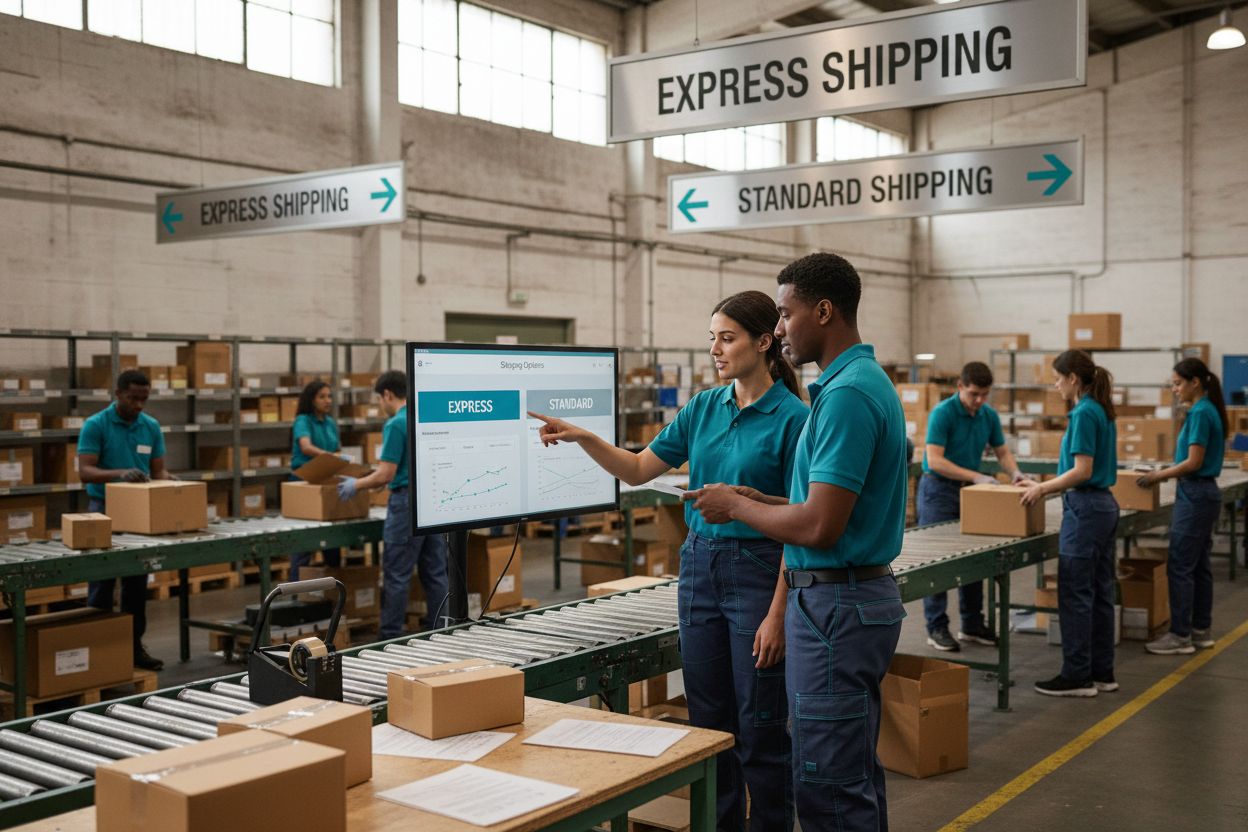
Shipping speed can make or break a sale these days. Seventy five percent of shoppers are willing to switch retailers based on delivery experience. Most people assume faster shipping is always the smarter choice. Surprisingly, the slower and cheaper option can sometimes win over more customers and even increase profits.
Table of Contents
- Defining Express And Standard Shipping: What They Are
- The Importance Of Shipping Options: Why It Matters
- How Express And Standard Shipping Work: Key Differences
- Factors Influencing Shipping Choices: Cost, Speed, And Reach
- Real-World Applications: When To Use Each Shipping Method
Quick Summary
| Takeaway | Explanation |
|---|---|
| Express shipping is fastest but costly | Express shipping guarantees delivery in 1-3 days, making it a premium option for urgent needs. |
| Standard shipping is more economical | Standard shipping costs less but takes longer, usually 5-10 days for delivery. |
| Select shipping based on customer needs | Understand customer expectations to choose the right shipping method that balances speed and cost. |
| Shipping influences customer satisfaction | Offering multiple shipping options enhances the shopping experience and can drive customer loyalty. |
| Align shipping methods with product characteristics | Choose express for time-sensitive, high-value items, and standard for less urgent goods to optimize logistics. |
Defining Express and Standard Shipping: What They Are
Shipping methods play a pivotal role in ecommerce logistics, with express and standard shipping representing two fundamental approaches to product delivery. Understanding their nuanced differences helps businesses and consumers make informed decisions about transportation strategies.
Core Characteristics of Shipping Methods
Express shipping and standard shipping are distinct delivery approaches designed to meet varied logistical needs.
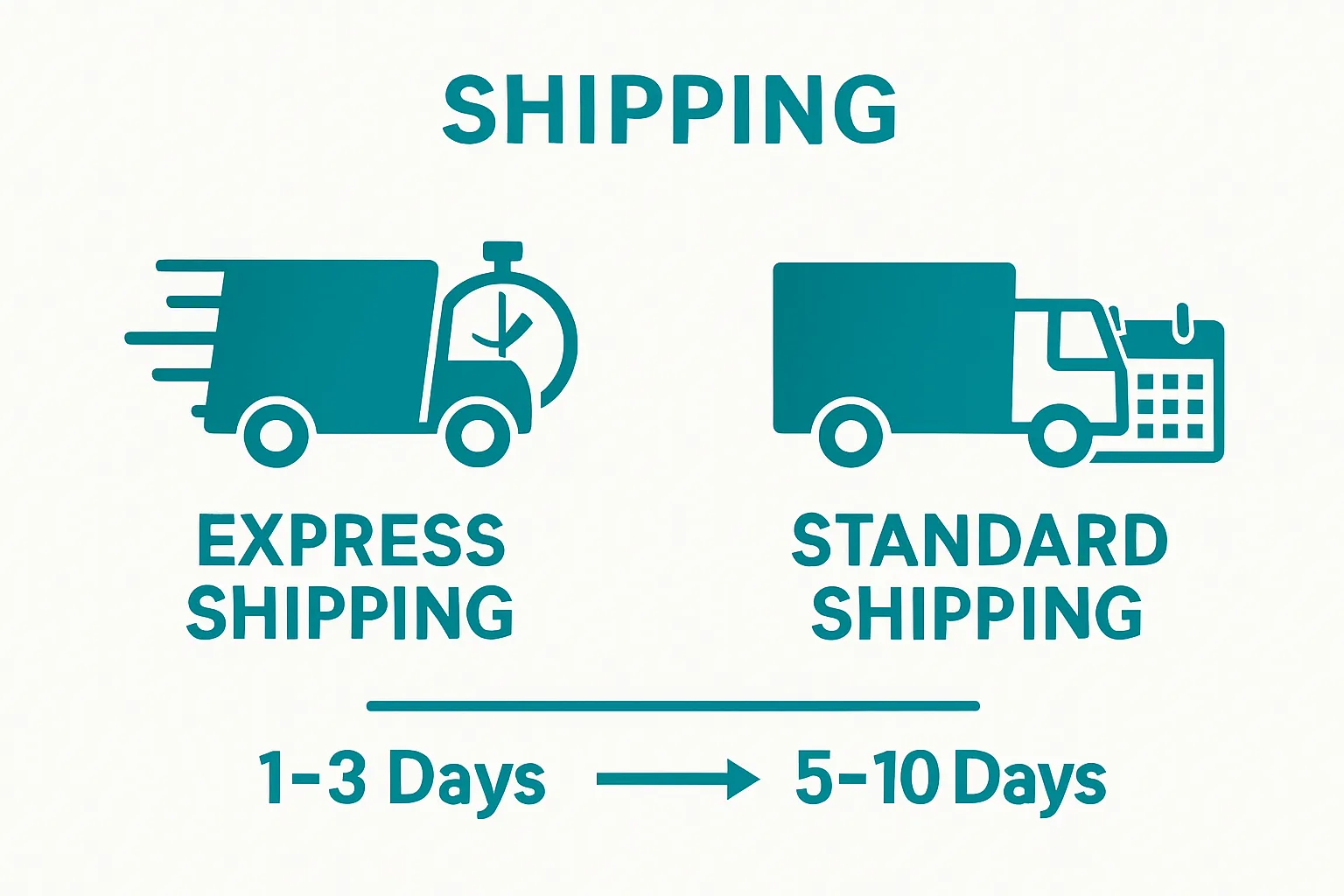 Express shipping prioritizes speed and rapid transportation, typically guaranteeing delivery within 1-3 business days. Standard shipping, conversely, offers a more economical and slower transportation option, generally taking 5-10 business days for package arrival.
According to Logistics Management Research, businesses must carefully evaluate their specific requirements when selecting between these shipping categories. Key factors include:
- Time sensitivity of delivery
- Budget constraints
- Customer expectations
- Product characteristics
Speed and Cost Considerations
The primary differentiator between express and standard shipping is the balance between transit time and transportation expenses. Express shipping commands premium pricing due to its accelerated delivery guarantees. Carriers utilize dedicated transportation networks, prioritized routing, and specialized handling to ensure rapid package movement.
Standard shipping represents a more economical alternative, consolidating packages and utilizing more cost effective transportation routes. This method allows businesses to reduce shipping expenses while providing reliable, though slower, delivery services.
Strategic Selection of Shipping Methods
Choosing between express and standard shipping requires strategic analysis of operational needs. Retailers must consider factors such as product urgency, customer expectations, and financial implications. High value or time critical items often benefit from express shipping, while standard shipping works effectively for less urgent merchandise.
Research from Supply Chain Quarterly suggests businesses develop flexible shipping strategies that balance speed, cost, and customer satisfaction. By understanding the nuanced characteristics of express and standard shipping, companies can optimize their logistics performance and meet diverse consumer delivery preferences.
Below is a table comparing express and standard shipping across key features to help clarify their operational, cost, and strategic distinctions.
| Feature | Express Shipping | Standard Shipping |
|---|---|---|
| Delivery Speed | 1-3 business days | 5-10 business days |
| Cost | Higher (premium) | Lower (economical) |
| Transportation Network | Prioritized, direct, minimal handling | Consolidated, shared, multi-stage |
| Delivery Guarantee | Guaranteed delivery windows | Flexible timeframes |
| Suitable For | Time-sensitive, high-value items | Regular, less urgent merchandise |
| Technology Usage | Advanced real-time tracking | Standard tracking, less priority |
| Impact on Customer Satisfaction | High for urgent needs | High for cost-conscious shoppers |
The Importance of Shipping Options: Why It Matters
Shipping options represent more than simple transportation methods they are critical strategic tools that directly impact business performance, customer satisfaction, and overall operational efficiency. Understanding the profound implications of shipping choices can transform how organizations approach logistics and customer service.
Customer Experience and Expectations
In the modern ecommerce landscape, shipping options are fundamental to customer experience.
IMAGE:descriptive_key_1] Consumers increasingly expect flexible, transparent, and rapid delivery solutions. [McKinsey Research indicates that shipping flexibility can significantly influence purchasing decisions, with 75% of consumers willing to switch retailers based on delivery experience.
Key customer expectations around shipping include:
- Multiple delivery speed options
- Clear and accurate delivery timeframes
- Real time tracking capabilities
- Affordable shipping rates
- Minimal additional charges
Economic and Strategic Implications
Shipping options directly impact an organization’s economic performance and competitive positioning. Different shipping methods create nuanced cost structures and operational dynamics. By strategically selecting shipping approaches, businesses can optimize expenses, improve profit margins, and differentiate themselves in competitive markets.
According to Supply Chain Insights, companies that develop sophisticated, flexible shipping strategies can reduce transportation costs by up to 15% while simultaneously improving customer satisfaction.
Competitive Differentiation
In a global marketplace where consumers have unprecedented choices, shipping options serve as a critical differentiation mechanism. Organizations that provide comprehensive, user friendly shipping solutions can transform logistics from a mundane operational function into a powerful competitive advantage.
Businesses can leverage shipping strategies to:
- Attract and retain customers
- Demonstrate operational sophistication
- Build brand trust and reliability
- Create positive post purchase experiences
For businesses looking to enhance their logistics capabilities, our guide on courier services for small businesses provides additional insights into developing robust shipping strategies that balance cost, speed, and customer satisfaction.
How Express and Standard Shipping Work: Key Differences
Shipping methods function as complex logistical systems with distinct operational frameworks that determine package movement, processing, and delivery timelines. Understanding the intricate mechanics behind express and standard shipping reveals the sophisticated strategies carriers employ to meet diverse transportation needs.
Transportation Network Dynamics
Express shipping operates through dedicated, prioritized transportation networks designed for maximum efficiency and speed. These specialized networks utilize direct routing, minimal transfer points, and advanced tracking technologies to ensure rapid package movement. Carriers leverage exclusive transportation corridors, often employing air freight and expedited ground transportation to minimize transit times.
FedEx Shipping Services highlights that express shipping typically involves direct routing with fewer intermediate handling stages, significantly reducing potential delays and increasing delivery predictability.
Key characteristics of express shipping networks include:
- Dedicated transportation lanes
- Minimal package handling points
- Prioritized processing
- Advanced real time tracking
- Guaranteed delivery windows
Processing and Handling Approaches
Standard shipping demonstrates a more consolidated approach to package transportation. Carriers optimize cost efficiency by aggregating multiple shipments, utilizing shared transportation resources and implementing multi stage routing strategies. This approach allows for more economical transportation but inherently increases overall transit duration.
Processing differences between express and standard shipping manifest through:
- Batch processing vs individual prioritization
- Shared vs dedicated transportation resources
- Flexible vs guaranteed delivery timeframes
- Cost optimization strategies
Technology and Infrastructure
Modern shipping methodologies increasingly rely on sophisticated technological infrastructure to enhance operational efficiency. Advanced logistics platforms enable real time package tracking, predictive routing, and dynamic transportation management. Express shipping particularly leverages cutting edge technologies to maintain rapid, precise delivery performance.
For businesses seeking deeper insights into international shipping complexities, our guide on international parcel shipping provides comprehensive strategies for navigating global logistics challenges. By understanding these nuanced operational differences, organizations can make informed decisions about shipping methods that align with their specific logistical requirements.
Factors Influencing Shipping Choices: Cost, Speed, and Reach
Selecting the optimal shipping strategy requires a comprehensive evaluation of multiple interconnected factors that extend beyond simple transportation logistics. Organizations must carefully balance cost considerations, delivery speed requirements, and geographic reach to develop effective shipping solutions that meet both operational and customer expectations.
Cost Considerations
Shipping expenses represent a critical decision making factor for businesses across industries. Express shipping invariably commands premium pricing due to its accelerated delivery infrastructure, while standard shipping offers more economical transportation alternatives. The financial implications of shipping choices directly impact profit margins, pricing strategies, and overall business competitiveness.
United States Postal Service Cost Calculator demonstrates how shipping rates vary dramatically based on package characteristics, destination, and selected service level. Key cost influencing elements include:
- Package weight and dimensions
- Shipping distance
- Delivery speed requirements
- Additional service features
- Fuel and handling surcharges
Speed and Time Sensitivity
Delivery speed emerges as a fundamental consideration in shipping strategy development. Different industries and product categories demand varying levels of transportation urgency. Businesses must align shipping methods with product characteristics, customer expectations, and operational constraints.
Speed considerations encompass multiple strategic dimensions:
- Perishable goods requiring rapid transportation
- High value items needing secure, swift delivery
- Customer expectations for quick order fulfillment
- Competitive differentiation through delivery performance
Geographic and Logistical Reach
Shipping reach represents the comprehensive geographical coverage and logistical capabilities of transportation services. Advanced shipping strategies consider complex network limitations and opportunities. Different shipping methods offer varying levels of accessibility, particularly for remote or international destinations.
For businesses seeking to expand their logistical capabilities, our comprehensive guide on freight forwarding provides deeper insights into navigating complex shipping challenges. Understanding nuanced reach limitations allows organizations to develop more sophisticated, adaptable shipping strategies that balance cost, speed, and comprehensive service coverage.
This table summarizes the primary factors that influence the choice between express and standard shipping, providing a quick reference for evaluating shipping strategies.
| Factor | Express Shipping | Standard Shipping |
|---|---|---|
| Cost | High | Low |
| Speed/Delivery Time | Fast (1-3 days) | Slower (5-10 days) |
| Geographic Reach | Typically domestic/limited international | Broad, including remote areas |
| Product Suitability | Perishables, high-value, urgent orders | Bulk, non-urgent, everyday items |
| Customer Expectation Alignment | Immediate needs, premium service | Cost savings, flexible needs |
| Operational Complexity | More complex (dedicated lanes) | Less complex (batch shipments) |
| Impact on Profit Margins | Can reduce due to high costs | Can increase by saving costs |
Real-World Applications: When to Use Each Shipping Method
Selecting the appropriate shipping method requires strategic analysis of specific business scenarios, product characteristics, and customer expectations. Understanding the practical applications of express and standard shipping empowers organizations to optimize their logistics performance and enhance customer satisfaction.
Industry Specific Shipping Strategies
Different industries demand unique shipping approaches that align with their distinctive operational requirements and product attributes. Certain sectors rely more heavily on express shipping, while others find standard shipping more suitable for their logistical needs.
National Retail Federation Shipping Study reveals sector specific shipping preferences across various business domains. Key industry shipping considerations include:
- Electronics and high value technology products
- Perishable food and pharmaceutical goods
- Fashion and time sensitive seasonal merchandise
- Fragile or sensitive equipment
- International trade and cross border logistics
Product Complexity and Shipping Requirements
Shipping methods must align with specific product characteristics, considering factors like fragility, value, and time sensitivity. Express shipping becomes crucial for items requiring rapid, secure transportation, while standard shipping works effectively for more robust, less time critical merchandise.
Product shipping strategy considerations encompass:
- Fragility and potential damage risk
- Monetary value of goods
- Temperature and environmental sensitivity
- Regulatory compliance requirements
- Customer delivery expectations
Financial and Operational Optimization
Businesses must balance shipping expenses with operational efficiency and customer satisfaction. Strategic shipping selection involves comprehensive cost benefit analysis that extends beyond simple transportation expenses. Organizations need to evaluate indirect costs, potential revenue impact, and long term customer relationship management.
For businesses seeking advanced logistics strategies, our guide on benefits of freight forwarding offers comprehensive insights into developing sophisticated transportation approaches. By understanding nuanced shipping method applications, companies can create tailored logistics solutions that drive competitive advantage and operational excellence.
Discover Reliable Courier Services Built for Your Shipping Expectations
Tired of choosing between speed and savings? The article on express versus standard shipping explains how balancing delivery time, costs, and real-time tracking is crucial for ecommerce growth. Many businesses struggle with rigid shipping choices, unclear delivery times, and limited global reach. Your customers want both flexibility and reliability, and so does your business.
With reliable courier services from or-ner.com, you do not have to compromise. Our platform gives you instant access to tailored shipping solutions—including express and standard options—alongside end-to-end logistics tools. This means seamless freight booking, real-time shipment updates, and automated inventory management. Optimize your supply chain and exceed customer expectations with smooth, scalable delivery. Explore our full range of ecommerce logistics solutions now and see how expertise in express and standard shipping can give you a competitive edge. Visit or-ner.com today to upgrade your shipping strategy and act on your logistics goals.
Frequently Asked Questions
What is the main difference between express shipping and standard shipping?
Express shipping offers faster delivery (typically within 1-3 business days), while standard shipping is more economical and generally takes longer (around 5-10 business days).
When should I choose express shipping over standard shipping?
Choose express shipping for high-value or time-sensitive items that require quick delivery. Standard shipping is suitable for less urgent items, helping to save costs.
How do shipping costs compare between express and standard shipping?
Express shipping typically costs more due to its expedited service and prioritized handling, whereas standard shipping is more affordable as it consolidates packages and uses cost-effective transportation routes.
What factors influence the choice of shipping method for a business?
Key factors include the time sensitivity of delivery, budget constraints, customer expectations, and specific product characteristics such as fragility or value.