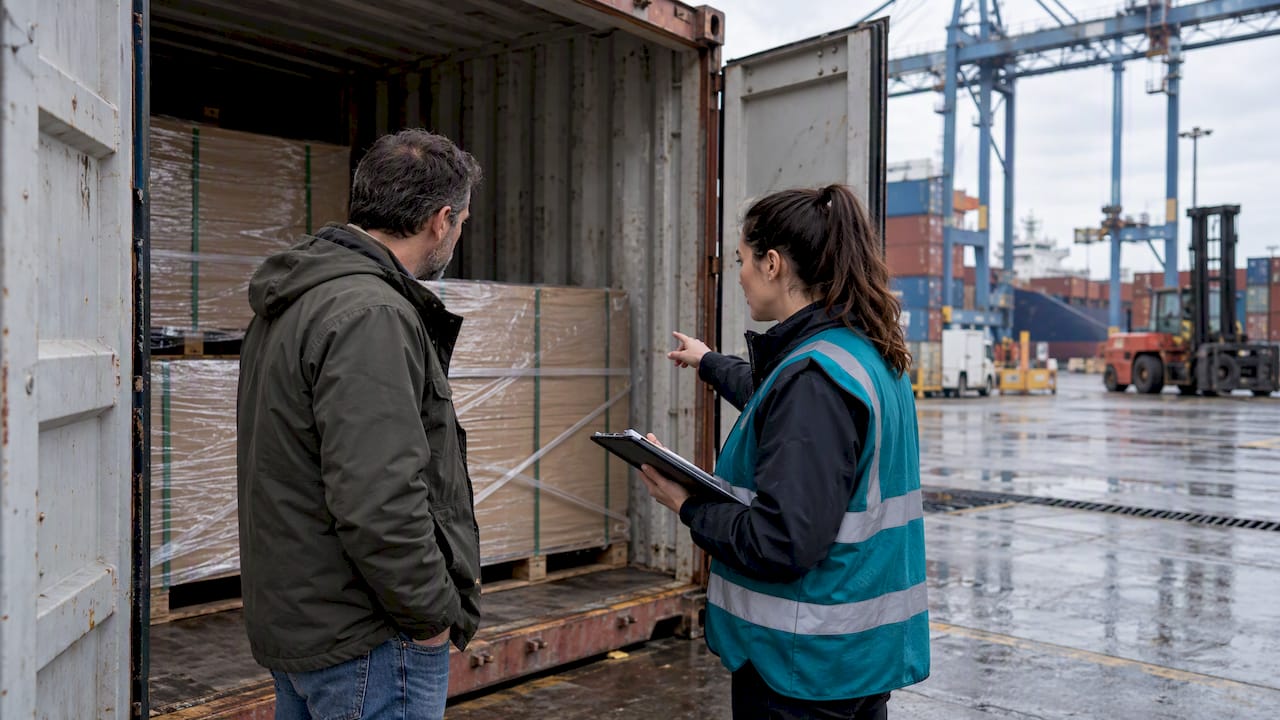
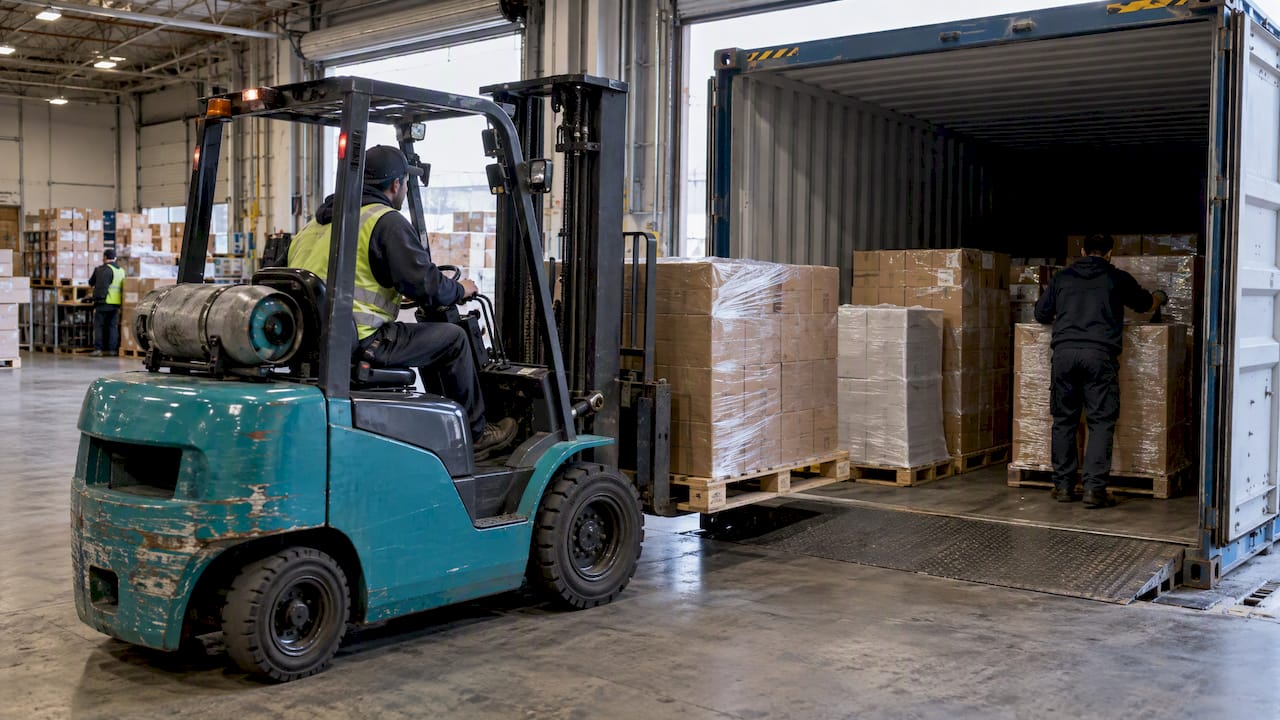
Shipping is going through a quiet revolution as companies race to cut their carbon footprint. International shipping alone is responsible for about 3 percent of all global greenhouse gas emissions. Most people assume reducing these emissions means higher costs and tougher logistics. The real surprise is that carbon neutral shipping is leading to smarter operations and opening new doors for forward-thinking businesses.
Table of Contents
- What Is Carbon Neutral Shipping And Its Key Principles?
- Why Carbon Neutral Shipping Matters For Businesses
- How Carbon Neutral Shipping Works: Processes And Strategies
- Key Concepts In Carbon Neutral Shipping: From Emissions To Offsetting
- Real-World Examples Of Carbon Neutral Shipping In Action
Quick Summary
| Takeaway | Explanation |
|---|---|
| Carbon neutral shipping balances emissions | Companies measure, reduce, and offset carbon emissions during transportation to achieve neutrality. |
| Implementing technologies enhances efficiency | Investments in fuel-efficient vehicles and optimization technologies can lower costs while reducing carbon output. |
| Offset projects support sustainability efforts | Companies invest in projects like reforestation to counterbalance remaining emissions after reduction strategies. |
| Transparency builds customer trust | Communicating sustainability efforts convincingly helps businesses strengthen brand loyalty and differentiation. |
| Proactive compliance avoids legal penalties | Embracing carbon neutral shipping positions businesses ahead of tightening global environmental regulations. |
What is Carbon Neutral Shipping and its Key Principles?
Carbon neutral shipping represents an innovative approach to logistics that aims to balance the environmental impact of transportation by neutralizing carbon emissions generated during freight movement. This strategy has become increasingly critical as global supply chains seek sustainable solutions to combat climate change.
Understanding Carbon Neutrality in Transportation
Carbon neutral shipping goes beyond traditional transportation methods by calculating, reducing, and offsetting the total carbon dioxide emissions produced during shipping processes. At its core, this approach involves three fundamental steps:
- Measuring the precise carbon footprint of each shipment
- Implementing strategies to minimize direct emissions
- Investing in verified carbon offset projects to compensate for remaining emissions
The goal is not just to reduce environmental impact but to create a net-zero carbon contribution to global transportation systems. Companies achieve this by carefully tracking and managing their carbon output across entire logistics networks.
The Mechanics of Carbon Neutral Shipping
Transportation companies and logistics providers utilize sophisticated carbon accounting methodologies to track emissions from multiple sources. These include fuel consumption, vehicle efficiency, route optimization, and energy use in warehousing and handling. Comprehensive freight forwarding strategies can play a significant role in reducing overall carbon emissions.
Carbon offset mechanisms allow businesses to invest in environmental projects like reforestation, renewable energy development, or methane capture programs.
These investments directly counterbalance the carbon emissions generated during shipping, effectively creating a neutral carbon footprint.
By embracing carbon neutral shipping, businesses demonstrate environmental responsibility while meeting growing consumer demands for sustainable logistics solutions. This approach not only helps mitigate climate change but also positions companies as forward-thinking and environmentally conscious in an increasingly eco-aware marketplace.
Why Carbon Neutral Shipping Matters for Businesses
Carbon neutral shipping has transitioned from an optional sustainability strategy to a critical business imperative. As global awareness of climate change intensifies, businesses recognize that environmental responsibility directly impacts their reputation, operational efficiency, and long-term economic viability.
Economic and Reputational Benefits
Modern consumers increasingly make purchasing decisions based on a company’s environmental commitment. Businesses adopting carbon neutral shipping demonstrate corporate social responsibility, which can significantly enhance brand perception and customer loyalty. Companies that transparently communicate their carbon reduction efforts often experience:
- Increased customer trust and engagement
- Potential price premium for environmentally conscious products
- Enhanced competitive differentiation in crowded markets
Moreover, governments worldwide are implementing stricter environmental regulations. By proactively embracing carbon neutral shipping, businesses can stay ahead of potential legislative mandates and avoid future compliance penalties.
Strategic Cost Management and Innovation
Contrary to common misconceptions, carbon neutral shipping can actually drive operational efficiencies and cost savings. Essential courier services for small businesses increasingly recognize that optimizing routes, investing in fuel-efficient vehicles, and implementing advanced logistics technologies can simultaneously reduce carbon emissions and transportation expenses.
According to research from the United Nations, international shipping represents approximately 3% of global greenhouse gas emissions. This statistic underscores the immense potential for businesses to make meaningful environmental impacts through strategic shipping practices.
Beyond immediate financial considerations, carbon neutral shipping positions businesses as innovative leaders. By investing in sustainable logistics, companies contribute to global climate solutions while potentially accessing new markets, attracting environmentally conscious investors, and preparing for a low-carbon future. The strategic advantages extend far beyond immediate cost savings, representing a forward-thinking approach to business sustainability.
How Carbon Neutral Shipping Works: Processes and Strategies
Carbon neutral shipping is a sophisticated process that requires comprehensive measurement, strategic reduction, and intentional compensation of carbon emissions throughout transportation networks. The approach integrates advanced technologies, innovative methodologies, and systematic environmental management.
Carbon Emission Measurement and Assessment
The first critical step in carbon neutral shipping involves precise carbon footprint calculation. Transportation companies utilize advanced carbon accounting technologies that comprehensively track emissions across multiple dimensions:
- Fuel consumption analysis
- Vehicle and vessel efficiency metrics
- Route optimization evaluations
- Energy consumption in warehousing and handling
- Total greenhouse gas emissions per shipment
These sophisticated measurement techniques enable businesses to establish a baseline understanding of their current environmental impact and identify specific areas for potential improvement.

Emission Reduction and Mitigation Strategies
Top benefits of freight forwarding highlight the importance of implementing strategic interventions to minimize carbon output. Companies deploy multiple approaches to reduce direct emissions, including:
Transportation companies increasingly invest in fuel-efficient vehicles, optimize routing algorithms, and transition toward alternative energy sources like electric and hydrogen-powered transportation. According to research from the U.S. Department of Transportation, these technological innovations can significantly decrease greenhouse gas emissions in shipping operations.
Carbon Offset and Compensation Mechanisms
After implementing reduction strategies, businesses address remaining carbon emissions through verified offset projects. These investments support environmental initiatives like reforestation, renewable energy development, and methane capture programs. Carbon offset mechanisms transform unavoidable emissions into positive environmental contributions, allowing companies to achieve a net-zero carbon footprint while supporting global sustainability efforts.
By holistically addressing carbon emissions through measurement, reduction, and compensation, businesses can transform shipping from an environmental challenge into an opportunity for meaningful ecological stewardship.

Key Concepts in Carbon Neutral Shipping: From Emissions to Offsetting
Carbon neutral shipping represents a complex ecosystem of environmental strategies, technological innovations, and strategic interventions designed to minimize the carbon footprint of global transportation networks. Understanding the fundamental concepts underlying this approach is crucial for businesses committed to sustainable logistics.
Defining Carbon Emissions in Shipping
Carbon emissions in shipping encompass the total greenhouse gases produced throughout the transportation process. These emissions originate from multiple sources within the logistics chain:
- Fuel combustion in vessels and vehicles
- Energy consumption in warehousing and handling facilities
- Indirect emissions from supporting infrastructure
- Transportation route inefficiencies
- Manufacturing and maintenance of shipping equipment
Transportation companies must comprehensively analyze these multifaceted emission sources to develop effective carbon reduction strategies.
Carbon Offset Mechanisms and Principles
Top benefits of freight forwarding increasingly highlight the importance of carbon offset mechanisms. According to research from the U.S. Department of Energy, carbon offsetting involves investing in environmental projects that counterbalance greenhouse gas emissions.
Carbon offset projects typically fall into several strategic categories:
- Renewable energy infrastructure development
- Large-scale reforestation initiatives
- Methane capture and conversion programs
- Sustainable agricultural practices
- Advanced carbon sequestration technologies
Verification and Standardization of Carbon Neutrality
Achieving genuine carbon neutrality requires rigorous measurement, transparent reporting, and independent verification. Credible carbon neutral shipping programs adhere to internationally recognized standards that ensure the authenticity and effectiveness of emission reduction efforts.
These verification processes involve comprehensive audits, precise emissions calculations, and validation of offset project impacts. By maintaining strict accountability, businesses can demonstrate their genuine commitment to environmental sustainability and build trust with environmentally conscious consumers and stakeholders.
To clarify the core processes involved in achieving carbon neutral shipping, the following table outlines each step and describes its main features.
| Process Step | Description |
|---|---|
| Carbon Emission Measurement | Precisely calculates the total greenhouse gas emissions for each shipment using advanced tools |
| Emission Reduction | Implements strategies like fuel-efficient vehicles, route optimization, and alternative energy |
| Carbon Offset/Compensation | Invests in credible projects such as reforestation or renewable energy to neutralize remaining emissions |
| Verification & Standardization | Employs third-party audits and certification to validate measured results and offset projects |
Real-World Examples of Carbon Neutral Shipping in Action
Carbon neutral shipping has transitioned from a theoretical concept to a practical strategy implemented by forward-thinking companies across various industries. These real-world applications demonstrate the tangible potential of sustainable logistics solutions in addressing global environmental challenges.
Innovative Transportation Sector Implementations
Large-scale shipping companies are pioneering carbon neutral approaches through comprehensive transformation strategies. Some notable examples include:
- Maersk’s commitment to achieving zero-carbon vessels by 2030
- Hapag-Lloyd’s investment in alternative fuel technologies
- Mediterranean Shipping Company’s fleet electrification initiatives
These organizations are not merely offsetting emissions but fundamentally redesigning their operational frameworks to minimize environmental impact. Essential courier services for small businesses can learn from these large-scale implementations and adapt similar strategies to their own operations.
E-commerce and Retail Sustainability Strategies
E-commerce giants are increasingly integrating carbon neutral shipping into their core business models. According to research from the U.S. Department of Transportation, companies like Amazon and Shopify have launched significant carbon neutrality programs:
- Implementing electric delivery vehicles
- Developing sophisticated route optimization algorithms
- Investing in renewable energy credits
- Supporting carbon offset projects globally
Technology and Manufacturing Sector Approaches
Manufacturing and technology companies are developing innovative solutions to reduce shipping-related carbon emissions. Technological interventions are transforming traditional logistics networks, enabling more sustainable transportation methods.
Companies are exploring advanced strategies such as:
- Developing hydrogen-powered shipping containers
- Creating AI-driven logistics optimization platforms
- Designing energy-efficient packaging materials
- Implementing blockchain for transparent carbon tracking
These practical implementations demonstrate that carbon neutral shipping is not a distant aspiration but an achievable, immediate goal for businesses committed to environmental responsibility.
Transform Your Shipping Impact with Reliable Courier Solutions
Making your shipment carbon neutral is no longer just an idea. It is now a critical step for ecommerce businesses who want to protect their brand and the planet. After reading about the urgency of measuring and reducing carbon emissions, you might wonder how to take action. Many companies struggle with complex emissions tracking, choosing the right offset projects, or simply finding trustworthy logistics partners who actively support environmental goals. At or-ner.com, we simplify these challenges for you.
- Consolidate your shipping, fulfillment, and courier needs with a single, transparent partner
- Gain real-time shipment tracking, analytic dashboards, and reliable courier services with sustainability at the core
- Support cross-border growth with warehousing and customs-cleared deliveries tailored for your industry
Your customers expect climate-smart choices and seamless service. Don’t let environmental demands slow your growth. Start using reliable courier services at or-ner.com to optimize your operations and meet your carbon neutral shipping goals today. Visit or-ner.com and discover how our integrated solutions can advance your journey to real sustainability. Act now to align your business with the future of global commerce.
Frequently Asked Questions
What is carbon neutral shipping?
Carbon neutral shipping is a logistics approach that aims to balance carbon emissions produced during freight movement by measuring, reducing, and offsetting these emissions, resulting in a net-zero carbon contribution.
How can companies achieve carbon neutrality in shipping?
Companies can achieve carbon neutrality by measuring their carbon footprint, implementing strategies to reduce emissions (such as optimizing routes and using fuel-efficient vehicles), and investing in verified carbon offset projects.
Why is carbon neutral shipping important for businesses?
Carbon neutral shipping is essential as it helps companies enhance their reputation, meet consumer demands for sustainability, avoid regulatory penalties, and can lead to operational efficiencies and cost savings.
What are carbon offset mechanisms in shipping?
Carbon offset mechanisms involve investing in environmental projects like reforestation and renewable energy that counterbalance the carbon emissions generated by shipping, allowing businesses to achieve a net-zero carbon footprint.