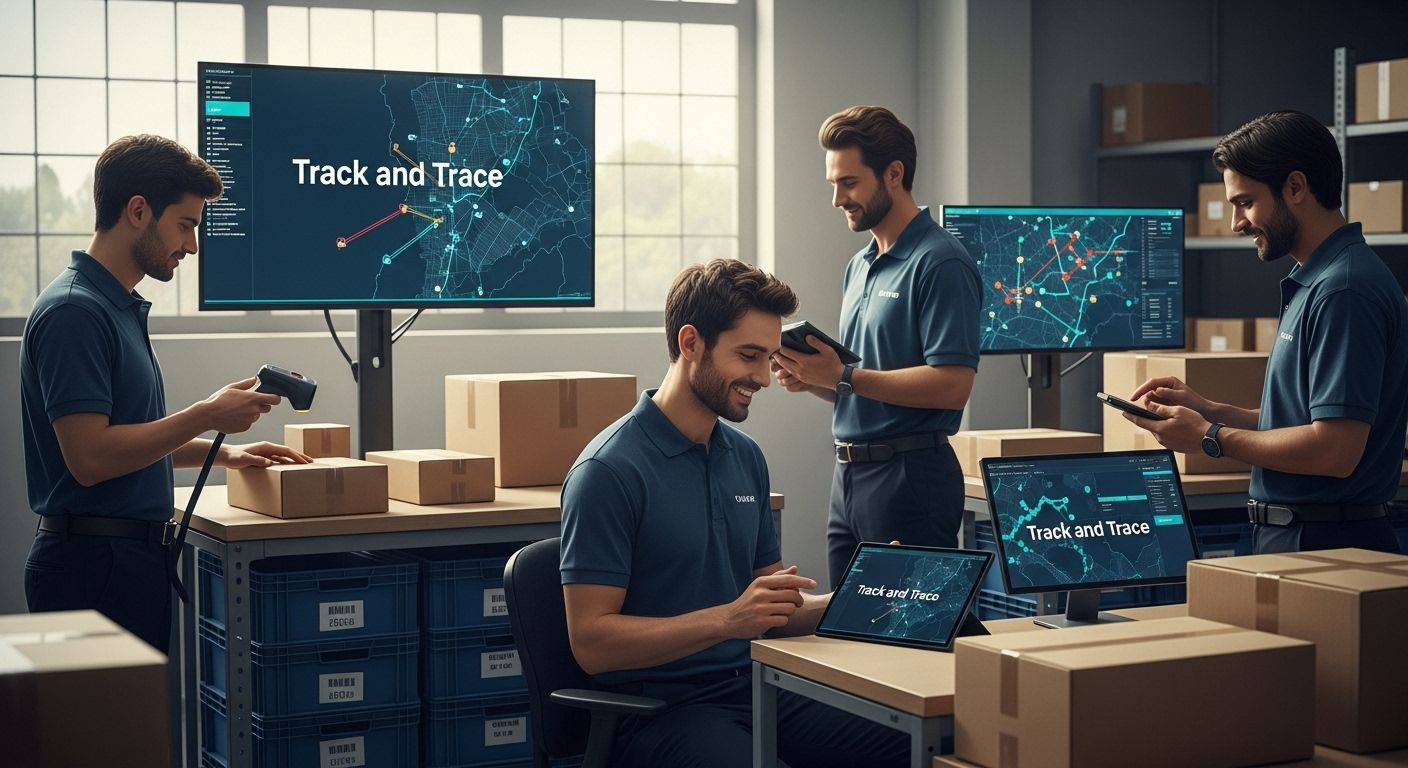
Supply chains everywhere are getting an upgrade with track and trace technology. Global businesses are racing to adopt these tools and the market is expected to nearly triple in value, rising from $1.65 billion in 2018 to $3.93 billion by 2023. Most expect all the benefits to revolve around location tracking and lost shipments. That is only part of the story. What is truly shaking up the industry is how this technology boosts trust, stops counterfeits, and gives both companies and customers instant proof their products are real and safe.
Table of Contents
- How Track And Trace Technology Works
- Key Benefits For Diverse Businesses
- Real-World Applications In Modern Supply Chains
- Choosing The Right Track And Trace Solution
Quick Summary
| Takeaway | Explanation |
|---|---|
| Track and trace improves visibility | This technology provides detailed tracking of products, enhancing transparency in the supply chain. |
| Operational efficiency reduces costs | Implementing track and trace leads to better inventory management and lower waste, saving businesses money. |
| Blockchain ensures data integrity | Using blockchain technology allows secure, immutable records, preventing alterations and ensuring trustworthiness. |
| Real-time monitoring enhances safety | Continuous tracking helps identify problems like contamination or counterfeiting, allowing swift responses. |
| Choose solutions that align strategically | Evaluate track and trace systems based on business needs and future growth to ensure effective implementation. |
How Track and Trace Technology Works
Track and trace technology represents a sophisticated system of monitoring and documenting product movement through complex supply chains. At its core, this technology enables businesses to create a comprehensive digital footprint for every item as it travels from manufacturer to end consumer.
Product Identification and Data Capture
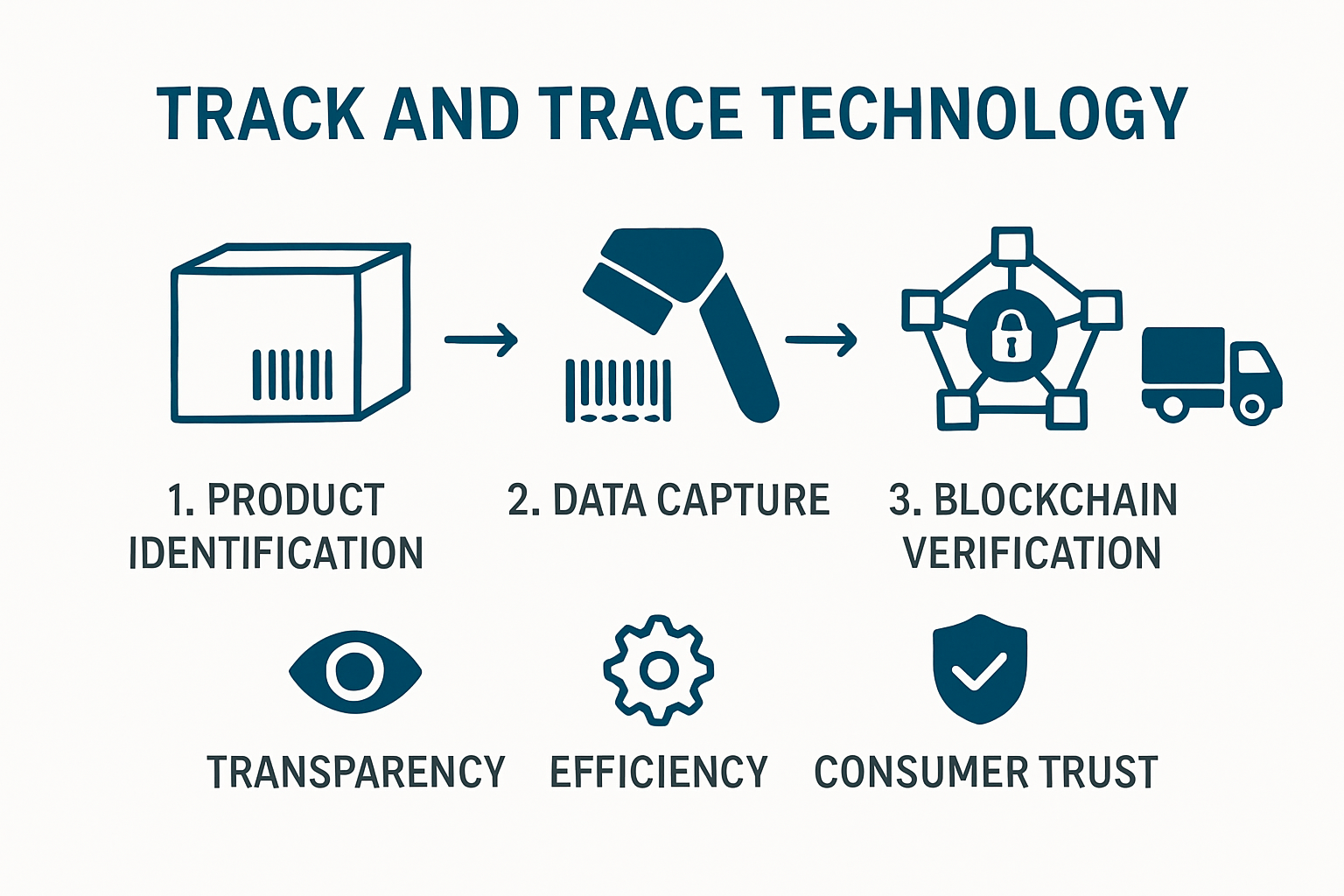
The foundation of track and trace technology lies in unique product identification. Modern systems utilize advanced technologies like RFID tags, barcodes, and digital serialization to assign distinctive identifiers to individual products or shipment units. According to research from UAV-based inventory tracking studies, these identification methods allow for precise tracking throughout the entire supply chain.
Data capture occurs through multiple touchpoints. Scanning devices at warehouses, distribution centers, and transportation hubs automatically record critical information such as location, timestamp, condition, and handling details. This real time data collection creates an unbroken chain of custody for each product, providing unprecedented visibility into logistics operations.
Data Management and Verification
Once captured, product data requires secure storage and verification. Blockchain technology has emerged as a powerful solution for maintaining data integrity in track and trace systems. By creating an immutable, decentralized ledger, blockchain ensures that each recorded transaction cannot be altered retroactively.
The verification process involves multiple layers of authentication. Enterprise information systems connect with tracking platforms, cross referencing data points to confirm accuracy. This approach addresses potential issues of information asymmetry and builds trust among supply chain partners. Automated algorithms continuously monitor data streams, flagging any anomalies or potential disruptions.
Real World Application and Benefits
Track and trace technology transforms how businesses manage complex logistics networks. Manufacturers can instantly locate products, verify authenticity, and respond quickly to potential quality control issues. For consumers, this technology provides transparency about product origins, shipping status, and handling conditions.
Key advantages include reduced inventory losses, improved recall management, enhanced regulatory compliance, and increased operational efficiency. By creating a digital thread connecting every stage of product movement, companies can make more informed decisions, optimize resource allocation, and deliver superior customer experiences.
Below is a summary table highlighting the key benefits of track and trace technology for different aspects of supply chain management. This table provides a quick overview of how these technologies create value across business functions:
| Benefit | Description |
|---|---|
| Inventory Management | Enables precise tracking and reduces losses |
| Recall Management | Facilitates rapid and effective product recalls |
| Regulatory Compliance | Simplifies compliance with industry regulations |
| Counterfeit Prevention | Helps identify and prevent counterfeit products |
| Waste Reduction | Streamlines processes to minimize unnecessary waste |
| Transparency for Consumers | Increases visibility of product origins and handling |
| Improved Customer Experience | Offers real-time updates and builds brand trust |
As global supply chains become increasingly intricate, track and trace technology will continue evolving. Integration of artificial intelligence, machine learning, and advanced sensor technologies promises even more sophisticated monitoring capabilities in the years ahead.
Key Benefits for Diverse Businesses
Track and trace technology delivers transformative advantages across multiple business sectors, enabling organizations to optimize operations, reduce risks, and enhance overall performance. As global supply chains become increasingly complex, these innovative solutions provide critical visibility and control mechanisms.
Operational Efficiency and Cost Reduction
Businesses implementing track and trace technology experience significant operational improvements. Research from manufacturing experts indicates that the global market for these solutions is projected to grow from $1.65 billion in 2018 to $3.93 billion by 2023, with a compound annual growth rate of 18.9%. This explosive growth demonstrates the substantial value these systems provide.
Key operational benefits include precise inventory management, reduced waste, and streamlined logistics processes. Manufacturing technology studies reveal that companies can maintain detailed records of part genealogy, dramatically improving production accuracy and reducing unnecessary expenditures.
Risk Mitigation and Compliance
Track and trace technologies offer robust risk management capabilities. By providing comprehensive product tracking, businesses can quickly identify and respond to potential issues such as contamination, counterfeiting, or supply chain disruptions. This capability is particularly crucial in regulated industries like pharmaceuticals, food production, and automotive manufacturing.
The technology enables real-time monitoring and documentation, ensuring regulatory compliance and facilitating rapid recall processes if needed. Organizations can demonstrate transparent supply chain practices, building trust with regulatory bodies and consumers alike.
Enhanced Customer Experience and Transparency
Modern consumers demand unprecedented levels of product transparency. Supply chain tracking systems enable businesses to provide real-time updates about product origins, shipping status, and handling conditions. This level of visibility not only satisfies customer curiosity but also builds brand credibility.
Businesses can now offer customers detailed insights into their product journey, from raw material sourcing to final delivery. This transparency is increasingly important in an era where ethical production and sustainable practices are paramount. Learn more about how technology is transforming logistics in our guide on advanced shipping solutions.
As technology continues to evolve, track and trace systems will become even more sophisticated. Integration with artificial intelligence, machine learning, and advanced sensor technologies promises to deliver even more granular insights and predictive capabilities for businesses across various industries.
Real-World Applications in Modern Supply Chains
Track and trace technology has revolutionized supply chain management across numerous industries, providing unprecedented visibility and control. From food safety to pharmaceutical distribution, these advanced systems are transforming how businesses manage complex logistics networks.
The following table summarizes examples of real-world applications of track and trace technology in different industries, along with their primary benefits as discussed in the article:
| Industry | Example Application | Key Benefit |
|---|---|---|
| Food & Agriculture | Walmart + IBM for instant food traceability | Enhanced food safety, reduced tracing time |
| Pharmaceuticals | Blockchain for drug authenticity and recalls | Counterfeit prevention, increased patient safety |
| Manufacturing | AI, IoT for tracking components and inventory | Predictive analytics, operational efficiency |
| Logistics | Real-time shipment monitoring and origin tracking | Transparency, proactive disruption management |
Food and Agriculture Traceability
The food industry has been at the forefront of implementing track and trace technologies. Research published in Sustainability highlights a remarkable example of technological innovation. Walmart, in collaboration with IBM, dramatically reduced product tracing time from seven days to just 2.2 seconds using blockchain technology. This breakthrough allows instant tracking of food products from farm to table, significantly enhancing food safety and quality control.
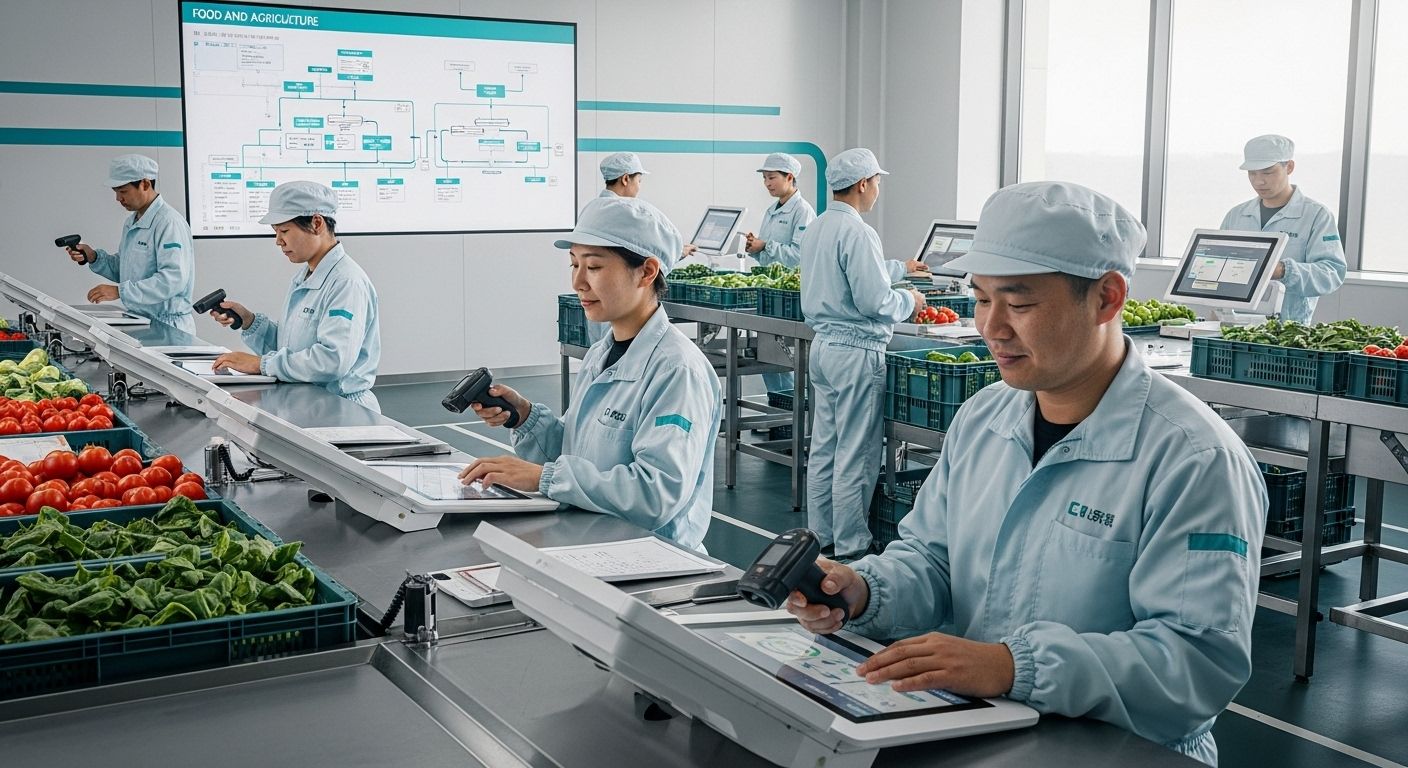
The National Institute of Standards and Technology is developing advanced semantic models to improve interoperability across supply chain sectors. These models facilitate comprehensive tracking of materials from harvest through processing, addressing critical challenges in data integration and supporting applications like food safety monitoring.
Pharmaceutical Supply Chain Innovations
In the pharmaceutical industry, track and trace technology has become crucial for ensuring product authenticity and patient safety. Research published in the National Center for Biotechnology Information demonstrates how blockchain technology can dramatically improve end-to-end traceability and supply chain resilience.
Key applications include:
- Real-time tracking of medication batches
- Verification of drug authenticity
- Rapid identification and recall of potentially compromised products
- Enhanced regulatory compliance
These technologies help combat counterfeit medications, protect patient health, and streamline complex regulatory requirements. By creating an immutable record of each product’s journey, pharmaceutical companies can ensure the highest standards of quality and safety.
Manufacturing and Global Logistics
Manufacturing and global logistics sectors are increasingly adopting track and trace technologies to optimize operations and reduce risks. Companies can now monitor product movements, track component origins, and manage inventory with unprecedented precision. Learn more about these supply chain strategies in our comprehensive logistics guide.
The integration of advanced technologies like artificial intelligence, machine learning, and Internet of Things (IoT) sensors is expanding the capabilities of track and trace systems. These innovations enable predictive analytics, real-time monitoring, and proactive problem-solving across complex global supply networks.
As global trade becomes more interconnected and complex, track and trace technologies will continue to play a critical role in ensuring transparency, efficiency, and reliability. Businesses that embrace these technologies gain a significant competitive advantage in managing their supply chain operations.
Choosing the Right Track and Trace Solution
Selecting an appropriate track and trace solution requires careful evaluation of an organization’s unique operational needs, technological infrastructure, and strategic objectives. The right technology can transform supply chain management, while an ill-fitted solution can create significant operational challenges.
Critical Evaluation Criteria
Research from the National Institute of Standards and Technology emphasizes the importance of comprehensive criteria when selecting track and trace technologies. Organizations must consider multiple dimensions beyond basic tracking capabilities.
Key evaluation factors include:
- Data Reliability: Ensuring accurate and consistent information capture
- System Interoperability: Seamless integration with existing enterprise systems
- Scalability: Ability to grow and adapt with business expansion
- Cybersecurity: Robust protection of sensitive supply chain data
Technical Compatibility and Implementation
The U.S. Government Accountability Office recommends a thorough assessment of technical compatibility before implementation. This involves analyzing current technological infrastructure, understanding potential integration challenges, and developing a comprehensive migration strategy.
Businesses should prioritize solutions that offer:
- Flexible API connections
- Support for multiple data formats
- Cloud and on premise deployment options
- Comprehensive technical support
Cost Benefit and Strategic Alignment
Beyond technical specifications, organizations must evaluate track and trace solutions through a strategic lens. The chosen technology should not only address immediate tracking requirements but also support long term business goals. Learn more about strategic technology selection in our comprehensive logistics guide.
Consider factors such as:
- Implementation and maintenance costs
- Potential efficiency gains
- Compliance with industry regulations
- Future technological adaptability
Successful track and trace technology adoption requires a holistic approach. By carefully evaluating technical capabilities, strategic alignment, and long term potential, businesses can select solutions that truly transform their supply chain management capabilities.
Frequently Asked Questions
What is track and trace technology?
Track and trace technology refers to systems that monitor and document the movement of products through supply chains, enabling businesses to create a comprehensive digital footprint for each item from manufacturer to consumer.
How does track and trace technology improve supply chain transparency?
By providing real-time visibility into product locations, handling conditions, and origins, track and trace technology enhances transparency and trust among supply chain partners and consumers, allowing for better-informed decision-making.
What are the key advantages of using blockchain in track and trace systems?
Using blockchain ensures data integrity by creating an immutable, decentralized ledger that prevents data alteration. This boosts trust among partners and provides secure verification of product authenticity and supply chain practices.
Can track and trace technology help with compliance and risk management?
Yes, track and trace technology facilitates regulatory compliance by enabling real-time monitoring and documentation. It also helps identify and respond quickly to risks such as contamination and counterfeiting, improving overall risk management.
Take Your Supply Chain Visibility to the Next Level
Are delays, lost shipments, or lack of clear product tracking creating stress for your business? The challenges described in this article—like fragmented supply chain data and limited transparency—can slow your growth and erode customer trust. With rising demands for real-time monitoring and end-to-end traceability, it is critical to have a logistics partner who understands the importance of secure, transparent, and reliable operations.
Let or-ner.com bridge the gap between knowledge and action. Our platform empowers ecommerce sellers, wholesalers, and manufacturers with reliable courier services and real-time shipment tracking across all modes of transport. No matter the size of your operation, our tools are designed to combat counterfeiting, streamline compliance, and offer seamless order visibility. Ready to protect your brand and accelerate delivery performance? Discover how our all-in-one logistics solutions can transform your workflow by visiting or-ner.com now. Secure your supply chain today and meet the expectations of modern customers.