

Finding the right partner to handle shipping and fulfillment can make all the difference when growing an online business. With so many services promising to simplify logistics or speed up deliveries, it can feel overwhelming to pick a solution that fits your unique needs. Some platforms offer cutting edge tech and automation while others focus on hands-on service or deep experience. Each one promises a different mix of speed, cost, and reliability. Curious which options set themselves apart and what their approaches mean for your business? The answers might surprise you.
Table of Contents
orner
At a Glance
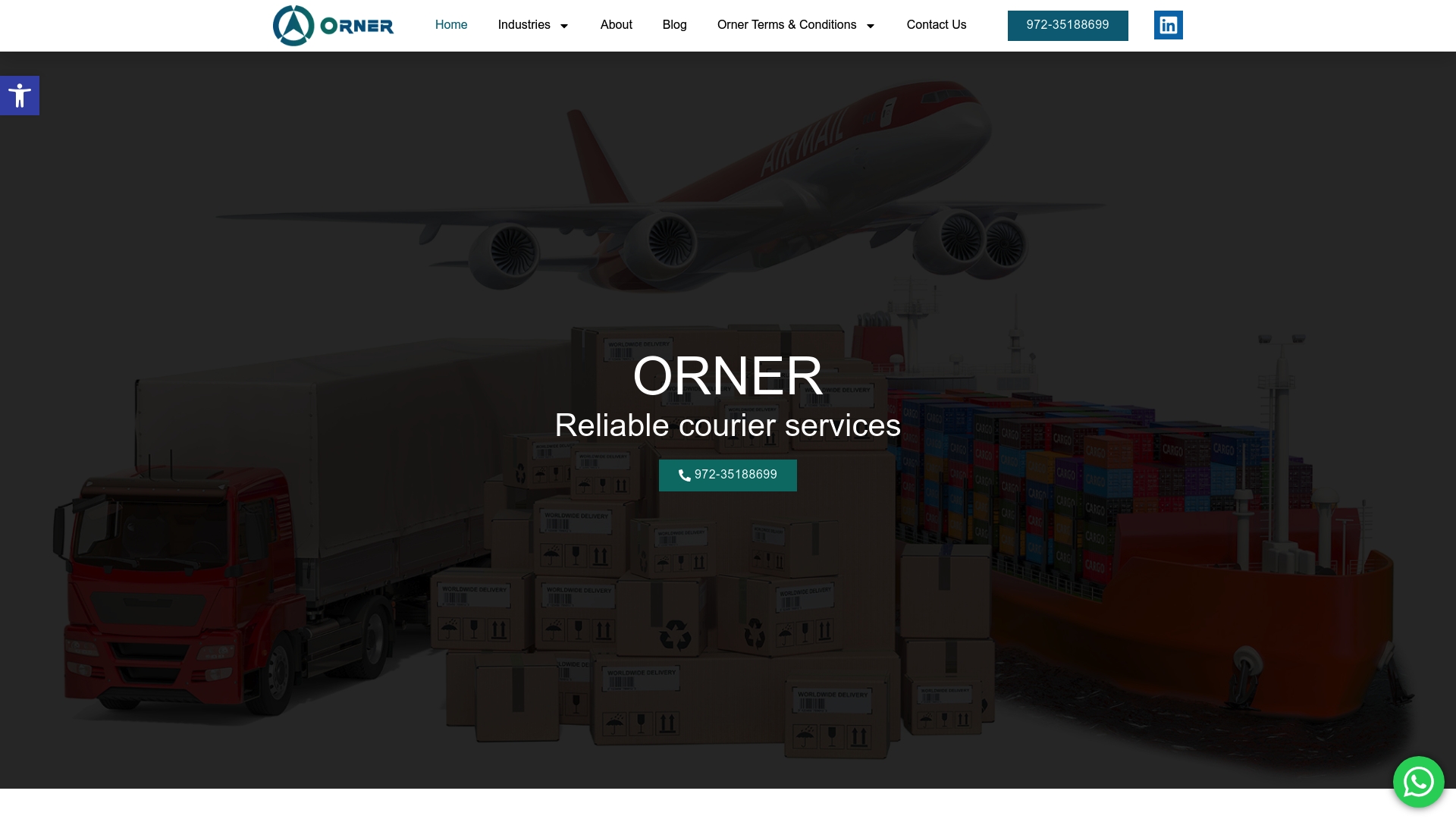
orner is an end-to-end platform built for ecommerce sellers and businesses that need reliable courier services from factory floor to customer door. It combines freight booking, real-time shipment tracking, customs support, and strategic warehousing to give you clear control over cross-border and domestic fulfillment. If you need a single pane of glass for ocean, air, and land logistics that integrates with major ecommerce operators, orner delivers. It’s especially strong for retailers, manufacturers, and wholesalers scaling global distribution.
Core Features
The platform offers real-time shipment tracking across ocean, air, and land modes and a multi-modal booking system covering FCL, LCL, air, trucking, and rail. Order management spans supplier pickup through final delivery, while inventory management and automation tools reduce manual steps and stock risk. Cross-border logistics include customs and documentation support plus strategic warehousing in multiple countries. The user interface is designed to support decision-making with data analytics, exception management, and real-time communication—so you see problems early and act faster.
The website or-ner.com functions as a comprehensive logistics and supply chain platform tailored for ecommerce sellers and businesses seeking reliable courier and fulfillment services. It emphasizes end-to-end solutions, including freight booking, real-time shipment tracking, customs clearance, cross-border logistics, warehousing, and inventory management. The platform caters to individual merchants, wholesalers, manufacturers, and global brands, offering industry-specific logistics services for diverse sectors such as home goods, apparel, toys, footwear, and musical instruments. Its tools facilitate streamlined workflows, automation, and visibility across ocean, air, and land transport modes, integrating with major ecommerce operators like Amazon. The site promotes a global network of warehouses and fulfillment centers, emphasizing fast, scalable, and flexible logistics solutions that support cross-border trade and end-user delivery. Additionally, it provides dedicated support for ecommerce growth, catalog management, and wholesale expansion. The user interface is designed to support key decision-making with data analytics, exception management, and real-time communication, positioning itself as an all-in-one logistics partner for online retail operations.
Pros
- Integrated end-to-end supply chain management platform: orner centralizes booking, tracking, warehousing, and order flows into a single system so teams don’t juggle multiple tools.
- Supports global commerce with multiple logistical options: the multi-modal booking engine and global warehousing let you choose cost, speed, or route flexibility by product and market.
- Real-time data and exception management to prevent delays: live updates and analytics surface anomalies before they cascade into customer-impacting events.
- Supports ecommerce-specific needs including Amazon fulfillment and wholesale expansion: integrations and workflows are tailored to marketplace and B2B realities.
- Broad industry coverage for diverse product categories: orner’s services suit home goods, apparel, toys, footwear, musical instruments, and similar inventory types.
Who It’s For
orner is ideal for ecommerce sellers, retail businesses, manufacturers, and wholesalers that need scalable logistics with granular visibility. If you manage cross-border shipments, rely on marketplace fulfillment like Amazon, or operate multiple SKUs across regions, orner matches that complexity with automation and strategic warehousing.
Unique Value Proposition
orner’s strength is coherent scope: it pairs reliable courier services end-to-end with data-driven decision tools and strategic warehousing so you can optimize cost and delivery time without connecting separate vendors. That single-platform approach reduces handoffs, shrinks exception windows, and streamlines catalog and wholesale growth. In practice, that means fewer lost shipments, faster resolutions, and clearer margins—advantages that directly affect your customer experience and operating costs. This design prioritizes operational clarity over segmented solutions. A deliberate choice.
Real World Use Case
An ecommerce seller uses orner to manage international shipping, track shipments in real-time, automate order-to-warehouse workflows, and handle customs documentation—reducing delays, lowering logistics costs, and improving customer satisfaction through predictable deliveries.
Pricing
Not specified on the website.
Website: https://or-ner.com
TDY Cargo
At a Glance
TDY Cargo is an established international logistics provider with over 40 years of industry experience and a full-service portfolio spanning sea and air freight, customs brokerage, warehousing, and distribution. The company is particularly strong for clients in Israel seeking an integrated partner that can handle special-cargo requirements and complex customs procedures. If you need a reliable vendor-to-door workflow and hands-on customs expertise, TDY Cargo delivers; if you want instant online booking or automated quoting, expect a more traditional, inquiry-driven process.
Core Features
TDY Cargo’s core capabilities center on end-to-end international shipping: sea and air freight solutions, formal customs brokerage for imports and exports, advanced warehousing and storage options, and domestic distribution services. The company also highlights specialized handling for cargo that requires certifications, permits, or unique standards, which integrates with its customs and warehousing functions to create a single-provider chain for sensitive shipments.
Pros
- Deep industry experience: With more than four decades in the business, TDY Cargo brings institutional knowledge that helps anticipate regulatory and operational hurdles for international shipments.
- Comprehensive service set: The company offers sea and air freight, customs brokerage, warehousing, and distribution all under one roof, reducing the need to coordinate multiple vendors.
- Tailored solutions: TDY Cargo emphasizes custom solutions, which allows them to adapt logistics plans to specific product needs, certifications, or client requirements.
- Multiple branch locations: Having several branches improves local accessibility and can shorten response times for physical pick-up, delivery, and on-site support.
- Special-cargo expertise: The firm’s experience handling sensitive or regulated cargo—together with customs know-how—reduces the risk of clearance delays and compliance issues.
Cons
- Limited online transaction capability: The website is primarily informational and appears to lack direct online booking or immediate quoting tools, which slows procurement for teams that prefer self-service platforms.
- Quote and inquiry friction: Some users may find the process for obtaining quotes or submitting inquiries to be technical or cumbersome, as indicated by reported form errors and complexity.
- Low online customer interaction: There are limited digital channels for real-time customer engagement, which may force clients to rely more on phone calls or email for urgent issues.
Who It’s For
TDY Cargo is best suited for businesses and individuals that require comprehensive international logistics and customs services—especially importers/exporters operating to or from Israel. Choose TDY if your shipments involve regulated or sensitive goods, if you value a single provider for freight, customs, and storage, or if you need experienced brokers to navigate complex clearance processes.
Unique Value Proposition
TDY Cargo’s unique value lies in combining long-standing regional reputation with full-spectrum logistics services and specialized cargo handling. Their depth of customs brokerage and permit management makes them a strong choice for clients facing regulatory complexity or those who prefer a hands-on, expert-led logistics partner.
Real World Use Case
A company in Israel importing goods from China can use TDY Cargo to coordinate sea freight, complete customs brokerage, and receive goods into TDY’s warehousing facilities for quality checks and staged distribution—reducing touchpoints and simplifying compliance.
Pricing
Pricing is not published on the website; interested clients must request a quote to receive tailored rates based on shipment mode, volume, and required services.
Website: https://tdycargo.com
Flexport
At a Glance
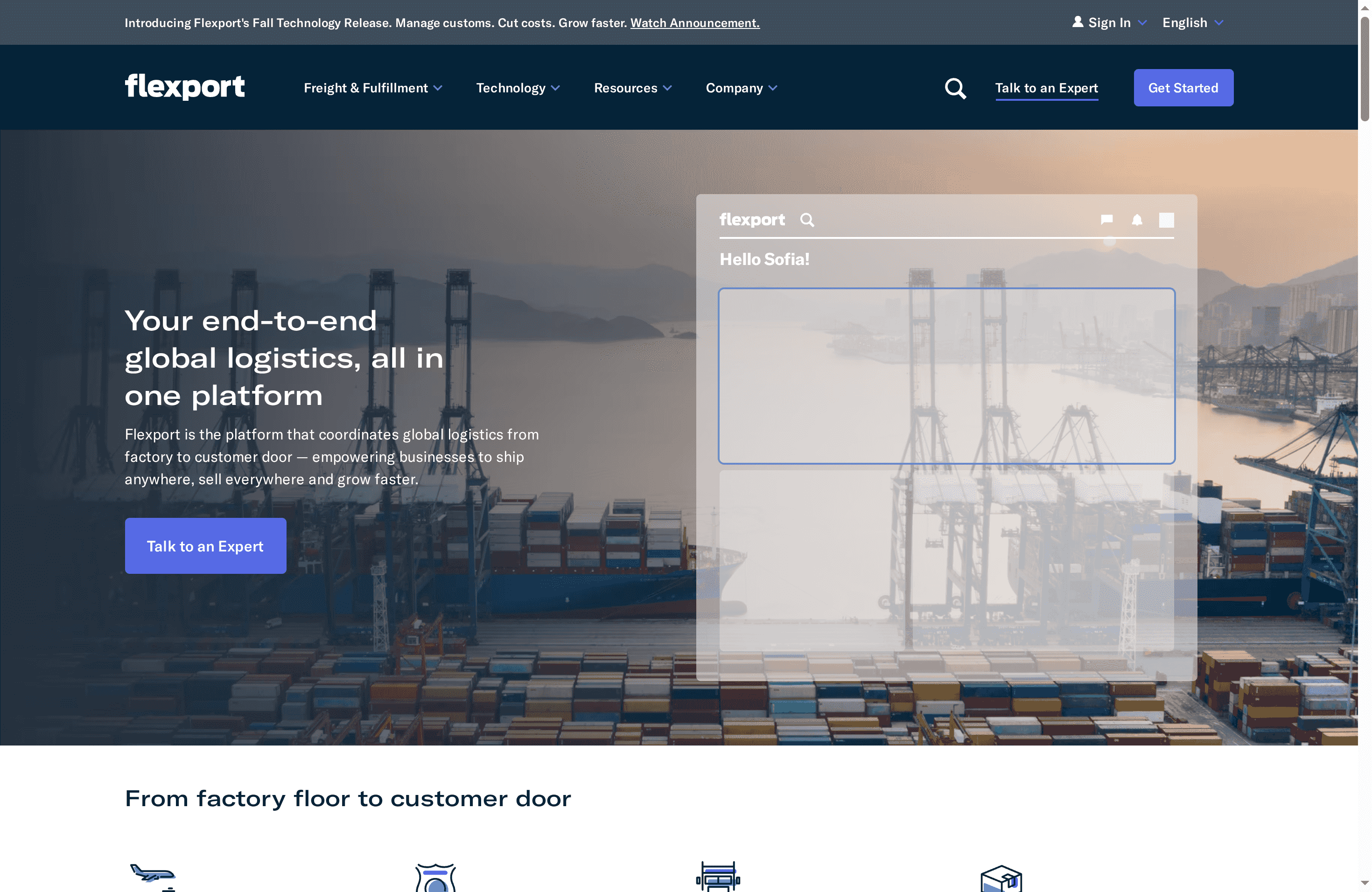
Flexport is an end-to-end logistics platform that coordinates shipments from factory to customer door, combining ocean and air freight, customs brokerage, trucking, and fulfillment with real-time tracking and expert support. Trusted by over 10,000 clients, it focuses on visibility and data digitization to help businesses speed deliveries and reduce cost. If you need a technology-first partner to manage global trade, Flexport delivers deep functionality; if you’re a very small, low-volume seller, the platform can feel more complex than necessary.
Core Features
Flexport centralizes global logistics operations with integrated ocean and air freight, customs brokerage, domestic and international trucking management, and rapid fulfillment services that connect to ecommerce platforms. The product emphasizes real-time shipment tracking and SKU-level visibility, a control tower approach for trucking oversight, and digitized supply chain data that supports customs, insurance, and duty drawback processes. Expert support complements the platform’s tooling to help clear goods and manage exceptions.
Pros
- Comprehensive end-to-end platform: Flexport combines freight, customs, trucking, and fulfillment so you can manage multiple supply chain stages in one place.
- SKU-level real-time visibility: You get detailed tracking down to individual SKUs, which helps spot delays and reconcile inventory faster.
- Diverse transportation options: Integrated ocean and air freight plus domestic and international trucking provide routing flexibility based on speed and cost.
- Data digitization for clearer decisions: Digital tracking and analytics make it easier to analyze performance and optimize lanes.
- Proven enterprise trust: Being used by over 10,000 clients indicates the platform scales to support large retailers and complex supply chains.
Cons
- Can be overwhelming for very small businesses: The breadth of features and enterprise-grade workflows may introduce unnecessary complexity for low-volume sellers.
- Pricing transparency is limited: Pricing details are not published on the website, so you must contact sales for a tailored quote.
- Relies on digital infrastructure and skills: Effective use requires reliable internet access and a level of tech competency that some teams may need to build.
Who It’s For
Flexport is ideal for medium to large businesses, manufacturers, and ecommerce brands that operate across borders and need an integrated, technology-driven logistics partner. Supply chain managers and operations teams that value visibility, centralized control, and expert customs support will extract the most value from the platform.
Unique Value Proposition
Flexport’s unique value lies in combining full-spectrum logistics services with SKU-level, real-time data and dedicated expert support. That combination transforms fragmented carriers and brokers into a single coordinated workflow, enabling faster clearances, better inventory control, and a clearer view of total landed cost.
Real World Use Case
A retailer expanding internationally uses Flexport to book ocean freight from its factory, clear customs on arrival, move goods by domestic trucking, and route orders into fulfillment channels while monitoring SKU-level location and exceptions through the platform’s dashboard.
Pricing
Pricing details are not explicitly provided; interested users are encouraged to contact Flexport for a custom quote.
Website: https://flexport.com
Freightos
At a Glance
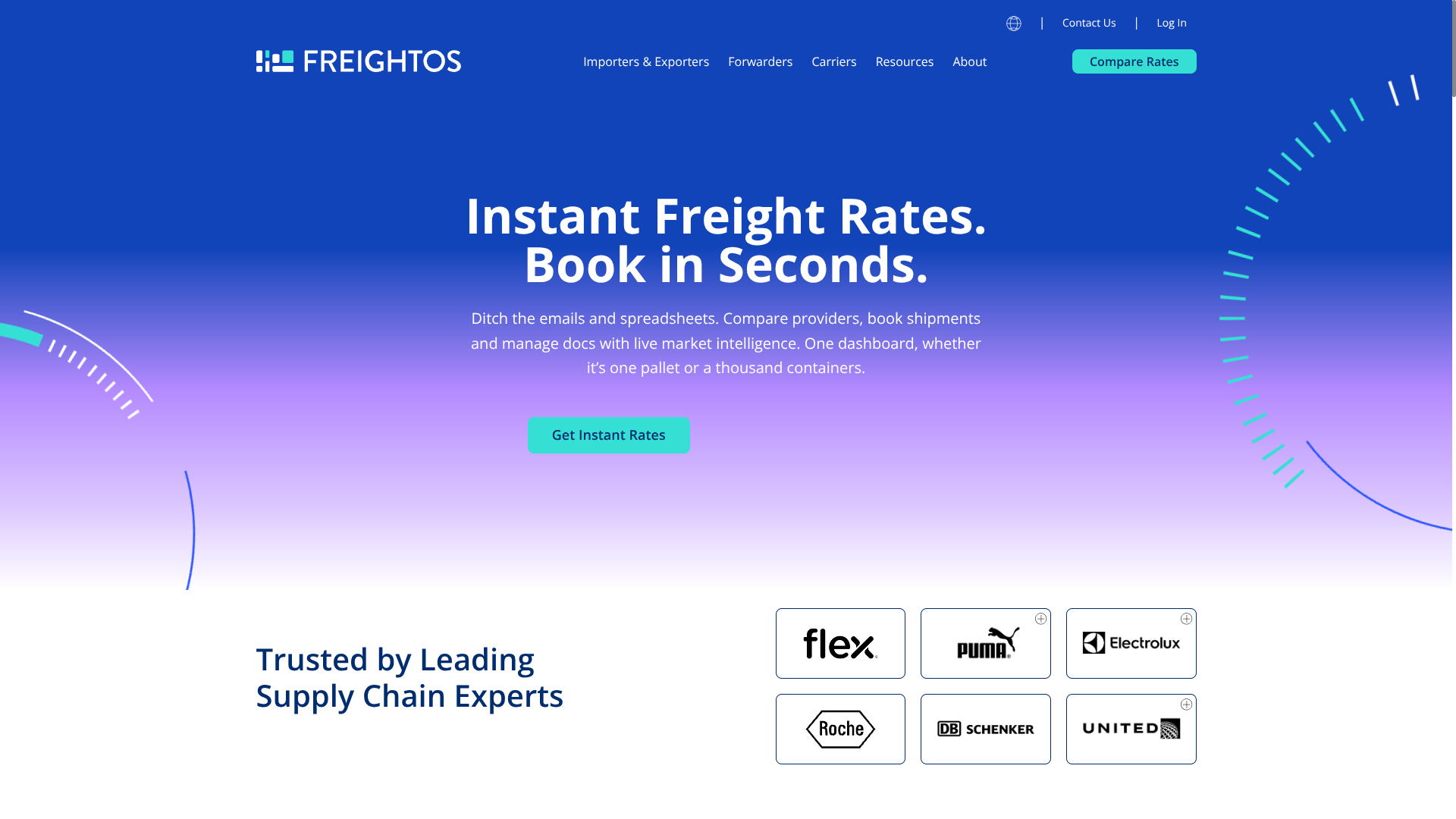
Freightos is a vendor-neutral online freight marketplace that brings instant freight quotes, booking, and visibility into a single dashboard. It speeds procurement by letting you compare sea and air rates from a wide provider network and automates RFQs and tendering to cut manual effort. For ecommerce sellers and supply chain teams, it reduces turnaround time and centralizes shipment visibility, though results depend on provider availability. Consider it a digital bridge between shippers and logistics providers.
Core Features
Freightos delivers instant freight rate quotes, sea and air booking with market intelligence, a 24/7 shipment tracking dashboard, RFQ automation and tender workflows, plus integration capability with ERP and TMS systems to keep operational data flowing. These capabilities are organized around a single user interface that emphasizes quick quote generation and scalable workflows for small businesses and large enterprises alike.
Quick note.
Pros
- Fast comparison and quoting: The platform generates instant freight quotes from top providers, enabling quicker procurement decisions and shorter lead times.
- Strong shipment visibility: A comprehensive dashboard provides centralized tracking so you can monitor multiple shipments without toggling systems.
- Scales with your business: Freightos supports both SMBs and enterprise needs, making it suitable as your volume and complexity grow.
- Large provider network: With over 4,000 logistics providers, the platform increases the odds of competitive rates and routing options.
- Automation reduces manual work: Automated RFQs and tendering simplify procurement cycles and free logistics teams to focus on exceptions and strategy.
Cons
- Dependent on provider availability for real-time rates: Instant quotes rely on providers being online and offering live rates, which can create gaps in coverage or inconsistent pricing.
- Complexity for highly customized needs: Organizations with bespoke routing, special handling, or nonstandard compliance requirements may find Freightos less flexible without additional customization.
- Requires internet access: The platform is web-based, so poor connectivity can disrupt quoting, booking, and tracking workflows.
Who It’s For
Freightos is aimed at businesses that want to centralize freight procurement and gain faster pricing visibility—especially ecommerce sellers, procurement teams, and logistics managers at growing companies and established brands. If your priority is faster quote-to-book cycles, automated RFQs, and a single pane of glass for shipment tracking, Freightos is worth evaluating.
Unique Value Proposition
Freightos stands out by combining a vendor-neutral marketplace with automation and integrations, letting you compare live rates across a deep provider network while keeping ERP and TMS systems in sync. That combination reduces manual RFQ churn and gives teams a faster path from price discovery to booked shipment.
Real World Use Case
A company used Freightos to quote, book, and track international shipments and realized faster processing times, tangible cost savings, and full shipment visibility. The result: smoother operations, fewer exceptions, and improved delivery confidence for customers.
Pricing
Pricing details are not specified on the website and are likely custom based on business needs; contact sales for a tailored quote and implementation estimate.
Website: https://freightos.com
ShipBob
At a Glance
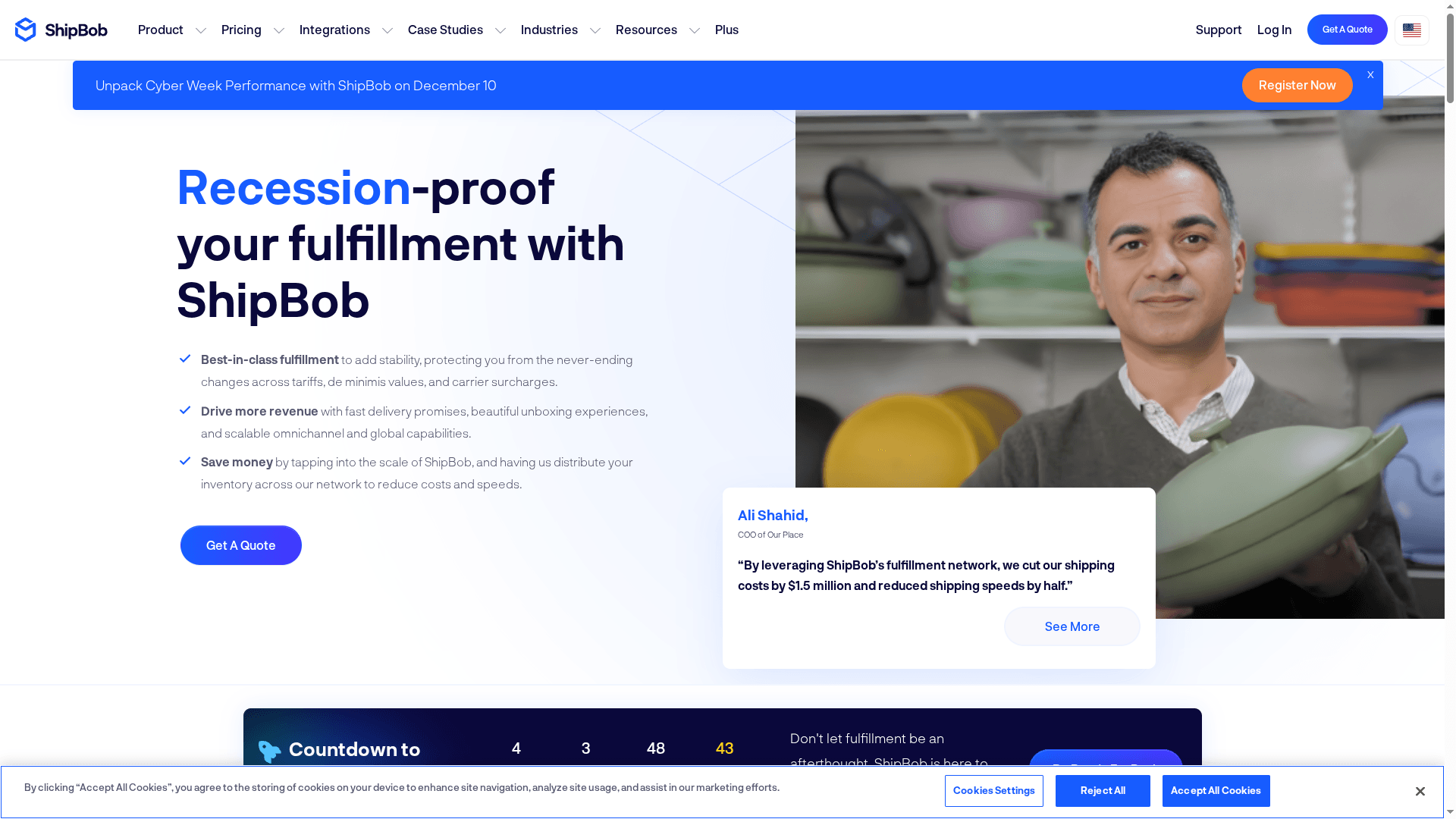
ShipBob is an end-to-end, technology-driven fulfillment partner built to scale ecommerce operations from startup to enterprise. It combines a global warehouse network with real-time inventory and order management to reduce transit times and shipping costs. For merchants who prioritize fast delivery, multi-channel integration, and custom packaging options, ShipBob delivers a measurable service layer—but expect pricing and some add-on services to be tailored per account.
Core Features
ShipBob’s platform centers on distributed inventory and automated replenishment across multiple warehouses, plus full picking, packing, and shipping operations. It offers 2-day shipping across the continental US and global delivery to 250+ destinations with standard and expedited options. The system provides warehouse management with real-time inventory tracking and reorder alerts, plus international fulfillment centers in the USA, Canada, UK, Australia, and Europe. For business customers there’s B2B and wholesale support including EDI, integrations with ecommerce platforms and ERP systems via 50+ integrations and a developer API, as well as custom branded packaging, kitting, and returns management.
Pros
- Global fulfillment network reduces transit times and can lower shipping costs for cross-border and multi-regional orders.
- Transparent and competitive billing practices make invoice reconciliation easier for finance teams.
- Flexible service options, like custom packaging and kitting, let brands control unboxing experiences and support premium SKUs.
- A strong technology stack provides accurate inventory visibility and order tracking across distributed warehouses.
- Proven experience scaling brands from startup volumes to enterprise-level order throughput supports long-term growth plans.
Cons
- Pricing is customized per customer, so you must request a quote to understand total costs and cannot rely on public rate cards.
- Several advanced services, such as kitting and B2B fulfillment, are charged as extras and can raise the final bill.
- International shipping costs and service options vary by destination, meaning global cost predictability requires direct inquiry and planning.
Who It’s For
ShipBob suits ecommerce brands and retailers that need a technology-forward fulfillment partner capable of fast domestic and broad international delivery. Ideal users include merchants scaling online sales, retailers expanding into new regions, and brands that want branded packaging or specialized order handling without building their own warehouse network.
Unique Value Proposition
ShipBob’s unique value is the combination of a global warehouse footprint with a developer-friendly tech layer that centralizes inventory, orders, and shipping decisions. That blend lets merchants reduce transit times through smarter distribution while keeping channel integrations and fulfillment workflows automated and visible.
Real World Use Case
A growing direct-to-consumer brand uses ShipBob to split inventory across regional centers, enabling 2-day delivery for most US customers and reducing international transit times. By offloading picking, custom kitting, and returns to ShipBob, the brand lowered per-order labor costs and preserved consistent packaging quality during rapid growth.
Pricing
ShipBob pricing is customized and based on total fulfillment costs including implementation, receiving, warehousing, and per-order shipping. The company advertises transparent billing and potential discounts for bulk shipping and international fulfillment, but exact fees are provided only via a tailored quote.
Website: https://shipbob.com
ShipStation
At a Glance
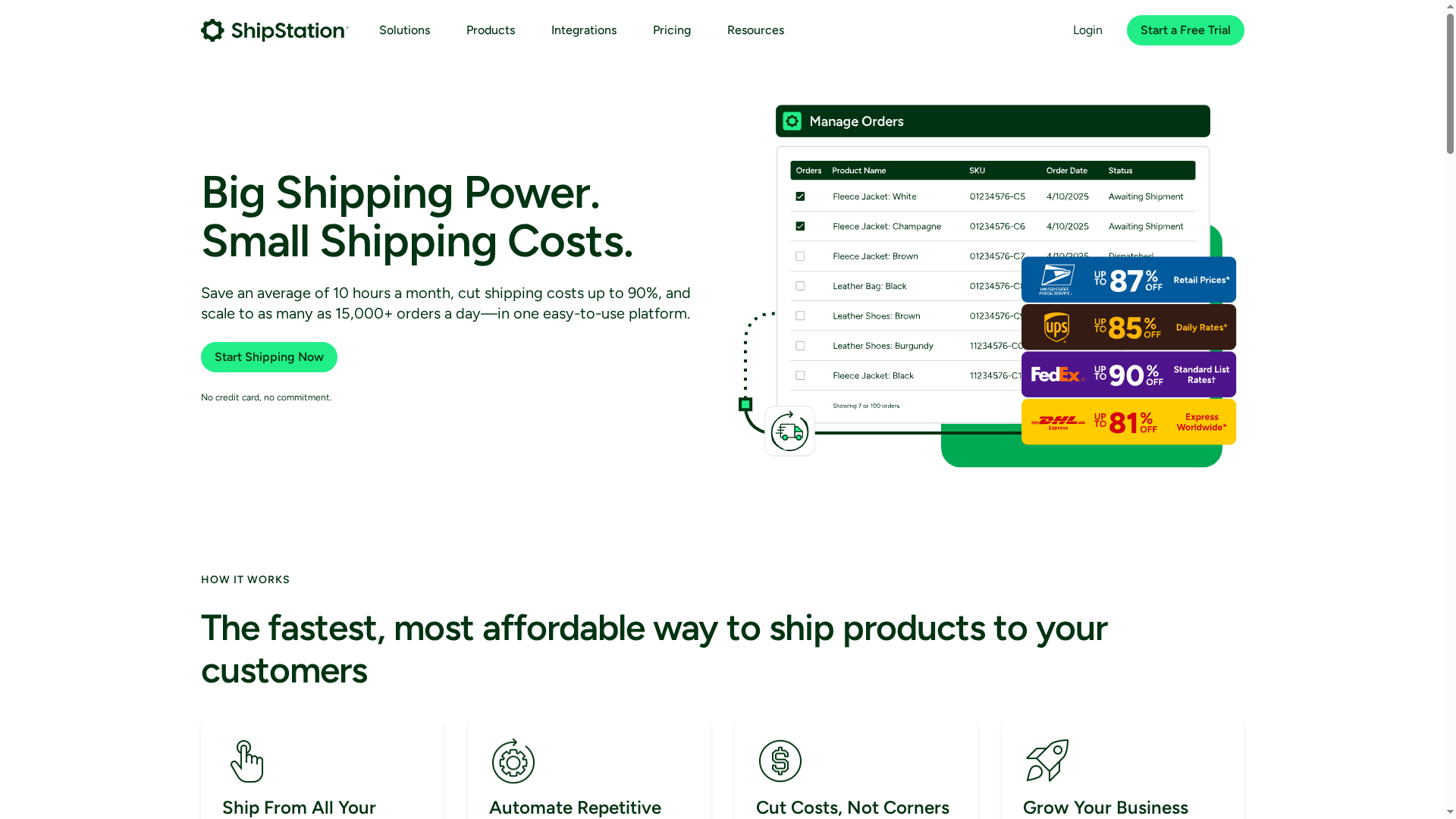
ShipStation is a purpose-built shipping platform for ecommerce fulfillment that helps businesses save time and shipping costs through automation, rate shopping, and multi-channel order management. It centralizes label purchasing and printing while offering branded tracking and returns workflows to improve the customer experience. For small to mid-sized sellers scaling fulfillment, ShipStation balances deep features with configurable automation—but that depth can feel overwhelming at first.
Core Features
ShipStation’s core capabilities include rate shopping to surface the lowest available carrier rates and the ability to buy and print shipping labels directly from the platform. It integrates with numerous carriers and online sales channels, consolidates order management, and provides inventory control. Warehouse tools support multi-package and split shipments, while automation and batching reduce repetitive tasks. The platform also includes branded customer notifications, tracking, and a centralized returns portal for exchanges and refunds.
Pros
- Extensive integrations simplify operations: ShipStation connects to multiple carriers and sales channels so you can manage orders from one place without toggling between platforms.
- Automation cuts manual work: Built-in batching and automation rules reduce repetitive tasks like label printing and shipment assignment, saving staff hours during peak volumes.
- Competitive shipping rates reduce costs: Rate shopping and negotiated discounts can lower per-shipment spend, directly improving margins for high-volume sellers.
- Comprehensive inventory and warehouse controls: Inventory tracking and multi-package support help prevent errors and streamline fulfillment for businesses using one or several warehouses.
- Branding options improve customer experience: Custom tracking pages and branded returns portals preserve brand identity and make post-purchase interactions feel professional.
Cons
- Pricing can be complex and expensive at scale: The tiered structure ranges from a free basic option to premium plans that may reach $349.99/month, which can be costly for larger operations.
- Feature density creates a learning curve: New users can feel overwhelmed by the broad feature set and configuration options, which may slow initial adoption.
- Advanced functionality often requires higher tiers: Some of the more advanced warehouse and automation features are gated behind upper-level plans, limiting access for budget-conscious sellers.
Who It’s For
ShipStation is best suited for small to mid-sized ecommerce merchants and multi-channel sellers who need a unified shipping solution that integrates with marketplaces and carriers. If you process frequent shipments, want to automate repetitive tasks, and need branded tracking and returns, ShipStation is a practical choice. If you’re a sole proprietor with very low volume, the platform’s depth may be more than you need.
Unique Value Proposition
ShipStation’s unique value lies in combining rate shopping, broad channel and carrier integrations, and advanced automation in a single platform. That combination reduces per-order labor and shipping spend while preserving a branded post-purchase experience—delivering measurable efficiency gains as order volume scales.
Real World Use Case
A small online retailer connects Shopify and Amazon stores to ShipStation, automates label printing and batching, and uses rate shopping to pick lower-cost carriers. The team also deploys branded tracking pages and a centralized returns portal, cutting fulfillment time and improving customer satisfaction.
Pricing
Plans range from a free option for basic label printing to premium plans at $349.99/month for larger businesses, with starter, standard, and premium tiers in between. A 30-day free trial is available.
Website: https://shipstation.com
Logistics and Fulfillment Platform Comparison
This table provides a comprehensive comparison of logistics and fulfillment platforms discussed in the article, highlighting their key features, pros, cons, and usability.
| Platform | Key Features | Pros | Cons | Pricing |
|---|---|---|---|---|
| orner | Multi-modal booking, real-time tracking, strategic warehousing | Integrated end-to-end management, supports global commerce, ecommerce-specific solutions | Pricing not specified | Not specified, contact for details |
| TDY Cargo | Sea and air freight, customs brokerage, warehousing | Deep industry experience, comprehensive services, special-cargo expertise | Limited online transactions, quote process complexity | Not specified, request a quote |
| Flexport | Ocean and air freight, customs brokerage, real-time tracking | Comprehensive platform, SKU-level visibility, proven trust | Complex for small businesses, pricing transparency limited | Not specified, contact for details |
| Freightos | Online freight marketplace, instant quotes, shipment visibility | Fast comparison, strong shipment visibility, scalable | Depends on provider availability, requires internet access | Not specified, contact for details |
| ShipBob | Global warehouse network, 2-day shipping, custom packaging | Fast delivery, transparent billing, flexible service options | Customized pricing, additional service charges | Customized, request a quote |
| ShipStation | Rate shopping, order management, automation | Extensive integrations, automation, competitive rates | Complex pricing, feature density creates learning curve | Free to $349.99/month, 30-day free trial |
Streamline Your Freight Booking with Reliable Courier Services from orner
Managing freight bookings across ocean, air, and land can feel overwhelming when visibility and control are limited. The article highlights critical challenges such as shipment delays, fragmented logistics workflows, complex customs procedures, and the struggle to scale ecommerce fulfillment across borders. You need solutions that prevent costly exceptions and deliver clear insights from factory floor to customer door.
orner directly addresses these pain points with its end-to-end platform tailored for ecommerce sellers and businesses. By combining real-time shipment tracking, customs clearance, and strategic warehousing, orner empowers you to optimize cost and delivery times without juggling multiple vendors. The platform’s automation and data analytics help you detect and act on problems early so shipments arrive reliably and your customer satisfaction improves. Whether you manage Amazon fulfillment or cross-border wholesale expansion, orner offers a trusted foundation to scale smarter.
Take control of your freight booking journey today with orner’s comprehensive logistics solutions designed for your ecommerce growth.
Discover how reliable courier services can transform your supply chain with orner at https://or-ner.com and experience faster deliveries, clearer margins, and scalable workflows starting now.
Frequently Asked Questions
What are the key features to look for in a freight booking solution?
Look for features such as real-time shipment tracking, multi-modal booking options, and integrated customs support. These capabilities streamline the logistics process, allowing you to manage shipments efficiently and reduce delays by at least 20%.
How can I determine the best freight booking solution for my business needs?
Assess your specific logistics requirements, including shipment volume, destination types, and preferred carriers. Create a checklist of desired features, then compare your options against this list to ensure they meet your business goals.
What benefits can I expect from using an all-in-one freight booking platform?
Using an all-in-one platform can enhance visibility, reduce operational complexity, and potentially lower costs by consolidating suppliers. This approach can simplify your workflows, streamline your operations, and decrease time spent on logistics management by up to 30%.
How do freight booking solutions support international shipping?
Freight booking solutions typically include customs brokerage and documentation assistance, which are crucial for navigating international logistics. Ensure your chosen solution offers these features to help avoid delays and streamline the import/export process.
What is the average time it takes to set up a freight booking solution?
The setup time can vary by provider and the complexity of your operations, but expect an average of 30 to 60 days for full integration. Plan ahead to ensure your logistics are up and running smoothly without disrupting your supply chain.
Can freight booking solutions integrate with my existing systems?
Many freight booking platforms offer API integrations with common software systems like ERPs or TMSs. Evaluate the integration capabilities of your preferred solutions to ensure they can connect seamlessly with your existing tools, which will help streamline your shipping processes.
Recommended
- Top Benefits of Freight Forwarding for Growing Businesses 2025 – ORNER
- What Is Freight Forwarding? Guide for Modern Supply Chains 2025 – ORNER
- Essential courier services for small businesses – ORNER
- Reliable Courier Services in the USA – ORNER
- Top Amazon FBA Service Providers – Expert Comparison 2025 | Reddog Consulting Group
- Benefits of Managed Shuttle Service: Complete Guide – Ashe County Livery blog