Choosing packaging for ecommerce is no longer just about delivering items safely from warehouse to doorstep. Logistics managers across the United States recognize that every box or mailer is a direct reflection of brand values in an era where environmental impact matters to consumers. Embracing sustainable packaging offers a proven strategy for reducing waste, responding to evolving regulations, and building trust, while staying focused on supply chain demands and efficiency.
Table of Contents
- What Is Sustainable Packaging in Ecommerce?
- Types and Materials for Sustainable Packaging
- Performance and Supply Chain Integration
- Regulations Affecting Sustainable Packaging Choices
- Cost Implications and Risk Management
Key Takeaways
| Point | Details |
|---|---|
| Sustainable Packaging Definition | It is a holistic approach to packaging that minimizes environmental impact while protecting products and maintaining supply chain efficiency. |
| Innovative Materials | E-commerce businesses can utilize recycled-content plastics, bioplastics, and compostable materials to enhance sustainability. |
| Supply Chain Integration | Implementing circular packaging systems and digital tracking can significantly reduce waste and improve operational efficiency. |
| Regulatory Compliance | Staying ahead of evolving regulations requires adaptive strategies to ensure compliance and maintain sustainability goals. |
What Is Sustainable Packaging in Ecommerce?
Sustainable packaging represents a comprehensive approach to designing, producing, and managing packaging materials that minimize environmental impact while maintaining product protection and supply chain efficiency. At its core, sustainable packaging goes far beyond simply using recyclable materials – it encompasses an entire lifecycle strategy that balances ecological responsibility with practical business needs.
The concept of sustainable packaging is rooted in a holistic perspective that considers environmental, social, and economic factors throughout the packaging’s entire journey. Sustainable packaging principles involve multiple critical dimensions:
- Minimizing carbon footprint during manufacturing
- Using renewable or recycled source materials
- Ensuring packaging can be effectively recovered or reused
- Maintaining product protection and safety
- Meeting economic performance requirements
- Supporting long-term ecosystem health
In the context of ecommerce, sustainable packaging takes on unique significance. Online retail involves complex shipping processes that traditionally generate substantial waste. Sustainable packaging strategies aim to reduce this environmental burden by reimagining how products are protected, transported, and ultimately disposed of or recycled.
The goal isn’t just environmental stewardship – it’s about creating packaging solutions that are scientifically intelligent, economically viable, and aligned with evolving consumer expectations. Lifecycle assessment methodologies help businesses evaluate and continuously improve their packaging approaches, ensuring they’re making meaningful progress toward sustainability.
Pro tip: Start small by conducting an audit of your current packaging materials and identifying immediate opportunities for reduction and sustainable alternatives.
Types and Materials for Sustainable Packaging
Sustainable packaging materials have evolved dramatically, offering ecommerce businesses innovative solutions that balance environmental responsibility with practical performance. Sustainable packaging technologies now encompass a diverse range of materials designed to minimize ecological impact while maintaining robust product protection.
The primary categories of sustainable packaging materials include:
- Recycled-Content Plastics: Repurposed materials that reduce virgin plastic consumption
- Bioplastics: Plant-based alternatives derived from renewable resources
- Certified Paper and Fiber Products: Sourced from responsibly managed forests
- Compostable Materials: Designed to break down completely in industrial composting environments
- Reusable Packaging Solutions: Durable containers meant for multiple shipping cycles
Biodegradable materials represent a particularly promising frontier in sustainable packaging. Sustainable polymer research is developing innovative chemistries that create packaging solutions which can naturally decompose, addressing the long-standing environmental challenges associated with traditional packaging waste.

These emerging materials are not just environmentally friendly – they’re engineered to meet rigorous performance standards. Modern sustainable packaging must protect products during shipping, withstand temperature variations, and maintain structural integrity, all while minimizing ecological footprint.
Pro tip: Conduct a comprehensive materials audit to identify which sustainable packaging options align best with your specific product requirements and shipping conditions.
Here’s a quick summary of how key sustainable packaging materials compare for ecommerce use:
| Material Type | Environmental Benefit | Typical Use Cases | Limitations |
|---|---|---|---|
| Recycled-Content Plastics | Reduces virgin plastic demand | Protective mailers, containers | Limited recyclability |
| Bioplastics | Lower carbon emissions | Food packaging, small items | Often needs industrial compost |
| Certified Paper/Fiber | Promotes responsible forestry | Boxes, wraps, fillers | Moisture sensitivity |
| Compostable Materials | Fully decomposes in compost | Shopping bags, food wraps | Not all areas have composting |
| Reusable Packaging Solutions | Cuts down single-use waste | Durable shipping containers | Higher upfront cost |
Performance and Supply Chain Integration
Supply chain integration has become a critical strategy for ecommerce businesses seeking to balance sustainability with operational efficiency. Sustainable supply chain research reveals that strategic optimization can significantly reduce environmental impact while improving overall logistics performance.
Key performance considerations for integrated sustainable packaging include:
- Reducing carbon emissions in transportation
- Minimizing material waste throughout the supply chain
- Implementing circular packaging systems
- Enhancing digital tracking and monitoring capabilities
- Optimizing packaging design for multiple shipping cycles
The evolution of supply chain integration goes beyond traditional logistics approaches. Reusable packaging systems offer a comprehensive solution that addresses both environmental concerns and operational efficiency. These advanced systems allow businesses to create closed-loop packaging processes that dramatically reduce waste and lower long-term packaging costs.
Technology plays a crucial role in modern supply chain integration. Digital tools now enable real-time tracking, predictive analytics, and precise optimization of packaging strategies. This technological approach allows ecommerce businesses to make data-driven decisions that simultaneously improve sustainability metrics and operational performance.
Pro tip: Implement a comprehensive tracking system that measures both environmental impact and operational efficiency to drive continuous improvement in your packaging strategies.
This table highlights key supply chain integration strategies and their practical impact for ecommerce businesses:
| Supply Chain Strategy | Business Benefit | Environmental Advantage |
|---|---|---|
| Circular Packaging Systems | Lowers long-term packaging cost | Reduces landfill waste |
| Digital Tracking | Increases shipping accuracy | Enables emission reporting |
| Optimized Design Cycles | Boosts operational efficiency | Uses fewer raw materials |
| Multiple Shipping Cycles | Minimizes repeat purchases | Cuts total packaging waste |
Regulations Affecting Sustainable Packaging Choices
The regulatory landscape for sustainable packaging continues to evolve, creating significant challenges and opportunities for ecommerce businesses. Extended Producer Responsibility laws are driving substantial changes in packaging design, waste management, and corporate environmental accountability across the United States.
Key regulatory trends impacting sustainable packaging include:
- Mandatory minimum recycled content requirements
- Restrictions on single-use plastics and non-recyclable materials
- State-level packaging waste management regulations
- Requirements for improved packaging recyclability
- Increased producer accountability for packaging lifecycle
International standards play a crucial role in shaping these regulatory frameworks. Global packaging standards provide comprehensive guidelines that help businesses navigate complex environmental compliance requirements. These standards focus on creating a unified approach to sustainable packaging design, addressing everything from material selection to end-of-life disposal strategies.
The regulatory environment is becoming increasingly complex, with different states and municipalities implementing unique packaging requirements. Ecommerce businesses must develop adaptive strategies that can quickly respond to changing local, state, and federal regulations while maintaining operational efficiency and sustainability goals.
Pro tip: Develop a proactive compliance tracking system that monitors regulatory changes across different jurisdictions to stay ahead of emerging sustainable packaging requirements.
Cost Implications and Risk Management
Navigating the financial landscape of sustainable packaging requires strategic planning and comprehensive risk assessment. Sustainable packaging trends reveal complex cost dynamics that extend far beyond traditional procurement strategies.
Key financial considerations for sustainable packaging include:
- Initial material investment costs
- Potential long-term cost savings
- Compliance and regulatory expenses
- Research and development investments
- Supply chain adaptation expenses
- Potential penalties for non-compliance
Manufacturers must develop nuanced approaches to manage these financial challenges. Packaging recyclability strategies can help businesses optimize material selection and design processes to control expenses while maintaining environmental performance.
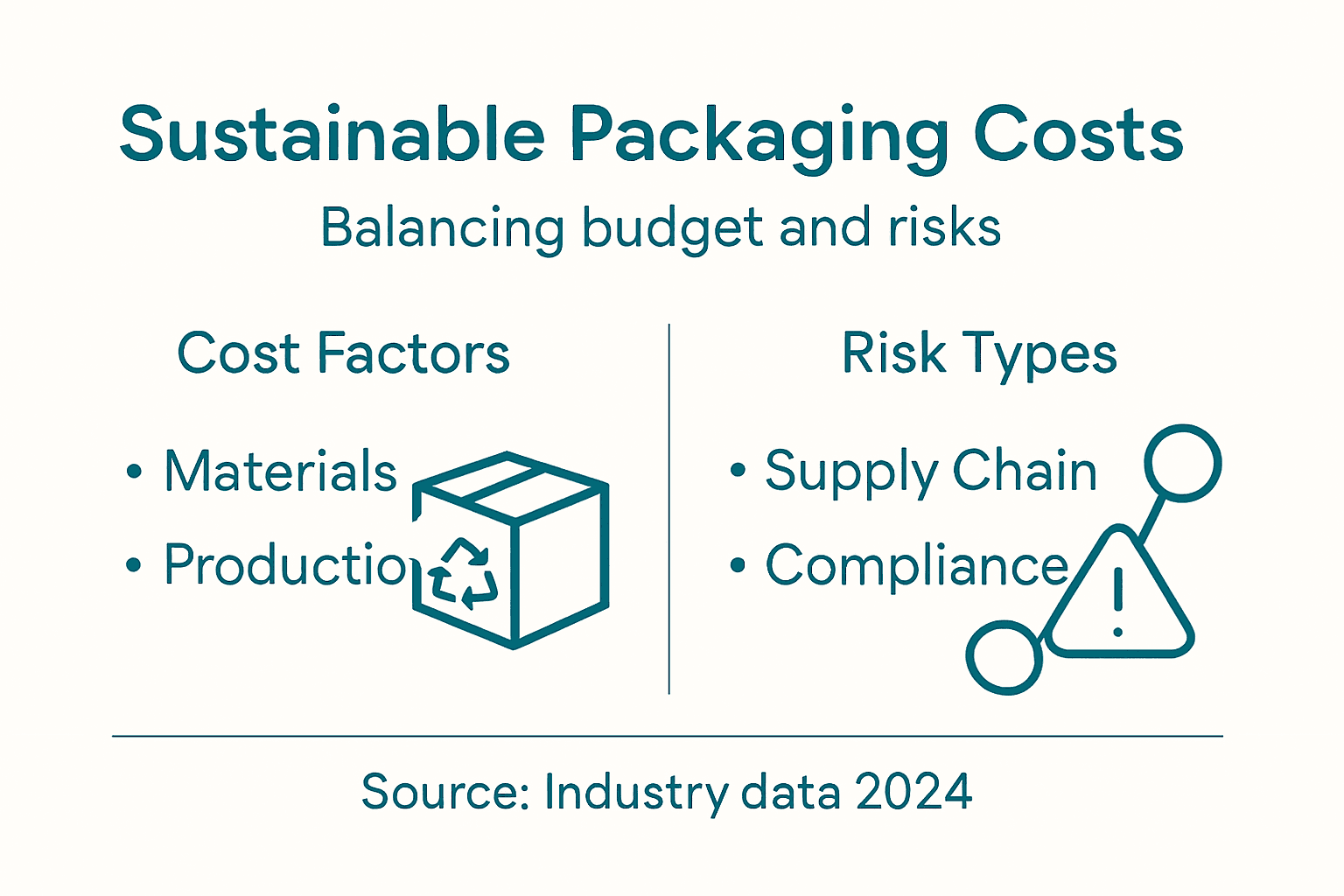
Risk management in sustainable packaging requires a holistic approach that balances short-term financial constraints with long-term strategic goals. Ecommerce businesses must view sustainable packaging not as an expense, but as a strategic investment that can generate competitive advantages, improve brand reputation, and potentially reduce future regulatory risks.
Pro tip: Conduct a comprehensive total cost of ownership analysis that includes direct material costs, potential regulatory penalties, and long-term brand reputation impacts.
Streamline Your Sustainable Packaging with Reliable Courier Services
Managing sustainable packaging means balancing environmental impact with operational efficiency and supply chain integration. As the article highlights, ecommerce businesses face challenges like minimizing waste, optimizing reusable packaging, and adapting to evolving regulations all while maintaining product safety and controlling costs. Addressing these pain points requires a logistics partner who understands the complexities of circular packaging systems and can provide end-to-end solutions that keep your products moving safely and sustainably.
or-ner.com offers comprehensive logistics and reliable courier services tailored for ecommerce sellers who want to reduce their carbon footprint without sacrificing speed or accuracy. From real-time shipment tracking to cross-border logistics and scalable warehouse management, our platform empowers you to integrate sustainable packaging into your entire supply chain with confidence. Experience streamlined workflows, data-driven decision-making, and dedicated support for ecommerce growth that align perfectly with your sustainability goals.
Ready to transform your packaging strategy and logistics operations into an efficient, eco-friendly system now
Discover how reliable courier services and our global fulfillment network can help you balance impact and efficiency. Visit or-ner.com to get started today and take the next step toward smarter sustainable ecommerce logistics. Explore our reliable courier services and find out how we support circular packaging solutions and supply chain optimization all in one place.
Frequently Asked Questions
What is sustainable packaging?
Sustainable packaging is a strategy that focuses on minimizing environmental impact while ensuring product protection and maintaining efficiency throughout its life cycle. It involves using materials that are renewable, recyclable, or compostable, and aims to support long-term ecological health.
What are some common materials used in sustainable packaging?
Common materials for sustainable packaging include recycled-content plastics, bioplastics, certified paper and fiber products, compostable materials, and reusable packaging solutions. Each material type has unique benefits and limitations based on environmental impact and practical usage.
How can ecommerce businesses integrate sustainable packaging into their supply chain?
Ecommerce businesses can integrate sustainable packaging by optimizing design for multiple shipping cycles, reducing carbon emissions, implementing circular packaging systems, and utilizing digital tracking for better logistics performance. These strategies help minimize waste and enhance operational efficiency.
What are the cost considerations associated with sustainable packaging options?
Cost considerations for sustainable packaging include initial investment costs, potential long-term cost savings, compliance and regulatory expenses, and research and development investments. Businesses should view sustainable packaging as a strategic investment that can improve brand reputation and mitigate future regulatory risks.
Recommended
- Top Benefits of Freight Forwarding for Growing Businesses 2025 – ORNER
- Just in Time Delivery: Essential Guide for 2025 Success – ORNER
- Packaging for Ecommerce: Optimize Protection and Delivery – ORNER
- Green Logistics Strategies: Complete Guide for Ecommerce – ORNER
- 7 accessoires indispensables pour chiens écoresponsables en 2026 – My Animal Lovers
- environmental impact urban planning | 3D Cityplanner
- Change thats baked in: How our family run bakery is responding to the – St Mawes bakery, family run bakery.