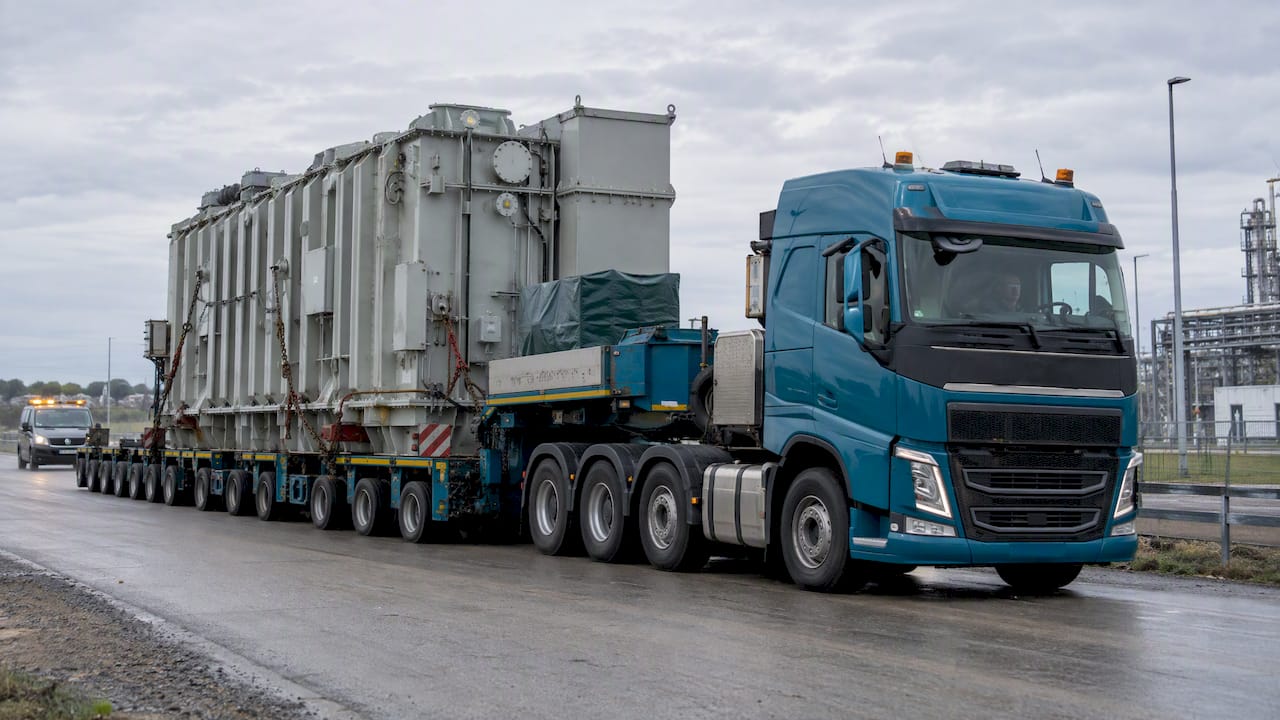
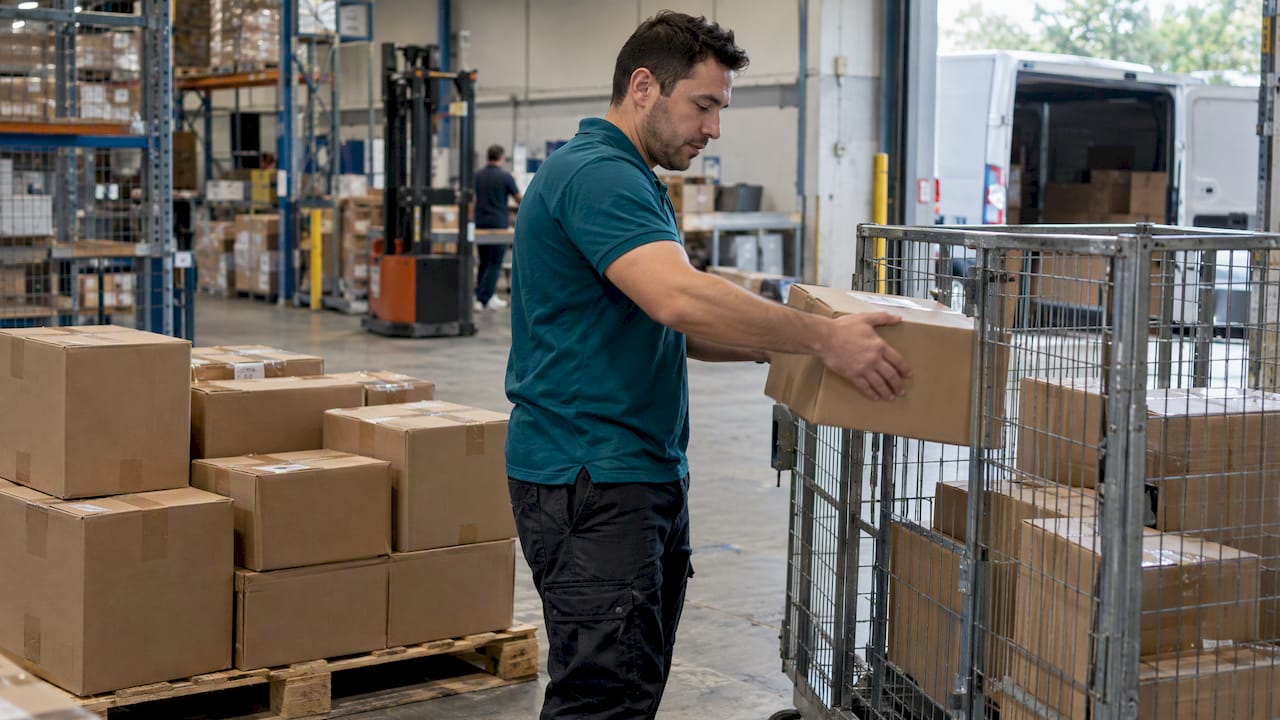
Over half of total shipping costs in the American logistics industry come from the last mile delivery stage. When packages travel from warehouse shelves to a customer’s front door, the process shapes satisfaction and loyalty. Facing complex routes and rising consumer demands, businesses depend on efficient last mile strategies to compete. This guide breaks down what last mile delivery really means and why refining it has become the key to unlocking reliable, fast service for today’s American shoppers.
Table of Contents
- Defining Last Mile Delivery In Logistics
- Types Of Last Mile Delivery Models
- How Last Mile Delivery Works Today
- Key Challenges And Common Pitfalls
- Costs, Risks, And Technology Solutions
Key Takeaways
| Point | Details |
|---|---|
| Significance of Last Mile Delivery | It is the most critical stage of shipping, accounting for approximately 53% of total shipping costs, impacting supply chain efficiency. |
| Customer Experience Impact | Successful last mile logistics enhances customer satisfaction and brand perception, leading to increased repeat purchases. |
| Innovation in Delivery Models | Diverse methods such as electric vehicles, drones, and cargo bikes are emerging, offering businesses sustainable and cost-effective solutions. |
| Challenges in Execution | Companies must navigate high customer expectations, economic constraints, and technological gaps to achieve effective last mile delivery. |
Defining Last Mile Delivery in Logistics
Last mile delivery represents the final and most critical stage of the shipping process, where products complete their journey from distribution centers to the end customer’s doorstep. The movement of products from warehouses to residential locations is a complex logistical challenge that significantly impacts overall supply chain efficiency.
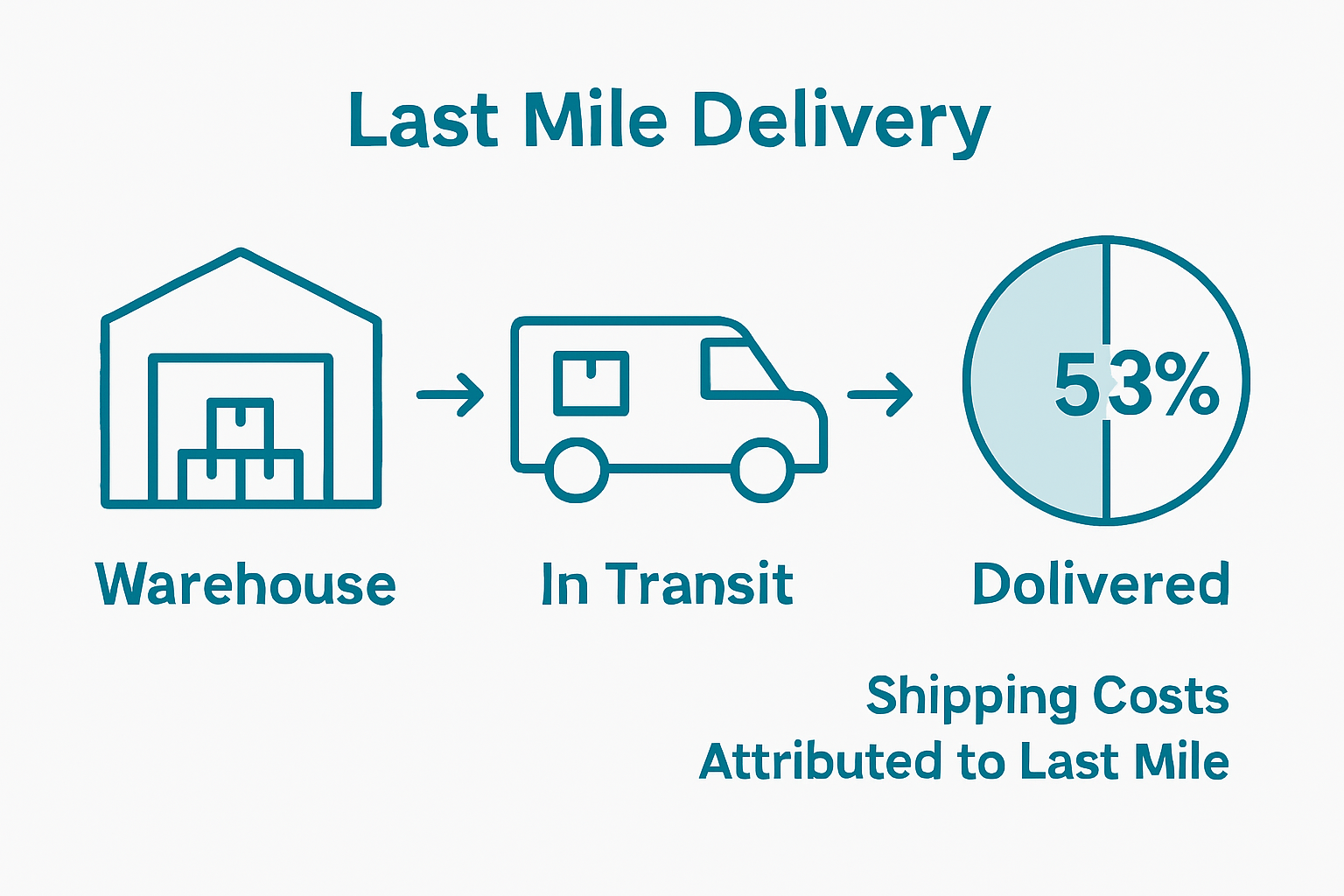
Understanding last mile delivery requires recognizing its unique complexities. This stage accounts for approximately 53% of total shipping costs, making it the most expensive segment of the entire logistics network. The process involves multiple intricate steps: package sorting, route optimization, vehicle loading, navigation through urban or rural environments, and finally, successful package handoff to the recipient. Last mile logistics demands precision, speed, and adaptability to meet modern consumer expectations of rapid, trackable deliveries.
The strategic importance of last mile delivery extends beyond simple transportation. It represents the critical customer touchpoint where digital transactions transform into physical product experiences. Comprehensive logistics research reveals that successful last mile delivery can significantly enhance customer satisfaction, brand perception, and ultimately, repeat purchasing behavior. Businesses investing in sophisticated last mile strategies gain competitive advantages by offering transparent tracking, flexible delivery options, and consistently reliable service.
Key characteristics that define effective last mile delivery include:
- Real-time package tracking
- Flexible delivery windows
- Multiple delivery location options
- Efficient route planning
- Minimal delivery time windows
- Advanced technological integration for seamless communication
As ecommerce continues to evolve, last mile delivery will remain a critical differentiator for businesses seeking to provide exceptional customer experiences and maintain operational efficiency in an increasingly complex global marketplace.
Types of Last Mile Delivery Models
Last mile delivery models have evolved dramatically, offering businesses multiple approaches to address customer delivery expectations. Innovative transportation solutions now include traditional van deliveries, electric cargo bikes, autonomous ground vehicles, and emerging drone technologies, presenting complex strategic options for logistics managers.
Traditional Van Delivery remains the most prevalent model, where commercial vans navigate predetermined routes to deliver packages. These vehicles provide flexibility and can handle substantial package volumes, though they often struggle with urban congestion and high operational costs. In contrast, bicycle and cargo bike delivery models have gained significant traction in dense metropolitan areas, offering environmentally friendly alternatives that can navigate narrow streets more efficiently.
Emerging technologies are transforming last mile delivery through electric and autonomous vehicles, creating more sustainable and potentially more cost-effective solutions. The primary delivery models can be categorized into several key approaches:
-
Courier-Based Delivery
- Traditional package delivery services
- Dedicated delivery personnel
- Highest personal interaction
-
Pickup Point Delivery
- Centralized collection locations
- Lower individual delivery costs
- Convenient for customers with flexible schedules
-
Autonomous Vehicle Delivery
- Self-driving vehicles and robots
- Minimal human intervention
- Potential for 24/7 operations
-
Drone Delivery
- Aerial package transportation
- Fastest potential delivery times
- Best for lightweight, urgent packages
Each delivery model presents unique advantages and challenges, requiring businesses to carefully evaluate their specific operational needs, customer demographics, and technological infrastructure when selecting the most appropriate approach.
How Last Mile Delivery Works Today
Warehouse management and advanced technological integration are critical components of modern last mile delivery operations, transforming how products move from distribution centers to customer doorsteps. The process begins with sophisticated inventory tracking systems that enable real-time package monitoring and precise location management, ensuring seamless movement through complex logistics networks.
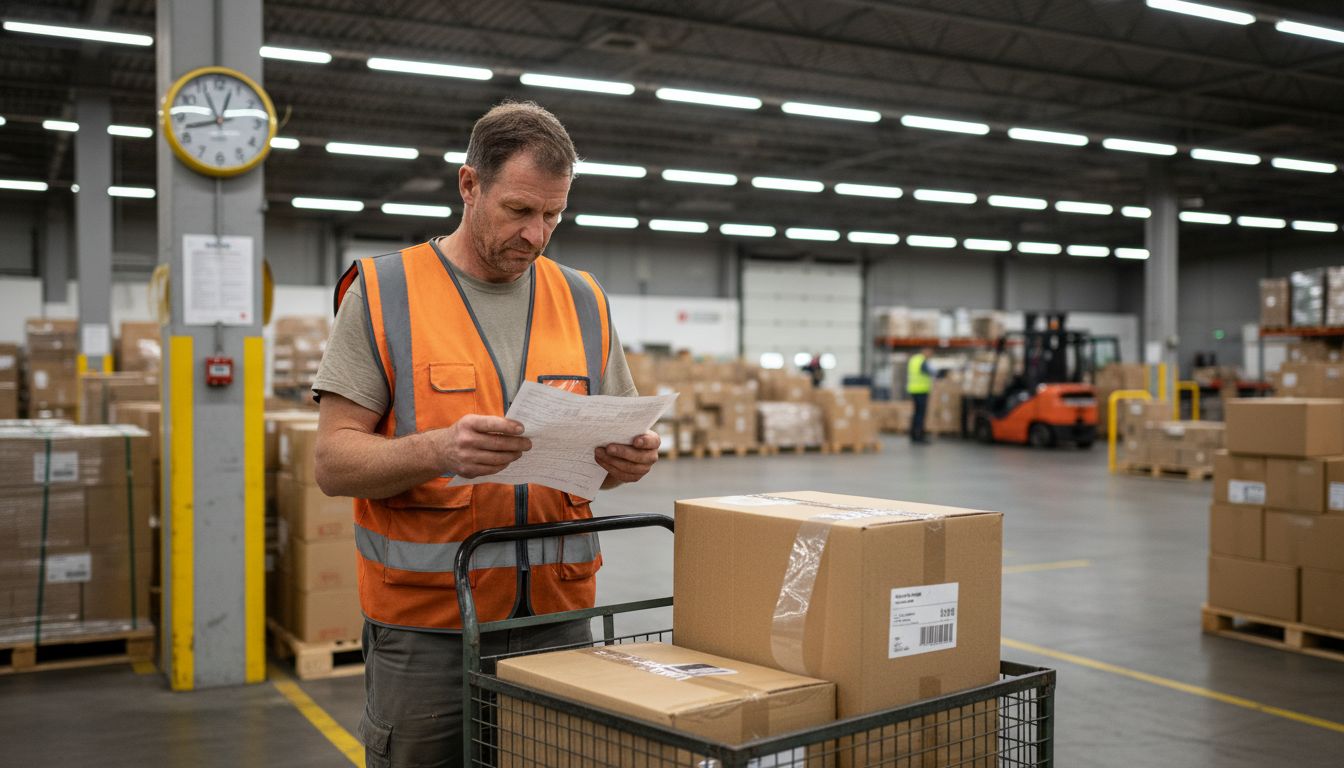
Order Processing represents the initial stage of last mile delivery, where digital transactions convert into physical package movement. Sophisticated algorithms analyze package dimensions, weight, destination proximity, and delivery urgency to optimize routing and transportation methods. Contemporary delivery practices now incorporate electric vans, cargo bikes, and autonomous vehicles to enhance efficiency and sustainability, dramatically reshaping traditional transportation strategies.
The contemporary last mile delivery workflow typically involves several intricate stages:
-
Order Placement
- Customer submits online order
- Payment processing
- Inventory verification
-
Warehouse Preparation
- Package picking
- Quality checking
- Packaging and labeling
-
Transportation Routing
- Optimal route calculation
- Vehicle assignment
- Real-time tracking initialization
-
Final Delivery
- Package handoff
- Proof of delivery
- Customer confirmation
Technological innovations continue to revolutionize last mile delivery, with artificial intelligence, machine learning, and advanced GPS tracking enabling unprecedented levels of precision and customer communication. Smart routing algorithms now minimize fuel consumption, reduce delivery times, and provide increasingly accurate estimated arrival windows, transforming what was once a complex logistical challenge into a streamlined, customer-centric experience.
Key Challenges and Common Pitfalls
Last mile delivery presents complex challenges that can significantly undermine ecommerce operational efficiency, requiring businesses to develop sophisticated strategies for navigating increasingly demanding logistics landscapes. The most critical obstacles emerge from heightened customer expectations, technological limitations, and the intricate economics of final-mile transportation.
Cost Management represents one of the most substantial challenges in last mile delivery, with transportation expenses often consuming up to 53% of total shipping costs. Route optimization and innovative delivery models like shared lockers and crowdsourced drivers are emerging as potential solutions to mitigate these financial pressures, enabling businesses to reduce overhead while maintaining service quality.
The most prevalent challenges in contemporary last mile delivery include:
-
Customer Expectation Misalignment
- Unrealistic delivery timeframes
- Limited delivery window flexibility
- High expectations for free shipping
-
Technological Infrastructure Gaps
- Inadequate tracking systems
- Poor route optimization algorithms
- Limited real-time communication capabilities
-
Economic Constraints
- High transportation costs
- Inefficient vehicle utilization
- Unpredictable fuel price fluctuations
-
Operational Complexity
- Multiple delivery attempts
- Package handling and security
- Urban delivery congestion
Successful last mile delivery strategies require continuous innovation, adaptive technologies, and a deep understanding of evolving customer preferences. Businesses that can effectively address these challenges through strategic investments in logistics technology and customer-centric approaches will gain significant competitive advantages in the rapidly transforming ecommerce marketplace.
Costs, Risks, and Technology Solutions
Last mile delivery technology solutions are rapidly evolving to address complex economic and operational challenges, transforming traditional supply chain models through innovative approaches that optimize efficiency and reduce financial risks. The rising complexity of ecommerce logistics demands sophisticated strategies that balance cost management, technological integration, and customer satisfaction.
Technological Disruption is fundamentally reshaping last mile delivery economics. Emerging solutions like electric vehicles, cargo bikes, and autonomous delivery platforms offer promising alternatives to traditional transportation models, enabling businesses to reduce carbon footprints while simultaneously minimizing operational expenses. These innovative approaches represent critical investments in sustainable and cost-effective logistics infrastructure.
Key technology solutions and risk mitigation strategies include:
-
Last Mile as a Service (LMaaS)
- Scalable delivery infrastructure
- Reduced capital investment requirements
- Flexible operational models
-
Autonomous Delivery Technologies
- Reduced labor costs
- 24/7 operational capabilities
- Consistent performance standards
-
Predictive Analytics Platforms
- Advanced route optimization
- Real-time demand forecasting
- Inventory management integration
-
Sustainable Transportation Solutions
- Electric and hybrid vehicle fleets
- Cargo bike delivery networks
- Reduced environmental impact
Successful implementation of these technologies requires strategic planning, continuous technological adaptation, and a comprehensive understanding of emerging logistics trends. Businesses that proactively invest in innovative delivery solutions will position themselves to navigate the complex and rapidly evolving ecommerce landscape with greater agility and competitive advantage.
Optimize Your Last Mile Delivery with Reliable Courier Services
The article highlights that last mile delivery is the most expensive and complex part of ecommerce logistics. Managing high transportation costs, ensuring flexible delivery windows, and meeting rising customer expectations can feel overwhelming. You need precise real-time tracking, advanced route optimization, and adaptable delivery models to overcome these challenges and secure customer satisfaction.
At Or-Ner, we understand these critical pain points and offer comprehensive, end-to-end solutions tailored specifically for ecommerce sellers and businesses. Our platform combines reliable courier services with integrated warehousing, real-time shipment tracking, and scalable cross-border logistics that can transform your last mile delivery operations. With advanced data analytics and automation, Or-Ner helps you reduce costs while delivering exceptional service to your customers.
Take control of your last mile delivery today. Discover how Or-Ner’s all-in-one logistics platform can streamline your shipping from warehouse to doorstep and keep your customers coming back. Visit Or-Ner now to explore our reliable courier services and elevate your ecommerce success.
Frequently Asked Questions
What is last mile delivery?
Last mile delivery refers to the final step in the shipping process, where products are transported from distribution centers to the end customer’s doorstep. It is a critical stage that impacts overall supply chain efficiency and customer satisfaction.
Why is last mile delivery so costly?
Last mile delivery accounts for approximately 53% of total shipping costs due to factors like complex logistics, urban congestion, and multiple intricate steps involved in getting packages to customers quickly and efficiently.
What are the different models of last mile delivery?
Different models include traditional van delivery, courier-based delivery, pickup point delivery, autonomous vehicle delivery, and drone delivery. Each model has its own advantages and challenges that businesses must consider based on their specific operations and customer needs.
How can technology improve last mile delivery?
Technology enhances last mile delivery through real-time package tracking, efficient route planning, autonomous delivery technologies, and predictive analytics, which optimize operations and improve customer experience while reducing costs.