

International shipping can look overwhelming at first glance. There are customs forms, strict packaging rules, and every country seems to have different regulations. But here is the surprise. Even one small documentation error can delay your shipment by days or add hundreds in unexpected fees. Most people think picking a shipping carrier or packing a box is the hard part. The truth is that mastering just a handful of steps before you send your first package puts your entire business ahead of the competition.
Table of Contents
- Step 1: Evaluate Your Shipping Needs
- Step 2: Research International Shipping Options
- Step 3: Prepare Your Packages For Shipping
- Step 4: Complete Necessary Shipping Documentation
- Step 5: Choose The Right Carrier And Services
- Step 6: Monitor And Verify Shipment Delivery
Quick Summary
| Key Point | Explanation |
|---|---|
| 1. Assess Your Shipping Needs Carefully | Analyze product sizes, weights, and sensitivities to select appropriate shipping methods and packaging solutions. |
| 2. Evaluate Multiple Shipping Options | Compare various carriers and methods including air, ocean, and express services to find optimal solutions. |
| 3. Prepare Packages with Attention to Detail | Use suitable packaging materials and accurately complete documentation to protect items during transit. |
| 4. Ensure Accurate Shipping Documentation | Complete all necessary paperwork like invoices and customs forms to avoid delays at borders. |
| 5. Monitor Shipments and Verify Deliveries | Track shipments in real time and inspect deliveries to ensure items arrive correctly and in good condition. |
Step 1: Evaluate Your Shipping Needs
Successful international shipping begins with a comprehensive understanding of your specific delivery requirements. Before launching into global logistics, businesses must carefully assess their unique shipping parameters to ensure smooth, cost effective, and reliable cross border transportation. This critical initial step involves analyzing product characteristics, destination markets, shipping volumes, and budget constraints.
Start by conducting a thorough product inventory assessment. Examine the physical dimensions, weight, fragility, and potential temperature or handling sensitivities of your items. Shipping a delicate electronic component differs dramatically from transporting robust industrial machinery. Understanding these nuances helps determine appropriate packaging, shipping methods, and potential insurance needs. Learn more about specialized shipping approaches for items requiring extra care.
Next, map out your target international markets with precision. Research each destination country’s specific import regulations, customs requirements, and potential restrictions. Some nations impose strict guidelines on certain product categories, including electronics, food items, or pharmaceutical goods. Your shipping strategy must account for these complex regulatory landscapes. Consider factors like:
- Tariff classifications and potential additional duties
- Mandatory documentation requirements
- Restricted or prohibited item categories
- Packaging and labeling standards
Cost analysis represents another crucial component of this evaluation. Compare different shipping carriers, examine their international networks, and request detailed quotes that include all potential fees.
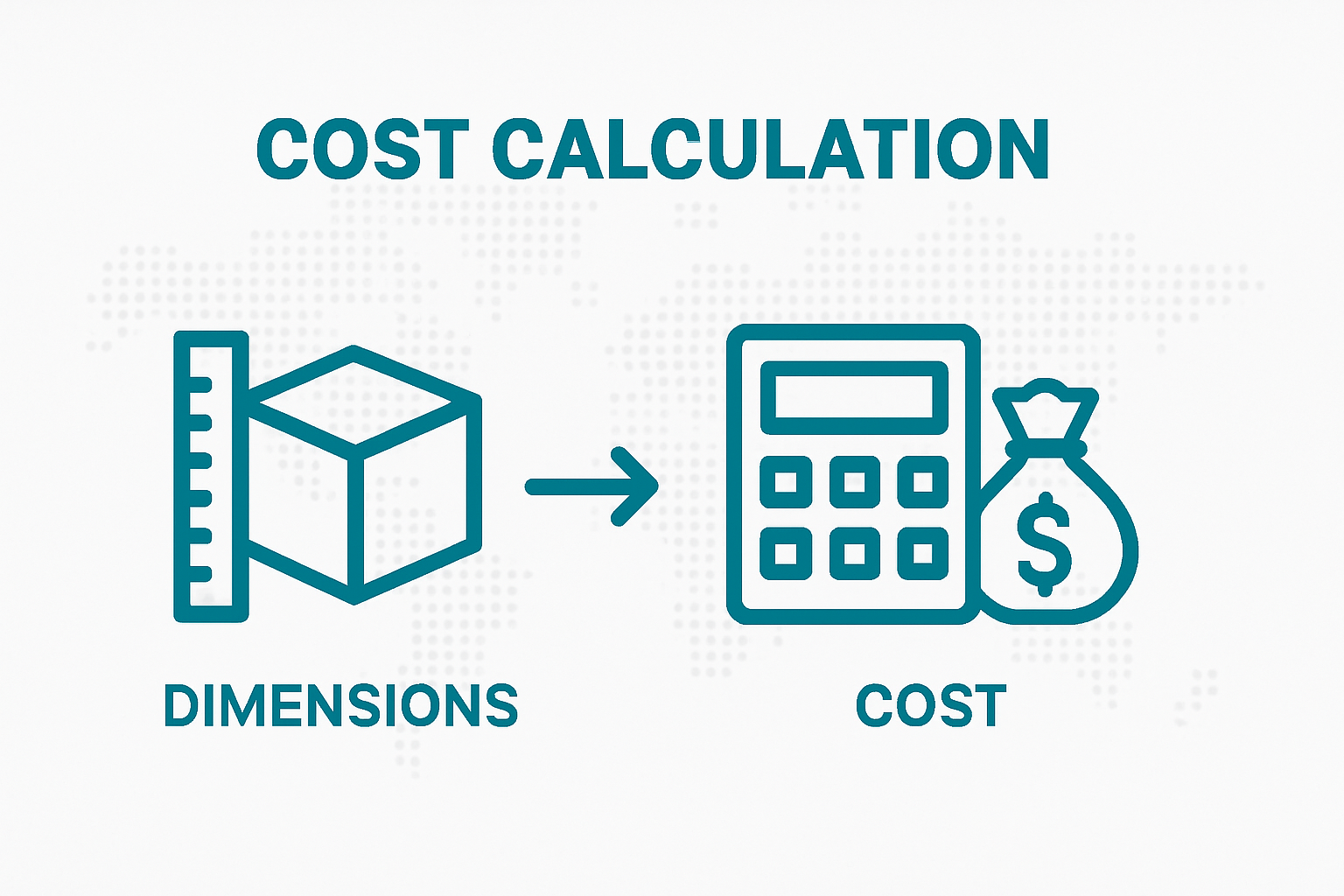 Hidden charges can quickly erode profit margins, so transparency is key. Look beyond base shipping rates to understand comprehensive pricing structures that incorporate fuel surcharges, handling fees, and potential customs brokerage expenses.
Finally, establish clear internal protocols for shipping documentation, tracking, and communication. Develop a systematic approach that allows real time visibility into your international shipments, enabling quick problem resolution and maintaining customer satisfaction. By meticulously evaluating these foundational elements, you create a robust framework for successful global logistics.
Step 2: Research International Shipping Options
Researching international shipping options transforms your logistics strategy from guesswork to precision planning. This critical step involves exploring multiple transportation modes, understanding carrier capabilities, and identifying the most suitable delivery solutions for your specific business needs. Global shipping is not a one size fits all approach and requires comprehensive evaluation of multiple factors.
Begin by investigating various shipping carriers and their international networks. Major global logistics providers like FedEx, DHL, and UPS offer comprehensive international services, but do not limit yourself to these well known brands. Regional carriers and specialized freight forwarders might provide more competitive rates or tailored solutions for your specific product categories. Explore custom shipping solutions that match your unique business requirements.
Compare shipping methods critically, analyzing air freight, ocean freight, express courier services, and multimodal transportation options. Air freight provides speed but comes with higher costs, while ocean freight offers more economical rates for larger shipments. Your product characteristics will significantly influence this decision. Fragile electronics might require faster, more controlled transportation, whereas bulk industrial materials could benefit from slower but more cost effective maritime shipping.
The table below compares the most common international shipping methods, summarizing their core benefits, common use cases, speed, and typical cost considerations.
| Shipping Method | Speed | Cost | Best For | Key Considerations |
|---|---|---|---|---|
| Air Freight | Fast (2-7 days) | Higher | Small, urgent shipments; electronics | Highest cost; strict size/weight limits |
| Ocean Freight | Slow (2-6 weeks) | Lower | Large, heavy shipments; bulk materials | Lower cost; longer transit/delays |
| Express Courier | Very Fast (1-5 days) | Highest | Time-sensitive documents, parcels | Premium cost; excellent tracking |
| Multimodal | Varies | Varies | Mixed shipments needing flexibility | Coordination; complex routes possible |
| Regional Carriers | Moderate | Competitive | Country/region-specific deliveries | May offer tailored services, lower cost |
Your research should include detailed cost comparisons that go beyond basic shipping rates. Examine comprehensive pricing structures that incorporate:
- Fuel surcharges
- Customs brokerage fees
- Handling and insurance expenses
- Potential import duties and taxes
- Tracking and documentation costs
Contact multiple carriers directly and request detailed quotes tailored to your specific shipping volumes, destinations, and product types. Many logistics providers offer free consultations that can provide invaluable insights into optimizing your international shipping strategy. Ask about volume discounts, specialized handling options, and potential long term partnership benefits.
Verify each carrier’s reliability by checking their international delivery performance, customer service reputation, and ability to handle your specific product categories. Request references, review online testimonials, and consider conducting small test shipments to evaluate their actual performance before committing to a full scale international shipping program.
Step 3: Prepare Your Packages for Shipping
Preparing packages for international shipping requires meticulous attention to detail and a strategic approach to packaging, documentation, and protection. Proper preparation can mean the difference between a successful delivery and a costly shipping disaster. This critical step transforms your products from simple merchandise into carefully protected global travelers, ready to navigate complex international logistics networks.
Begin with selecting appropriate packaging materials that provide robust protection for your specific products. Your packaging must withstand multiple handling stages, potential temperature variations, and potential compression during transit. For delicate or sensitive items, learn specialized techniques for secure shipping that minimize the risk of damage. Use high quality, double walled cardboard boxes for most international shipments, ensuring they are slightly larger than the product to allow for protective cushioning materials like bubble wrap, foam inserts, or air pillows.

Careful product wrapping is essential. Individually wrap each item to prevent friction and potential damage during transport. Create a protective layer around fragile components using bubble wrap, ensuring no empty spaces exist within the package that could allow movement. For electronics or precision instruments, consider additional internal packaging that provides shock absorption and temperature insulation. Professional packaging is not an expense but an investment in product integrity.
Your international shipping preparation must also address documentation requirements comprehensively. Prepare clear, accurate customs declaration forms that precisely describe your product, its value, and its intended use. Include multiple copies of all necessary documents, stored in a waterproof document pouch attached securely to the package exterior. Essential documents typically include:
- Commercial invoice
- Detailed packing list
- Certificate of origin
- Export licenses (if applicable)
- Specific product compliance certificates
Weight and dimension accuracy are crucial for avoiding unexpected shipping charges and customs complications. Use a precise digital scale to measure package weight, rounding up to the nearest half kilogram. Take careful measurements of length, width, and height, remembering that international carriers use dimensional weight calculations that can significantly impact shipping costs.
Finalize your package preparation by applying clear, durable shipping labels. Use high contrast shipping labels that include complete sender and recipient addresses, including international phone numbers and email contacts. Apply these labels securely, covering any previous shipping markings, and consider using additional protective clear tape to prevent label damage during transit.
Below is a checklist table to help ensure you prepare your packages for international shipping by covering essential packaging, documentation, and labeling requirements.
| Preparation Step | Description/Requirement | Check |
|---|---|---|
| Select Proper Packaging | Use double-walled boxes and appropriate cushioning | [ ] |
| Individually Wrap Items | Wrap items to prevent movement and damage | [ ] |
| Prepare Customs Documentation | Include commercial invoice, packing list, certificates | [ ] |
| Measure and Confirm Weight/Size | Use a digital scale; record accurate dimensions | [ ] |
| Attach Shipping Labels Clearly | Ensure complete sender/recipient info; labels are durable | [ ] |
| Secure Documentation on Package | Use waterproof pouch for forms on exterior | [ ] |
Step 4: Complete Necessary Shipping Documentation
Navigating the complex world of international shipping documentation requires precision, attention to detail, and a systematic approach. Accurate documentation is the passport that enables your products to cross international borders smoothly. This critical step transforms your shipment from a potential customs nightmare into a streamlined global journey.
Explore comprehensive international shipping documentation strategies to ensure your paperwork meets every regulatory requirement. The commercial invoice represents the cornerstone of your shipping documentation. This critical document must include precise details about your shipment, including a comprehensive description of goods, exact product values, harmonized tariff codes, and complete sender and recipient information. Write descriptions that are clear, specific, and match exactly with the physical contents of your package.
Understand and correctly apply international commercial terms (Incoterms) which define the responsibilities of buyers and sellers in global transactions. These standardized terms determine critical aspects like shipping costs, insurance responsibilities, and point of transfer of risk. Common Incoterms such as FOB (Free On Board), CIF (Cost, Insurance, and Freight), and EXW (Ex Works) each carry specific legal and financial implications that can significantly impact your shipping strategy.
Prepare multiple copies of essential documentation to streamline the customs clearance process. Your shipping document package should typically include:
- Commercial Invoice (original and multiple copies)
- Detailed Packing List
- Certificate of Origin
- Export License (if applicable)
- Specific Product Compliance Certificates
- Customs Declaration Forms
Utilize digital tools and templates to ensure consistency and accuracy in your documentation. Many logistics platforms offer automated documentation generation that can reduce errors and save significant time.
Verify all numerical information, including product values, weights, and quantities, multiple times to prevent potential customs delays or rejections.
Before finalizing your documentation, conduct a comprehensive review checking for completeness, accuracy, and compliance with both export and import country regulations. Small errors can lead to substantial shipping delays or additional fees. Consider consulting with a customs broker or international shipping expert if you encounter complex documentation requirements, especially for specialized or regulated product categories.
Step 5: Choose the Right Carrier and Services
Selecting the optimal carrier for international shipping represents a pivotal decision that can dramatically impact your business’s logistics efficiency and customer satisfaction. The right carrier transforms your shipping strategy from a potential liability into a competitive advantage. This crucial step requires a comprehensive evaluation of multiple factors beyond simple price comparisons.
Begin by thoroughly analyzing your specific shipping requirements through the lens of carrier capabilities. Different carriers excel in various domains, whether handling delicate electronics, bulk industrial materials, or time sensitive pharmaceutical shipments. Understand the nuanced differences between shipping services to make an informed selection that aligns precisely with your product characteristics and delivery expectations.
Compare carriers holistically, examining not just immediate shipping costs but long term reliability and service quality. Investigate each carrier’s global network reach, tracking capabilities, customs clearance expertise, and performance history. Request detailed service level agreements that outline precise delivery timeframes, damage protection protocols, and compensation mechanisms for potential shipping disruptions. Reliability trumps marginal cost savings when international logistics are concerned.
Evaluate carriers based on comprehensive performance metrics that extend beyond basic delivery statistics:
- On time delivery percentages
- Package handling and damage rates
- Customs clearance efficiency
- Customer support responsiveness
- Technological integration capabilities
- Transparent pricing structures
Consider specialized shipping services that match your unique product requirements. Some carriers offer temperature controlled shipping for sensitive items, enhanced insurance for high value goods, or expedited customs processing. Negotiate potential volume discounts if your shipping frequency justifies preferential pricing. Many carriers provide dedicated account management for businesses with consistent international shipping needs, offering personalized support and potentially more flexible service terms.
Complete your carrier selection by conducting small scale test shipments to validate performance claims. These initial test runs provide invaluable insights into real world shipping experiences, allowing you to assess tracking accuracy, package handling, and overall service quality before committing to large scale international shipping partnerships.
Step 6: Monitor and Verify Shipment Delivery
Monitoring and verifying international shipment delivery represents the final critical checkpoint in your global logistics journey. This step transforms shipping from a passive process into an active, strategic management opportunity. Successful delivery verification protects your business reputation, ensures customer satisfaction, and provides valuable insights for future shipping improvements.
Learn advanced techniques for tracking international shipments to maximize your visibility throughout the entire delivery process. Leverage carrier tracking technologies that provide real time updates, enabling you to monitor your package’s precise location and estimated arrival time. Most modern logistics platforms offer comprehensive tracking dashboards that integrate multiple carrier systems, allowing you to follow your shipment across different transportation modes and international boundaries.
Develop a systematic approach to shipment verification that goes beyond simple tracking. Upon delivery, conduct a methodical inspection process that validates both the physical condition of the package and its contents. Immediate and thorough verification can prevent potential disputes and protect your business from financial losses. Carefully examine the package exterior for signs of damage, comparing the received item against the original shipping documentation. Check that all seals remain intact and that the package has not been tampered with during transit.
Establish a clear verification protocol that includes:
- Photographing the package upon arrival
- Documenting any external damage
- Counting and verifying the number of items shipped
- Checking product condition against original specifications
- Recording serial numbers or unique identifiers
- Noting the exact time and date of delivery
Create a standardized reporting mechanism for tracking shipping performance and identifying potential issues. Maintain detailed records of each shipment, including carrier performance, delivery times, and any complications encountered.
This shipment verification checklist helps you systematically verify and document each international delivery, reducing dispute risks and ensuring customer satisfaction.
| Verification Step | What To Do | Complete |
|---|---|---|
| Photograph Package at Arrival | Take clear photos of outer packaging | [ ] |
| Check for External Damage | Inspect and note any visual damage | [ ] |
| Count Items Inside | Verify total package contents | [ ] |
| Check Product Condition | Compare received items to original specs | [ ] |
| Record Serial Numbers (if applicable) | Document serial numbers or unique IDs | [ ] |
| Note Delivery Date and Time | Record when the shipment was received | [ ] |
| This documentation serves multiple purposes: it helps resolve potential disputes, provides data for future carrier selection, and allows you to continuously refine your international shipping strategy. |
Implement a proactive communication strategy with both the carrier and the recipient. Notify customers immediately about shipment status, potential delays, or successful deliveries. Develop contingency plans for handling lost, damaged, or delayed shipments, ensuring you can quickly respond to unexpected logistics challenges. By treating shipment monitoring as a strategic business function, you transform potential shipping uncertainties into opportunities for enhanced customer service and operational excellence.
Transform Your Global Shipping Strategy with Reliable Courier Services
Struggling with the complexity of international shipping? The article highlights challenges like customs delays, complicated documentation, shipment tracking gaps, and finding the right carrier for each delivery. Uncertainty and lack of control over global shipments can erode profits and customer trust. This is where reliable courier services truly make a difference. Our all-in-one platform simplifies everything you just read—from freight booking and real-time tracking to seamless customs clearance and fast cross-border logistics tailored to your business needs.
Take action today to remove the obstacles holding your shipping process back. Visit or-ner.com for end-to-end support, automated workflows you can trust, and a global fulfillment network that ensures your products move smoothly across borders. Accelerate your ecommerce growth now and experience peace of mind with every delivery.
Frequently Asked Questions
How do I evaluate my shipping needs for international deliveries?
Start by assessing product characteristics such as dimensions, weight, and fragility. Research target markets to understand import regulations, customs requirements, and potential fees. Additionally, conduct a cost analysis of various shipping carriers to ensure the best pricing and transparency in fees.
What factors should I consider when researching international shipping options?
Examine different shipping carriers and their capabilities, explore various shipping methods like air freight and ocean freight, and evaluate costs that include base rates plus surcharges, customs fees, and insurance expenses. Request detailed quotes based on your specific needs to find the best option for your business.
What are the essential steps to prepare my packages for international shipping?
Select high-quality packaging materials for protection, carefully wrap each item, and address documentation requirements accurately. This includes customs declaration forms, commercial invoices, and packing lists. Ensure package weight and dimensions are precise to avoid unexpected charges.
How can I ensure accurate documentation for international shipments?
Utilize comprehensive templates and digital tools to prepare essential documents like commercial invoices and packing lists. Double-check all information for accuracy, adhere to international commercial terms (Incoterms), and prepare multiple copies of each document to facilitate smooth customs clearance.