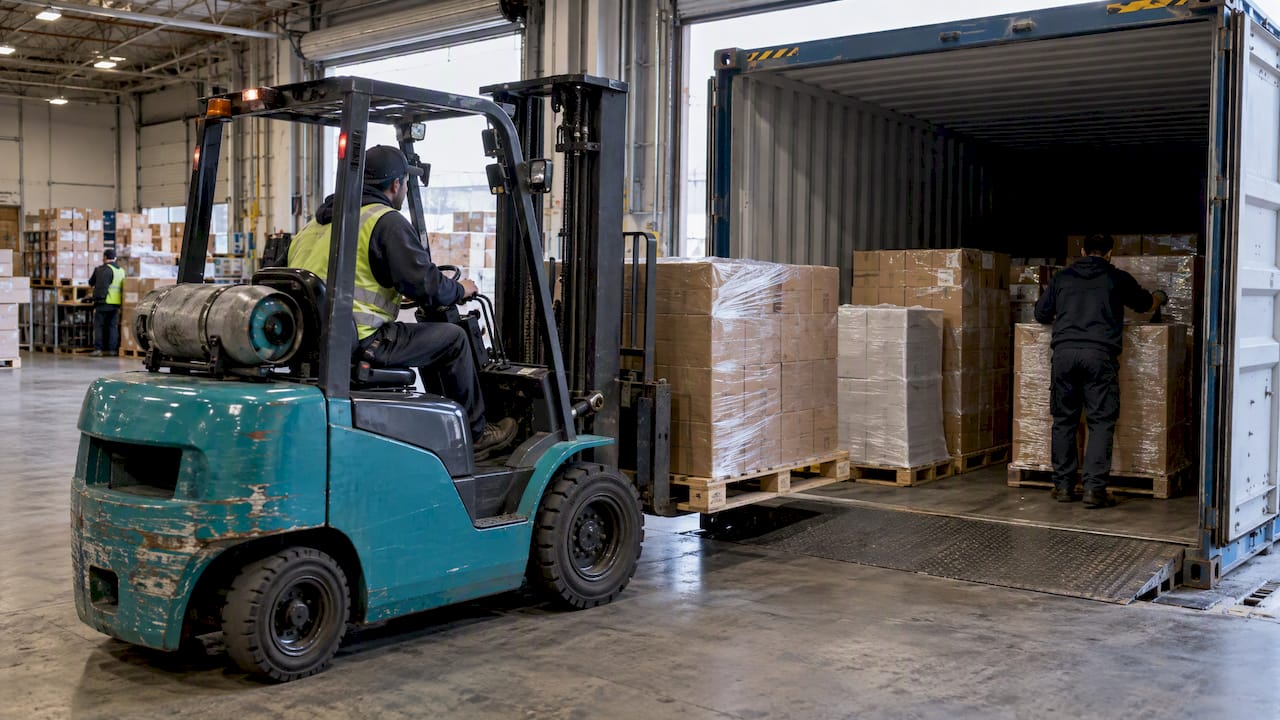
Almost half of American ecommerce businesses report challenges when taking their first steps into international shipping. As global demand surges, unlocking new revenue means looking beyond local borders and mastering export rules. This guide walks American retailers and wholesalers through the essential phases—from measuring export readiness and assembling documentation to choosing markets, building a reliable shipping system, and verifying export operations—helping you set a solid foundation for global success.
Table of Contents
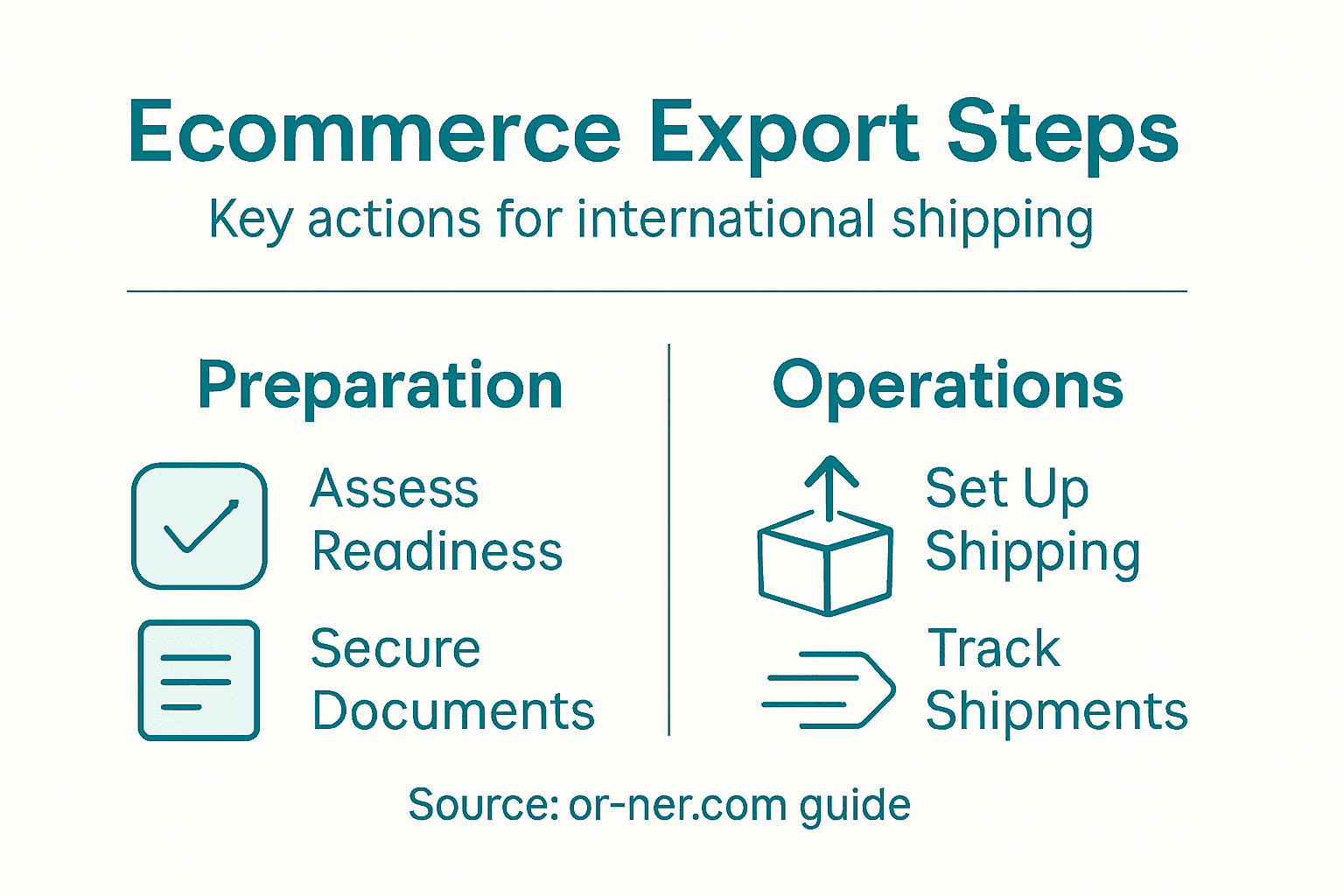
- Step 1: Assess Export Readiness And Secure Documentation
- Step 2: Identify Markets And Comply With Regulations
- Step 3: Set Up Reliable Shipping And Courier Services
- Step 4: Integrate Fulfillment And Inventory Solutions
- Step 5: Verify Export Operations And Track Shipments
Quick Summary
| Key Point | Explanation |
|---|---|
| 1. Assess Export Readiness Thoroughly | Conduct an export readiness assessment to identify strengths and gaps in your business operations. |
| 2. Secure Essential Documentation | Compile necessary export documents like permits and certifications to ensure compliance and access to global markets. |
| 3. Research Target Markets Carefully | Analyze economic and regulatory conditions of potential markets to make informed export decisions. |
| 4. Establish Reliable Shipping Solutions | Select and integrate trustworthy courier services to optimize international shipping logistics. |
| 5. Track Shipments and Verify Compliance | Use robust tracking systems to ensure exports comply with legal requirements and maintain transparency. |
Step 1: Assess Export Readiness and Secure Documentation
Starting your international ecommerce export journey requires a strategic approach to assessing your business readiness and gathering the right documentation. The initial phase involves a comprehensive evaluation of your company’s capacity to successfully engage in cross border trade.
Begin by conducting a thorough export readiness assessment. This diagnostic process examines critical aspects of your business including sales strategies, distribution channels, product competitiveness, financial preparedness, and management commitment. The goal is to identify potential gaps and strengths before launching into international markets. Key areas to scrutinize include your product’s global market potential, your team’s export experience, financial stability, and regulatory compliance capabilities.
Securing the appropriate export documentation is your next critical step. For regulated products like human drugs, you will need to obtain specific certifications from regulatory bodies. This typically involves registering your facility, submitting detailed product documentation, and ensuring compliance with industry standards. Carefully compile documentation such as product labels, approval letters, manufacturing practice certificates, and any required export permits specific to your product category.
Here’s a summary of key export documentation types and their business impact:
| Document Type | Purpose | Business Impact |
|---|---|---|
| Export Permit | Legal authorization for shipping abroad | Enables access to global markets |
| Manufacturing Practice Cert. | Verifies production quality standards | Builds buyer trust and compliance |
| Product Label | Provides product info and regulatory data | Supports customs clearance |
| Approval Letter | Certifies product meets regulations | Lowers regulatory risk and delays |
Pro tip: Create a comprehensive documentation checklist early in your export planning to streamline the certification process and avoid potential delays.
Step 2: Identify Markets and Comply with Regulations
Expanding your ecommerce business internationally requires careful market selection and rigorous regulatory compliance. This step involves strategically identifying potential global markets while ensuring strict adherence to complex export regulations.
Carefully research potential target markets by analyzing economic indicators, consumer behavior, and regulatory landscapes. You will need to systematically screen potential markets using tools like the Consolidated Screening List to verify compliance with U.S. export regulations. Understanding the legal framework is critical, as U.S. export laws encompass multiple regulatory systems including the Export Administration Regulations (EAR) and International Traffic in Arms Regulations (ITAR).
Evaluate each potential market through a comprehensive lens that considers multiple dimensions. This includes analyzing trade barriers, tariff structures, cultural market readiness, consumer purchasing power, and specific regulatory requirements for your product category. Pay special attention to screening potential buyers and intermediaries against government restricted party lists to prevent prohibited transactions and maintain legal compliance.
Pro tip: Create a detailed compliance checklist for each target market that tracks specific regulatory requirements and updates in real time to minimize potential export risks.
Step 3: Set Up Reliable Shipping and Courier Services
Establishing a robust shipping infrastructure is crucial for your international ecommerce success. This step involves creating a strategic approach to selecting and integrating reliable courier services that can support your global sales operations.
Begin by understanding the complex landscape of international shipping. Air cargo logistics require specialized knowledge of global transportation networks, shipping speed requirements, and regulatory compliance. Your goal is to develop a shipping strategy that balances cost effectiveness with reliable delivery times. Research multiple courier services, comparing their international reach, tracking capabilities, customs clearance expertise, and pricing structures.

Integrate your shipping operations with electronic reporting systems like the U.S. Customs and Border Protection’s Automated Commercial Environment (ACE). This digital platform streamlines documentation processes and ensures your shipments meet federal compliance standards. Prioritize courier services that offer real time tracking, comprehensive insurance options, and experience with cross border ecommerce shipping. Pay close attention to each potential courier’s performance metrics, including delivery speed, package handling procedures, and their ability to navigate complex international shipping regulations.
Pro tip: Negotiate volume based shipping rates with multiple courier services to create a flexible and cost effective shipping network that can adapt to changing international market demands.
Step 4: Integrate Fulfillment and Inventory Solutions
Successful international ecommerce relies on sophisticated inventory management and efficient fulfillment strategies. This critical step involves creating a robust system that seamlessly connects your product inventory with global shipping and customer delivery expectations.
Select the most appropriate fulfillment models for your business, which might include distribution centers, dark stores, or crowdsourced warehousing. Your goal is to develop an agile inventory system that can rapidly respond to fluctuating international market demands. Consider factors such as geographic distribution, shipping speed, storage costs, and technological integration capabilities when evaluating different warehouse and fulfillment options.
This table compares different fulfillment models for international ecommerce:
| Fulfillment Model | Main Advantage | Potential Challenge | Best For |
|---|---|---|---|
| Distribution Center | Centralized inventory control | Higher fixed costs | Large product volume |
| Dark Store | Fast last-mile shipping | Area coverage limitations | Urban, high-demand areas |
| Crowdsourced Ware. | Flexible, low upfront cost | Variable service quality | Small, agile ecommerce firms |
Implement a comprehensive inventory management system that provides real time tracking, accurate stock levels, and seamless data flow across multiple sales channels. Prioritize solutions that offer automated reordering, predictive stock level analytics, and integration with your existing ecommerce platforms. Your inventory system should enable precise tracking of product quantities, support multichannel sales, and provide instant visibility into stock availability to prevent overselling or stockouts.
Pro tip: Invest in inventory management software that offers multichannel synchronization and automated reporting to reduce manual tracking errors and improve operational efficiency.
Step 5: Verify Export Operations and Track Shipments
Effective export management demands robust tracking and verification systems that provide comprehensive visibility into your international shipping activities. This critical stage ensures your shipments comply with regulatory requirements and maintain operational transparency.
Utilize the Automated Commercial Environment to electronically submit and monitor your export shipment data. This sophisticated system enables real time tracking, automated compliance alerts, and comprehensive reporting across domestic and international borders. Implement a detailed verification process that includes validating shipping documentation, confirming product classifications, and ensuring all export declarations accurately reflect your shipment contents and destinations.
Develop a comprehensive tracking strategy that integrates multiple data sources and provides end to end visibility of your international shipments. Monitor key performance indicators such as transit times, customs clearance status, and delivery confirmation. Cross reference your shipping data with official trade resources to validate your export operations and maintain accurate records for potential future audits or strategic planning.
Pro tip: Create a centralized digital dashboard that aggregates shipment tracking information from multiple carriers to streamline your export verification process and reduce manual tracking efforts.
Streamline Your Export Journey with Reliable Courier Services
Starting your ecommerce export journey involves navigating complex shipping logistics, securing legal documentation, and managing inventory across borders. The challenge lies in finding dependable partners who provide visibility, compliance, and flexibility. As outlined in the guide, ensuring fast last-mile delivery, comprehensive customs clearance, and accurate shipment tracking are critical for success. Many sellers struggle with delayed shipments and unclear status updates, which place customer satisfaction and brand reputation at risk.
At or-ner.com, we understand these pain points and offer end-to-end solutions to simplify every export step. Our platform connects you with reliable courier services experienced in cross-border ecommerce. Benefit from integrated shipment tracking, automated customs documentation, and scalable warehousing tailored to your product category. Whether you need streamlined freight booking or inventory management with real-time insights, our tools empower your global sales with precision and speed.
Get ahead in the competitive international market. Visit or-ner.com to access industry-specific logistics designed to keep your export operations compliant, efficient, and customer focused. Start building a trustworthy shipping network today and watch your ecommerce business thrive worldwide.
Frequently Asked Questions
What is an export readiness assessment and how do I conduct one?
An export readiness assessment is a diagnostic process that evaluates your business’s capacity for cross-border trade. To conduct one, analyze key aspects like your sales strategies, distribution channels, and regulatory compliance to identify strengths and gaps before starting your export journey.
What documentation do I need to start exporting?
To start exporting, you’ll need essential documentation such as an export permit, manufacturing practice certificates, product labels, and approval letters. Compile these documents to ensure compliance and streamline the certification process, ideally within 30 days of planning.
How can I identify the right markets for my products?
Identify potential markets by researching economic indicators, consumer behaviors, and regulatory requirements. Utilize tools like the Consolidated Screening List and create a market analysis report to narrow down viable options quickly.
What shipping strategies should I consider for international ecommerce?
When setting up shipping for international ecommerce, focus on selecting reliable courier services that balance cost and speed. Research various options and negotiate volume-based rates to create a flexible shipping network that meets your global delivery needs.
How can I manage my inventory for export effectively?
Effective inventory management can be achieved by implementing an automated system that provides real-time tracking and stock level analytics. Choose fulfillment models that align with your product demand, and ensure your system can adapt to changes in market dynamics to avoid overselling or stockouts.
How do I track my international shipments and ensure compliance?
To track international shipments effectively, use an electronic system like the Automated Commercial Environment for real-time updates and compliance alerts. Develop a tracking strategy that combines multiple data sources to maintain visibility and validate your export operations throughout the shipping process.
Recommended
- What Is Freight Forwarding? Guide for Modern Supply Chains 2025 – ORNER
- Top Benefits of Freight Forwarding for Growing Businesses 2025 – ORNER
- Documentation for Exports: Ensuring Reliable Courier Services – ORNER
- Global Trade Compliance: Streamlining Cross-Border Shipping – ORNER
- Cum optimizez un magazin online pentru Google? | e Timpul SEO