

More than 60 percent of american companies now consider environmental impact when planning their supply chains. As concerns about climate change grow, businesses across the United States are rethinking how goods move from warehouses to doorstep. Understanding green logistics strategies offers a fresh perspective on making operations cleaner and smarter, empowering both established corporations and newcomers to stay ahead while meeting growing demands for sustainability.
Table of Contents
- Defining Green Logistics Strategies And Principles
- Types Of Green Logistics Solutions For Ecommerce
- Key Technologies Driving Sustainable Operations
- Financial And Operational Implications For Businesses
- Compliance, Risks, And Industry Best Practices
Key Takeaways
| Point | Details |
|---|---|
| Green Logistics Focus | Green logistics prioritizes environmental sustainability alongside operational efficiency in supply chain management. |
| Key Components | Strategies include carbon footprint reduction, resource optimization, and integrating renewable energy. |
| Technological Innovations | Advanced analytics, electric vehicle technologies, and IoT solutions are crucial for enhancing green logistics practices. |
| Financial Benefits | Implementing sustainable logistics can lead to cost savings, improved brand reputation, and access to environmentally conscious markets. |
Defining Green Logistics Strategies and Principles
Green logistics represents a transformative approach to supply chain management that prioritizes environmental sustainability while maintaining operational efficiency. At its core, green logistics seeks to minimize the ecological footprint of transportation, warehousing, and distribution processes through strategic design and innovative practices.
The fundamental principles of green logistics encompass multiple interconnected dimensions. These include reducing carbon emissions, optimizing transportation routes, implementing energy-efficient technologies, and minimizing waste throughout the logistics cycle. Sustainable logistics solutions have evolved from optional strategies to critical business imperatives as companies recognize their environmental responsibilities.
Comprehensive green logistics strategies typically involve several key components:
- Carbon Footprint Reduction: Implementing low-emission transportation methods
- Resource Optimization: Designing more efficient packaging and transportation routes
- Renewable Energy Integration: Utilizing clean energy sources in warehousing and transportation
- Circular Economy Principles: Developing reverse logistics and recycling frameworks
Researchers have developed sophisticated evaluation frameworks to assess green logistics performance. A notable approach includes developing unified performance indices that measure environmental impact across multiple operational categories. These indices help organizations quantify their sustainability efforts and identify areas for continuous improvement.
Successful green logistics is not just about environmental stewardship but also represents a strategic business advantage. By reducing energy consumption, minimizing waste, and implementing circular economy principles, companies can simultaneously lower operational costs and enhance their brand reputation in an increasingly eco-conscious marketplace.
Types of Green Logistics Solutions for Ecommerce
Ecommerce businesses are increasingly adopting sophisticated green logistics solutions to minimize their environmental impact while maintaining operational efficiency. These strategies go beyond simple cost-cutting measures and represent a comprehensive approach to sustainable supply chain management that addresses both ecological and economic considerations.
Green logistics strategies encompass a wide range of innovative approaches designed to reduce carbon emissions and optimize resource utilization. Key solutions include:
- Eco-friendly Transportation Methods
- Electric and hybrid delivery vehicles
- Route optimization software
- Consolidated shipping techniques
- Sustainable Packaging Solutions
- Biodegradable packaging materials
- Minimal packaging designs
- Recyclable shipping containers
- Advanced Warehousing Techniques
- Energy-efficient warehouse infrastructure
- Solar panel installations
- Smart inventory management systems
The integration of green logistics practices extends beyond individual strategies to create comprehensive sustainability frameworks. Ecommerce companies are now implementing holistic approaches that consider the entire logistics ecosystem, from initial product sourcing to final delivery and potential product returns.
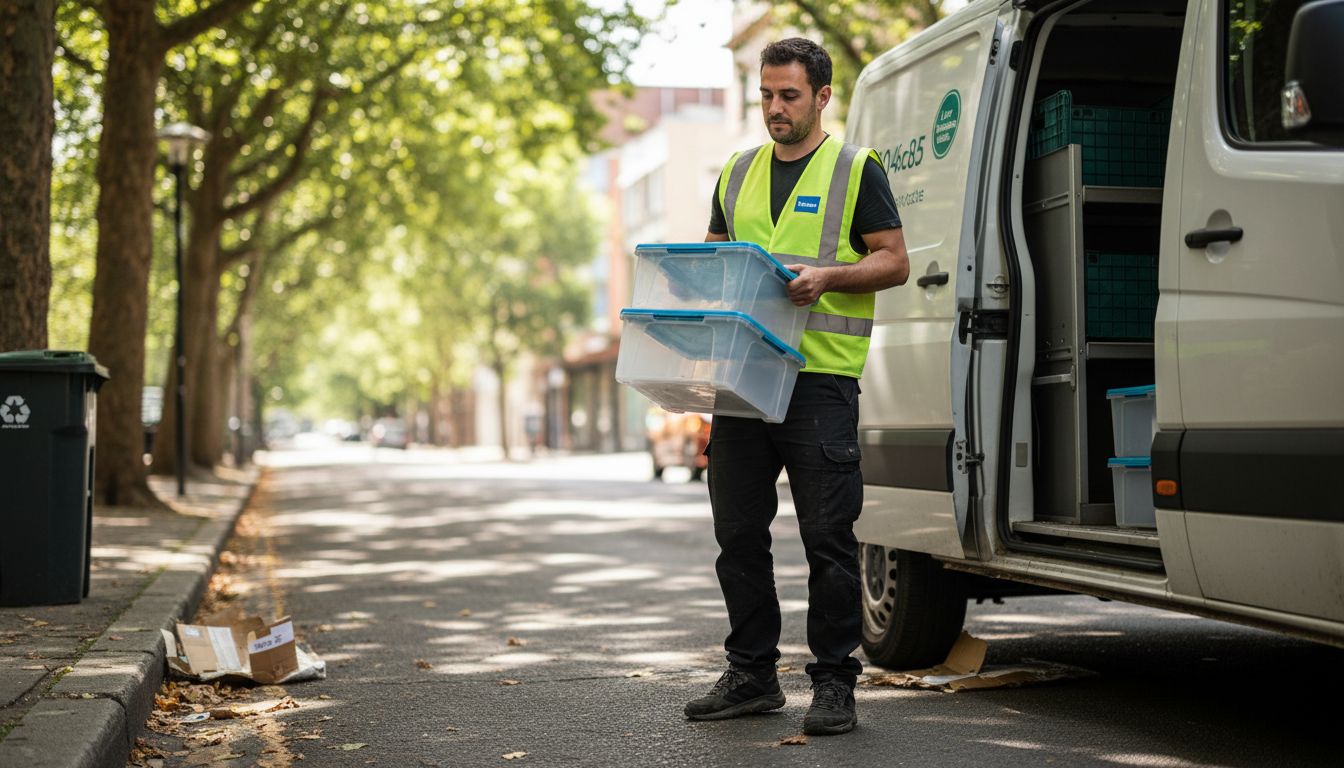
Technology plays a crucial role in enabling these green logistics solutions. Advanced analytics, artificial intelligence, and machine learning algorithms help businesses optimize transportation routes, predict demand more accurately, and significantly reduce unnecessary resource consumption. By embracing these innovative technologies, ecommerce businesses can simultaneously reduce their environmental footprint and create more efficient, cost-effective logistics operations.
Key Technologies Driving Sustainable Operations
Sustainable logistics operations are being revolutionized by cutting-edge technologies that transform traditional supply chain processes into intelligent, eco-friendly systems. AI-based methodologies are at the forefront of this technological revolution, enabling businesses to dramatically reduce environmental impact while simultaneously improving operational efficiency.
Key technological innovations driving sustainable logistics include:
- Advanced Analytics and Machine Learning
- Predictive route optimization
- Real-time carbon emission tracking
- Demand forecasting algorithms
- Electric Vehicle Technologies
- Battery optimization systems
- Smart charging infrastructure
- Fleet management software
- Internet of Things (IoT) Solutions
- Sensor-based monitoring systems
- Energy consumption tracking
- Real-time logistics performance analysis
Multi-echelon electric vehicle logistics systems represent a particularly promising technological approach to sustainable operations. These systems address critical challenges such as battery constraints and strategic placement of recharging stations, enabling more efficient and environmentally friendly urban delivery networks.
Digital transformation in logistics is not just about implementing new technologies but fundamentally reimagining how logistics operations can become more sustainable. By integrating artificial intelligence, machine learning, and advanced sensor technologies, businesses can create more responsive, efficient, and environmentally conscious supply chains that minimize waste, reduce carbon emissions, and optimize resource utilization.
Financial and Operational Implications for Businesses
Businesses implementing green logistics strategies encounter a complex landscape of financial and operational transformations that extend far beyond traditional cost considerations. Green logistics evaluation tools have emerged as critical mechanisms for quantifying the multifaceted impacts of sustainable logistics practices.
Key financial implications include:
- Direct Cost Considerations
- Initial technology investment costs
- Long-term operational efficiency gains
- Reduced energy consumption expenses
- Indirect Financial Benefits
- Enhanced brand reputation
- Potential tax incentives
- Access to environmentally conscious consumer markets
- Risk Mitigation Strategies
- Reduced carbon taxation exposure
- Compliance with emerging environmental regulations
- Minimized future transition costs
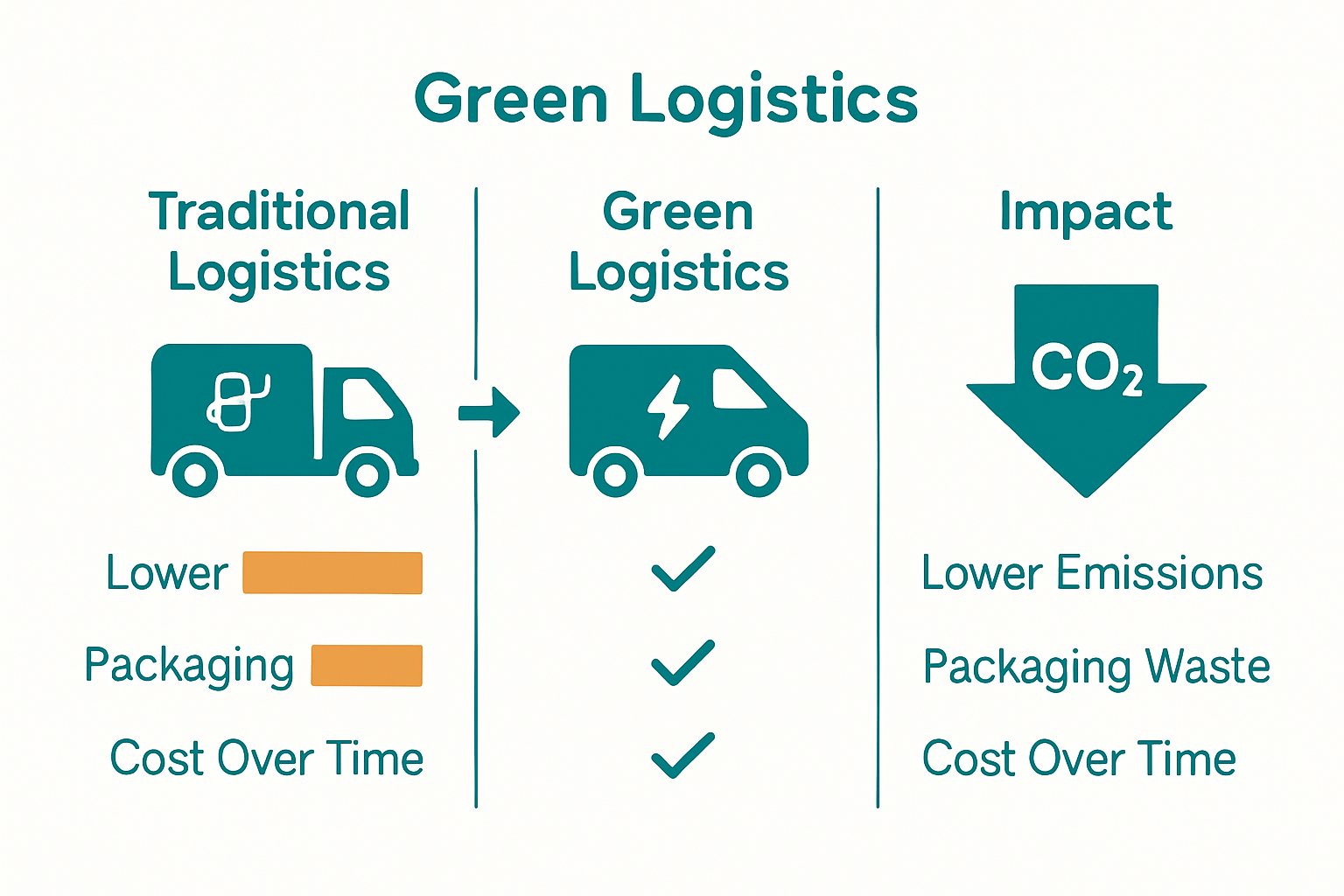
Corporate sustainability strategies demonstrate that green logistics is not merely an environmental imperative but a strategic business opportunity. Businesses that proactively integrate sustainable practices can unlock significant competitive advantages, including improved operational resilience, reduced waste, and more efficient resource allocation.
Benefits of freight forwarding become particularly pronounced when combined with green logistics approaches. By leveraging advanced technologies and sustainable practices, companies can transform traditional logistics cost centers into strategic value generators that simultaneously reduce environmental impact and drive bottom-line performance.
Compliance, Risks, and Industry Best Practices
Navigating the complex landscape of green logistics requires businesses to develop robust strategies that balance regulatory compliance, risk management, and sustainable operational practices. Green logistics evaluation tools have emerged as critical mechanisms for businesses to systematically assess and mitigate potential risks associated with sustainability initiatives.
Key compliance and risk management considerations include:
- Regulatory Compliance
- Carbon emission reporting requirements
- Environmental protection standards
- International shipping regulations
- Risk Mitigation Strategies
- Proactive environmental impact assessments
- Supply chain transparency protocols
- Continuous performance monitoring
- Legal and Financial Safeguards
- Compliance documentation systems
- Environmental liability protection
- Sustainable procurement guidelines
Corporate sustainability strategies highlight the importance of holistic approaches that integrate environmental considerations into core business operations. Organizations must move beyond mere compliance to develop comprehensive frameworks that anticipate regulatory changes and potential environmental challenges.
Just in time delivery practices play a crucial role in enhancing both compliance and operational efficiency. By implementing dynamic, data-driven logistics strategies, businesses can simultaneously reduce environmental risks, optimize resource utilization, and maintain regulatory alignment across increasingly complex global supply chains.
Unlock Seamless Green Logistics with Reliable Courier Services
Ecommerce businesses face the growing challenge of adopting green logistics strategies that reduce carbon emissions, optimize resource use, and integrate circular economy principles without sacrificing efficiency. Managing eco-friendly transportation, sustainable packaging, and real-time shipment tracking can feel overwhelming. This is where trusted logistics partners make a difference by transforming your sustainability goals into actionable, cost-saving operations.
Leverage reliable courier services designed to support your green logistics initiatives with advanced route optimization and energy-efficient delivery methods. With or-ner.com, you gain access to a global network of warehouses and fulfillment centers offering scalable solutions that enhance your environmental stewardship and operational resilience. Take the next step to simplify your sustainable supply chain by visiting or-ner.com and discover how we help ecommerce sellers integrate technology-driven, eco-conscious logistics effortlessly.
Frequently Asked Questions
What are the key principles of green logistics?
The key principles of green logistics include reducing carbon emissions, optimizing transportation routes, implementing energy-efficient technologies, and minimizing waste throughout the logistics cycle.
How can ecommerce businesses implement sustainable packaging solutions?
Ecommerce businesses can adopt sustainable packaging solutions by using biodegradable materials, designing minimal packaging, and utilizing recyclable shipping containers to reduce their environmental impact.
What technologies are driving green logistics in ecommerce?
Key technologies driving green logistics in ecommerce include advanced analytics, machine learning for predictive route optimization, electric vehicle technologies, and IoT solutions for monitoring energy consumption and logistics performance.
What are the financial implications of adopting green logistics?
Adopting green logistics can lead to direct cost savings through reduced energy consumption, enhanced brand reputation, potential tax incentives, and lower long-term operational expenses, while also mitigating risks associated with environmental regulations.
Recommended
- What Is Freight Forwarding? Guide for Modern Supply Chains 2025 – ORNER
- Just in Time Delivery: Essential Guide for 2025 Success – ORNER
- Top Benefits of Freight Forwarding for Growing Businesses 2025 – ORNER
- What Is Same Day Delivery? 2025 Guide for Online Retailers – ORNER
- Sustainable Fragrance Production: The Future of UK Scents