Did you know that freight consolidation can cut shipping costs by up to 25 percent for many businesses? As companies juggle rising transportation expenses and growing customer demands, finding smarter ways to move goods becomes crucial. Freight consolidation strategies offer a practical solution by combining several smaller shipments into one efficient load, helping businesses save money, use resources better, and reduce their environmental impact.
Table of Contents
- Defining Freight Consolidation Strategies
- Main Types And Methods Of Consolidation
- How Freight Consolidation Processes Work
- Advantages For Ecommerce And Retail Logistics
- Cost Implications And Common Pitfalls
Key Takeaways
| Point | Details |
|---|---|
| Cost Savings | Freight consolidation reduces transportation expenses by combining multiple shipments into full truckloads, enhancing overall efficiency. |
| Environmental Benefits | This strategy lowers carbon emissions by minimizing the number of trips required for deliveries, contributing to more sustainable logistics. |
| Operational Efficiency | Consolidation methods such as cross-docking and order consolidation streamline logistics, allowing businesses to optimize resource utilization. |
| Planning and Coordination | Successful implementation necessitates careful route analysis, strong partnerships, and advanced tracking systems to ensure seamless integration of shipments. |
Defining Freight Consolidation Strategies
Freight consolidation represents a strategic logistics approach that transforms how businesses manage shipping operations. According to research from the National Institute for Cargo Routing, this method combines multiple Less Than Truckload (LTL) shipments from different companies into a single, full truckload shipment, dramatically reducing transportation costs and improving operational efficiency.
At its core, freight consolidation is about maximizing transportation resources. Understand the basics of freight consolidation by recognizing how it allows businesses to optimize shipping capacity. When multiple smaller shipments are combined, logistics firms can better utilize available space in trucks, ships, or aircraft. This approach offers several key advantages:
- Reduced transportation expenses
- Increased asset efficiency
- Lower carbon emissions from fewer trips
- More flexible shipping options for businesses
The strategic benefits extend beyond immediate cost savings. By aggregating shipments from different suppliers or clients traveling in similar geographical routes, companies can create more economical and environmentally responsible shipping solutions. Research indicates that cargo consolidation can significantly reduce the number of trips needed to deliver the same product volume, making it a smart choice for businesses looking to streamline their logistics operations.
Implementing freight consolidation requires careful planning and coordination. Businesses must analyze shipping routes, partner with compatible shipping partners, and develop robust tracking systems to ensure seamless integration of multiple shipments. The ultimate goal is creating a more intelligent, cost-effective approach to moving goods across local, national, and international markets.
Main Types and Methods of Consolidation
Freight consolidation encompasses multiple strategic approaches designed to optimize shipping efficiency and reduce transportation costs. According to research from the Supply Chain and Logistics Institute, businesses can leverage several distinct consolidation methods to streamline their logistics operations.
Cargo Consolidation represents the primary method where multiple Less Than Truckload (LTL) shipments from different clients are combined into a single, full truckload shipment. Learn more about our freight consolidation strategies to understand how this approach maximizes transportation resources. The key types of consolidation include:
Here’s a comparison of the main freight consolidation methods and their key features:
| Consolidation Method | How It Works | Key Benefits |
|---|---|---|
| Order Consolidation | Combines multiple orders from one region | Improved shipping efficiency Reduced costs |
| Supplier Consolidation | Merges shipments from various suppliers to one location | Better rates Lower expenses |
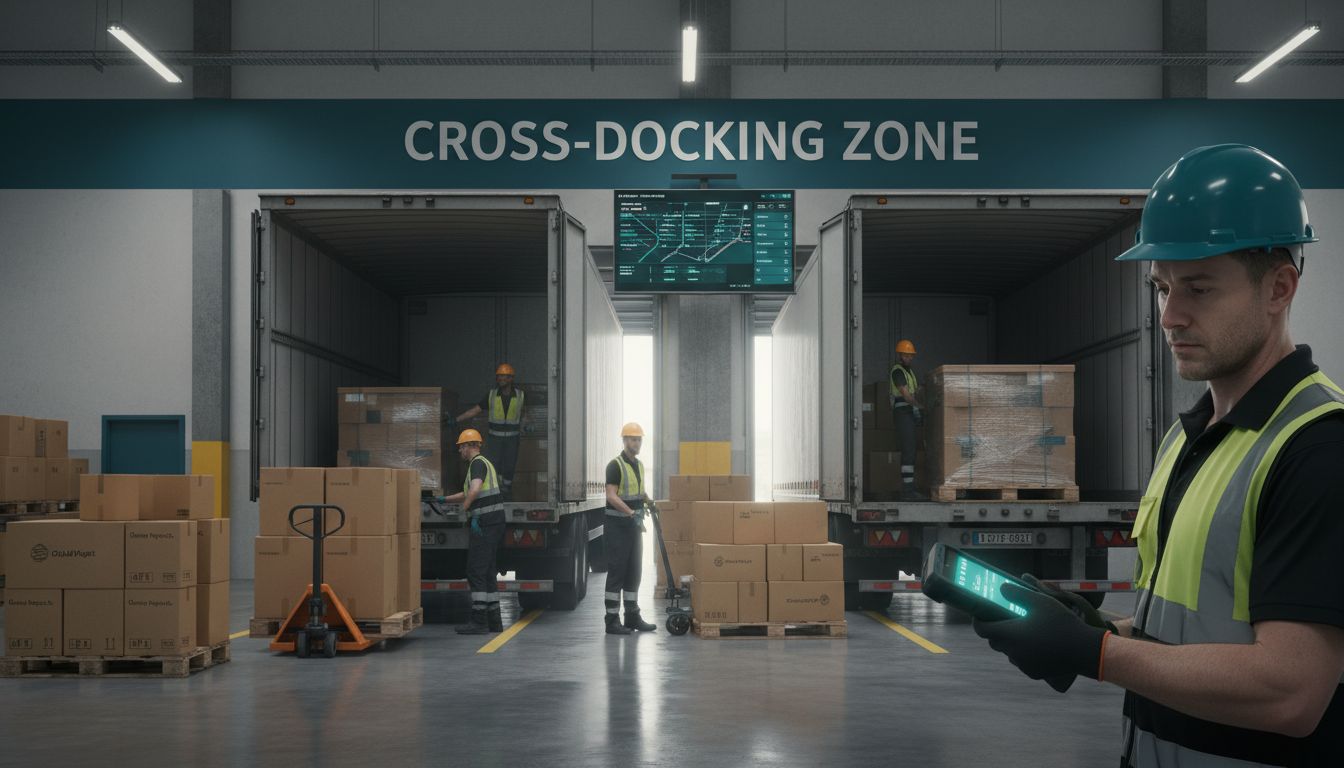
| Cross-Docking | Transfers goods directly between vehicles, minimal storage | Faster delivery Lower inventory costs |
| Consolidation Center Method | Stores goods until sufficient volume for transport | Maximized truckload Fewer shipments needed |
- Order Consolidation: Grouping multiple customer orders from the same region into one shipment
- Supplier Consolidation: Combining shipments from multiple suppliers heading to the same destination
- Cross-Docking: Transferring products directly between transportation vehicles with minimal storage time
- Consolidation Center Method: Temporarily storing goods until sufficient volume is achieved for efficient shipping
Each consolidation method offers unique advantages for businesses seeking to optimize their logistics.
For instance, cross-docking allows for rapid product transfer, reducing warehousing costs and minimizing inventory holding time. Supplier consolidation enables companies to negotiate better shipping rates by increasing shipment volume and reducing individual transportation expenses.
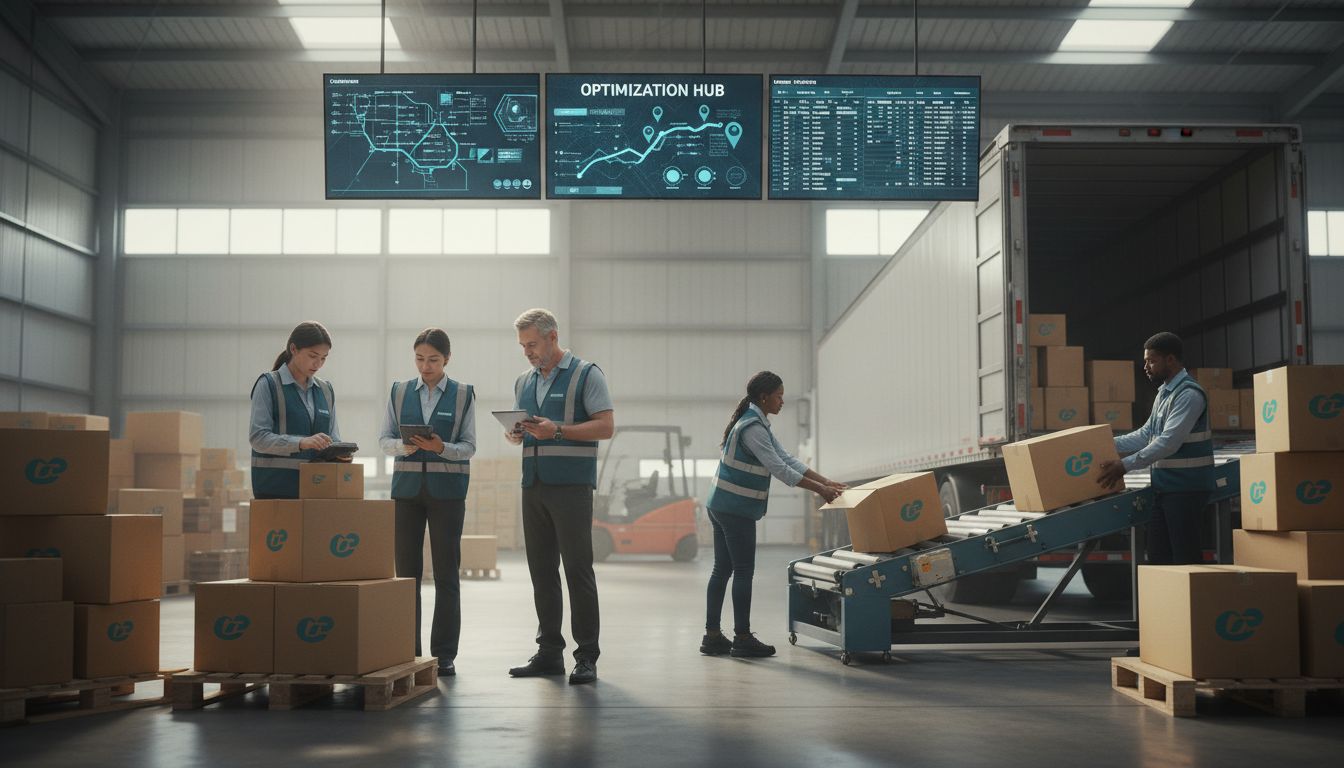
Implementing these consolidation strategies requires sophisticated logistics planning. Companies must analyze shipping patterns, develop robust tracking systems, and establish strong partnerships with compatible shipping providers. The ultimate goal remains consistent: creating a more efficient, cost-effective, and environmentally responsible approach to moving goods across various transportation networks.
How Freight Consolidation Processes Work
Freight consolidation transforms complex shipping logistics into an efficient, cost-effective process. According to research from the Massachusetts Institute of Technology’s Center for Transportation and Logistics, this intricate methodology involves sophisticated techniques that maximize transportation efficiency and reduce overall shipping expenses.
The process typically unfolds through several strategic stages.
Explore the benefits of freight forwarding to understand how these complex systems operate. Key steps in the freight consolidation process include:
- Collecting multiple smaller shipments from different suppliers or customers
- Temporarily storing goods at a consolidation center or warehouse
- Analyzing and clustering shipments based on destination and route optimization
- Combining shipments into a single, full-capacity transportation load
- Routing the consolidated shipment to its final destination
Advanced mathematical approaches play a crucial role in optimizing these processes. Researchers have developed sophisticated methodologies like set-covering formulations and column generation techniques that help identify the most efficient consolidation opportunities. These approaches allow logistics managers to strategically combine shipments, increasing truck utilization and dramatically reducing transportation costs.
Successful freight consolidation requires precision and advanced planning. Logistics teams must carefully analyze shipping patterns, develop robust tracking systems, and leverage technology to ensure seamless integration of multiple shipments. The ultimate goal remains creating a more intelligent shipping strategy that balances cost-effectiveness, environmental responsibility, and operational efficiency across complex transportation networks.
Advantages for Ecommerce and Retail Logistics
Freight consolidation has become a game-changing strategy for ecommerce and retail logistics, offering transformative benefits that directly impact bottom-line performance. According to research from Georgia Tech’s Supply Chain Research Center, retailers can achieve significant operational improvements through strategic shipment consolidation approaches.
Explore ecommerce logistics insights to understand how consolidation creates tangible advantages for modern businesses. The key benefits for ecommerce and retail logistics include:
- Dramatic reduction in transportation costs
- Enhanced delivery speed and reliability
- Improved inventory management efficiency
- Reduced carbon emissions and environmental impact
- Greater flexibility in shipping routes and schedules
For retailers dealing with time-sensitive or perishable products, consolidation strategies offer particularly powerful advantages. By optimizing shipment routes and combining multiple smaller loads, businesses can dramatically reduce transportation expenses while simultaneously improving delivery performance. This approach allows companies to better manage inventory levels, reduce wastage, and maintain more consistent supply chain operations.
Ultimately, freight consolidation represents more than just a cost-saving mechanism. It’s a sophisticated logistics strategy that enables ecommerce businesses to create more responsive, sustainable, and efficient supply chains. By leveraging advanced routing technologies and strategic planning, companies can transform their logistics from a simple operational necessity into a competitive advantage that directly enhances customer satisfaction and business growth.
Cost Implications and Common Pitfalls
Freight consolidation presents a complex landscape of financial opportunities and potential challenges that businesses must carefully navigate. According to research from leading logistics studies, while the strategy offers significant cost savings, it simultaneously introduces a nuanced set of financial and operational considerations.
Understand third-party logistics advantages to gain deeper insights into managing these intricate consolidation processes. The primary cost implications and potential pitfalls include:
- Potential delivery time extensions
- Increased complexity in logistics coordination
- Risk of shipment damage during multiple handling stages
- Additional administrative and planning expenses
- Penalties for mismanaged consolidation processes
The financial calculus of freight consolidation requires meticulous strategic planning. While businesses can achieve substantial transportation cost reductions, they must simultaneously manage the risk of extended delivery times and potential penalties associated with complex logistics coordination. Successful implementation demands robust tracking systems, reliable consolidation partners, and sophisticated real-time communication protocols.
Ultimately, the key to maximizing freight consolidation benefits lies in proactive risk management. Companies must develop comprehensive strategies that balance cost savings with operational reliability, carefully selecting consolidation partners, implementing advanced tracking technologies, and maintaining flexible logistics frameworks that can adapt to unexpected challenges in the shipping ecosystem.
Maximize Your Freight Consolidation Success with Reliable Courier Services
Navigating the complexities of freight consolidation requires more than just a basic shipping plan. The challenges of coordinating multiple shipments, optimizing routes, and managing delivery schedules call for a dependable logistics partner that understands your specific needs. Your goal is clear: reduce transportation costs while enhancing operational efficiency without compromising delivery speed or reliability. Terms like “cross-docking” and “consolidation center method” highlight the sophisticated strategies you can leverage, but only if supported by the right tools and services.
Take control of your freight consolidation journey today by partnering with a platform designed specifically for ecommerce sellers and businesses seeking reliable courier services. At or-ner.com, you gain access to seamless freight booking, real-time shipment tracking, and end-to-end support optimized for complex logistics demands. Unlock smarter shipment routing and inventory management solutions to reduce delays and avoid common pitfalls outlined in freight consolidation strategies. Do not let coordination challenges hold back your supply chain performance. Explore how our comprehensive fulfillment services can drive cost savings and operational excellence now at https://or-ner.com.
Frequently Asked Questions
What is freight consolidation?
Freight consolidation is a logistics strategy that combines multiple smaller shipments from different businesses into a single, full truckload shipment, reducing transportation costs and enhancing operational efficiency.
What are the main types of freight consolidation methods?
The primary types of freight consolidation methods include Order Consolidation, Supplier Consolidation, Cross-Docking, and the Consolidation Center Method, each aimed at optimizing shipping efficiency and reducing costs.
How does the freight consolidation process work?
The freight consolidation process typically involves collecting smaller shipments, temporarily storing them, analyzing shipment patterns, combining them into full loads, and then routing the consolidated shipments to their final destination.
What benefits does freight consolidation offer to ecommerce and retail businesses?
Freight consolidation provides ecommerce and retail businesses with reduced transportation costs, enhanced delivery speed and reliability, improved inventory management efficiency, and decreased environmental impact through fewer shipments.
Recommended
- Top Benefits of Freight Forwarding for Growing Businesses 2025 – ORNER
- What Is Freight Forwarding? Guide for Modern Supply Chains 2025 – ORNER
- What is Freight Consolidation? Understanding the Basics – ORNER
- Understanding Freight Consolidation Meaning for Businesses – ORNER
- How to Reduce Packaging Waste: A Practical Guide for 2025 – Spaceman
- Bulky Waste Removal Tips for UK Businesses in 2025 – Venture Waste