
More than 60 percent of American businesses rely on effective fleet management to keep their operations running smoothly. For any organization managing a mix of vehicles, the process is about much more than tracking cars or trucks. Strong fleet management systems help companies stay compliant, safe, and efficient, turning vehicles into valuable assets. Knowing how these tools and strategies shape daily outcomes is crucial for anyone who aims to lower costs and improve results.
Table of Contents
- Defining Fleet Management And Core Functions
- Types Of Fleet Vehicles And Operations
- Key Technologies In Fleet Management
- Legal, Safety, And Compliance Requirements
- Cost Factors And Common Industry Challenges
Key Takeaways
| Point | Details |
|---|---|
| Comprehensive Fleet Management | Involves strategic oversight of transportation assets to reduce costs and enhance efficiency, safety, and compliance. |
| Diverse Vehicle Types | Fleet vehicles range from delivery vans to specialized response units, tailored to meet specific operational needs. |
| Technological Integration | Incorporating advanced technologies like telematics and IoT improves asset tracking, compliance, and predictive maintenance. |
| Cost Management | Effective fleet management requires careful control of key expenses, including acquisition, maintenance, and compliance costs to optimize financial performance. |
Defining Fleet Management and Core Functions
Fleet management is a comprehensive strategic approach that organizations use to control and optimize their vehicle and transportation assets. It represents a critical operational function that goes far beyond simply tracking vehicles, encompassing a complex ecosystem of planning, monitoring, and resource allocation.
At its core, fleet management involves overseeing a company’s transportation assets, which can include diverse vehicle types such as cars, trucks, ships, and aircraft. The primary objectives are multifaceted: reducing operational costs, improving organizational efficiency, enhancing safety protocols, and ensuring strict regulatory compliance.
The essential functions of fleet management can be broken down into several key areas:
- Vehicle Procurement: Strategically selecting and acquiring vehicles that align with organizational needs and budget constraints
- Asset Tracking: Monitoring vehicle location, usage, and performance in real time
- Maintenance Management: Scheduling regular maintenance, tracking repair history, and preventing unexpected breakdowns
- Operational Efficiency: Optimizing routes, fuel consumption, and driver performance
- Compliance Monitoring: Ensuring vehicles meet safety standards and regulatory requirements
- Financial Management: Controlling expenses, managing depreciation, and planning asset replacement cycles
Successful fleet management requires a holistic approach that integrates technology, human expertise, and strategic planning. By implementing robust systems and processes, organizations can transform their transportation assets from mere cost centers into strategic competitive advantages.
Types of Fleet Vehicles and Operations
Fleet vehicles represent a diverse ecosystem of transportation assets that serve various organizational purposes across multiple industries. These vehicle types range from lightweight passenger cars to heavy-duty commercial trucks, each designed to meet specific operational requirements and performance standards.
Commercial transportation sectors utilize an extensive range of vehicle categories. Large organizations maintain complex vehicle fleets that can include:
- Delivery Vehicles: Vans and trucks for package and goods transportation
- Service Vehicles: Specialized trucks for maintenance and repair operations
- Construction Equipment: Heavy machinery and specialized transport trucks
- Utility Vehicles: Work trucks for infrastructure maintenance
- Transportation Vehicles: Buses, shuttles, and passenger transport vehicles
- Specialized Response Vehicles: Emergency and municipal service transportation
Public safety organizations exemplify the nuanced approach to fleet management. Law enforcement agencies, for instance, maintain diverse vehicle configurations that include incident response vehicles, unmarked surveillance cars, armed response units, traffic enforcement vehicles, motorcycles, and specialized collision investigation units.

The strategic selection of fleet vehicles depends on multiple factors: operational requirements, budget constraints, fuel efficiency, maintenance costs, and specific performance capabilities. Modern fleet management increasingly emphasizes environmental sustainability, with many organizations transitioning toward hybrid and electric vehicle technologies to reduce carbon emissions and operational expenses.
Key Technologies in Fleet Management
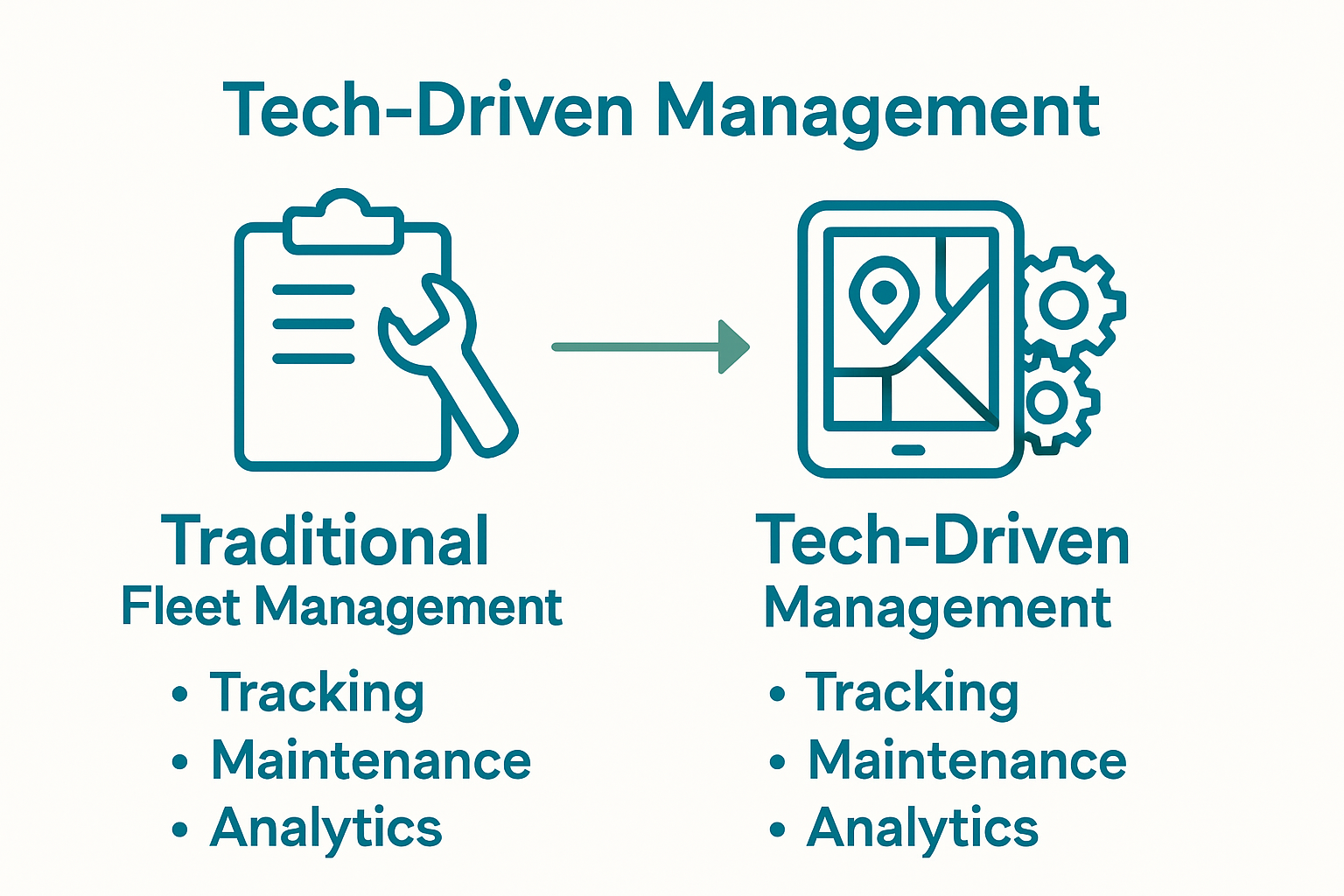
Fleet management technologies have revolutionized how organizations track, monitor, and optimize their transportation assets. Modern technological solutions provide unprecedented visibility and control over complex vehicle operations, transforming traditional management approaches into data-driven, strategic systems.
Telematics and GPS tracking technologies have become fundamental components of sophisticated fleet management. These advanced systems enable real-time monitoring of critical vehicle metrics, including:
- Location Tracking: Precise vehicle positioning and route optimization
- Performance Monitoring: Engine health, fuel consumption, and mechanical diagnostics
- Driver Behavior Analysis: Speed, braking patterns, and compliance with safety protocols
- Predictive Maintenance: Early warning systems for potential mechanical issues
- Compliance Reporting: Automated documentation of regulatory requirements
- Asset Security: Remote tracking and potential theft prevention
The integration of Internet of Things (IoT) devices has further enhanced fleet management capabilities. Advanced software solutions now provide comprehensive insights that go beyond simple tracking, enabling organizations to make data-driven decisions about vehicle utilization, maintenance schedules, and operational efficiency.
Emerging technologies like artificial intelligence and machine learning are transforming fleet management from a reactive to a predictive discipline. These innovations enable organizations to anticipate maintenance needs, optimize routing, reduce operational costs, and enhance overall fleet performance through intelligent, real-time data analysis.
Legal, Safety, and Compliance Requirements
Fleet management compliance represents a critical operational framework that ensures organizations meet rigorous safety, legal, and regulatory standards. The complexity of these requirements demands a comprehensive approach that goes beyond simple rule-following and integrates proactive risk management strategies.
Driver training and certification programs form the foundational cornerstone of fleet safety compliance. These comprehensive initiatives encompass multiple critical elements:
- License Verification: Systematic tracking and validation of driver credentials
- Safety Training: Regular workshops addressing defensive driving techniques
- Behavioral Monitoring: Ongoing assessment of driver performance and risk factors
- Documentation Management: Maintaining accurate and up-to-date driver records
- Regulatory Adherence: Ensuring compliance with local, state, and federal regulations
- Risk Mitigation: Implementing strategies to reduce potential liability
The legal landscape for fleet management involves navigating complex regulatory environments that vary across different jurisdictions. Organizations must implement robust systems to prevent unauthorized vehicle use and maintain strict accountability for their transportation assets. This includes developing comprehensive policies that address vehicle maintenance, driver conduct, and technological safeguards against potential misuse.
Ultimately, successful fleet management requires a holistic approach to compliance that balances operational efficiency with stringent safety protocols. By integrating advanced technologies, comprehensive training programs, and proactive risk management strategies, organizations can create a culture of safety that protects both their assets and their employees.
Cost Factors and Common Industry Challenges
Fleet management economics represent a complex landscape of strategic decision-making and financial optimization. Organizations must navigate a sophisticated ecosystem of expenses, technological investments, and operational constraints that directly impact their bottom line and overall efficiency.
Fleet lifecycle management involves multiple critical cost centers that organizations must carefully analyze and control:
- Vehicle Acquisition: Initial capital investment and long-term financing strategies
- Maintenance Expenses: Preventative and reactive repair costs
- Fuel Consumption: Ongoing operational expenditures and price fluctuations
- Insurance Premiums: Risk management and liability protection
- Technology Integration: Investments in tracking and management systems
- Compliance Costs: Regulatory documentation and safety training expenses
Strategic fleet managers must anticipate and mitigate potential challenges that can dramatically impact operational efficiency. These challenges include managing asset utilization, preventing vehicle theft, controlling maintenance expenses, and optimizing resource allocation across complex transportation networks.
Technology has emerged as a critical solution for addressing many traditional fleet management financial challenges. By implementing advanced analytics, real-time tracking systems, and predictive maintenance technologies, organizations can transform fleet management from a cost center into a strategic competitive advantage, reducing expenses while improving overall operational performance.
Unlock Seamless Fleet Management for Your Ecommerce Business
Managing a fleet is challenging with rising costs, complex compliance requirements, and the need for real-time tracking. From vehicle procurement to maintenance management, the goals of reducing expenses and improving operational efficiency can feel overwhelming. You need solutions that provide full visibility and control while integrating smoothly with your ecommerce operations.
At or-ner.com, we specialize in providing reliable courier services and end-to-end logistics solutions tailored to ecommerce sellers and businesses. Our platform offers real-time shipment tracking, customs clearance, and cross-border logistics that empower you to optimize your fleet management and reduce operational risks. With a global network of warehouses and scalable fulfillment centers, you gain a competitive edge through streamlined workflows and data-driven insights.
Take control of your fleet management challenges today by partnering with or-ner.com. Explore how our comprehensive courier and fulfillment services can help you minimize costs, maximize efficiency, and simplify compliance. Visit or-ner.com now to start transforming your transportation assets into a strategic advantage.
Frequently Asked Questions
What is fleet management?
Fleet management is a strategic approach organizations use to control and optimize their transportation assets, including vehicles like cars, trucks, ships, and aircraft, focusing on reducing costs and improving efficiency.
What are the core functions of fleet management?
Core functions include vehicle procurement, asset tracking, maintenance management, operational efficiency, compliance monitoring, and financial management.
How do technologies like GPS and telematics enhance fleet management?
These technologies provide real-time tracking of vehicle metrics, performance monitoring, and predictive maintenance, allowing organizations to make data-driven decisions about their fleet operations.
What are the main cost factors in fleet management?
Key cost factors include vehicle acquisition, maintenance expenses, fuel consumption, insurance premiums, technology integration, and compliance costs.
Recommended
- What Is Freight Forwarding? Guide for Modern Supply Chains 2025 – ORNER
- Top Benefits of Freight Forwarding for Growing Businesses 2025 – ORNER
- Just in Time Delivery: Essential Guide for 2025 Success – ORNER
- What Is Logistics Management? A 2025 Guide for Retailers – ORNER
- How to Manage Spare Parts for Diesel Injection Experts – My WordPress