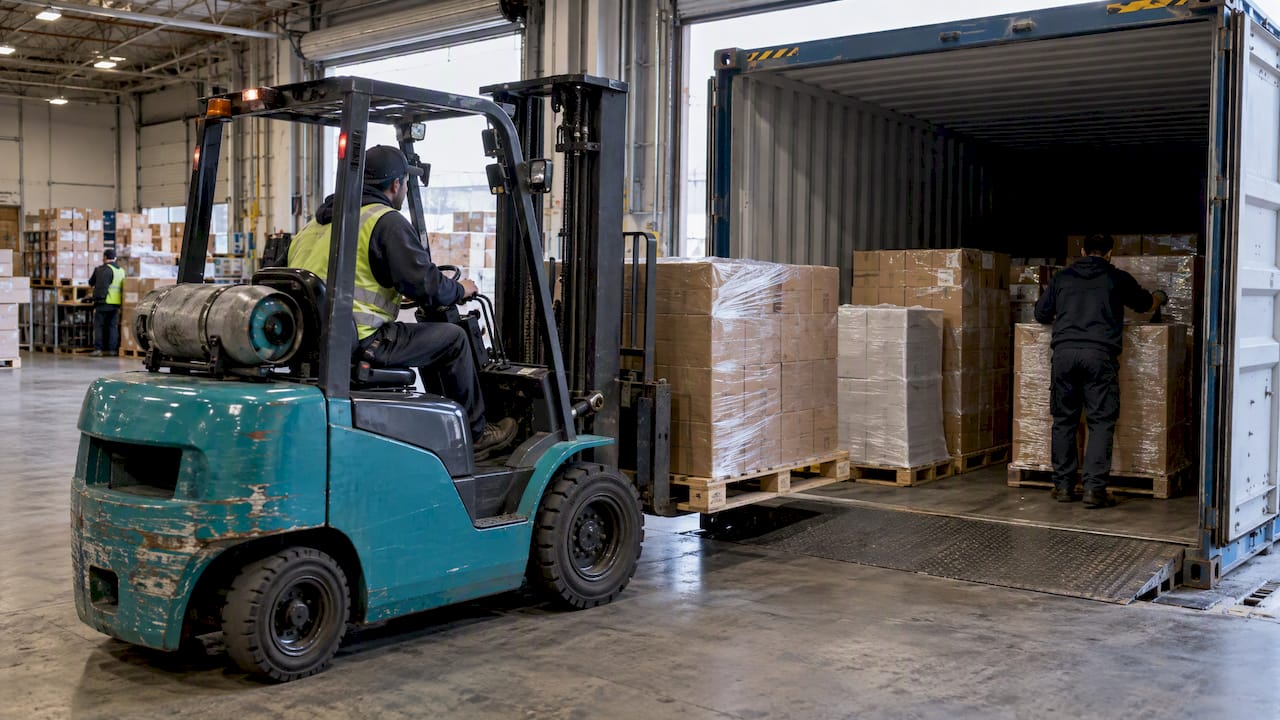
More than 80 percent of international shipments face delays due to incomplete export paperwork. For every american ecommerce logistics manager, understanding export documentation is the difference between seamless cross-border movement and frustrating holdups. With regulations changing and requirements varying by country, clear guidance can help you build processes that avoid costly errors, ensure compliance, and keep shipments moving efficiently through global courier networks.
Table of Contents
- Defining Export Documentation For Couriers
- Essential Documents For Export Shipments
- Legal Compliance And Regulatory Requirements
- Common Pitfalls In Export Documentation
- Integrating Documentation With Courier Services
Key Takeaways
| Point | Details |
|---|---|
| Export Documentation Importance | Accurate export documentation is essential for smooth customs clearance and regulatory compliance in international shipping. |
| Critical Export Documents | Key documents include commercial invoices, certificates of origin, export licenses, and bills of lading, each serving a unique role in the shipping process. |
| Compliance Requirements | Understanding and adhering to legal regulations, such as the Export Administration Regulations, is crucial to avoid fines and shipping delays. |
| Common Documentation Errors | Frequent mistakes include incorrect goods classification and inconsistent shipping details, which can significantly impact trade operations. |
Defining Export Documentation for Couriers
Export documentation represents the comprehensive paperwork required to legally and efficiently move goods across international borders through courier services. Advanced logistics research reveals these documents serve critical functions in global trade, acting as essential communication tools between shippers, carriers, customs authorities, and regulatory agencies.
The primary purpose of export documentation is to provide precise, standardized information about shipments, enabling smooth customs clearance and regulatory compliance. Typical documents include commercial invoices, certificates of origin, export licenses, packing lists, and bills of lading. Each document serves a specific role: commercial invoices detail transaction values, certificates of origin confirm a product’s manufacturing location, and export licenses demonstrate legal authorization for international shipment.
Effective export documentation requires meticulous attention to detail and understanding of international trade regulations. Couriers must ensure all paperwork is accurate, complete, and aligned with both the originating and destination countries’ regulatory requirements. Research in export procedures emphasizes that incomplete or incorrect documentation can result in significant delays, potential fines, and shipment rejections.
Pro tip: Develop a comprehensive digital checklist of required export documents specific to each destination country to streamline your shipping processes and minimize potential compliance issues.
Essential Documents for Export Shipments
Export shipments require a comprehensive set of documents that ensure legal compliance, smooth customs processing, and efficient international trade. Official US export guidelines detail the critical paperwork necessary for successful courier logistics, highlighting the importance of precise documentation in global shipping operations.
The core documents for export shipments typically include:
- Commercial Invoice: Provides transaction details, including seller and buyer information, product descriptions, quantities, and total value
- Certificate of Origin: Confirms the country where goods were manufactured, which impacts potential tariffs and trade regulations
- Export Packing List: Specifies detailed information about packaging, weights, dimensions, and contents of the shipment
- Export License: Demonstrates legal authorization for shipping specific goods, particularly for regulated or restricted items
- Bill of Lading: Serves as a legal contract between shipper and carrier, detailing shipment specifics and transfer of ownership
Comprehensive transaction documentation guidelines emphasize that each document plays a unique role in international shipping. Couriers and exporters must ensure these documents are accurately completed, reflecting precise product information, complying with both originating and destination countries’ regulatory requirements. Incomplete or incorrect documentation can lead to significant shipping delays, potential fines, or shipment rejections.

Pro tip: Digitize and maintain a standardized template library for each required export document to streamline your shipping process and reduce potential errors in international logistics.
Legal Compliance and Regulatory Requirements
US export regulations establish comprehensive legal frameworks that govern international shipping, creating a complex system of compliance requirements for couriers and exporters. These regulations aim to protect national security, manage trade controls, and ensure transparent international business transactions through rigorous documentation and screening processes.
The key regulatory requirements for export shipments typically involve multiple layers of oversight:
- Export Administration Regulations (EAR): Governs the export of commercial and dual-use items
- Automated Export System (AES): Mandatory electronic reporting platform for export declarations
- Trade Sanctions: Restrictions on shipping to specific countries or entities
- Partner Government Agency (PGA) Requirements: Additional regulations from agencies like FDA, USDA for specific product types
US Customs and Border Protection guidelines highlight the shared responsibility between exporters and courier services in maintaining legal compliance. This means meticulous verification of shipment contents, accurate documentation, and proactive screening to prevent potential violations. Couriers must understand that non-compliance can result in significant penalties, including substantial fines, potential legal action, and revocation of export privileges.
Pro tip: Implement a comprehensive compliance checklist that integrates real-time regulatory updates and automated screening processes to minimize legal risks in international shipping.
Common Pitfalls in Export Documentation
Comprehensive analysis of export documentation errors reveals critical mistakes that can dramatically impact international shipping operations. These pitfalls not only create logistical challenges but can also result in significant financial and legal consequences for exporters and courier services.
The most frequent documentation errors include:
- Incorrect Goods Classification: Misusing Harmonized System (HS) codes leads to incorrect duty calculations and potential customs rejections
- Incomplete Certificates of Origin: Missing or inaccurate documentation about product manufacturing location
- Inconsistent Shipping Details: Discrepancies between commercial invoice, packing list, and bill of lading
- Outdated Compliance Information: Failing to update documentation with current trade regulations
- Improper Valuation: Incorrect product pricing that can trigger customs audits
Logistics experts emphasize that these documentation errors can create substantial barriers in international trade. Couriers and exporters must implement rigorous verification processes, maintain current knowledge of regulatory requirements, and develop systematic approaches to documentation accuracy. Each mistake can potentially delay shipments, incur additional fees, or even result in cargo seizure.
Here’s a comparison of common export documentation errors and their business consequences:
| Documentation Error | Potential Impact | Typical Resolution Requirement |
|---|---|---|
| Incorrect goods classification | Customs duties miscalculated | Review HS codes, accurate entry |
| Incomplete certificates | Delayed or rejected shipments | Source accurate origin data |
| Inconsistent shipping details | Increased customs inspection | Cross-check all documents prior |
| Outdated compliance info | Regulatory penalties | Regular review of law changes |
| Improper valuation | Customs audit risk | Align declared value with invoices |
Pro tip: Develop a comprehensive digital checklist with real-time regulatory updates and automated cross-referencing to minimize documentation errors and streamline your export processes.
Integrating Documentation With Courier Services
Advanced research on documentation integration reveals that modern courier services are increasingly adopting digital technologies to streamline export documentation processes. This technological transformation enables real-time tracking, automated data verification, and seamless information exchange across complex international logistics networks.
Key strategies for effective documentation integration include:
- Digital Document Management Systems: Centralized platforms that store, track, and validate export documents
- Automated Verification Tools: Software that cross-references document details and flags potential compliance issues
- Real-Time Tracking Integration: Connecting documentation workflows with shipment tracking systems
- Cloud-Based Collaboration Platforms: Enabling instant document sharing between exporters, couriers, and customs authorities
- Machine Learning Compliance Checks: Using AI to detect potential documentation errors before submission
Logistics sustainability research demonstrates that integrated documentation systems not only improve operational efficiency but also significantly reduce environmental impact by minimizing paper waste and streamlining shipping processes. Successful integration requires a holistic approach that combines technological innovation with robust compliance protocols.
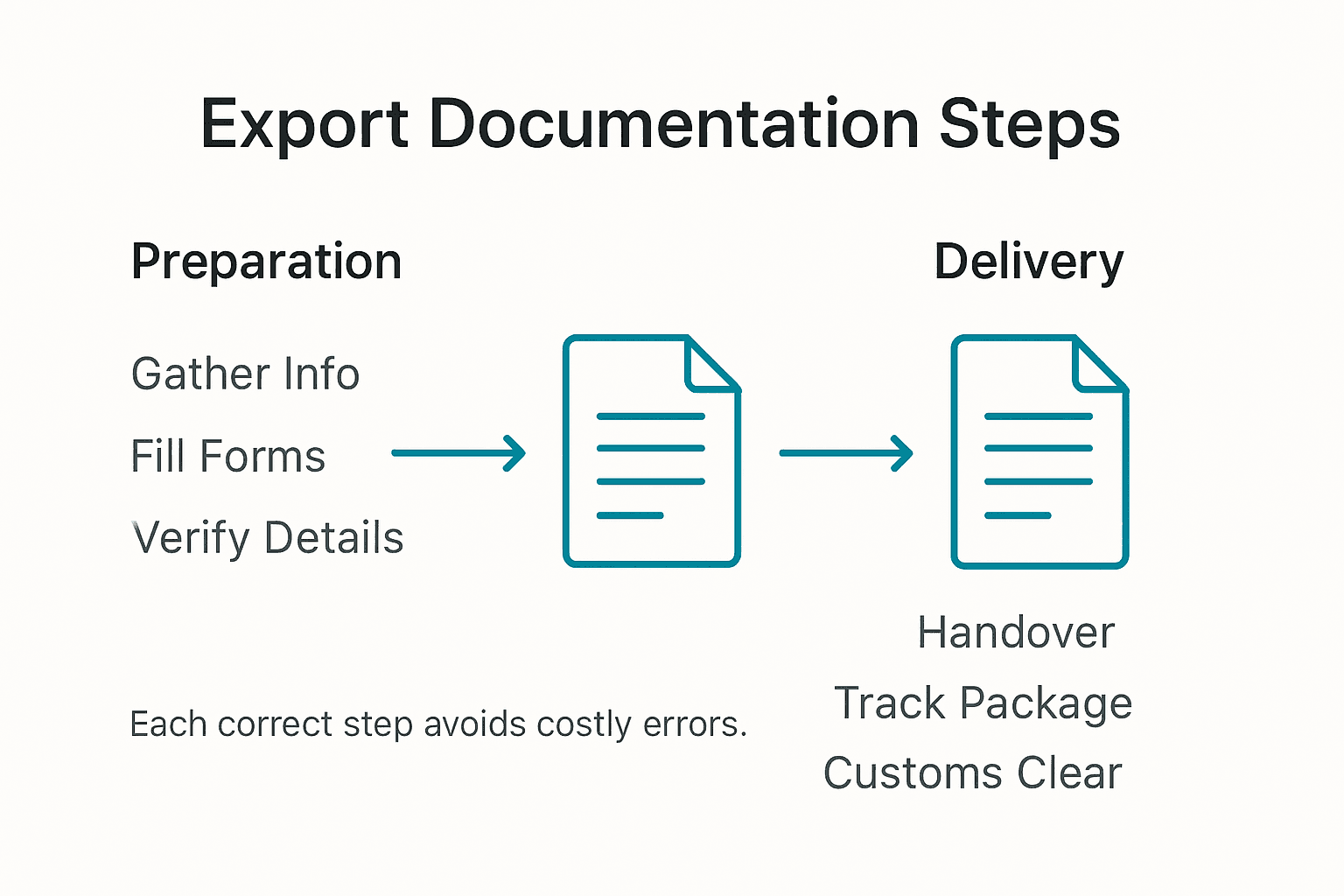
This summary shows how digital integration boosts courier export documentation efficiency:
| Integration Strategy | Key Benefit | Environmental Impact |
|---|---|---|
| Automated verification tools | Reduced manual errors | Lower paper waste |
| Real-time tracking integration | Faster customs processing | Increased shipment transparency |
| Cloud-based collaboration | Instant stakeholder access | Reduced physical prints |
Pro tip: Invest in a comprehensive digital documentation platform that offers real-time validation, automated compliance checking, and seamless integration with existing logistics management systems.
Streamline Your Export Documentation With Reliable Courier Services
Managing export documentation can be complex and error-prone. From ensuring accurate commercial invoices to meeting regulatory requirements like export licenses and certificates of origin, every detail matters to avoid costly delays and compliance issues. If you want to eliminate the stress of paperwork discrepancies and streamline your international shipping, our platform offers tailored solutions designed for exporters like you.
Take control of your cross-border logistics by partnering with ORNER for reliable courier services that integrate documentation management, real-time shipment tracking, and customs clearance support. Visit our QA Archives – ORNER to explore expert insights and practical tips. Don’t let export documentation pitfalls hold back your business growth. Act now and experience a seamless logistics workflow at ORNER Logistics with industry-specific tools and dedicated support.
Frequently Asked Questions
What is export documentation for courier services?
Export documentation refers to the essential paperwork required to legally and efficiently ship goods across international borders through courier services. It includes documents such as commercial invoices, certificates of origin, and export licenses that facilitate customs clearance and regulatory compliance.
What are the essential documents needed for export shipments?
The essential documents for export shipments typically include a commercial invoice, certificate of origin, export packing list, export license, and bill of lading. Each document serves a specific role, ensuring legal compliance and smooth customs processing.
How can incorrect documentation impact international shipping?
Incorrect documentation can lead to significant delays, potential fines, and even shipment rejections. Common errors include misclassifying goods, incomplete certificates of origin, and outdated compliance information.
What strategies can help integrate documentation with courier services?
Effective strategies for integrating documentation with courier services include adopting digital document management systems, utilizing automated verification tools, and connecting documentation workflows with real-time shipment tracking systems.
Recommended
- Reliable Courier Services in the USA – ORNER
- Essential courier services for small businesses – ORNER
- Reliable Courier Services in Europe: The Ultimate Guide – ORNER
- Reliable Courier Services in the UK: Your Guide to Parcel Delivery – ORNER
- Understanding the Importance of Technical Documentation – My WordPress