Most American retailers report that shipments arrive late nearly 30 percent of the time, creating costly disruptions for both operations and customer satisfaction. As digital transformation accelerates across retail, logistics managers face mounting pressure to deliver fast, reliable solutions. This guide explains how embracing innovative courier partnerships can sharpen shipment efficiency and create a competitive advantage for mid-sized retail companies nationwide.
Table of Contents
- What Digital Transformation Means In Retail
- Omnichannel Logistics Models And Innovations
- AI And Automation In Retail Delivery
- Enhancing Shipment Efficiency With Reliable Couriers
- Potential Risks, Legalities, And Compliance Challenges
Key Takeaways
| Point | Details |
|---|---|
| Digital Transformation is Holistic | Retailers must integrate technology across all operations, enhancing customer experience and business models. |
| Omnichannel Logistics is Essential | Successfully coordinating multiple distribution channels improves customer satisfaction and meets modern consumer demands. |
| AI and Automation Enhance Delivery | Utilizing AI and automation streamlines fulfillment processes, improving efficiency and responsiveness in delivery. |
| Risk Management is Crucial | Addressing cybersecurity and compliance challenges is necessary to protect sensitive data and ensure regulatory adherence. |
What Digital Transformation Means in Retail
Digital transformation in retail represents a comprehensive reimagining of how businesses operate, interact with customers, and deliver value in an increasingly technology-driven marketplace. At its core, this process involves strategically integrating digital technologies to fundamentally change organizational operations across every business function.
For retailers, digital transformation goes beyond simply implementing new technologies. It encompasses a holistic approach that reshapes customer experiences, operational workflows, and business models. This means leveraging advanced technologies to gather granular customer data, automate routine tasks, and create personalized service experiences that meet growing consumer expectations of convenience and speed. Retailers are now using digital tools to enhance inventory management, dynamic pricing strategies, and in-store customer interactions.
The strategic implementation of digital transformation requires more than technological investment. It demands a cultural shift within organizations, where leadership must champion innovation, encourage experimentation, and build new organizational capabilities. Successful retailers are not just adopting technologies but fundamentally reimagining how they create and deliver value. By improving in-store technologies and embracing digital-first approaches, companies can remain competitive in an increasingly complex retail landscape.
Pro tip: Start your digital transformation journey by conducting a comprehensive audit of your current technological infrastructure and identifying specific friction points where digital solutions can create immediate value.
Here’s how digital transformation technologies impact key retail functions:
| Technology | Primary Use in Retail | Business Impact |
|---|---|---|
| Artificial Intelligence | Demand forecasting, customer analysis | Boosts sales, improves inventory accuracy |
| Automation | Warehousing, order fulfillment | Increases speed, reduces human errors |
| In-store Tech | Point-of-sale, inventory tracking | Enhances service, streamlines checkout |
| Data Analytics | Customer data, sales trends | Enables personalization, informs strategy |
Omnichannel Logistics Models and Innovations
Omnichannel logistics represents a sophisticated approach to retail supply chain management that integrates multiple distribution channels to create seamless customer experiences. This model goes beyond traditional single-channel approaches by coordinating complex supply chain networks that enable retailers to meet increasingly demanding consumer expectations across digital and physical platforms.
The core innovation in omnichannel logistics lies in its ability to synchronize inventory, fulfillment, and delivery mechanisms across various touchpoints. Modern retailers are implementing advanced technologies like artificial intelligence and automated warehouse systems to optimize inventory management, predict consumer demand, and create flexible fulfillment strategies. These technologies allow businesses to offer services such as buy-online-pickup-in-store, ship-from-store, and real-time inventory visibility, which are critical for meeting contemporary consumer preferences for convenience and speed.
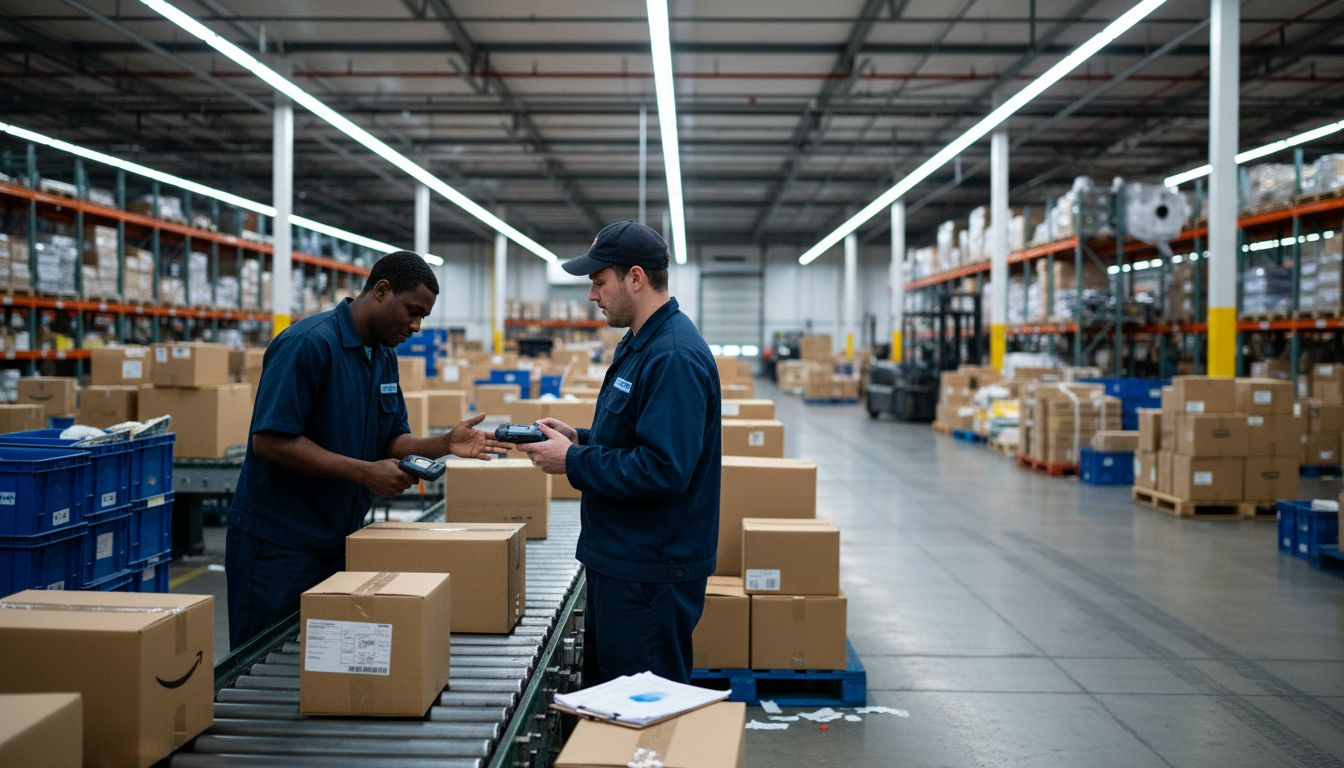
Key innovations in omnichannel logistics include AI-driven demand forecasting, personalized fulfillment options, and integrated network design that breaks down traditional barriers between online and offline retail channels. By leveraging advanced supply chain technologies, companies can create more responsive, efficient logistics systems that adapt quickly to changing market conditions and consumer behavior. This approach requires significant investment in technological infrastructure, data analytics, and organizational capabilities to successfully implement a truly integrated omnichannel strategy.
Pro tip: Develop a cross-functional team that includes IT, operations, and customer experience professionals to design and implement your omnichannel logistics strategy, ensuring comprehensive integration across all business units.
AI and Automation in Retail Delivery
Artificial Intelligence and automation are fundamentally reshaping the landscape of retail delivery, introducing unprecedented levels of efficiency and precision. Advanced technologies are transforming delivery systems by automating complex operational processes, optimizing routing, and creating more responsive customer experiences that dramatically reduce traditional logistical bottlenecks.
The implementation of AI-driven technologies in retail delivery encompasses multiple strategic domains. Intelligent algorithms now manage inventory prediction, route optimization, and real-time package tracking, enabling retailers to offer faster, more accurate delivery services. Automated warehousing systems, robotic picking mechanisms, and predictive analytics work in concert to streamline fulfillment processes, reducing human error and dramatically improving operational speed. These technological innovations allow businesses to create more personalized, flexible delivery options that meet evolving consumer expectations for convenience and rapid service.
While AI and automation present significant operational advantages, they also introduce complex workforce dynamics. Technological adoption is reshaping employment structures within retail delivery, complementing human skills rather than entirely replacing workers. Companies are increasingly viewing these technologies as tools that augment human capabilities, creating new roles focused on managing and interpreting advanced technological systems. This approach allows businesses to maintain human insight while leveraging the precision and efficiency of automated technologies.
Pro tip: Develop a comprehensive skills training program that helps your current workforce adapt to and effectively collaborate with emerging AI and automation technologies in retail delivery.
Enhancing Shipment Efficiency with Reliable Couriers
Shipment efficiency has become a critical competitive advantage for retailers, demanding strategic partnerships with robust courier service networks that leverage advanced technological capabilities. Modern courier services go beyond simple package transportation, providing integrated solutions that streamline complex logistics challenges while ensuring timely and accurate delivery across diverse supply chain environments.
The most effective courier services incorporate sophisticated tracking technologies, real-time communication systems, and predictive analytics to optimize delivery performance. These advanced capabilities allow retailers to monitor shipment progress, anticipate potential disruptions, and provide customers with precise delivery expectations. Automated documentation processes, digital customs clearance mechanisms, and intelligent routing algorithms enable couriers to reduce transit times, minimize errors, and create more transparent, responsive shipping experiences that meet increasingly demanding consumer expectations.
Successful shipment efficiency requires a holistic approach that integrates multiple technological and operational strategies. Supply chain research highlights the importance of comprehensive logistics management that connects courier operations with warehouse systems, inventory management, and customer communication platforms. By developing seamless technological ecosystems, retailers can transform traditional shipping processes into dynamic, data-driven networks that adapt quickly to changing market demands and individual customer preferences.
Pro tip: Conduct a comprehensive audit of your current courier partnerships, focusing on their technological capabilities, tracking accuracy, and integration potential with your existing supply chain management systems.
Potential Risks, Legalities, and Compliance Challenges
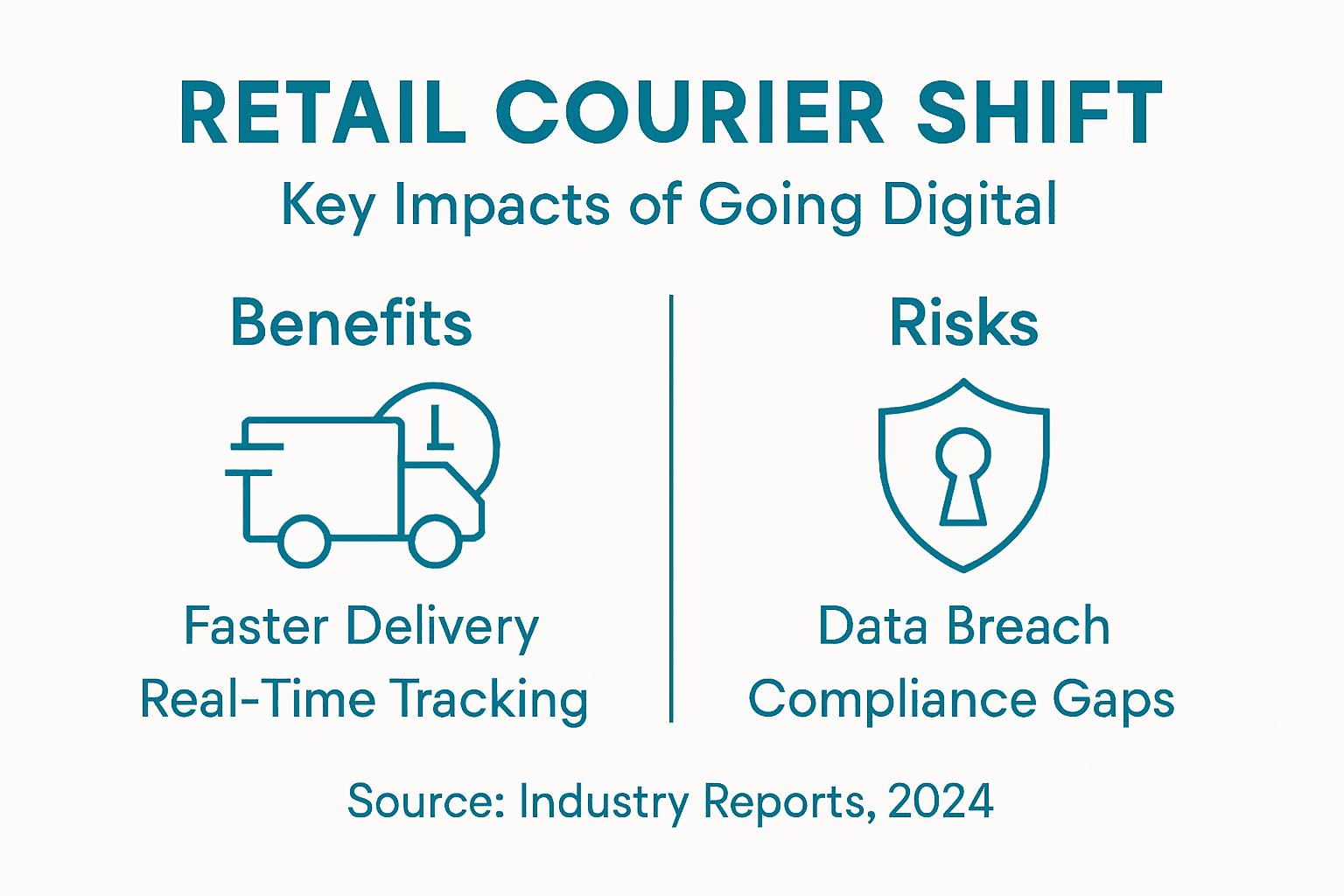
Digital transformation in retail introduces a complex landscape of regulatory and legal challenges that demand comprehensive risk management strategies. Comprehensive cybersecurity risk frameworks have become essential for organizations navigating the intricate digital ecosystem, requiring continuous assessment of potential vulnerabilities and proactive mitigation approaches. Retailers must develop robust systems that not only protect sensitive data but also ensure compliance with rapidly evolving regulatory standards.
The regulatory environment for digital retail operations is increasingly demanding, with specific legal requirements governing data protection, customer privacy, and information security. Specific regulations like the FTC Safeguards Rule mandate strict protocols for protecting customer information, requiring businesses to implement reasonable security measures and maintain transparent breach notification processes. These legal frameworks extend beyond simple data protection, encompassing contractual obligations with third-party service providers and comprehensive risk management protocols.
Risk management in digital retail transformation involves a multifaceted approach that integrates technological, legal, and operational considerations. Organizations must develop dynamic compliance strategies that address cybersecurity threats, data privacy concerns, and regulatory expectations. This requires building adaptive systems capable of responding to emerging risks, maintaining robust documentation of security practices, and creating a culture of continuous risk assessment and mitigation across all organizational levels.
Pro tip: Develop a cross-functional compliance team that includes legal, IT, and operational experts to create a comprehensive risk management strategy that anticipates and addresses potential regulatory challenges.
This table summarizes major compliance challenges in digital retail:
| Challenge | Example | Impact on Retailers |
|---|---|---|
| Cybersecurity Risks | Data breaches, hacking | Loss of trust, financial penalties |
| Data Privacy Regulations | FTC Safeguards Rule | Requires secure systems, reporting |
| Third-party Contracts | Vendor agreements | Complex oversight, legal obligations |
| Continuous Monitoring | Ongoing risk assessments | Demands resources, prevents violations |
Transform Your Retail Operations with Reliable Courier Services
Digital transformation in retail challenges businesses to seamlessly integrate sophisticated logistics and omnichannel delivery options. Rising consumer demands for fast, accurate shipping and real-time shipment tracking create pressure on retailers to optimize every step of their courier services. From automating fulfillment workflows to ensuring dependable last-mile delivery, these goals require a trusted partner who understands your supply chain complexities and can deliver scalable solutions.
At or-ner.com, we specialize in providing reliable courier services tailored to ecommerce sellers and retail businesses striving to overcome operational friction and compliance hurdles. Our platform offers end-to-end logistics support, including freight booking, customs clearance, and integrated inventory management, empowering you to streamline workflows with automation and gain full visibility across ocean, air, and land transport. Seamlessly connect your business with a global network of warehouses and fulfillment centers that adapt to your unique sector needs.
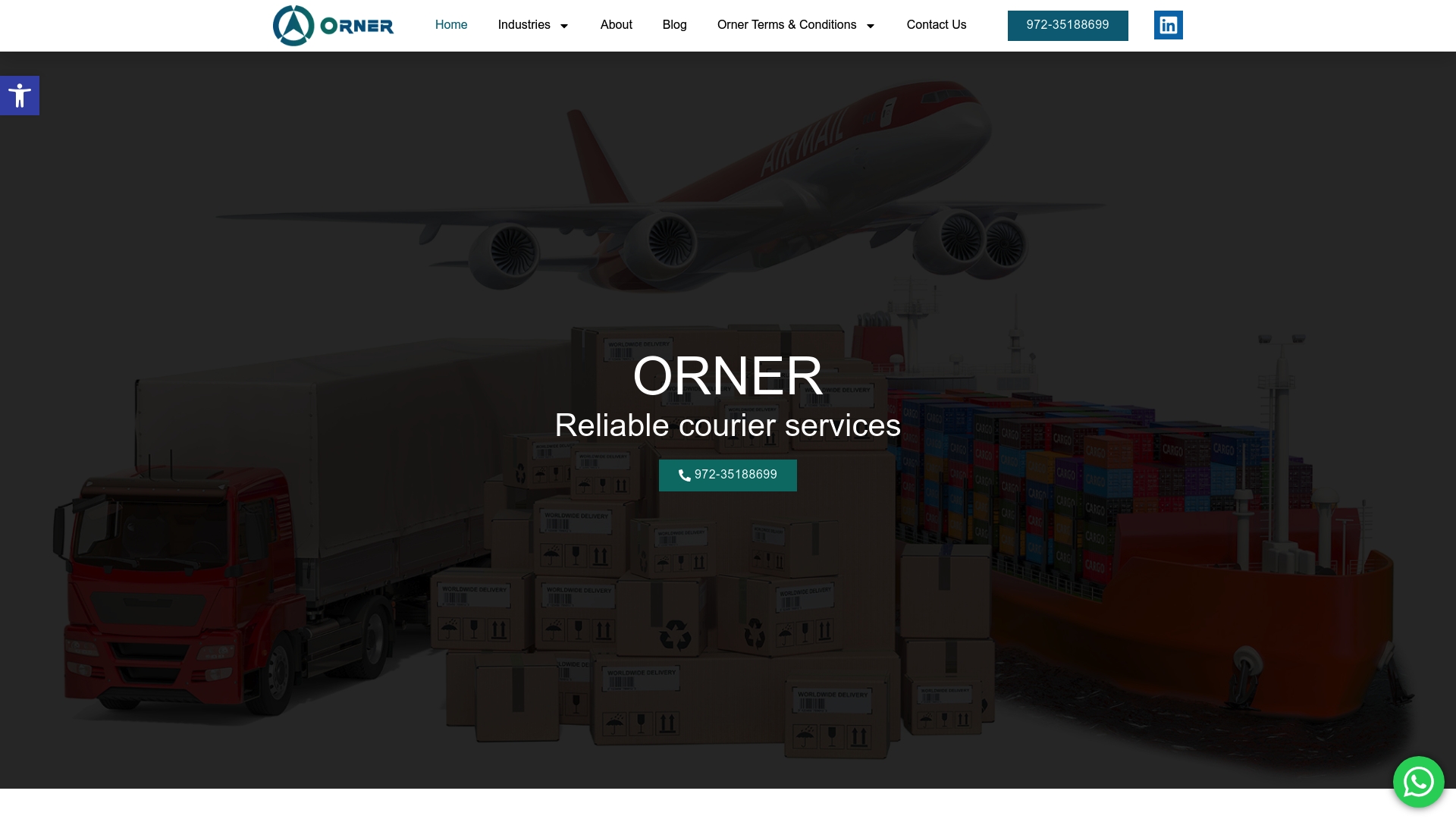
Ready to embrace the future of retail delivery with confidence and efficiency? Explore how our reliable courier services can elevate your operations and ensure timely, transparent shipments. Visit or-ner.com now to start transforming your logistics strategy and meet your customers’ growing expectations with speed and precision.
Frequently Asked Questions
What is digital transformation in retail, and how does it impact courier services?
Digital transformation in retail involves integrating digital technologies to improve operations and customer experiences. It impacts courier services by streamlining logistics through advanced tracking, predictive analytics, and automated processes, leading to faster and more accurate deliveries.
How can retailers improve shipment efficiency through technology?
Retailers can improve shipment efficiency by partnering with courier services that utilize sophisticated technologies like real-time tracking, automated documentation, and intelligent routing algorithms. These innovations help optimize logistics and enhance customer satisfaction.
What are the primary benefits of using automated systems in retail delivery?
Automated systems in retail delivery offer benefits such as increased operational speed, reduced human errors, better inventory management, and enhanced prediction of consumer demand. This creates a more responsive service that meets fast-paced consumer expectations.
What compliance challenges do retailers face during digital transformation?
Retailers face compliance challenges such as ensuring cybersecurity, adhering to data privacy regulations like the FTC Safeguards Rule, managing third-party contracts, and continuous monitoring of risk. Developing a comprehensive risk management strategy is essential to navigate these challenges.