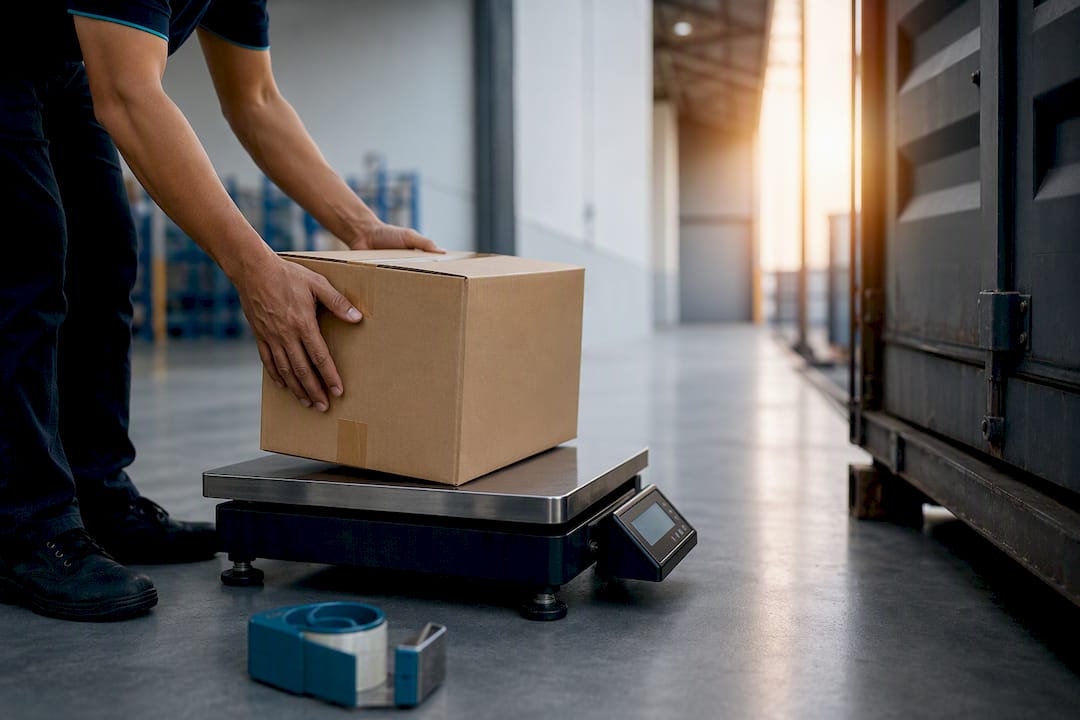
Cargo moves bulk freight optimized for volume and cost, while courier moves individual parcels optimized for speed and final-mile delivery. The right choice usually comes down to three things: how much you’re shipping, how fast it needs to arrive, and how much paperwork the shipment requires. The rest of this guide breaks down each factor so you can match your shipment to the correct service.
TL;DR:
- Shipping shipments over 30 kilograms or involving multiple items to the same destination typically benefits from cargo, which lowers costs through consolidation.
- Courier services are more suitable for single parcels under 30 kilograms that require fast delivery, often within the same or next day.
- Cargo documentation usually includes bills of lading and customs paperwork, while courier shipments rely on automated labels for easier handling.
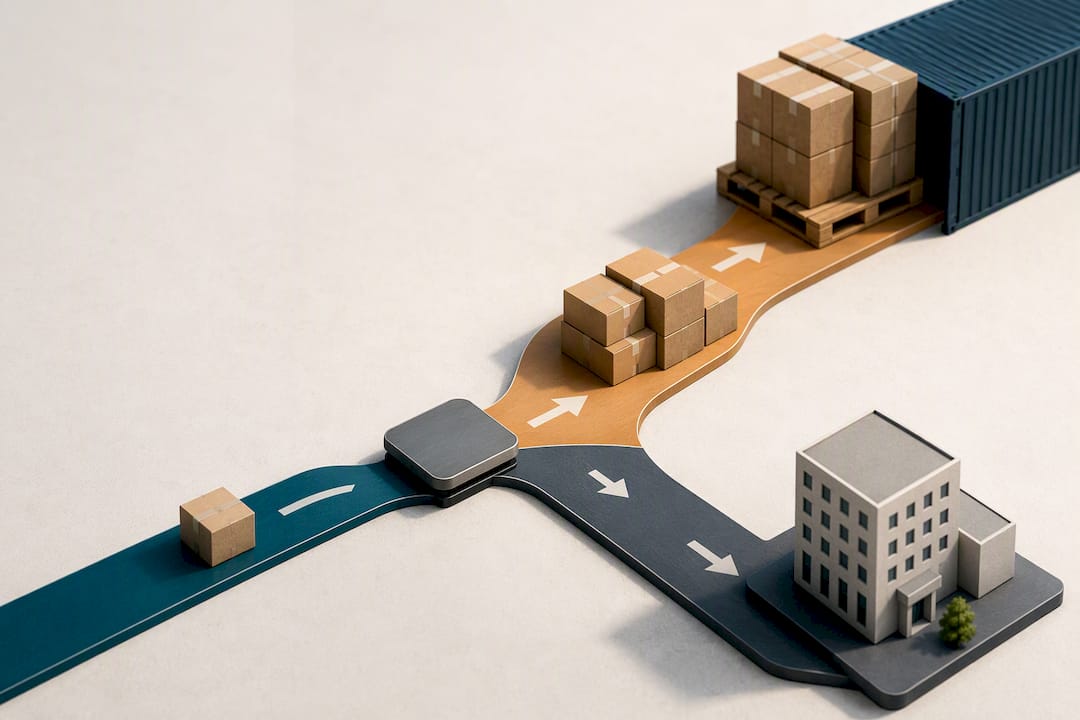
- Many small businesses adopt a hybrid model, shipping inventory in bulk via cargo to a fulfillment center and using courier for the final delivery.
- Always compare landed costs by including customs and storage fees before choosing between courier and cargo for international shipments.
Table of Contents
- What is cargo? Definition, common modes and users
- What is a courier? Service model, speed, and typical use cases
- Key differences at a glance: size, speed, cost, documentation, coverage
- When to choose cargo vs courier: decision checklist and questions to ask
- Practical ecommerce rules: the 30 kg threshold and hybrid model
- Documentation, safety and regulatory differences to watch for
- Cargo or courier: the short answer
- A logistics perspective worth keeping in mind
- How Or-ner supports both courier and cargo shipments
- Sources
- FAQ
What is cargo? Definition, common modes and users
Cargo refers to goods moved in bulk rather than as single, addressed packages. It travels by ocean vessel, air freight, truck, or rail, depending on distance, urgency, and cost tolerance. The Bureau of Labor Statistics draws this same line: freight and cargo cover the movement of commodities or bulk merchandise across transport modes, while courier services are grouped separately under their own industry classification.
Wholesalers, manufacturers, and ecommerce sellers restocking inventory are the typical users. A furniture maker shipping a container of chairs, or an apparel brand moving a season’s worth of stock into a warehouse, both fall into this category. Consolidating many units into one shipment lowers the cost per kilogram, which is the entire economic logic behind cargo.
- Ocean freight suits large, heavy, non-urgent shipments and takes the longest.
- Air freight costs more than ocean but cuts transit time significantly.
- Truck and rail handle regional and overland bulk movement, often as the final leg after ocean or air.
What is a courier? Service model, speed, and typical use cases
A courier service handles individual parcels and time-sensitive deliveries, whether same-day, next-day, or overnight. It’s built around door-to-door movement, automated labeling, and tracking that lets both sender and recipient watch a package move in real time. Where cargo is priced by volume, courier pricing is shaped by speed and distance.
Individuals sending gifts, retailers fulfilling single online orders, and businesses dispatching urgent paperwork or samples are the classic courier customers. If you’ve ever paid extra for next-day delivery on a single box, that transaction sat entirely inside the courier model.
- Same-day and overnight options fit urgent, single-item needs.
- Door-to-door service means no separate pickup at a depot or warehouse.
- Automated tracking and labeling simplify handling for one parcel at a time.
Key differences at a glance: size, speed, cost, documentation, coverage
The practical differences show up fastest when you compare weight, speed, and paperwork side by side. A single box under 30 kilograms almost always moves cheaper and faster through a courier network. A full pallet or container load almost always makes more financial sense as cargo, even though it takes longer to arrive.
- Size and weight: couriers handle single parcels, typically under 30 kilograms; cargo handles pallets, containers, and bulk loads.
- Cost drivers: courier pricing rewards speed, cargo pricing rewards volume and consolidation.
- Transit time: courier delivery ranges from same-day to a few days; cargo can take days by air or weeks by ocean.
- Documentation: courier shipments use standardized labels; cargo often requires bills of lading, packing lists, and customs paperwork.
One nuance worth flagging: air transport serves both models. Air parcel service is essentially express courier by plane, while air freight moves bulk cargo on the same aircraft type but at a different scale and price structure, a distinction IATA’s ecommerce logistics materials lay out directly.
Freight demand keeps climbing. The U.S. Department of Transportation projects domestic freight volume will reach 25 billion tons by 2045, a reminder that bulk transport capacity planning matters even for smaller shippers competing for space during peak seasons.
When to choose cargo vs courier: decision checklist and questions to ask
Before booking anything, run through a short checklist that forces you to compare urgency against volume.
- Measure the total weight and volume of your shipment, not just the count of items.
- Determine your actual delivery deadline, not just a preferred one.
- Check whether the shipment crosses a border and requires customs documentation.
- Compare the landed cost of consolidated freight against the price of shipping urgently.
- Decide whether the shipment fits a hybrid model: bulk to a fulfillment center, then courier for the last leg.
A single gift box going to another city is a courier job. A pallet of inventory moving from a factory to a warehouse is a cargo job. An international pallet destined for a fulfillment center, followed by hundreds of individual customer orders, needs both.
When comparing providers, ask about transit time guarantees, insurance coverage, liability limits if goods are damaged, and who handles customs paperwork. A vague answer on liability or documentation is a red flag worth taking seriously before you commit a shipment.
Pro Tip: Get a landed cost estimate before choosing a mode. A cheaper freight rate can lose its advantage once you add customs delays and storage fees.
Practical ecommerce rules: the 30 kg threshold and hybrid model
For small businesses, weight is the fastest way to decide. A common industry guideline puts the line around 30 kilograms per consignment: below that, courier tends to be simpler and cheaper per unit; above it, palletized freight usually lowers the cost per kilogram.
Many ecommerce sellers run a hybrid model: ship inventory in bulk to a fulfillment center, then let courier handle the final mile to each customer. This approach, described in IATA’s ecommerce logistics models, keeps bulk shipping costs low while preserving fast individual delivery.
- Consolidate orders into bulk shipments whenever inventory planning allows it.
- Standardize packaging and labeling before goods reach a fulfillment center to avoid handling delays.
- Reconcile customs paperwork before freight arrives, not after, to prevent storage charges.
Pro Tip: Weigh and measure a sample carton before committing to a shipping mode. A few kilograms can shift the math between courier and freight.
Documentation, safety and regulatory differences to watch for
Cargo shipments typically require a bill of lading, a packing list, and customs paperwork for cross-border moves. Under 49 U.S.C. § 13102, freight forwarders arrange and consolidate shipments and can assume responsibility from receipt to destination, while motor carriers simply provide the vehicle that moves the goods.
Courier shipments lean on standardized, automated labels that simplify single-parcel handling, though restricted and hazardous item policies still apply.
- Shippers are legally responsible for correctly classifying and declaring hazardous materials, and the U.S. Department of Transportation warns that misclassification can trigger regulatory penalties.
- Cargo generally demands more paperwork coordination with forwarders and customs brokers than a single courier parcel does.
- Confirming classification before booking, whether by courier or cargo, avoids the most common and costly shipping mistake.
Cargo or courier: the short answer
Courier fits parcels and speed. Cargo fits bulk and volume. If your shipment is a single box that needs to move fast, book a courier. If it’s inventory measured in pallets or containers, cargo is the more economical route, and a hybrid strategy often covers both ends of the same supply chain. Run the checklist above, then request a freight quote or a courier rate for the final mile.
A logistics perspective worth keeping in mind
Most small shippers overthink the cargo versus courier decision when weight and deadline usually answer it. A common pitfall is booking express courier out of habit for a shipment that would ship far cheaper as consolidated freight. Check the scale first, then the clock.
— Maayan
How Or-ner supports both courier and cargo shipments
Whether you’re shipping a single parcel or scaling into pallet-level freight, Or-ner covers both ends without forcing you to juggle separate providers.
Our platform combines reliable courier services with freight booking, customs clearance, and warehousing, so a small business can start with courier and grow into cargo without switching partners. This approach supports ecommerce sellers who begin with single-parcel orders and later need bulk inventory moved into a fulfillment center.
- Courier services for parcels, urgent documents, and final-mile delivery.
- Freight booking for ocean, air, and multimodal cargo moves.
- Customs clearance and warehousing services to support cross-border and fulfillment center operations.
If you’re outgrowing courier-only shipping or planning a cross-border move, request a freight shipping estimate and compare it against your current courier rates before you commit.
Sources
- BLS — NAICS 492: Couriers and Messengers
- U.S. Code — 49 U.S.C. § 13102
- IATA — Ecommerce logistics models
- U.S. Department of Transportation — shipping and classification FAQs
FAQ
What is the main difference between cargo and courier?
Cargo moves bulk goods across ocean, air, truck, or rail routes and is priced around volume and consolidation. Courier moves individual, time-sensitive parcels door to door and is priced around speed, as reflected in how the Bureau of Labor Statistics classifies courier services separately from freight transport.
When should a small business use cargo instead of courier?
A small business should consider cargo once a shipment exceeds roughly 30 kilograms or involves multiple units heading to the same destination, since consolidation lowers the cost per kilogram. Below that threshold, courier delivery is usually simpler and more cost-effective for a single shipment.
Does courier or cargo require more paperwork?
Cargo shipments generally require more documentation, including bills of lading and customs paperwork, and freight forwarders often manage this under the roles defined in 49 U.S.C. § 13102. Courier shipments rely on standardized, automated labels that simplify handling for a single parcel.
Can a business use both cargo and courier for the same product line?
Yes, many ecommerce sellers ship inventory in bulk as cargo to a fulfillment center, then use courier services for final-mile delivery to individual customers. This hybrid approach, outlined in IATA’s ecommerce logistics models, balances lower bulk shipping costs with fast individual delivery.
Who is legally responsible if a shipment is misclassified?
The shipper is legally responsible for correctly classifying and declaring goods, and the U.S. Department of Transportation notes that misclassification can lead to regulatory penalties. Confirming classification before booking applies to both courier and cargo shipments.