Every american business involved in importing faces the reality that over 90 percent of global shipments require customs clearance before reaching the market. The paperwork, compliance checks, and ever-changing regulations can create delays and unexpected costs that impact profit margins. Understanding how this critical checkpoint really works helps companies avoid costly mistakes, saving time and protecting valuable shipments as they move across borders.
Table of Contents
- Customs Clearance Process Defined And Demystified
- Key Steps In The Customs Clearance Workflow
- Essential Import And Export Documentation
- Regulations And Compliance For U.S. Shipments
- Common Challenges And Cost Considerations
Key Takeaways
| Point | Details |
|---|---|
| Customs Clearance Importance | Effective customs clearance is crucial for smooth international trade, involving documentation reviews and compliance checks by authorities. |
| Documentation Requirements | Importers must prepare accurate shipping documents including invoices and declarations to ensure compliance and avoid delays. |
| Regulatory Compliance | Businesses should stay informed about U.S. customs regulations to navigate complexities and minimize the risk of penalties. |
| Financial Considerations | Understanding the potential costs associated with customs duties and tariffs is essential for managing financial risks in international shipping. |
Customs Clearance Process Defined and Demystified
Customs clearance represents a critical operational checkpoint where imported goods transition from international transit to domestic market entry. At its core, the process involves comprehensive documentation review, tariff assessment, and regulatory compliance verification by government authorities. Understanding this intricate procedure is essential for businesses engaged in cross-border trade.
The customs clearance workflow typically involves multiple interconnected stages that require precise documentation and strategic preparation. Importers must submit detailed entry summaries outlining the shipment’s contents, value, origin, and classification. These documents undergo rigorous examination by customs officials who determine applicable duties, taxes, and potential additional requirements. Key documentation often includes commercial invoices, packing lists, certificates of origin, and transportation manifests.
Navigating customs regulations demands meticulous attention to detail and proactive compliance strategies. Businesses must understand that each product category carries unique import specifications, with potential variations in tariff rates, restricted item classifications, and required certifications. Successful customs clearance hinges on accurate classification and transparent reporting to minimize potential delays, penalties, or shipment rejections.
The process can be complex, involving several critical steps:
- Preparing comprehensive shipping documentation
- Calculating and remitting appropriate import duties
- Obtaining necessary permits and certifications
- Passing regulatory inspections
- Receiving final customs release authorization
While challenging, mastering the customs clearance process enables businesses to streamline international trade operations and maintain smooth global supply chain networks.
Key Steps in the Customs Clearance Workflow
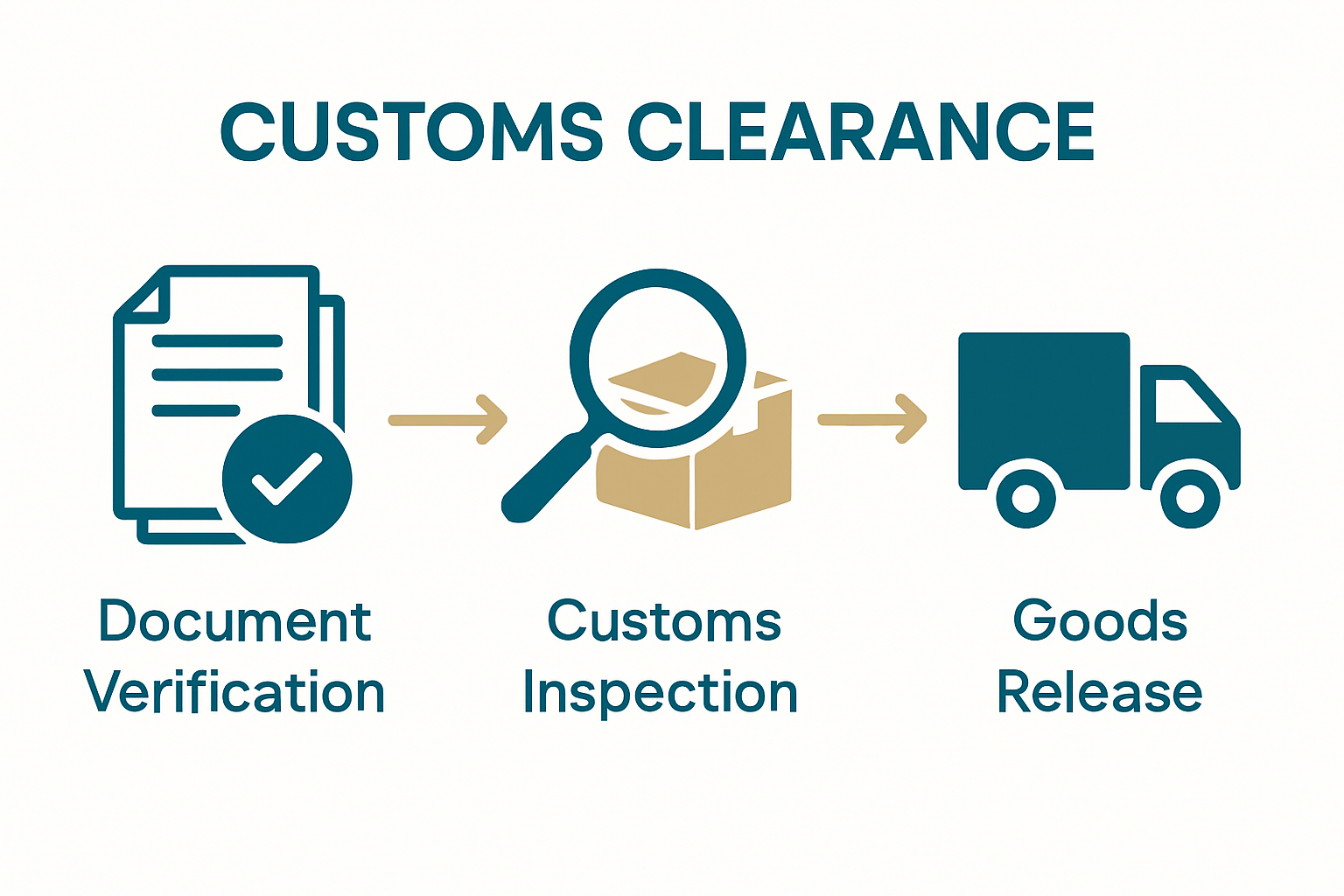
The customs clearance workflow is a systematic process that transforms international shipments into legally authorized domestic goods. Businesses must navigate a structured sequence of procedural checkpoints designed to ensure regulatory compliance, assess appropriate duties, and validate shipment details before market entry.

Documentation Preparation stands as the critical first phase in this intricate process. Importers must compile comprehensive paperwork including commercial invoices, packing lists, certificates of origin, and detailed shipping manifests. Each document undergoes meticulous examination by customs officials who verify the accuracy of product descriptions, declared values, and classification codes.
The workflow typically encompasses several interconnected stages that demand precision and strategic planning:
- Pre-Shipment Compliance Assessment
- Documentation Submission
- Duty and Tax Calculation
- Physical Cargo Inspection
- Customs Clearance Approval
Successful navigation of these steps requires understanding complex regulatory requirements, maintaining accurate records, and anticipating potential compliance challenges. Importers who develop robust internal processes and stay current with evolving customs regulations can significantly reduce processing times and minimize the risk of shipment delays or financial penalties.
Essential Import and Export Documentation
Navigating the complex landscape of international trade requires a comprehensive understanding of critical documentation that facilitates smooth customs clearance. Businesses must meticulously prepare a range of essential forms and certificates to ensure seamless cross-border transactions and regulatory compliance.
Key Documentation Requirements form the backbone of successful international shipping. Importers and exporters must obtain specific forms from government agencies that validate shipment details, assess applicable duties, and confirm legal transportation of goods. These critical documents typically include:
- Commercial Invoices
- Certificates of Origin
- Bill of Lading
- Packing Lists
- Export/Import Licenses
- Customs Declaration Forms
Internet-based purchases and international shipments require additional documentation verification, with customs officials scrutinizing every detail to ensure accurate representation of goods, their value, and intended use. Precise documentation helps businesses mitigate potential risks, avoid costly delays, and maintain smooth supply chain operations across global markets.
Regulations and Compliance for U.S. Shipments
Navigating U.S. customs regulations demands a comprehensive understanding of complex compliance requirements that govern international shipments. Businesses must develop robust strategies to ensure seamless entry of goods into the United States, addressing multiple layers of regulatory scrutiny and documentation standards.
Regulatory Compliance Framework encompasses a wide range of critical considerations for importers. Specific guidelines govern the transportation and processing of different types of shipments, including rigorous protocols for:
- Freight shipments
- Unaccompanied baggage
- Commercial merchandise
- Personal effects
- High-value cargo
- Restricted and controlled items
Comprehensive documentation and precise adherence to customs processing protocols are essential for successful shipping operations, with potential penalties for non-compliance ranging from monetary fines to shipment seizure. Successful importers invest in detailed compliance management systems that proactively address regulatory requirements, minimize processing delays, and maintain the integrity of their international supply chains.
Common Challenges and Cost Considerations
Customs clearance presents a complex landscape of financial and operational challenges that can significantly impact international shipping strategies. Businesses must proactively anticipate potential obstacles to minimize unexpected expenses and processing delays, developing comprehensive risk management approaches that protect their bottom line.
Financial Complexity emerges as a critical consideration in the customs clearance process. Internet purchases and international shipments involve multiple potential cost layers that businesses must carefully navigate:
- Customs duties and tariffs
- Value-added taxes
- Potential inspection fees
- Documentation processing charges
- Potential storage or warehousing expenses
- Penalties for incomplete or incorrect documentation
Successful importers recognize that comprehensive preparation represents the most effective strategy for mitigating financial risks. By investing in detailed documentation, understanding complex regulatory frameworks, and maintaining transparent communication channels with customs authorities, businesses can transform potential challenges into predictable, manageable aspects of their international trade operations.
Simplify Your Customs Clearance with Reliable Courier Services
Navigating the customs clearance process can be overwhelming with all the paperwork, regulatory checks, and the risk of costly delays. Whether you are an importer dealing with duty calculations or a seller preparing commercial invoices, the need for precise documentation and seamless compliance is critical to keep your shipments moving. Avoid the stress and uncertainty by partnering with a logistics platform designed to streamline these complex steps for you.
Take control of your international shipping today with reliable courier services specially tailored for ecommerce sellers and businesses. At or-ner.com, you get access to end-to-end solutions that include customs clearance support, real-time shipment tracking, and worldwide fulfillment centers. Don’t let customs challenges hold back your growth. Visit or-ner.com now to experience smoother cross-border logistics and keep your supply chain efficient and compliant.
Frequently Asked Questions
What is the customs clearance process?
Customs clearance is the procedure through which imported goods transition from international transport to entry into the domestic market, involving documentation review, tariff assessment, and regulatory compliance verification by government authorities.
What documents are required for customs clearance?
Essential documents for customs clearance typically include commercial invoices, packing lists, certificates of origin, bills of lading, and customs declaration forms, among others, to ensure compliance and proper duty assessment.
How can businesses prepare for customs clearance?
Businesses can prepare for customs clearance by accurately compiling required documentation, understanding specific product import regulations, calculating duties and taxes, and having a compliance management strategy to address potential regulatory challenges.
What are common challenges businesses face during customs clearance?
Common challenges include unexpected costs such as duties and taxes, potential delays due to incomplete or incorrect documentation, and navigating complex regulatory requirements, which can impact the efficiency of international shipping operations.