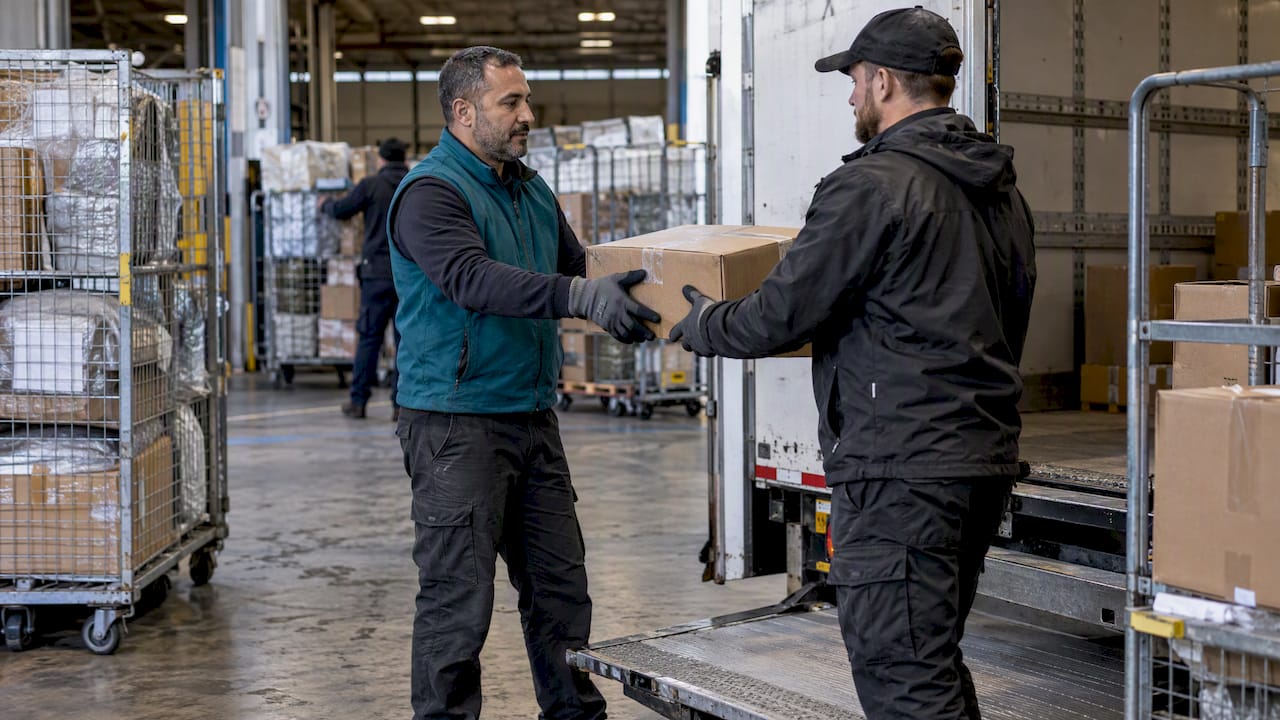
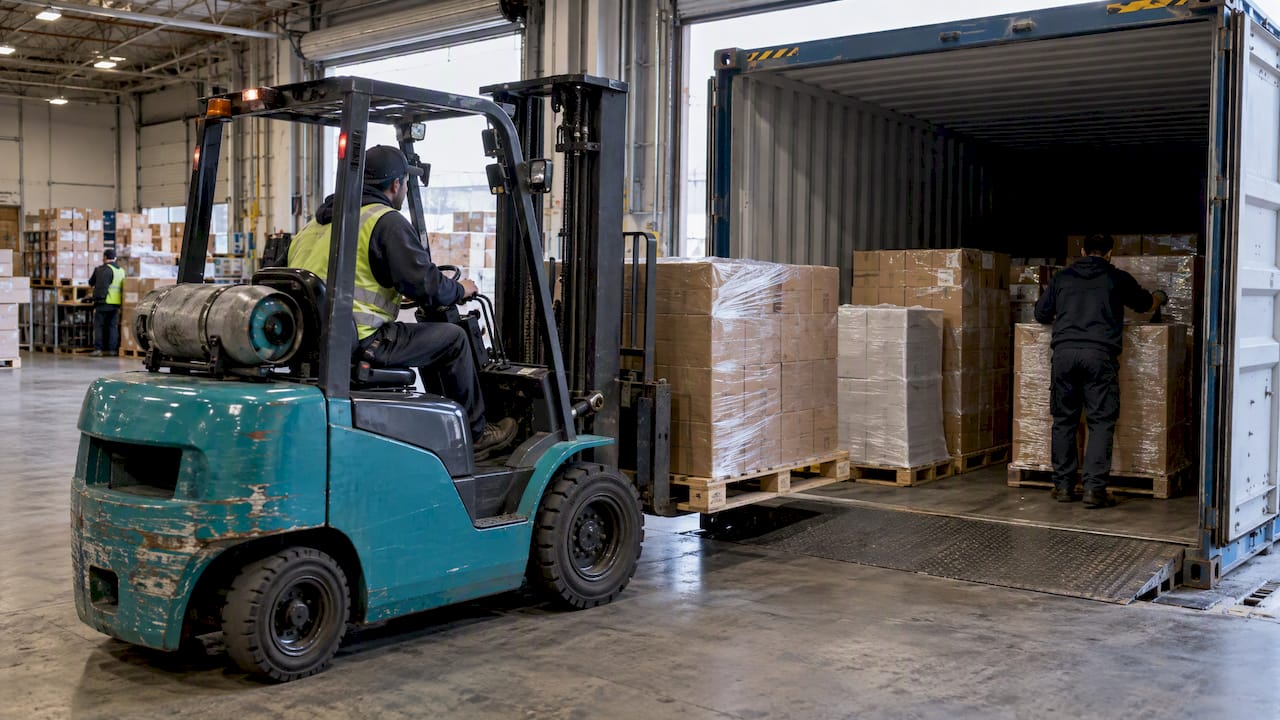
Delivering orders across California is never simple. Heavy traffic, shifting regulations, and rising customer expectations can make reliable shipping feel out of reach for your ecommerce business. Struggling to keep every shipment fast, accurate, and affordable often leads to frustrated customers and lost sales.
You need more than shortcuts—you need proven methods to transform delivery operations. These actionable insights show how focusing on the right courier partners, real-time tracking, and smart system integration can make your supply chain resilient and your customers happier. Get ready to discover the exact strategies that leading businesses use to streamline California deliveries while avoiding costly mistakes.
Table of Contents
- Choosing Reliable Courier Partners for Your Supply Chain
- Leveraging Real-Time Shipment Tracking Tools Effectively
- Ensuring Seamless Integration With Ecommerce Platforms
- Optimizing Delivery Speed For California Customer Satisfaction
- Managing Inventory And Warehousing For On-Time Fulfillment
- Scaling Logistics Operations To Support Business Growth
Quick Summary
| Takeaway | Explanation |
|---|---|
| 1. Choose Reliable Courier Partners | A trustworthy courier is essential for timely deliveries and maintaining customer satisfaction in ecommerce. |
| 2. Implement Real-Time Tracking Tools | Utilize tracking technologies for shipment visibility, which improves customer communication and reduces complaints. |
| 3. Ensure Seamless Ecommerce Integration | Proper integration between systems allows real-time data flow, preventing order errors and improving overall efficiency. |
| 4. Balance Speed with Quality Delivery | Focus on meeting promised delivery windows without compromising the condition of the items shipped to retain customer trust. |
| 5. Develop Strong Inventory Management | Maintain accurate inventory records to ensure on-time fulfillment and prevent stockouts that can lead to customer dissatisfaction. |
1. Choosing Reliable Courier Partners for Your Supply Chain
Your courier partner makes or breaks your ecommerce operation. The wrong choice means missed delivery windows, frustrated customers, and damaged margins.
California’s logistics environment is uniquely challenging. Heavy traffic congestion, strict environmental regulations, and regional delivery complexity demand partners who understand local nuances. Reliable courier partners in California with deep local expertise and modern technology infrastructure can navigate these obstacles efficiently.
What Makes a Courier Partner Reliable?
Reliability isn’t just about on-time delivery. It encompasses multiple critical factors:
- Real-time visibility across your entire shipment network
- Technology integration that connects seamlessly with your ecommerce platforms
- Local knowledge of California’s traffic patterns and regulatory requirements
- Scalability to grow with your business without service degradation
- Transparent pricing with no hidden fees that surprise you at invoicing
Your partner should proactively communicate delays before your customers even notice problems. When something goes wrong, you need immediate action, not excuses.
Think about your peak season demands. Can your courier handle 300% volume spikes during Black Friday? Do they have contingency plans for vehicle breakdowns or driver shortages? The best partners anticipate problems.
A courier partner who understands your business goals becomes a strategic asset, not just a vendor you tolerate.
Evaluating Potential Partners
Start by asking specific questions before signing any contract:
- What is their average delivery time for standard California shipments?
- How do they handle exception management when delays occur?
- What technology platforms do they use, and will they integrate with your systems?
- What are their service level agreements, and what happens if they miss them?
- Do they offer real-time tracking that your customers can access?
Request references from other ecommerce businesses in your industry. Call them. Ask tough questions about reliability during peak seasons and whether the partner delivers on promises.
Visit their facilities if possible. Clean, well-organized warehouses and depots indicate operational discipline. Disorganized spaces suggest problems ahead.
Pro tip: Request a 30-day trial period with a potential courier partner, measuring on-time delivery rates and customer satisfaction metrics during actual business conditions before committing to a long-term contract.
2. Leveraging Real-Time Shipment Tracking Tools Effectively
Real-time tracking transforms your supply chain from a black box into a transparent operation. You gain visibility into every shipment’s location, status, and condition at any moment.
Modern tracking uses multiple technologies working together. GPS provides location data, IoT sensors monitor environmental conditions, and blockchain creates tamper-proof records. These technologies enhance supply chain efficiency by enabling continuous visibility and better operational decision-making.
Why does this matter for your ecommerce business? Customers expect updates. Delays happen. When you know about them instantly, you can communicate proactively instead of reactively. That reduces complaints and builds trust.
Implementing Tracking Solutions in Your Operation
Start by choosing the right platform for your needs. Your tracking system should integrate seamlessly with your existing ecommerce infrastructure and courier operations.
Key capabilities to prioritize:
- Centralized visibility of all active shipments across multiple couriers
- Real-time updates pushed to customers automatically
- Exception alerts that notify you before problems escalate
- Route optimization recommendations based on traffic and delivery patterns
- Historical data for performance analysis and planning
Your team needs to actually use the tracking data. Set up dashboards that show operational metrics. Create alerts for delayed shipments so you can contact customers before they contact you.
Real-time tracking only works when you act on the information it provides, not when it sits unused in a backend system.
California’s traffic complexity makes tracking even more valuable. A shipment stuck in Los Angeles traffic at 4 PM tells you when it will actually arrive. You can set accurate delivery expectations instead of guessing.
Integrate tracking visibility with your customer service team. When customers call about delivery status, your representatives should see the exact shipment location and condition immediately. That transforms customer service from reactive scrambling into confident updates.
Measure the impact. Track improvements in on-time delivery, customer complaints about delivery delays, and return rates related to product condition. Real-time tracking should reduce these metrics within 30 days of implementation.
Pro tip: Set up automated customer notifications triggered by actual tracking events rather than estimated times, so customers receive updates only when meaningful changes occur in shipment status.
3. Ensuring Seamless Integration with Ecommerce Platforms
Your courier system lives inside your ecommerce ecosystem. When integration fails, orders get lost, inventory becomes inaccurate, and customers receive wrong shipment information. Seamless integration means your platforms talk to each other automatically.
Proper integration enables real-time data flow between your store, inventory system, and courier operations. When a customer orders through Shopify or Amazon, that order instantly reaches your courier partner with accurate shipping details. When the courier updates shipment status, your customer sees it immediately on your store.
Real-time inventory updates and order processing become possible when systems integrate properly. You avoid overselling products you don’t have in stock. You eliminate manual data entry errors that cost time and customer trust.
Building Integration That Works
Integration isn’t just technical. It requires coordination between your business processes and your courier partner’s capabilities.
Start by mapping your order flow:
- Customer places order on your platform
- Order data transmits to courier system automatically
- Courier assigns delivery route and provides tracking number
- Tracking information returns to your store
- Customer sees live shipment status
- Delivery occurs with proof of delivery captured
Each step requires proper API connections or middleware platforms. Avoid manual handoffs where someone copies data from one system to another. Those create delays and errors.
Choose a courier partner who understands your ecommerce platform. They should have direct integrations with Shopify, WooCommerce, Amazon, or whatever you use. Custom integrations cost more and break more frequently.
Integration failures during peak season can collapse your entire operation, so test thoroughly before your busiest selling periods.
Collaboration with your courier partner matters too. When demand spikes unexpectedly, your systems need to communicate capacity constraints. When shipment exceptions occur, your team needs instant visibility to respond quickly.
Ask your courier about their integration capabilities before signing a contract. Request technical documentation. Schedule a test integration in a staging environment. Don’t assume their APIs will work with your setup.
Pro tip: Create a backup manual process for order submission in case your automatic integration fails, allowing your business to continue operations while you troubleshoot the technical issue.
4. Optimizing Delivery Speed for California Customer Satisfaction
Speed kills in ecommerce, but not in the way you think. Customers don’t want fast delivery that arrives damaged. They want reliable delivery that arrives on time, every time. California’s massive geography and traffic complexity make this optimization essential.
Delivery speed directly impacts customer satisfaction and repeat purchases. When you consistently meet or beat delivery promises, customers trust your brand. When you consistently miss windows, they shop competitors instead. The stakes are high.
California presents unique optimization challenges. Los Angeles to San Francisco isn’t just distance on a map. It’s eight hours of variable traffic, multiple port bottlenecks, and regional logistics complexity. Successful speed optimization requires strategic collaboration across transport agencies and logistics providers to reduce delivery bottlenecks.
Speed Without Sacrificing Quality
The real challenge is balancing speed with operational efficiency. You can’t just throw more vehicles at the problem. You need smarter routing and better planning.
Key optimization strategies:
- Regional warehousing places inventory closer to major California markets
- Smart routing uses traffic data and historical patterns for accurate ETAs
- Batch optimization combines multiple orders into efficient delivery sequences
- Peak period planning prepares for seasonal volume spikes in advance
- Predictive analytics forecasts demand to ensure adequate courier capacity
Ask your courier partner about their California-specific operations. Do they have distribution centers in Northern and Southern California? Do they use real-time traffic data to optimize routes? Do they understand seasonal demand patterns in your industry?
Automation and proper metrics matter too. When you can measure delivery performance accurately, you can identify bottlenecks and fix them. Vague estimates like “2 to 5 days” hide problems instead of solving them.
The fastest delivery means nothing if the customer doesn’t know when to expect it, so focus first on meeting your promised windows consistently.
Test your delivery speeds during off-peak seasons. Don’t wait until Black Friday to discover your courier can’t handle volume. Run pilot programs with different routing strategies and measure results over time.
Pro tip: Offer customers a choice between standard delivery and expedited shipping at different price points, allowing them to choose speed based on their needs while revealing which customers truly value faster delivery.
5. Managing Inventory and Warehousing for On-Time Fulfillment
Inventory accuracy kills or saves your delivery promises. When your warehouse records show stock you don’t actually have, orders ship late or don’t ship at all. When inventory management fails, customer satisfaction collapses with it.
On-time fulfillment starts with knowing exactly what you have and where it is. Real-time inventory visibility prevents overselling and enables accurate delivery commitments. Your warehouse team needs systems that tell them instantly when stock runs low or when items are misplaced.
California’s size makes inventory management harder. If you operate multiple fulfillment locations across the state, coordinating inventory between them becomes complex. Customers in San Diego shouldn’t wait longer because their item sits in a Northern California warehouse.
Building Your Inventory Strategy
Start by understanding the difference between warehousing and fulfillment operations. Traditional warehousing focuses on storing goods long-term. Fulfillment focuses on picking, packing, and shipping orders quickly. Warehouse vs fulfillment center differences matter when choosing your operational model.
Consider these inventory management priorities:
- ABC analysis categorizes products by sales velocity and priority
- Just-in-time inventory minimizes excess stock while preventing stockouts
- Safety stock calculations ensure backup inventory for demand spikes
- First-in-first-out rotation prevents old inventory from expiring
- Real-time tracking systems provide instant visibility across locations
Your courier partner should integrate with your inventory system. When an order ships, inventory counts should update automatically. When a return arrives, stock should rebalance without manual intervention.
Inventory problems and delivery delays go hand-in-hand, so invest in accurate tracking before expanding your sales.
Implement cycle counting during off-peak hours instead of doing annual inventory audits. Regular audits catch discrepancies quickly before they cause shipping delays. Train your team on proper bin locations and labeling standards.
Demand forecasting prevents both stockouts and excess inventory. Use historical sales data, seasonal patterns, and upcoming promotions to predict what you’ll need. Communicate forecasts to your courier partner so they can prepare capacity.
Pro tip: Implement a minimum order alert system that automatically notifies your procurement team when inventory drops below reorder points, preventing stockouts that lead to delayed shipments.
6. Scaling Logistics Operations to Support Business Growth
Your logistics system breaks when your business grows. What worked for 100 orders daily fails at 1,000 orders. You need a scaling strategy that grows with your revenue, not against it.
Scaling logistics means more than hiring extra warehouse staff. It requires building flexibility into every part of your operation. Your courier partners, technology systems, and inventory processes all need to handle growth smoothly.
Rapid ecommerce growth demands efficient order processing and tech-enabled visibility to manage increased complexity. Without proper planning, growth creates chaos instead of opportunity. You’ll lose customers faster than you gain them.
Planning Your Scaling Strategy
Start by understanding your growth trajectory. Are you expecting 50% growth or 300% growth? Do you know your peak season demands? Your logistics strategy depends on these answers.
Key scaling considerations:
- Courier capacity must grow before you need it, not after
- Technology automation reduces manual work as volume increases
- Regional distribution shortens delivery times for larger customer bases
- Flexible agreements with partners allow volume adjustments without penalties
- Performance metrics track quality even as speed increases
Don’t try to build everything yourself. Using third-party logistics providers gives you instant scale without massive capital investment. They already have infrastructure, warehouses, and carrier relationships.
Communicate growth projections to your courier partners early. Tell them about seasonal peaks, new product launches, or market expansion plans. Partners who know what’s coming can prepare capacity instead of scrambling when volume spikes.
Growing faster than your logistics can handle destroys customer satisfaction faster than growing slowly with reliable delivery.
Test scaling gradually. Run promotions in specific regions before going nationwide. Use those tests to identify bottlenecks before they become crises. Measure what happens to delivery times, error rates, and customer satisfaction as volume increases.
Build relationships with multiple courier partners. Relying on one partner creates risk. When they hit capacity limits, you have nowhere else to go. Diversification provides flexibility when growth accelerates.
Pro tip: Document your current fulfillment process with detailed metrics before scaling so you can compare performance before and after growth and identify what breaks under increased volume.
Below is a comprehensive table summarizing the key strategies and considerations for efficiently managing logistics and courier partnerships within supply chain operations as discussed in the article.
| Topic | Key Insights | Actionable Recommendations |
|---|---|---|
| Reliable Courier Partnerships | Local expertise, technology integration, and proactive communication are vital. | Evaluate prospective partners based on delivery metrics, visibility tools, and scalability provisions. |
| Real-Time Shipment Tracking | Real-time tracking provides transparency of shipment location and condition. | Integrate tracking systems with accurate updates to customers, and utilize tracking analytics for optimization. |
| Integration with Ecommerce Platforms | Effective integration ensures seamless order processing and fulfillment. | Select courier partners with compatible APIs and test integrations before implementation. |
| Delivery Speed Optimization | Reliable delivery speed enhances customer satisfaction. | Employ regional warehousing, smart routing, and scenario-based planning for peak periods. |
| Inventory Management | Accurate inventory records ensure on-time fulfillment. | Use tracking systems, cycle counting, and safe stock assessments to avoid delays. |
| Scaling Operations | Growth requires adaptable logistics and infrastructure scalability. | Invest in technology and diverse courier partnerships to manage growing volumes effectively. |
Elevate Your California Ecommerce Deliveries with Reliable Courier Services
Navigating the complex logistics landscape of California demands more than just speed. The challenges of traffic congestion, real-time tracking needs, scalable courier capacity, and seamless ecommerce platform integration call for a partner who understands your unique business goals. If missed delivery windows and inventory inaccuracies are threatening customer satisfaction and growth, it is time to explore solutions tailored specifically for ecommerce sellers.
Discover how Reliable courier services from Or-Ner can transform your supply chain into a strategic asset. With end-to-end support spanning real-time shipment tracking, inventory management, and cross-border logistics, our platform helps you meet promised delivery windows consistently while scaling effortlessly. Visit Or-Ner now to gain unmatched visibility, automation, and operational confidence that keeps your California customers coming back. Take control of your ecommerce logistics today and ensure every order shines with reliability.
Frequently Asked Questions
What criteria should I consider when choosing a courier partner for my ecommerce business in California?
Choosing a courier partner involves evaluating their on-time delivery rates, technology integration capabilities, and local knowledge of California’s logistics landscape. Assess their ability to provide real-time visibility and transparent pricing, and request customer references to ensure they can meet your specific needs.
How can I implement real-time shipment tracking effectively?
To implement real-time shipment tracking, select a platform that integrates seamlessly with your existing ecommerce systems. Ensure it can provide centralized visibility, automatic customer updates, and alerts for any shipment exceptions, aiming for setup completion within 30–60 days to start enhancing your order management.
What are the best practices for managing inventory in my ecommerce operation?
Best practices for managing inventory include adopting real-time tracking systems, categorizing products based on their sales velocity, and implementing just-in-time inventory strategies. Regularly update your inventory data to prevent overselling, ensuring that your stock levels accurately reflect what you have on hand.
How can I optimize delivery speed without compromising quality?
To optimize delivery speed, focus on regional warehousing to reduce distances and utilize smart routing techniques based on traffic data. Analyze your metrics frequently to measure delivery performance and adjust your strategies, aiming for consistent, on-time deliveries that meet or beat customer expectations.
What should I consider for scaling my logistics operations as my ecommerce business grows?
When scaling your logistics operations, ensure that your courier partners can accommodate increased volumes and that your technology can automate processes. Communicate growth forecasts to partners early and gradually test scaling strategies in targeted areas to identify potential bottlenecks before they affect customer satisfaction.