Nearly 60 percent of American shoppers say fast and reliable delivery influences where they buy online. For ecommerce entrepreneurs managing small packages, choosing the best courier is more than a shipping decision. It shapes customer satisfaction and can set your business apart in a crowded marketplace. This guide highlights proven methods to help American sellers streamline their shipping strategy and deliver a standout experience every time.
Table of Contents
- 1. Choose The Right Courier For Small Packages
- 2. Compare Shipping Rates For Cost Savings
- 3. Use Proper Packaging To Prevent Damage
- 4. Leverage Tracking For Real-Time Updates
- 5. Automate Shipping Label Creation
- 6. Offer Flexible Delivery Options To Customers
- 7. Integrate Shipping With Inventory Management
Quick Summary
| Takeaway | Explanation |
|---|---|
| 1. Choose the Right Courier | Selecting the best courier impacts shipping speed, safety, and cost, enhancing customer satisfaction and profitability. |
| 2. Compare Shipping Rates Regularly | Systematic rate comparisons can uncover significant savings, optimizing shipping expenses and improving margins over time. |
| 3. Use Proper Packaging | Tailored packaging protects products during transit, preventing damage and costly returns while ensuring customer satisfaction. |
| 4. Implement Real-Time Tracking | Advanced tracking improves transparency, reducing inquiries and enhancing customer trust by providing accurate updates on shipments. |
| 5. Automate Shipping Processes | Automating label creation boosts efficiency, minimizes errors, and integrates smoothly with existing systems for streamlined operations. |
1. Choose the Right Courier for Small Packages
Selecting the optimal courier service is critical for ensuring your small package shipments arrive quickly, safely, and cost effectively. Your choice of shipping provider can dramatically impact both customer satisfaction and your ecommerce business’s bottom line.
When evaluating courier options, several key factors come into play. According to shipping guidelines from Iowa State University, different carriers excel in specific shipping scenarios. For international shipments, DHL often provides competitive rates, while FedEx and UPS offer robust domestic and international shipping solutions. The United States Postal Service (USPS) remains an excellent option for specific destinations like P.O. boxes and military addresses.
To make an informed decision, consider these critical shipping parameters:
Package Weight and Dimensions
- Smaller, lighter packages might have different optimal carriers compared to heavier shipments
- Measure and weigh packages precisely to compare accurate shipping rates
Destination and Shipping Speed
- Domestic versus international shipping requirements differ significantly
- Evaluate standard, expedited, and priority shipping options for each carrier
Cost Comparison
- Use shipping rate comparison tools to analyze pricing across multiple carriers
- Factor in additional fees like insurance, tracking, and handling charges
Pro tip: Conduct monthly carrier performance reviews to ensure you are consistently selecting the most reliable and cost effective shipping partner for your specific package types and destinations.
By strategically analyzing these factors, you can optimize your shipping strategy and provide an exceptional delivery experience for your customers.
2. Compare Shipping Rates for Cost Savings
Shipping costs can significantly impact your ecommerce business profitability, making rate comparison a critical strategy for maintaining competitive pricing and maximizing margins. Smart entrepreneurs understand that even small savings per package can translate into substantial annual cost reductions.
Why Rate Comparison Matters
According to research from the Southern California Roundtable of the Council of Supply Chain Management Professionals, strategic negotiation and shipment consolidation can dramatically reduce freight expenses. Comparing rates is not just about finding the cheapest option but understanding the value each carrier provides.
Key Strategies for Effective Rate Comparison
- Utilize online shipping calculators
- Request quotes from multiple carriers
- Consider volume discounts
- Analyze additional service fees
- Factor in delivery speed and reliability
Cost Saving Techniques
Some businesses have discovered remarkable savings potential. Library research demonstrates that strategic shipping choices can reduce transportation expenses by over 350 percent compared to standard rates.
Factors Influencing Shipping Rates
- Package dimensions and weight
- Shipping distance
- Delivery speed requirements
- Fuel surcharges
- Insurance and tracking options
Pro tip: Create a spreadsheet tracking shipping rates from different carriers monthly, allowing you to quickly identify trends and optimize your shipping strategy for maximum cost efficiency.
By systematically comparing rates and understanding the nuanced pricing structures of various carriers, you can transform shipping from a significant expense into a strategic advantage for your ecommerce business.
3. Use Proper Packaging to Prevent Damage
Packaging is your first line of defense in ensuring products arrive safely and intact. Improper packaging can transform a promising sale into a costly return or customer complaint.
Guidelines from the Institute of Packaging Professionals emphasize understanding the unique characteristics of package contents and anticipated shipping conditions. Each item requires a tailored packaging approach that protects against potential handling and transportation stresses.
Essential Packaging Considerations
- Evaluate product fragility and weight
- Select appropriate cushioning materials
- Choose boxes that minimize excess movement
- Consider environmental shipping conditions
- Use reinforced packaging for delicate items
Packaging Material Options
- Bubble wrap
- Foam inserts
- Air pillows
- Corrugated cardboard
- Packing paper
Packaging Strategy Recommendations
According to the UK Registrars Group, effective packaging involves carefully assessing object characteristics and potential transportation risks. This means matching packaging complexity to item value and fragility.
Best Practices for Different Product Types
- Electronics: Anti static wrap and rigid boxes
- Glassware: Multiple layers of bubble wrap
- Artwork: Reinforced cardboard with additional cushioning
- Clothing: Poly mailers with tissue paper
- Ceramics: Dense foam inserts
Pro tip: Invest in a package drop test using your current packaging to simulate real world shipping conditions and identify potential weakness before sending products to customers.
4. Leverage Tracking for Real-Time Updates
In the fast paced world of ecommerce, customer expectations for shipping transparency have never been higher. Real time package tracking has transformed from a luxury to an absolute necessity for maintaining customer trust and satisfaction.
Research from Purdue University highlights the critical importance of advanced tracking technologies that provide immediate shipment visibility. Modern tracking systems do far more than simply showing package location they offer comprehensive insights into delivery timelines and potential issues.
Key Benefits of Advanced Tracking
- Reduce customer service inquiries
- Provide accurate delivery expectations
- Enhance customer communication
- Minimize shipping uncertainty
- Build consumer confidence
Tracking Technology Features
- GPS location updates
- Estimated delivery time predictions
- Notifications for shipping milestones
- Proof of delivery documentation
- Immediate issue resolution tracking
Strategic Tracking Implementation
The National Association of Educational Procurement emphasizes that advanced tracking platforms like eShipGlobal offer more than location updates. These systems provide consolidated billing and comprehensive shipping process transparency that can revolutionize your logistics management.
Tracking Best Practices
- Select carriers with robust tracking capabilities
- Integrate tracking links into customer communications
- Automate tracking notifications
- Provide clear tracking instructions
- Monitor tracking performance regularly
Pro tip: Configure automatic email or text notifications for each significant shipping milestone to keep customers informed and reduce incoming support requests about package status.
5. Automate Shipping Label Creation
Manual shipping label creation is a time consuming process that drains productivity and increases the potential for costly errors. Automation represents a game changing solution for ecommerce businesses seeking efficiency and precision.
Purdue University research recommends leveraging advanced platforms to streamline shipping label generation. Automated systems eliminate repetitive data entry and significantly reduce human error in the shipping workflow.
Benefits of Shipping Label Automation
- Reduce processing time
- Minimize manual data entry mistakes
- Integrate seamlessly with existing order management systems
- Generate consistent professional labels
- Support multiple shipping carrier formats
Key Automation Features
- Automatic address validation
- Direct integration with ecommerce platforms
- Real time rate calculation
- Bulk label printing
- Automatic package weight and dimension detection
According to the National Association of Educational Procurement, advanced platforms like eShipGlobal provide comprehensive automation that transforms shipping label creation from a tedious task into a streamlined process.
Automation Implementation Strategies
- Select compatible shipping software
- Configure system integrations
- Train team on new workflow
- Regularly update address databases
- Monitor system performance
Pro tip: Conduct a weekly audit of your automated shipping label system to ensure accuracy and identify any potential configuration improvements that could further optimize your shipping process.
6. Offer Flexible Delivery Options to Customers
Customer expectations for shipping have evolved dramatically, with delivery flexibility becoming a key differentiator for successful ecommerce businesses. Providing multiple shipping options is no longer a luxury but a fundamental requirement for meeting diverse customer needs.
Research from the Southern California Roundtable of the Council of Supply Chain Management Professionals highlights the strategic importance of offering varied shipping choices that balance customer satisfaction with operational efficiency.
Delivery Option Strategies
- Standard ground shipping
- Expedited shipping
- Next day delivery
- Same day delivery
- Free shipping thresholds
Customer Empowerment Benefits
- Control over shipping costs
- Personalized delivery experience
- Transparent pricing
- Improved purchase decision making
- Enhanced customer satisfaction
Opptrends research suggests that shifting cost benefit decisions to customers can significantly improve their shopping experience. By presenting clear shipping options with associated prices and delivery timelines, you empower customers to make informed choices.
Implementation Considerations
- Integrate multiple carrier options
- Display real time shipping rates
- Offer transparent delivery estimates
- Provide order tracking
- Allow shipping method selection during checkout
Pro tip: Conduct quarterly customer surveys to understand evolving delivery preferences and continuously refine your shipping option strategies to match changing consumer expectations.
7. Integrate Shipping with Inventory Management
Successful ecommerce operations demand seamless coordination between shipping and inventory management. This integration represents a critical strategy for minimizing costs, reducing inefficiencies, and delivering exceptional customer experiences.
Research from the Southern California Roundtable of the Council of Supply Chain Management Professionals emphasizes the importance of implementing efficient inventory strategies to optimize operational performance and reduce shipping expenses.
Integration Benefits
- Reduce storage costs
- Minimize handling expenses
- Optimize inventory levels
- Consolidate shipping orders
- Improve order fulfillment speed
Key Integration Strategies
- Implement real time inventory tracking
- Use cloud based inventory management systems
- Synchronize online sales channels
- Automate reorder point notifications
- Develop predictive demand forecasting
Opptrends research highlights that strategic inventory integration can dramatically streamline shipping operations by enabling more efficient order consolidation and inventory optimization.
Practical Implementation Steps
- Select compatible inventory and shipping platforms
- Establish clear communication protocols
- Train team on integrated system workflows
- Regularly audit inventory accuracy
- Monitor shipping performance metrics
Pro tip: Conduct monthly cross department meetings between inventory and shipping teams to identify process improvements and ensure continuous alignment of operational strategies.
This table provides an overview of strategies and considerations for optimizing shipping in ecommerce, focusing on courier selection, rate comparison, packaging, and more.
| Area | Key Points | Considerations |
|---|---|---|
| Choosing the Right Courier | Consider package weight, dimensions, destination, and speed. | DHL for international, FedEx/UPS for general, USPS for P.O. boxes/military. |
| Rate Comparison | Utilize shipping calculators, request quotes, consider discounts. | Cost savings by strategic negotiation and consolidation. |
| Proper Packaging | Use tailored packaging; consider fragility and weight. | Choose materials like bubble wrap and corrugated cardboard to prevent damage. |
| Leveraging Tracking | Offers real-time updates and reduces customer inquiries. | Enhance trust with accurate delivery expectations and communication. |
| Shipping Label Automation | Saves time and reduces errors through automation. | Use platforms that integrate with order systems and validate addresses. |
| Flexible Delivery Options | Provides choices like standard, expedited, and same-day delivery. | Empowers customers and enhances satisfaction with transparent pricing. |
| Inventory Management Integration | Streamlines operations and reduces costs. | Use real-time tracking and predictive forecasting systems. |
Elevate Your Small Package Shipping with Reliable Courier Services
Shipping small packages for ecommerce success requires solutions that solve common challenges like cost control, real-time tracking, damage prevention, and seamless inventory integration. If you want to overcome the complexities of choosing the right courier and automating your shipping workflows while offering flexible delivery options your ecommerce business needs the support of trusted partners with proven logistics expertise.
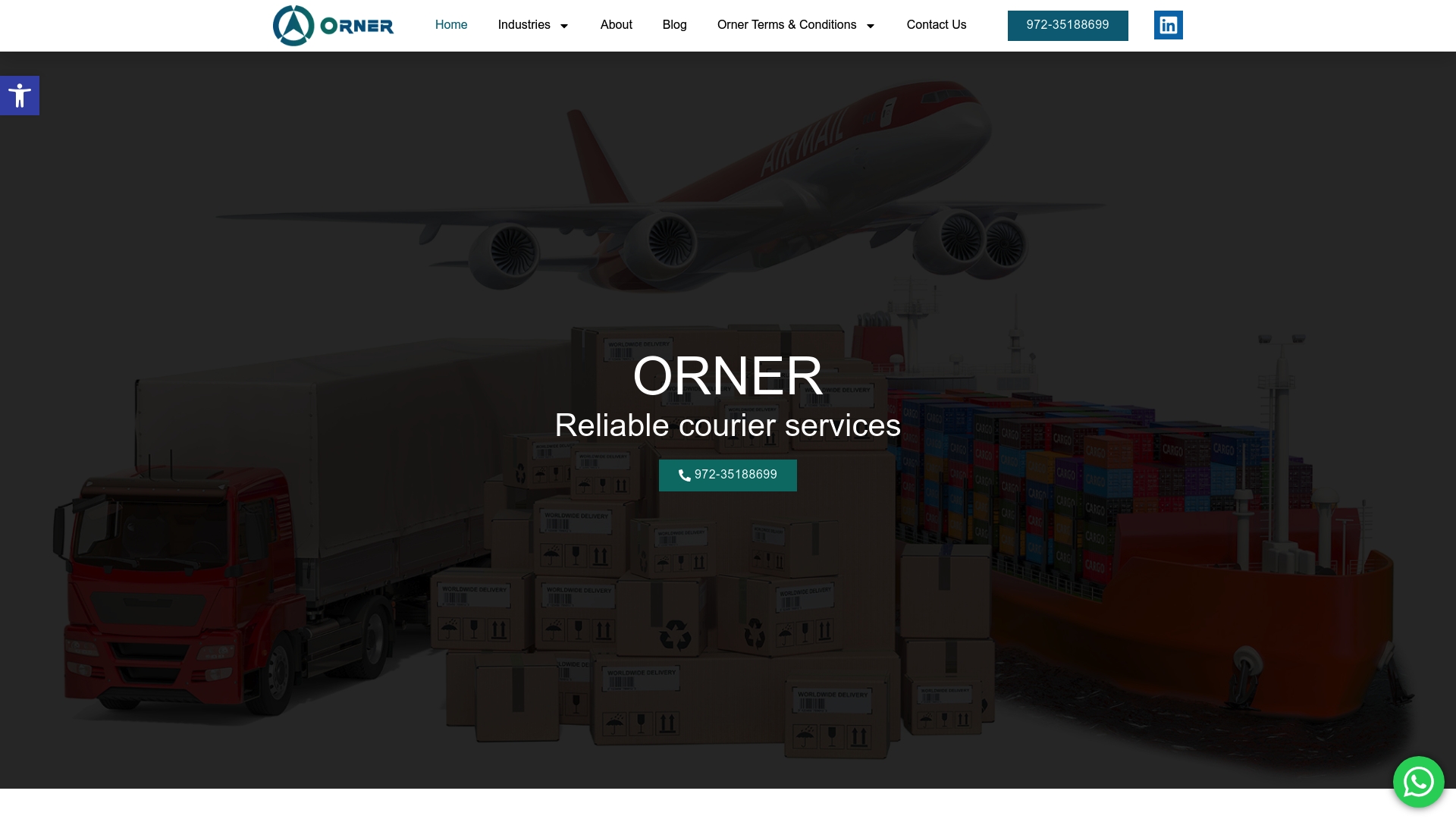
Discover how reliable courier services from Or-Ner can transform your ecommerce shipping into a streamlined, cost-efficient experience. With our end-to-end platform offering real-time shipment tracking, automated label creation, and global inventory management, you can ensure your packages arrive safely and on time. Visit Or-Ner Logistics now to get started and harness data-driven insights that optimize every step from freight booking to last-mile delivery. Do not wait until shipping slows your growth take action today to enhance customer satisfaction and scale your ecommerce operations effortlessly.
Frequently Asked Questions
What are the key factors to consider when choosing a courier for small packages?
Choosing the right courier involves evaluating package weight, dimensions, destination, shipping speed, and cost. Start by measuring and weighing your packages to accurately compare rates across different carriers.
How can I effectively compare shipping rates for my small packages?
To effectively compare shipping rates, request quotes from multiple carriers and use online shipping calculators. Create a spreadsheet to track these rates monthly and identify potential savings, which could reduce shipping costs by as much as 20%.
What packaging materials should I use to ensure my small packages arrive undamaged?
Select appropriate packaging materials such as bubble wrap, foam inserts, or padded envelopes based on the fragility of your items. Use boxes that fit snugly around your products to minimize movement and prevent damage during transit.
How can I automate the shipping label creation process?
You can automate your shipping label creation by integrating shipping software that connects with your order management system. Aim to reduce the label processing time by 50% by setting up automatic address validation and bulk label printing features.
What are some effective ways to offer delivery flexibility to customers?
To provide delivery flexibility, consider offering various shipping options such as standard, expedited, and same-day delivery. Regularly communicate with customers about available options during the checkout process to enhance their purchasing experience.
How can I integrate my shipping and inventory management for better efficiency?
Integrate your shipping and inventory management by using real-time inventory tracking and cloud-based systems. This can lead to a 30% improvement in order fulfillment speed by ensuring that stock levels are always updated and optimized for shipping.