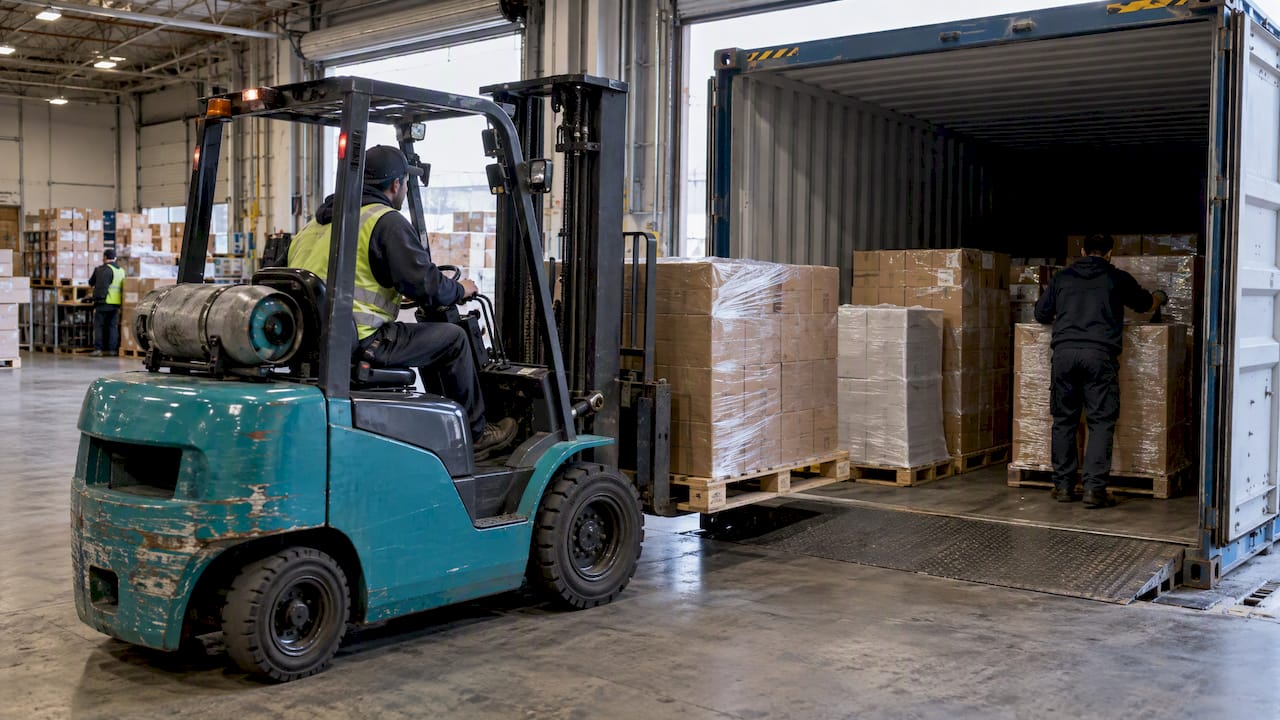
Over 80 percent of american ecommerce shoppers say fast, reliable delivery shapes their buying decisions. Finding the right shipping solutions is no small feat, especially when each detail affects both customer loyalty and your bottom line. This guide unpacks the most effective methods to help american businesses simplify shipping, cut costs, and deliver the seamless experience today’s online customers expect.
Table of Contents
- 1. Choose the Right Courier Service for Your Business
- 2. Compare Shipping Rates and Delivery Speeds
- 3. Use Automated Shipping Tools for Efficiency
- 4. Optimize Packaging to Reduce Shipping Costs
- 5. Leverage Real-Time Tracking for Visibility
- 6. Streamline Cross-Border and International Shipping
- 7. Integrate Warehousing and Fulfillment Solutions
Quick Summary
| Key Message | Explanation |
|---|---|
| 1. Choose a suitable courier service | Select a courier based on your delivery zones, pricing structure, and reliability, tailored to your products and market. |
| 2. Compare shipping rates effectively | Create a detailed spreadsheet for tracking shipping costs across carriers, considering weight, dimensions, and additional fees. |
| 3. Implement automated shipping tools | Utilize platforms like ShipStation for streamlined processes, reducing manual tasks and improving efficiency in order fulfillment. |
| 4. Optimize your packaging approach | Use lightweight and appropriately sized packaging to minimize shipping costs while protecting products during transit. |
| 5. Enhance visibility with real-time tracking | Provide robust tracking options to customers, reducing inquiries and improving satisfaction; automate notifications for better engagement. |
1. Choose the Right Courier Service for Your Business
Selecting the perfect courier service can make or break your ecommerce shipping strategy. Your choice impacts delivery speed, customer satisfaction, and overall business performance.
According to the Chamber of Commerce, finding a courier service requires careful evaluation of critical factors like delivery zones, shipping volume, and product characteristics. This means you cannot use a one size fits all approach.
Key Considerations for Courier Service Selection:
- Geographic coverage matching your target market
- Pricing structure that aligns with your business volume
- Reliability and tracking capabilities
- Specialization in handling your specific product types
Planet Reporter highlights that modern courier services should demonstrate technological integration and regulatory compliance. Look for providers offering real time tracking, automated shipping labels, and transparent pricing models.
To implement this strategy, start by mapping your current shipping needs. Calculate your average package dimensions, typical shipping destinations, and monthly shipping volume. Then research 3 5 courier services that specialize in businesses similar to yours. Request detailed quotes and compare their service offerings against your specific requirements.
Quick tip: Many ecommerce platforms now offer integrated shipping solutions that can help streamline your courier selection process and provide immediate cost comparisons.
2. Compare Shipping Rates and Delivery Speeds
Navigating the complex world of shipping rates and delivery speeds can significantly impact your ecommerce profitability and customer satisfaction. Understanding how different carriers price their services is crucial for making informed business decisions.
Retailing Summit emphasizes that shipping costs are not just about price but about aligning with your specific business needs. Your shipping strategy should balance budget constraints with customer expectations for speed and reliability.
Critical Factors in Shipping Rate Comparison:
- Base shipping rates
- Weight and dimensional pricing
- Delivery zone complexity
- Additional service fees
- Volume discounts
According to the Chamber of Commerce, delivery zones play a significant role in determining shipping prices. Urban areas typically have more competitive rates compared to remote locations.
To effectively compare shipping rates, create a detailed spreadsheet tracking rates from multiple carriers. Include variables like package weight, dimensions, typical destinations, and frequency of shipments. Many online platforms offer shipping rate calculators that can help you perform side by side comparisons.
Pro tip: Negotiate rates with carriers based on your shipping volume and consider using a mix of shipping providers to optimize costs and delivery speeds for different product types and customer locations.
3. Use Automated Shipping Tools for Efficiency
Automated shipping tools are the secret weapon for ecommerce businesses looking to streamline their logistics and reduce operational overhead. These powerful platforms can transform how you manage shipping processes from order placement to final delivery.
Retailing Summit highlights the significant benefits of automated shipping solutions like ShipStation and Sendcloud, which can dramatically reduce manual data entry and improve overall logistics efficiency.
Key Benefits of Shipping Automation:
- Automatic label generation
- Real time rate calculations
- Batch processing of multiple orders
- Integration with multiple sales channels
- Tracking and notification systems
Ecommerce Tips emphasizes how tools such as Calcurates and Intuitive Shipping can provide seamless shipping rate comparisons and enhance customer satisfaction through automated processes.
To implement shipping automation effectively, start by assessing your current order volume and shipping complexity. Choose a tool that integrates with your existing ecommerce platform and offers scalability as your business grows. Most automated shipping platforms provide free trials, allowing you to test their functionality before making a long term commitment.
Pro tip: Look for shipping tools that offer multichannel integration, allowing you to manage orders from different sales platforms in a single dashboard. This approach can save hours of manual work and reduce the potential for human error in shipping management.
4. Optimize Packaging to Reduce Shipping Costs
Packaging is more than just protecting your products it is a strategic tool for reducing shipping expenses and improving customer satisfaction. Smart packaging choices can significantly impact your bottom line.
The Chamber of Commerce emphasizes the critical importance of selecting packaging that minimizes dimensional weight while providing adequate product protection.
Key Packaging Optimization Strategies:
- Use lightweight packaging materials
- Choose boxes close to product dimensions
- Eliminate unnecessary packaging fillers
- Invest in custom sized packaging
- Consider recyclable materials
Research from the International Journal of Research and Analytical Reviews reveals that efficient packaging strategies not only reduce shipping costs but also build customer trust through professional presentation.
To implement these strategies, start by measuring your most frequently shipped products and investing in packaging that closely matches their dimensions. Consider purchasing a digital scale and measuring tools to help you precisely calculate package weights. Many shipping platforms now offer dimensional weight calculators that can help you optimize your packaging choices.
Pro tip: Standardize your packaging sizes to create bulk purchasing opportunities and negotiate better rates with shipping carriers. A consistent packaging approach can lead to significant long term cost savings and operational efficiency.
5. Leverage Real-Time Tracking for Visibility
Real-time package tracking has become a fundamental expectation for modern online shoppers. Providing transparent shipping information can transform customer experience and build trust in your ecommerce business.
The International Journal of Research and Analytical Reviews reveals that a significant majority of customers consider tracking information critically important for their purchasing decisions.
Key Benefits of Real-Time Tracking:
- Reduces customer service inquiries
- Provides transparency and builds trust
- Improves overall customer satisfaction
- Enables proactive communication
- Minimizes shipping anxiety
Planet Reporter emphasizes the importance of integrating modern technology in courier services, particularly through advanced tracking systems that offer precise transit and arrival information.
To implement effective tracking, select shipping partners with robust digital tracking platforms. Ensure your ecommerce platform can automatically send tracking links to customers immediately after shipment. Consider offering multiple notification channels such as email, SMS, and in app tracking to accommodate different customer preferences.
Pro tip: Create a dedicated tracking page on your website where customers can easily view their package status without leaving your digital ecosystem. This approach not only provides convenience but also keeps customers engaged with your brand throughout the shipping process.
6. Streamline Cross-Border and International Shipping
Expanding your ecommerce business internationally requires strategic shipping solutions that can navigate complex global logistics challenges. Successfully shipping products across borders demands careful planning and specialized tools.
The Chamber of Commerce emphasizes the critical importance of being prepared to meet customer needs across different international markets.
Critical Considerations for International Shipping:
- Understand customs regulations
- Calculate accurate international shipping rates
- Manage import duties and taxes
- Provide multilingual shipping documentation
- Select reliable international courier services
Retailing Summit recommends utilizing specialized shipping platforms like Easyship and Sendcloud to offer fast and affordable international delivery options.
To implement effective cross border shipping, start by researching specific import regulations for your target countries. Create a comprehensive pricing strategy that transparently includes potential customs fees and taxes. Consider partnering with international shipping providers who offer integrated customs clearance services.
Pro tip: Invest in a shipping platform that provides real time international rate calculations and automatically generates required customs documentation. This approach can significantly reduce administrative overhead and improve customer experience for your global clientele.
7. Integrate Warehousing and Fulfillment Solutions
As your ecommerce business grows, managing inventory and order processing becomes increasingly complex. Strategic warehousing and fulfillment solutions can transform your operational efficiency and customer experience.
Retailing Summit suggests that businesses shipping over 500 monthly orders might benefit significantly from partnering with third party logistics providers like ShipBob to streamline their operations.
Key Warehousing and Fulfillment Strategies:
- Centralize inventory management
- Automate order processing
- Implement real time tracking
- Select scalable fulfillment partners
- Minimize shipping times and costs
The Chamber of Commerce emphasizes the importance of integrating warehousing solutions that can improve overall customer satisfaction and operational performance.
To implement effective fulfillment solutions, assess your current shipping volume and growth projections. Consider hybrid models that combine in house storage with outsourced logistics to maintain flexibility. Look for providers offering technology integration, allowing seamless connections between your ecommerce platform and their inventory management systems.
Pro tip: Choose fulfillment partners with multiple warehouse locations to reduce shipping distances and enable faster delivery times across different geographic regions. This approach can significantly reduce shipping costs and improve customer satisfaction.
Below is a comprehensive table summarizing the strategies discussed for optimizing ecommerce shipping and fulfillment for businesses.
| Strategy | Implementation | Expected Results |
|---|---|---|
| Choose the Right Courier Service | Evaluate delivery zones, volume, and product types. Integrate technological and regulatory requirements. | Enhanced delivery reliability and customer satisfaction. |
| Compare Shipping Rates & Speeds | Use spreadsheets for tracking rates. Negotiate based on volume. | Cost-effective shipping and improved customer experiences. |
| Use Automated Shipping Tools | Implement tools like ShipStation for label generation and order processing. | Reduced manual workload and increased operational efficiency. |
| Optimize Packaging | Use size-appropriate, lightweight materials and standardize packaging sizes. | Lower dimensional weight charges and improved customer trust. |
| Leverage Real-Time Tracking | Partner with providers offering robust digital tracking. | Decreased customer service inquiries and increased transparency. |
| Streamline Cross-Border Shipping | Understand customs and choose specialized platforms like Easyship. | Smooth international transactions and customer satisfaction. |
| Integrate Warehousing Solutions | Centralize inventory management and automate order processing. | Minimized costs and faster delivery times. |
Elevate Your Ecommerce Shipping with Reliable Courier Services
Navigating the complexities of ecommerce shipping requires more than just knowing the best ways to ship items it demands a trusted partner who understands your unique needs. The challenges of choosing the right courier service, optimizing packaging, managing cross-border logistics, and ensuring real-time tracking can feel overwhelming. At or-ner.com, we specialize in transforming these challenges into streamlined solutions that boost your business efficiency and customer satisfaction.
Experience the power of:
- End-to-end logistics tailored for ecommerce sellers
- Real-time shipment tracking and automated workflows
- Scalable warehousing and fulfillment across global markets
- Expert handling of customs clearance and international shipping
Ready to overcome your shipping pain points and propel your ecommerce success? Discover reliable courier services and comprehensive logistics designed for your growth at or-ner.com. Take control of your supply chain today and stay ahead with seamless shipping solutions built just for you.
Frequently Asked Questions
How can I choose the right courier service for my ecommerce business?
To choose the right courier service, evaluate critical factors like geographic coverage, pricing structure, and reliability. Start by mapping your shipping needs, calculating average package dimensions, and researching 3-5 courier services that specialize in your product type.
What factors should I consider when comparing shipping rates and delivery speeds?
When comparing shipping rates, consider base rates, dimensional pricing, and delivery zone complexities. Create a detailed spreadsheet that tracks rates from multiple carriers, including variables like package weight and shipment frequency to make an informed decision.
How do I automate my shipping processes for greater efficiency?
Automating shipping processes can significantly reduce manual work. Assess your current order volume to select a shipping tool that integrates with your ecommerce platform and offers features like automatic label generation and real-time rate calculations, starting with a free trial to test functionality.
What are some effective packaging strategies to reduce shipping costs?
To reduce shipping costs, choose lightweight materials and boxes that fit your products closely to minimize dimensional weight. Measure your most frequently shipped products and invest in packaging that matches their dimensions to improve cost efficiency.
Why is real-time tracking important for my customers?
Real-time tracking is vital as it builds trust and improves customer satisfaction by providing transparency about delivery status. Integrate a tracking system with your shipping partners to ensure that customers receive updates immediately after shipment.
How can I streamline my international shipping processes?
To streamline international shipping, understand customs regulations and calculate accurate shipping rates. Research import regulations for target countries, and consider using a shipping platform that automates customs documentation and provides real-time rate calculations.