

Choosing the right courier for fragile ecommerce shipments can make the difference between a delighted customer and a costly damage claim. FedEx reports a damage rate of just 0.15% compared to USPS’s 0.30%, nearly cutting damage claims in half. Many ecommerce businesses struggle with fragile item damage during shipping, and not all couriers handle delicate products equally. This article provides a clear framework and courier comparisons to help you choose the best fragile shipping service that balances protection, speed, and cost.
Table of Contents
- How To Choose The Best Shipping Service For Fragile Items
- Top Courier Service Profiles For Fragile Items
- Damage Rate And Delivery Speed Comparison Of Major Couriers
- Insurance, Packaging, And Value-Added Services For Fragile Shipping
- Pricing And Cost Considerations For Fragile Item Shipping
- Situational Recommendations: Best Shipping Options By Ecommerce Use Case
- Find The Right Courier Solution For Your Fragile Shipments
Key Takeaways
| Point | Details |
|---|---|
| Damage rates vary significantly | FedEx leads at 0.15% while USPS reaches 0.30%, impacting customer satisfaction and return costs. |
| Multiple factors drive courier selection | Evaluate damage rates, packaging certification, insurance limits, and delivery speed together. |
| Premium services reduce total costs | A 15-25% shipping premium often prevents far costlier damage claims and returns. |
| Insurance coverage differs by carrier | FedEx and UPS offer up to $10,000 coverage while USPS caps at $5,000 for fragile items. |
| Specialized handling pays off | White glove and certified packaging services provide critical protection for high-value fragile goods. |
How to Choose the Best Shipping Service for Fragile Items
Selecting a reliable courier for fragile items requires balancing multiple priorities. Start by examining damage claim rates, which reveal how consistently a carrier protects delicate goods throughout the shipping process. Research shows that 60% of ecommerce sellers prioritize damage history and packaging when selecting fragile-item shipping services.
Packaging support matters tremendously. Look for carriers offering certified packaging solutions that meet industry standards like ISTA 6-Amazon, which rigorously tests package integrity under real-world conditions. These packaging best practices reduce damage and minimize claims.
Insurance options vary widely between carriers. Coverage limits range from $5,000 to $10,000, and claims processing efficiency can impact your cash flow and customer relationships. Consider how quickly each carrier resolves claims and whether their coverage matches your product values.
Delivery speed presents an interesting trade-off. Faster shipping reduces the time your fragile items spend in transit, potentially lowering damage risk. However, expedited services sometimes involve more intensive handling that could increase breakage. Balance speed with the carrier’s fragile handling protocols.
Pro tip: Calculate your total cost of shipping by adding the base rate, insurance, and potential damage replacement costs. A slightly higher upfront shipping cost with a low-damage carrier often saves money compared to cheaper services with frequent claims.
For very high-value items like custom glassware or premium electronics, consider premium services. White glove delivery includes specialized handling, inside placement, and even installation. Expert packers provide detailed guidance on protecting fragile items throughout the supply chain.
Top Courier Service Profiles for Fragile Items
FedEx stands out with the lowest damage claim rate at just 0.15%, making it the gold standard for fragile ecommerce shipping. The carrier provides certified packaging solutions engineered specifically for delicate items. FedEx offers insurance coverage up to $10,000 and maintains robust tracking systems that help identify handling issues quickly.
UPS delivers strong performance with a 0.23% damage rate and protective cushioning systems that reduce damage by approximately 40%. The carrier matches FedEx’s $10,000 insurance limit and provides extensive packaging guidance. UPS excels at business integrations, making it easy to automate fragile item workflows.
USPS offers a dedicated ‘Fragile Mail’ service designed for delicate items, though damage claims run higher at approximately 0.3%. Insurance caps at $5,000, which may not cover premium products. The service remains cost-effective for sellers shipping lower-value fragile items where price sensitivity outweighs damage risk.
DHL Express specializes in international fragile shipments with advanced cross-border protocols. The carrier achieves a 98.5% on-time delivery rate and provides specialized handling for customs-sensitive fragile goods. DHL’s tracking capabilities shine for ecommerce sellers managing global supply chains.
Each carrier brings distinct strengths. FedEx minimizes damage, UPS balances protection with business systems, USPS prioritizes affordability, and DHL handles international complexity. Review the full courier service comparison to understand which aligns with your specific fragile item needs.
- FedEx: Best overall damage prevention and high insurance limits
- UPS: Strong protective systems with excellent business integration
- USPS: Most affordable option for lower-value fragile items
- DHL Express: Superior international fragile item logistics
Damage Rate and Delivery Speed Comparison of Major Couriers
Damage rates tell a clear story about carrier reliability. FedEx ships fragile items with almost half the damage claims compared to USPS, a significant advantage that translates to fewer customer complaints and returns. UPS falls in the middle at 0.23%, offering solid protection without quite matching FedEx’s performance.
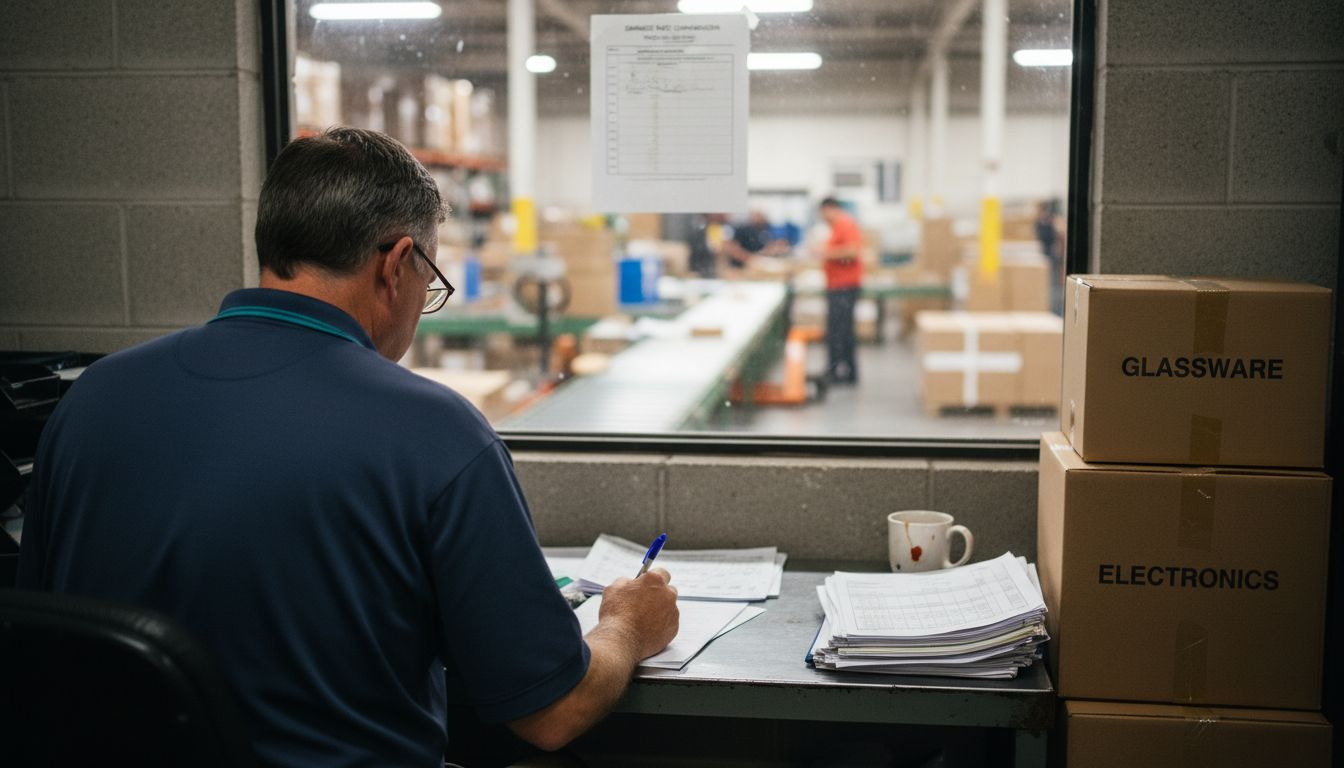
Delivery speed creates interesting trade-offs. FedEx and UPS average around 1.7 days for domestic fragile shipments, while USPS takes approximately 3.2 days. Faster delivery reduces the time your items spend in transit, potentially lowering exposure to damage. However, expedited services can involve more sorting facility transfers and intensive handling.
| Courier | Damage Rate | Avg Delivery Time | Insurance Limit | Key Strength |
|---|---|---|---|---|
| FedEx | 0.15% | 1.7 days | $10,000 | Lowest damage claims |
| UPS | 0.23% | 1.7 days | $10,000 | Protective cushioning systems |
| USPS | 0.30% | 3.2 days | $5,000 | Cost-effective pricing |
| DHL Express | 0.20% | 2.1 days | $10,000 | International expertise |
The relationship between speed and damage is not always linear. Some express services prioritize quick movement over careful handling, while others maintain rigorous protocols regardless of service level. Review each carrier’s specific fragile handling procedures for the service tier you select.
Pro tip: For extremely delicate items, choose a service level that emphasizes careful handling over pure speed. A signature-required delivery that takes two days with gentle handling beats a next-day service with rough sorting.
Consider how delivery windows align with recipient availability. A fast delivery to an empty porch risks theft or weather damage. Coordinate delivery timing with your customers or choose carriers offering precise delivery windows. Check this detailed courier comparison for specific service level analysis.
- FedEx leads in both low damage rates and fast delivery
- UPS matches FedEx speed with slightly higher damage risk
- USPS trades speed for lower pricing
- DHL excels at international fragile logistics
Insurance, Packaging, and Value-Added Services for Fragile Shipping
Insurance coverage provides financial protection when damage occurs despite best efforts. FedEx and UPS both offer declared value coverage up to $10,000, while USPS caps at $5,000. These limits matter when shipping premium products like custom artwork or high-end electronics.
Claims processing efficiency separates good coverage from great coverage. Fast, straightforward claims resolution keeps your cash flow healthy and maintains customer relationships. Research each carrier’s claims reputation and typical resolution timeframes before committing to large fragile shipments.
Packaging certification dramatically improves damage resistance. ISTA 6-Amazon testing simulates real-world shipping stresses including drops, compression, and vibration. Carriers offering certified packaging solutions help you meet marketplace requirements while protecting your products. Following the shipping fragile items guide ensures your packaging meets professional standards.
White glove services provide premium handling from pickup through final placement. Trained specialists use proper lifting techniques, secure items in vehicles, and often unpack and inspect goods with the recipient. This service level makes sense for furniture, large mirrors, chandeliers, and other items where standard parcel handling creates unacceptable risk. Learn more about white glove delivery and when it justifies the premium.
Integrated returns simplify reverse logistics for fragile items. Customers appreciate prepaid return labels and straightforward processes when damage does occur. Carriers offering seamless returns integration reduce your operational burden and improve buyer confidence.
- Declared value insurance protects against financial loss but does not prevent physical damage
- ISTA 6-Amazon certification ensures packaging withstands real-world shipping conditions
- White glove services add 30-50% to shipping costs but dramatically reduce damage for high-value items
- Efficient claims processing maintains cash flow and customer satisfaction
Pricing and Cost Considerations for Fragile Item Shipping
Fragile item handling commonly incurs a 15-25% price premium over standard shipping, but this investment often prevents far costlier damage claims and returns. Industry analysis shows the typical 15-25% shipping cost premium reduces damage claims significantly, delivering positive return on investment.
Damage costs extend beyond replacement product value. Factor in return shipping, customer service time, potential negative reviews, and lost future sales from disappointed customers. A $200 vase might generate $500 in total costs when damaged, making a $15 fragile handling fee look very reasonable.
Courier pricing varies based on multiple factors. Package weight and dimensions affect base rates, while fragile handling adds a surcharge. Insurance costs scale with declared value. Delivery speed creates another pricing tier, with overnight services commanding significant premiums.
Balance cost and protection strategically:
- Assess item fragility and replacement cost
- Compare service premiums across multiple carriers
- Evaluate included insurance versus add-on coverage
- Calculate total damage risk exposure
- Select the service offering best value, not just lowest price
Volume discounts change the equation for established sellers. Many carriers offer better rates once you reach certain monthly shipment thresholds. Negotiate based on your shipping volume and commitment level. Review efficient ecommerce shipping tips for strategies to optimize shipping costs.
Seasonal pricing fluctuations affect fragile item shipping. Peak holiday periods often see surcharges and reduced service quality as carriers manage volume spikes. Plan inventory and shipping schedules to avoid peak season premiums when possible.
- Fragile handling premiums typically add 15-25% to base shipping costs
- Total damage costs often exceed 3-5x the product value
- Volume commitments unlock better per-shipment pricing
- Seasonal surcharges can add another 10-20% during peak periods
Situational Recommendations: Best Shipping Options by Ecommerce Use Case
High-value electronics and glassware demand maximum protection. FedEx delivers the lowest damage rates, certified packaging options, and $10,000 insurance coverage. The premium you pay prevents costly claims and maintains your brand reputation with discerning customers.
Cost-sensitive sellers moving lower-value fragile items may find USPS Fragile Mail acceptable. The higher damage rate becomes manageable when replacement costs stay modest. Calculate your break-even point where damage claim frequency justifies upgrading to a premium carrier.
Fastest fragile delivery in the US goes to FedEx or UPS, both averaging 1.7 days. These carriers maintain speed without sacrificing their fragile handling protocols. Choose express services when delivery timing matters for customer satisfaction or event deadlines.
International fragile shipments require specialized expertise. DHL Express provides dedicated cross-border protocols, customs documentation support, and tracking visibility throughout global transit. The carrier understands international fragile item regulations and packaging requirements.
Bulk fragile shipments benefit from carrier partnerships and negotiated rates. Establish relationships with account managers who understand your specific fragile item needs. Volume commitments often unlock custom packaging solutions and dedicated pickup schedules.
- Best for premium electronics: FedEx (lowest damage, certified packaging)
- Best for budget-conscious sellers: USPS (acceptable for lower-value fragile items)
- Best for speed: FedEx or UPS express services
- Best for international: DHL Express (specialized cross-border handling)
- Best for volume sellers: Negotiate custom programs with your primary carrier
Find the Right Courier Solution for Your Fragile Shipments
Shipping fragile items successfully requires matching courier capabilities to your specific product and business needs. The insights above help you evaluate damage rates, packaging standards, insurance coverage, and service premiums to make informed decisions.
Discover how reliable courier services in the USA can transform your fragile item logistics. ORNER connects ecommerce sellers with specialized shipping solutions designed to reduce damage and delight customers. Explore courier services for small businesses tailored to your volume and budget, or dive into best courier service tips for ecommerce to optimize your entire shipping operation. The right courier partnership protects your products, your reputation, and your bottom line.
Frequently Asked Questions
What factors most impact fragile item damage during shipping?
Packaging quality forms the first line of defense, with certified solutions like ISTA 6-Amazon dramatically outperforming standard boxes. Courier handling protocols matter equally, as carriers with specialized fragile item training and systems show measurably lower damage rates. Transit conditions including temperature extremes, humidity, and route roughness also contribute, which is why shorter delivery windows often reduce damage exposure.
How do insurance coverage limits affect fragile item shipping choices?
Higher insurance limits reduce financial risk for valuable fragile items, with $10,000 coverage from FedEx and UPS protecting premium products that USPS’s $5,000 cap cannot fully cover. Efficient claims processing accelerates reimbursement and maintains business continuity when damage does occur. Evaluate both coverage limits and each carrier’s claims reputation before shipping high-value fragile goods.
Are faster delivery options always better for fragile shipments?
Faster delivery reduces transit time risk and exposure to handling damage, but expedited services sometimes involve more intensive sorting and transfers. Balance speed with the specific fragile handling protocols each service level provides. For extremely delicate items, a two-day service with specialized handling often outperforms overnight shipping with standard procedures.
What packaging standards should ecommerce sellers look for?
Look for ISTA 6-Amazon or equivalent industry-standard certified packaging that has passed rigorous testing for drops, compression, and vibration. Proper internal cushioning using foam, bubble wrap, or air pillows prevents item movement during transit. Double-boxing provides an extra protection layer for very fragile items, creating a cushioned void between inner and outer containers.
Recommended
- Master Shipping Fragile Items: A Step-by-Step Guide – ORNER
- 7 Best Ways to Ship Fragile Items Safely for Ecommerce – ORNER
- Sea Freight vs Air Freight: Best Shipping Choice 2025 – ORNER
- Best Courier Services – Expert Comparison 2025 – ORNER
- How to Pack Fragile Items for Safe Moves in Melbourne – Onyx Removals