More than 80 percent of american shoppers say fast and reliable shipping directly influences where they shop online. Managing this expectation can quickly turn into a juggling act as merchants try to keep costs in check while meeting rising demands. With so many factors at play, finding the right shipping partners and strategies makes all the difference. This guide highlights which features and decisions will help your american business deliver great experiences and protect your bottom line.
Table of Contents
- Understand Delivery Speed Versus Cost Balance
- Choose Couriers With Real-Time Tracking Support
- Evaluate Integrated Fulfillment and Warehouse Services
- Prioritize Reliable International Shipping Solutions
- Look For Flexible Returns and Exception Management
- Assess Data Analytics and Reporting Capabilities
- Check Customer Support and Service Guarantees
Quick Summary
| Key Insight | Explanation |
|---|---|
| 1. Balance Delivery Speed and Costs | Find the optimal trade-off between delivery speed and shipping costs to enhance customer satisfaction while maintaining profitability. |
| 2. Select Couriers with Real-Time Tracking | Choose courier partners that offer real-time tracking capabilities to improve customer experience and logistics performance. |
| 3. Utilize Integrated Fulfillment Services | Streamline logistics by partnering with providers that offer both warehousing and fulfillment services to enhance efficiency. |
| 4. Implement Effective Returns Management | Create a straightforward returns process to turn potential challenges into opportunities for customer loyalty and satisfaction. |
| 5. Invest in Data Analytics for Shipping | Leverage data analytics to identify inefficiencies and improve decision-making in your shipping operations. |
1. Understand Delivery Speed Versus Cost Balance
Balancing delivery speed with shipping costs is a critical strategy for ecommerce sellers seeking to maximize customer satisfaction while maintaining profitability. Understanding the nuanced relationship between shipping velocity and transportation expenses can transform your logistics approach.
Research from Columbia Business School reveals a fascinating insight: reducing delivery time by one day can increase customer demand by approximately 1.98%, which is equivalent to offering a 3.14% price discount. However, this benefit is not linear and diminishes beyond a certain point.
To effectively manage this balance, consider these strategic approaches:
- Analyze Customer Expectations: Not all products require ultra fast shipping
- Map Delivery Cost Thresholds: Identify the point where additional speed generates minimal returns
- Segment Shipping Options: Offer multiple speed tiers to accommodate different customer preferences
The key is finding your optimal speed cost sweet spot. By carefully studying your market and tracking shipping performance metrics, you can design a delivery strategy that meets customer needs without unnecessarily inflating operational expenses.
A strategic approach from MIT’s Center for Transportation and Logistics suggests optimizing fulfillment center locations can help achieve timely deliveries without excessive transportation costs. This approach allows businesses to minimize shipping distances and reduce overall logistics expenditures while maintaining competitive delivery speeds.
2. Choose Couriers With Real-Time Tracking Support
Real-time tracking is no longer a luxury but a fundamental requirement for modern ecommerce shipping strategies. Selecting courier partners with robust tracking capabilities can dramatically improve your logistics performance and customer experience.
Research from ArXiv’s multi-agent learning study demonstrates that couriers with advanced tracking systems enable more efficient routing and fulfillment strategies, directly contributing to improved delivery performance and heightened customer satisfaction.
Key Advantages of Real-Time Tracking:
- Provides complete shipment visibility
- Enables proactive customer communication
- Reduces customer service inquiries
- Builds trust through transparency
When evaluating potential courier partners, prioritize those offering comprehensive tracking features. Look for platforms that provide granular location updates, estimated delivery windows, and instant notification systems. Understanding reliable courier services can help you make informed decisions about which tracking technologies truly meet your business needs.
According to research on omnichannel order fulfillment, integrating real-time tracking allows businesses to monitor delivery progress accurately, manage customer expectations, and address potential delays proactively. This approach transforms shipping from a transactional process into a strategic customer engagement opportunity.
Practical implementation means selecting couriers who offer API integrations, mobile tracking capabilities, and customizable notification settings. Your goal is creating a seamless, transparent shipping experience that keeps customers informed and confident throughout their purchase journey.
3. Evaluate Integrated Fulfillment and Warehouse Services
Integrated fulfillment and warehouse services represent a strategic approach to streamlining your ecommerce shipping operations. By selecting providers that offer comprehensive logistics solutions, you can transform your supply chain from a fragmented process to a synchronized ecosystem.
Research from MIT’s Center for Transportation and Logistics reveals that a well-designed network of fulfillment centers can optimize inventory distribution, reduce transportation costs, and meet critical delivery speed requirements.
Key Aspects to Evaluate in Integrated Services:
- Inventory management capabilities
- Geographic distribution of warehouses
- Technology integration potential
- Scalability of fulfillment infrastructure
- Flexibility in order processing
Studies on e-commerce fulfillment strategies demonstrate that combining warehouse operations with fulfillment processes can dramatically improve operational efficiency. Understanding ecommerce fulfillment solutions becomes crucial for businesses aiming to compete in a rapidly evolving digital marketplace.
Practical implementation means looking beyond simple storage solutions. Seek partners who offer advanced technologies like real-time inventory tracking, automated order routing, and seamless multichannel integration. These capabilities enable you to adapt quickly to market demands and customer expectations.
A comprehensive approach to integrated services allows you to reduce overhead costs, minimize shipping times, and create a more responsive supply chain. By strategically evaluating and selecting the right fulfillment partners, you can transform logistical challenges into competitive advantages.
4. Prioritize Reliable International Shipping Solutions
Expanding your ecommerce business globally requires a strategic approach to international shipping. Selecting the right courier partners can make the difference between seamless global operations and logistical nightmares.
Research on package delivery optimization highlights the critical need for robust international shipping strategies. According to studies, mathematical simulations demonstrate the importance of optimizing delivery routes and carrier combinations to minimize costs and ensure timely deliveries across borders.
Critical Factors for International Shipping Success:
- Comprehensive customs documentation support
- Multiple carrier network capabilities
- Transparent pricing structures
- Proven performance in target markets
- Advanced tracking and communication systems
International parcel shipping requires more than simply selecting the cheapest option. A study on omnichannel order fulfillment emphasizes the need to manage delivery time uncertainties and prioritize couriers with proven international performance.
Practical implementation means conducting thorough due diligence on potential shipping partners. Evaluate their global network, understand their customs clearance processes, and assess their reliability through performance metrics and customer testimonials.
The most successful ecommerce businesses treat international shipping as a strategic capability rather than a simple operational task. By investing time in selecting reliable shipping solutions, you create a competitive advantage that can significantly enhance your global market presence.
5. Look For Flexible Returns and Exception Management
Returns and delivery exceptions are inevitable in ecommerce shipping. The most successful businesses transform these potential challenges into opportunities for building customer loyalty and operational excellence.
Research on omnichannel order fulfillment reveals that incorporating adaptive strategies for handling returns and delivery exceptions can significantly enhance customer satisfaction and operational efficiency. Understanding order fulfillment solutions becomes critical in developing a robust logistics approach.
Key Components of Effective Returns Management:
- Streamlined return authorization processes
- Clear and transparent return policies
- Minimal customer effort in return submission
- Quick refund or replacement mechanisms
- Detailed tracking of return shipments
According to studies on fulfillment and routing strategies, implementing dynamic approaches to manage returns and address delivery issues can dramatically improve service reliability and customer trust. This means going beyond simple return procedures and creating a comprehensive system that anticipates and resolves potential problems.
Practical implementation requires selecting courier services that offer advanced exception management tools. Look for partners who provide real-time tracking, automated communication, and flexible solutions for handling damaged, lost, or delayed shipments.
Ultimately, your returns and exception management strategy should transform potential friction points into moments of customer delight. By proactively managing these scenarios, you can turn a potentially negative experience into an opportunity to demonstrate your commitment to customer satisfaction.
6. Assess Data Analytics and Reporting Capabilities
In the world of modern ecommerce shipping, data is the new currency. Advanced data analytics and reporting capabilities can transform your logistics strategy from reactive guesswork to proactive strategic planning.
Research on multi-agent learning in e-commerce fulfillment demonstrates that leveraging advanced analytics can optimize fulfillment and routing strategies, directly leading to substantial cost reductions and improved delivery performance. Supply chain integration guides underscore the critical role of comprehensive data analysis in logistics management.
Key Data Analytics Capabilities to Evaluate:
- Real-time performance tracking
- Predictive delivery time forecasting
- Carrier performance comparison metrics
- Shipping cost optimization insights
- Comprehensive exception reporting
According to studies on omnichannel order fulfillment, utilizing data-driven approaches enhances decision-making processes and ensures operational efficiency. This means moving beyond simple tracking to understanding deeper patterns in your shipping ecosystem.
Practical implementation requires selecting courier services that offer robust reporting tools. Look for platforms that provide not just raw data, but actionable insights that can help you continuously improve your shipping strategies.
Successful businesses treat data analytics as a strategic asset. By systematically analyzing shipping performance, you can uncover hidden inefficiencies, predict potential issues, and make informed decisions that drive your logistics operations forward.
7. Check Customer Support and Service Guarantees
Customer support is the invisible backbone of successful courier services. Beyond tracking numbers and delivery times, the quality of support can make or break your shipping experience.
Research on omnichannel order fulfillment emphasizes that providing clear service commitments and responsive support significantly enhances customer satisfaction and loyalty. Understanding reliable courier services reveals the critical nature of comprehensive customer support strategies.
Essential Customer Support Elements:
- 24/7 communication channels
- Multiple contact options
- Clear escalation procedures
- Proactive problem resolution
- Transparent service level agreements
According to studies on fulfillment and routing strategies, ensuring reliable communication and addressing customer concerns promptly can dramatically improve service quality and build long term trust. This means looking beyond surface level support and evaluating the depth of a courier’s commitment to resolving complex shipping challenges.
Practical implementation requires thoroughly examining potential courier partners service guarantees. Request detailed documentation about their support protocols, average response times, and compensation policies for shipping errors or delays.
The most reliable courier services view customer support not as an operational cost, but as a critical opportunity to demonstrate their commitment to your business success. Your goal is to partner with a provider that treats your shipping challenges as their own personal mission.
Below is a comprehensive table summarizing the strategies for optimizing ecommerce shipping discussed throughout the article.
| Strategy | Implementation | Expected Results |
|---|---|---|
| Balance Delivery Speed and Cost | Analyze customer expectations, map delivery cost thresholds, segment shipping options. | Maximize satisfaction and profitability by finding the cost-speed sweet spot. |
| Real-Time Tracking Couriers | Choose couriers with advanced tracking, offer API integrations, and mobile capabilities. | Enhance logistics performance, improve customer experience, and reduce service inquiries. |
| Integrated Fulfillment Services | Evaluate inventory management, geographic distribution, and technology integration. | Streamline operations, reduce costs, and meet delivery speed requirements. |
| Reliable International Shipping | Conduct due diligence on partners, ensure customs support and transparent pricing. | Achieve seamless global operations and enhance market presence. |
| Flexible Returns Management | Implement streamlined return processes and dynamic exception management. | Improve customer satisfaction and operational efficiency. |
| Data Analytics Capabilities | Utilize platforms offering real-time tracking and predictive insights. | Optimize strategies, uncover inefficiencies, and improve delivery performance. |
| Customer Support Excellence | Ensure 24/7 support, clear escalation procedures, and transparent SLAs. | Build long-term trust and enhance service quality. |
Elevate Your Ecommerce Shipping with Trusted, Data-Driven Courier Solutions
Balancing delivery speed, cost, and customer satisfaction is one of the hardest challenges ecommerce sellers face today. This article highlights how optimizing every detail—from real-time tracking and integrated fulfillment services to flexible returns management and powerful data analytics—can turn shipping headaches into competitive advantages. If you want to eliminate uncertainty and create smooth, reliable delivery experiences your customers will love, you need a logistics partner who understands these priorities intimately.
At or-ner.com, we specialize in connecting you with reliable courier services and comprehensive fulfillment solutions designed to meet those exact goals. Our platform offers real-time shipment tracking, global warehouse networks, customs clearance expertise, and advanced data reporting tools that empower you to make smarter shipping decisions. We support sellers of all sizes to scale efficiently while keeping customers informed and satisfied at every step.
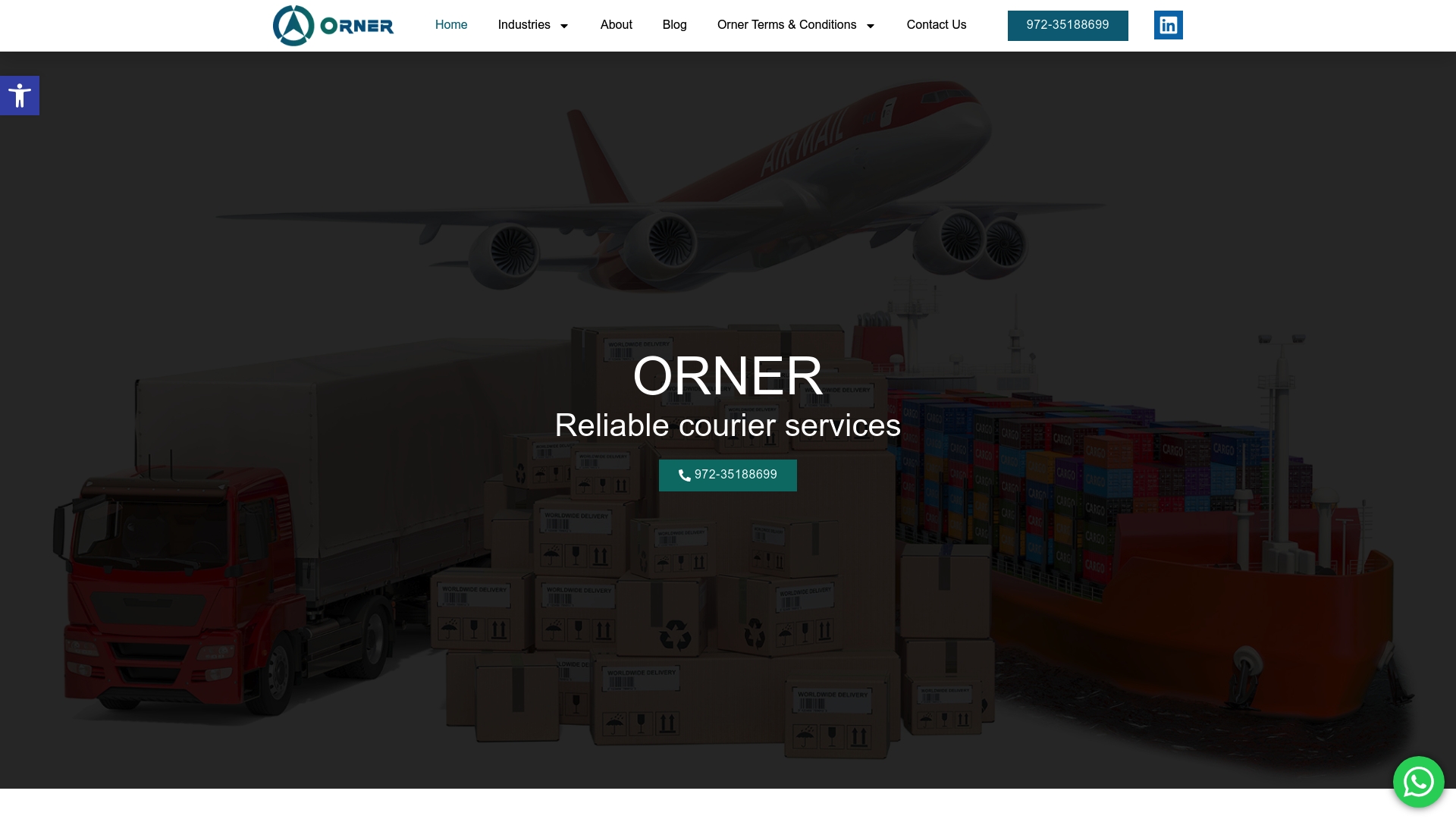
Transform your ecommerce operations today by partnering with a logistics platform that brings together technology, transparency, and tailored support. Explore our full suite of services at or-ner.com and take the next step to streamline shipping, reduce costs, and delight your customers. Your efficient, hassle-free ecommerce shipping future starts now.
Frequently Asked Questions
How can I balance delivery speed and cost for my ecommerce shipping?
To balance delivery speed and cost, analyze customer expectations and shipping cost thresholds. Consider offering multiple speed tiers to accommodate different preferences, ultimately helping you maximize customer satisfaction without inflating operational expenses.
What are the advantages of choosing couriers with real-time tracking?
Selecting couriers with real-time tracking provides complete shipment visibility, enables proactive communication, and reduces customer service inquiries. Prioritize courier partners that offer granular tracking features to keep customers informed about their orders.
What should I look for in integrated fulfillment and warehouse services?
In integrated fulfillment and warehouse services, evaluate inventory management capabilities, geographic distribution of warehouses, and technology integration potential. Choose partners that offer advanced technologies for real-time tracking and automated order routing to improve operational efficiency.
How do I choose reliable solutions for international shipping?
To choose reliable international shipping solutions, assess potential partners based on their customs documentation support, carrier network capabilities, and transparency in pricing. Conduct thorough due diligence to ensure they have proven performance in international markets.
What key components should I include in my returns management strategy?
Your returns management strategy should include streamlined return authorization processes, clear and transparent return policies, and quick refund mechanisms. These components help minimize customer effort and increase overall satisfaction with your service.
How can data analytics improve my ecommerce shipping operations?
Utilizing data analytics can enhance your shipping operations by providing insights into real-time performance tracking, predictive delivery time forecasting, and shipping cost optimization. Implementing robust reporting tools will help you continuously refine your logistics strategy for better decision-making.