Here’s the one-sentence version: before anything leaves the ground, you need a confirmed booking and Air Waybill, a commercial invoice, a packing list, correct HS classification, any Partner Government Agency (PGA) permits your goods require, and for U.S.-bound freight, complete Air Cargo Advance Screening (ACAS) data filed ahead of loading. Miss any one of those and your shipment sits, gets flagged, or gets fined.
Responsibility splits four ways. The shipper preps documents and classifies the goods. The freight forwarder books space, consolidates cargo, and often files ACAS on the shipper’s behalf. The air carrier issues the Master AWB and transmits manifest data to customs. The customs broker lodges the import entry and clears goods on arrival. CBP describes this as a shared responsibility between traders and the agency, and that framing holds whether you’re exporting out of Chicago or importing into Frankfurt.
- Confirm HS code and any export license or PGA requirement before booking.
- Lock in carrier cut-off times and ACAS filing windows.
- Decide now: self-file the entry, or hand it to a broker.
Pro Tip: If you’ve never shipped this commodity before, run the HS classification past your forwarder before you quote the customer. A wrong code can turn a two-day clearance into a two-week hold.
Key Takeaways
Air freight import and export procedures succeed or fail on document accuracy and filing timing, especially ACAS data submitted before consolidation.
| Point | Details |
|---|---|
| Non-negotiable documents | AWB, commercial invoice, packing list, and correct HS classification must be ready before booking. |
| ACAS filing timing | Enhanced ACAS data, including consignee contact details, must reach customs before consolidation or loading. |
| Export sequence matters | Pickup, booking, documentation, screening, and manifest filing follow a fixed order with real cut-offs. |
| Import holds often trace to contact data | Wrong or incomplete consignee information causes selectee holds even on fully compliant cargo. |
| Or-ner centralizes the filing burden | Or-ner coordinates ACAS filing, customs brokerage, and delivery tracking so shippers avoid manual handoff errors. |
Table of Contents
- What Are the Steps for Air Export Procedures?
- How Does the Air Import Clearance Process Work?
- What Documents Do You Need for Air Freight Export?
- What Are the ACAS and Advance Manifest Filing Rules?
- How Should You Package and Palletize Air Cargo?
- What Drives Air Freight Timelines and Costs?
- When Should You Use a Freight Forwarder or Customs Broker?
- Let Or-ner Handle the Filing While You Handle the Business
- Where to Verify the Rules Yourself
- Sources
- FAQ
What Are the Steps for Air Export Procedures?
Export is a relay race with seven handoffs, and the baton drops most often between step four and step five.
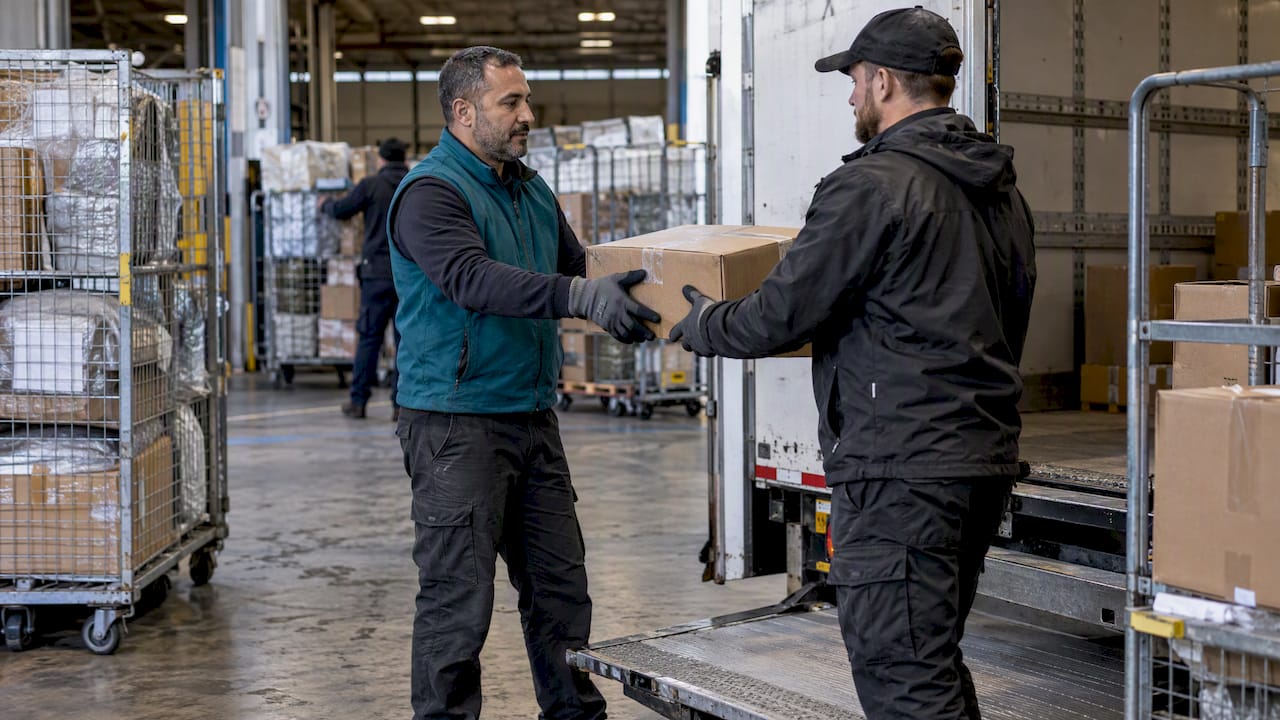
- Pickup and packing. The shipper packs and labels goods to carrier and IATA specifications, then hands off to the forwarder or a designated pickup point.
- Booking. You reserve space with a carrier or forwarder, typically 3 to 7 days ahead for standard freight, longer during peak season.
- Export documentation and permits. The shipper or forwarder assembles the commercial invoice, packing list, and any export license or certificate of origin.
- Security screening. Cargo clears screening through a known consignor or regulated agent, unless it’s already been screened upstream.
- AWB and manifest filing. The carrier issues the Master AWB (and House AWB if a forwarder is consolidating), then transmits manifest data. This is where ACAS data for U.S.-bound freight has to be complete, and incomplete or late Enhanced ACAS filings are a leading cause of Do Not Load orders.
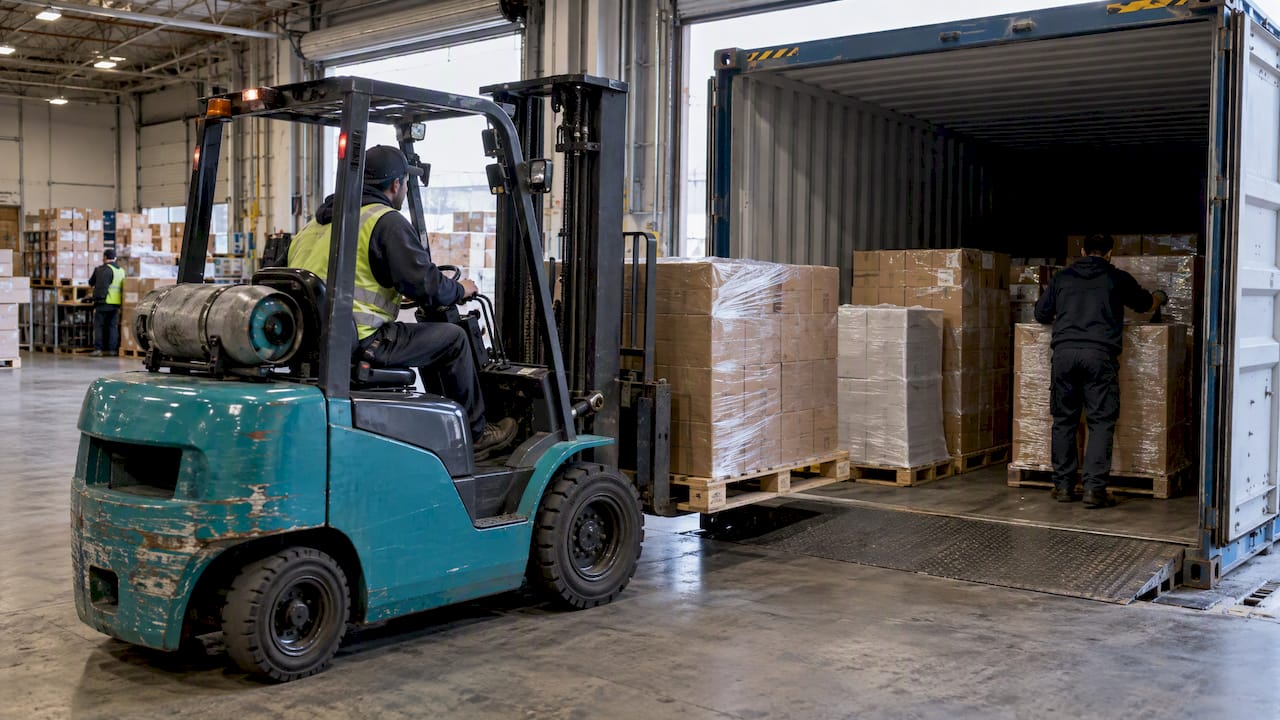
- Consolidation and acceptance. The forwarder builds ULDs or loose freight into the flight plan; the carrier accepts cargo against the booking.
- Loading and departure. Cargo loads once screening, documentation, and manifest data all clear.
Pro Tip: The single most common export mistake isn’t a missing document. It is late booking that misses the carrier’s ACAS cut-off, forcing a rebooking on a later flight. Our air export freight forwarding guide walks through each handoff in more detail.
How Does the Air Import Clearance Process Work?
Import starts the moment wheels touch down, but the paperwork trail starts hours earlier.
- Flight arrival and arrival notice. The carrier or forwarder issues an arrival notice to the consignee, naming the AWB, flight, and estimated pickup date.
- Arrival at the airport/cargo facility and break-bulk. Consolidated shipments get broken down by House AWB; direct MAWB shipments move straight to the next step.
- Customs entry lodgement. The customs broker (sometimes the importer, if self-filing) submits the entry using the classified HS code and invoice value.
- Inspection and PGA holds. Customs may hold cargo for physical exam or for a PGA sign-off, such as an FDA or USDA review on regulated commodities.
- Release and delivery. Once cleared, the carrier or ground handler releases cargo to the consignee’s trucker for final delivery.
Who acts at each stage depends on the flow type. Express shipments often move under a single carrier-filed entry with minimal consignee involvement. Consolidated freight requires the deconsolidator to separate House AWBs before entry. Direct MAWB shipments put more of the filing burden on the named consignee or their broker.
- Misclassified HS codes trigger duty disputes and re-entry delays.
- Missing PGA permits stop cargo cold, regardless of how clean the rest of the paperwork is.
- Wrong or incomplete consignee contact details cause selectee holds that have nothing to do with the goods themselves.
Our import freight forwarding guide and customs clearance walkthrough both go deeper into the entry-filing mechanics.
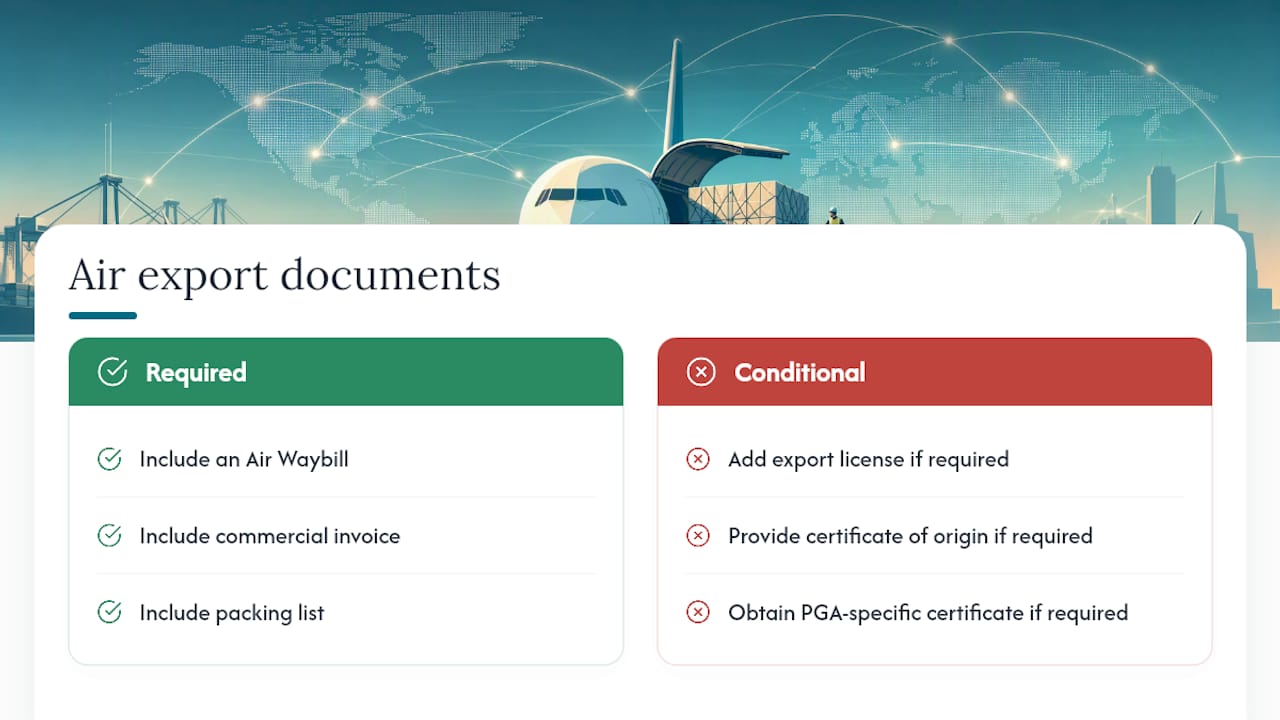
What Documents Do You Need for Air Freight Export?
Every clean clearance starts with the same paper trail. Miss one item here and it usually surfaces later as a manifest mismatch or a customs query, not as an upfront rejection, which is what makes it costly.
- Air Waybill (AWB): the contract of carriage. A Master AWB (MAWB) covers the full consignment from carrier to forwarder; a House AWB (HAWB) covers each individual shipper’s cargo within a consolidation.
- Commercial invoice: states value, buyer, seller, and goods description; the backbone of both the customs entry and the ACAS filing.
- Packing list: breaks down piece count, weight, and dimensions per package, and it’s what customs cross-checks against the AWB.
- Export licenses and permits: required for controlled, dual-use, or regulated commodities, and classification depends on both HS code and, for controlled goods, an ECCN.
- Certificate of origin: needed when trade agreements or destination-country rules require proof of where goods were made.
- PGA-specific certificates: an FDA prior notice, a USDA phytosanitary certificate, or similar, depending on commodity.
- Insurance certificate: not always mandatory, but expected for high-value or fragile cargo.
Labeling matters just as much as paperwork. Dangerous goods need IATA-compliant hazard labels, ULDs need correct build-up markings, and general handling labels (this-side-up, fragile, temperature-sensitive) reduce mishandling claims. Correct HS classification, which follows the UN’s Harmonized System standard, underpins both the invoice and the manifest data carriers submit. Our documentation checklist and export compliance guide cover licensing specifics by commodity type.
What Are the ACAS and Advance Manifest Filing Rules?
Advance electronic filing isn’t optional for inbound U.S. air cargo. Under 19 CFR §122.48a, carriers and other eligible parties must transmit specified cargo data before arrival, with timing tied to origin: wheels-up for close-in flights, or four hours before arrival for cargo from more distant foreign areas. Eligible filers include the carrier itself, an ABI filer, a container freight station or deconsolidator, or an express consignment facility.
ACAS layers a security screen on top of that. It’s been mandatory for U.S.-bound air cargo since 2018, and CBP’s Enhanced ACAS rule now requires additional data elements, including consignee email and phone, packing location, known-consignor status, and e-commerce transaction indicators, all of which need to reach CBP before consolidation or loading, not after.
- Message formats include CAMIR and Cargo-IMP types like PWB/FWB for waybill data and PRI/FRI for pre-arrival and freight information.
- Filers get back operational response codes: PSN/SR and PSN/SF confirm screening status, PER flags a problem requiring correction.
- Hazardous cargo needs its HMI (Hazmat Information) line correct, or the whole manifest record can bounce.
CBP’s own guidance is blunt about the payoff: the earlier and more accurate the ACAS data, the lower the odds of a Do Not Load order or a selectee hold once cargo reaches the airport.
Pro Tip: Before you hand off a shipment, double-check the AWB number and the SHP/CNE (shipper/consignee) lines against the invoice. A mismatch here is the single most common reason forwarders report Freight Error Outbound messages instead of a clean PSN response.
How Should You Package and Palletize Air Cargo?
Air cargo lives or dies on weight and balance. Freight that shifts mid-flight isn’t just a damage risk, it’s a safety issue the carrier will refuse to load if it isn’t blocked and braced correctly.
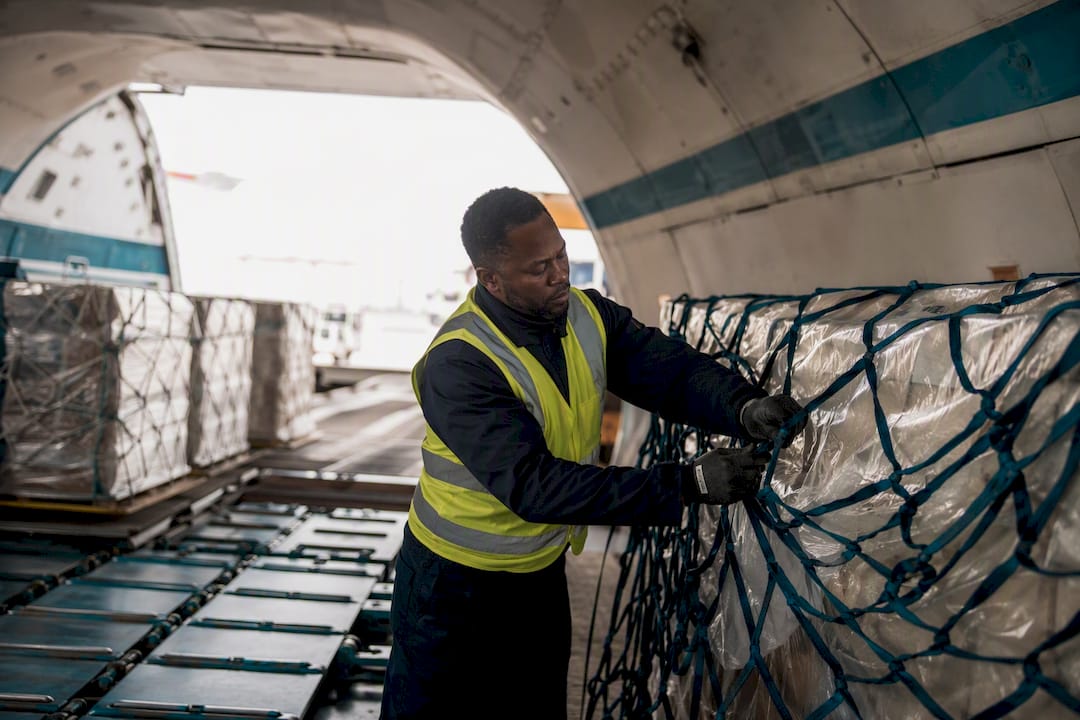
- Build to ULD dimensions when your volume justifies it; loose or “bulk” cargo works for smaller shipments but costs more per kilo.
- Palletize wherever possible. Pallets speed handling and reduce piece-count discrepancies against the AWB.
- Secure with proper blocking, bracing, and strapping. Loose cargo inside a ULD shifts during turbulence.
- Dangerous goods need a signed Shipper’s Declaration, UN-rated packaging, and IATA-compliant labeling before a carrier will even quote the shipment.
What Drives Air Freight Timelines and Costs?
Standard bookings need roughly 3 to 7 days of lead time before flight departure, though peak-season capacity can push that further out. ACAS and advance manifest data have to reach CBP before loading, which in practice means your forwarder’s internal cut-off sits well ahead of the carrier’s own deadline. Miss it, and correcting the data after the fact, per the timeframes set out in 19 CFR §122.48a, can mean rescreening or a bumped flight.
- Fuel surcharges and security fees move with market conditions and add up fast on high-volume lanes.
- Consolidated shipments cost less per kilo than direct bookings but take longer to break down on arrival.
- Dimensional weight, not just actual weight, sets the billed rate on bulky, light cargo.
- Storage and demurrage stack up daily once cargo clears the aircraft but sits waiting on a hold or missing paperwork.
Incomplete documentation or a late ACAS filing rarely just delays a shipment. It usually adds cost too, in rescreening fees, storage charges, or a forced rebooking onto the next available flight.
When Should You Use a Freight Forwarder or Customs Broker?
Complexity is the deciding factor, not shipment size. A single, simple commodity moving on a well-worn lane might not need a forwarder. Add a PGA permit requirement, marketplace-origin e-commerce data, or a first-time lane, and in-house handling gets risky fast.
A capable forwarder books space, files ACAS, consolidates House AWBs under the Master AWB, and coordinates with a broker on entry. You still own the underlying data: correct invoice values, HS codes, and PGA documentation. No forwarder can compensate for bad source data.
- Can they file Enhanced ACAS directly, or do they depend on a third party?
- Are they recognized under a known-consignor or trusted-shipper security program?
- What’s their liability and insurance coverage on lost or damaged cargo?
- What’s their response time when a manifest error or hold comes back?
Pro Tip: Ask a prospective forwarder to show you a sample manifest response, including a hold, and walk you through exactly how they resolved it. Their answer tells you more about competence than any sales pitch will. Our breakdown of freight forwarder responsibilities lays out what should and shouldn’t sit on their plate.
A Practitioner’s Notes From the Ground
Selectee holds rarely trace back to bad goods. They trace back to a wrong phone number on the consignee line. If you sell through a marketplace, flag the transaction as e-commerce and supply full buyer contact details before consolidation, not after a hold notice arrives.

Let Or-ner Handle the Filing While You Handle the Business
Between AWB coordination, ACAS data elements, PGA permits, and customs entries, air freight has a lot of places where a single missing field turns into a multi-day hold. Or-ner centralizes that document handling, coordinates ACAS and manifest filing with carrier partners, and works with customs brokers on entry so a marketplace flag or a consignee phone number doesn’t slip through the cracks.
That matters most for sellers running frequent, multi-lane shipments where a single manual error compounds across dozens of shipments a month. Or-ner’s platform gives you tracking from booking through delivery, so you’re not calling three different parties to find out why a shipment is stuck at the airport. If you’re managing e-commerce volume across borders, our cross-border logistics services cover the freight booking, customs clearance, and delivery tracking in one place. Get a quote through Or-ner’s reliable courier services page and see what a coordinated filing process looks like for your next shipment.
Where to Verify the Rules Yourself
- CBP’s Basic Importing and Exporting guide covers general trader responsibilities and PGA requirements.
- The ACAS Implementation Guide explains accepted message formats and filing procedures.
- 19 CFR §122.48a sets the legal timeframes for advance cargo data.
- The Enhanced ACAS FAQ lists current required data elements.
Sources
- Basic Importing and Exporting | U.S. Customs and Border Protection
- Enhanced Air Cargo Advance Screening Security Filing Frequently Asked Questions (FAQ)
- Air Cargo Advance Screening (ACAS) Implementation Guide | U.S. Customs and Border Protection
- § 122.48a Electronic information for air cargo required in advance of arrival (regulatory text)
FAQ
What Is the Air Import Process?
Air import moves through flight arrival, an arrival notice to the consignee, customs entry lodgement, possible inspection or PGA holds, and finally release and delivery once all data and permits clear.
What Is the Clearance Process for Air Freight?
Customs clearance requires a broker or importer to file an entry using the correct HS classification and invoice value, after which customs either releases the cargo or holds it for inspection or PGA review.
What Documents Are Required for Air Export?
You need an Air Waybill, commercial invoice, packing list, and, depending on the commodity, an export license, certificate of origin, or PGA-specific certificate.
Do All Air Shipments Need ACAS Filing?
Only shipments bound for the United States require ACAS filing, and Enhanced ACAS now requires additional data like consignee contact details before consolidation or loading.
Should a Small Business Use a Freight Forwarder for Air Shipments?
If your shipment involves a PGA permit, an unfamiliar lane, or marketplace-origin e-commerce data, a forwarder or platform like Or-ner reduces the risk of holds tied to missing filings.