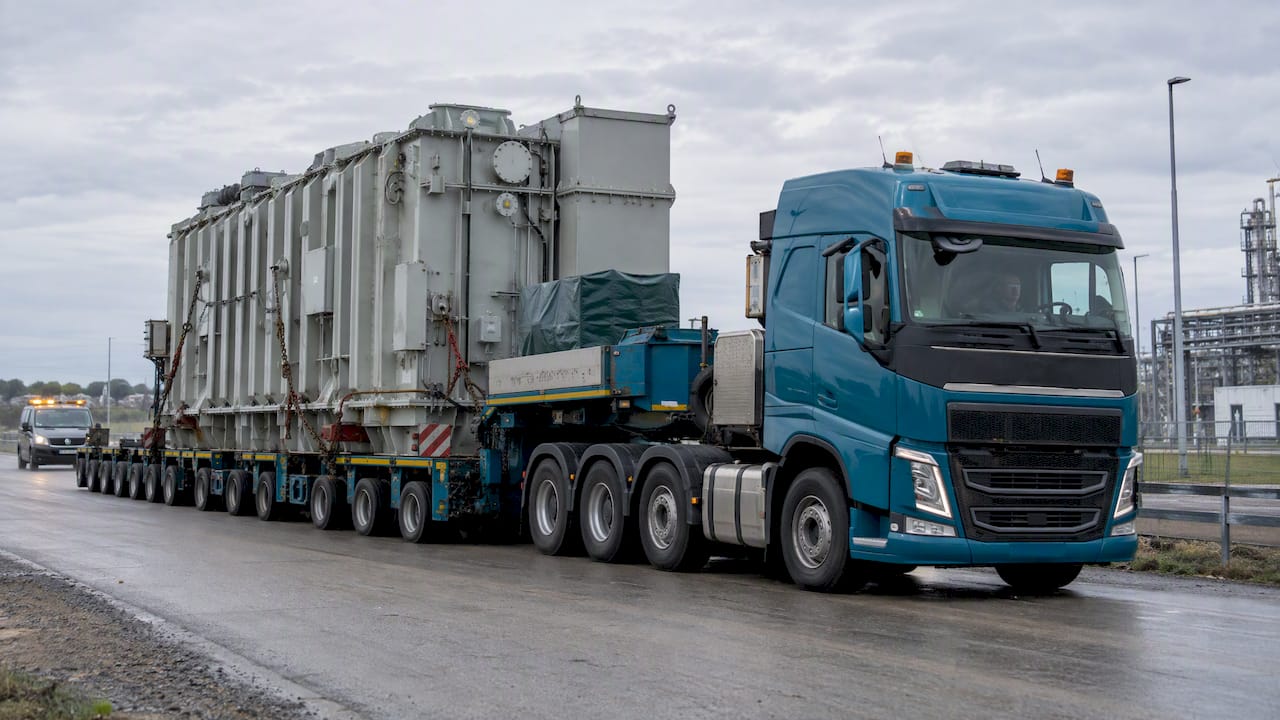
Did you know that nearly 80 percent of wholesale companies experience major delays due to gaps in their logistics processes? For wholesalers, efficient supply chain management can mean the difference between lost revenue and steady growth. By understanding your logistics from supplier to delivery, you can boost productivity, cut costs, and set your business up for long-term success.
Quick Summary
| Takeaway | Explanation |
|---|---|
| 1. Map Your Supply Chain Workflow | Create a detailed process map to visualize every step, helping to identify inefficiencies and streamline operations. |
| 2. Optimize Inventory Management Systems | Use advanced technology like IoT and ERP to track inventory in real time, reducing costs and improving accuracy. |
| 3. Implement Real-Time Tracking | Utilize GPS and RFID technology to gain immediate visibility into shipments, reducing delays and enhancing decision-making. |
| 4. Build Strong Carrier Partnerships | Choose carriers based on reliability and technological capabilities to enhance supply chain performance and resilience. |
| 5. Leverage Data Analytics | Use data analytics to convert information into actionable insights, driving continuous improvement and operational efficiency. |
Table of Contents
- Understand Your Supply Chain Workflow
- Optimize Inventory Management Systems
- Implement Real-Time Tracking and Visibility
- Build Strong Carrier Partnerships
- Automate Order Fulfillment Processes
- Streamline Customs and Cross-Border Logistics
- Leverage Data Analytics for Continuous Improvement
1. Understand Your Supply Chain Workflow
Every successful wholesale operation starts with a crystal clear understanding of its supply chain workflow. Your supply chain is more than just moving products from point A to point B – it is the strategic backbone of your entire business operation.
Understanding your workflow means mapping out every single step products take from initial supplier engagement through final customer delivery. This comprehensive view allows you to identify potential bottlenecks, optimize resource allocation, and create smoother operational processes.
To develop a robust supply chain workflow, start by creating a detailed process map that visualizes each touchpoint. According to advanced network flow research, strategic mapping can significantly reduce transport time and operational costs while enhancing overall productivity.
Key Steps in Workflow Mapping Include:
- Identifying all supply chain partners
- Documenting current processes
- Tracking product movement timelines
- Analyzing potential inefficiency points
- Establishing clear communication protocols
One powerful strategy is implementing Collaborative Planning, Forecasting, and Replenishment (CPFR). This approach creates shared visibility between suppliers and retailers, dramatically reducing logistical inefficiencies. By aligning forecasting and inventory management, you can create a more responsive and adaptive supply chain ecosystem.
Remember that workflow understanding is not a one time task. Regularly review and update your process map, tracking performance metrics and seeking continuous improvement opportunities. The most successful wholesale operations treat their supply chain workflow as a dynamic, living system that requires constant refinement and strategic attention.
2. Optimize Inventory Management Systems
Inventory management is the strategic heartbeat of wholesale operations. Implementing the right systems can transform your business from reactive to proactively efficient, turning inventory from a cost center into a competitive advantage.
Modern wholesale operations demand sophisticated technological solutions. By exploring advanced warehouse management systems, you can leverage cutting edge technologies like Internet of Things (IoT), Radio Frequency Identification (RFID), and integrated Enterprise Resource Planning (ERP) platforms to dramatically improve inventory tracking and operational performance.
Key Optimization Strategies Include:
- Just in Time inventory management
- Vendor managed inventory approaches
- Implementing cycle counting techniques
- Calculating precise safety stock levels
- Conducting ABC inventory analysis
Predictive analytics play a crucial role in modern inventory optimization. By analyzing real time data, you can anticipate demand fluctuations, reduce carrying costs, and minimize the risk of stockouts or excess inventory. Research shows that wholesalers using advanced predictive models can improve inventory accuracy by up to 35 percent and reduce overall operational expenses.
To get started, conduct a comprehensive audit of your current inventory management processes. Look for inefficiencies, manual tracking methods, and opportunities to integrate smart technology solutions. Consider investing in software that provides real time visibility, automates replenishment processes, and offers robust reporting capabilities.
Remember that inventory optimization is an ongoing journey. Continuously monitor your systems, gather performance data, and be willing to adapt your strategies as market conditions and technological capabilities evolve.
3. Implement Real-Time Tracking and Visibility
In the fast moving world of wholesale logistics, information is power. Real time tracking transforms your supply chain from a black box of uncertainty into a transparent, predictable system where every movement and milestone becomes immediately visible.
Modern tracking goes far beyond traditional methods. By implementing comprehensive visibility solutions, you can leverage advanced technologies that provide unprecedented insights into your entire logistics ecosystem. Internet of Things (IoT) sensors, GPS tracking, and sophisticated API integrations now make it possible to monitor shipments with remarkable precision.
Key Real-Time Tracking Technologies Include:
- GPS location monitoring
- RFID tag tracking
- Environmental condition sensors
- Mobile tracking applications
- Integrated dashboard systems
The financial implications are significant. Real time tracking can dramatically reduce detention and demurrage fees by providing granular milestone visibility and high quality data coverage. Predictive analytics enable you to anticipate potential disruptions before they impact your operations, allowing for proactive problem solving.
To implement effective tracking, start by evaluating your current systems and identifying technological gaps. Look for solutions that offer seamless integration with your existing infrastructure. Choose platforms that provide intuitive dashboards, mobile accessibility, and comprehensive reporting capabilities.
Successful real time tracking is not just about technology it is about creating a culture of transparency and continuous improvement. Train your team to leverage these tools, interpret the data, and make informed decisions quickly. The goal is not just to track shipments but to transform tracking into a strategic advantage that drives operational excellence.
4. Build Strong Carrier Partnerships
Successful wholesale logistics hinges on more than just moving products. It is about cultivating strategic relationships with carriers who can become true extensions of your operational capabilities.
Carrier partnerships are not transactional exchanges they are collaborative relationships that can significantly impact your supply chain resilience and performance. Exploring strategic carrier selection strategies allows you to create a network of reliable logistics partners who understand your unique business requirements.
Critical Partnership Selection Criteria:
- Compliance certifications
- Cross border transportation expertise
- Technology integration capabilities
- Proven reliability and performance metrics
- Flexible service offerings
Research demonstrates that partnering with certified logistics experts dramatically improves operational efficiency. Specifically, working with C TPAT certified carriers and experienced customs brokers ensures smoother cross border transportation, faster customs clearance, and enhanced compliance across international markets.
To build strong carrier partnerships, start by developing a comprehensive evaluation framework. Look beyond price and consider factors like technological capabilities, safety records, geographic coverage, and adaptability. Conduct thorough due diligence by requesting performance data, reviewing historical shipment records, and understanding their technological infrastructure.
Successful partnerships are built on mutual understanding and transparent communication. Invest time in developing relationships where carriers view your success as their priority. Regular performance reviews, open dialogue, and collaborative problem solving will transform carrier relationships from simple service providers to strategic logistics allies.
Remember that the right carrier partnerships can become your competitive advantage providing resilience flexibility and operational excellence in an increasingly complex global marketplace.
5. Automate Order Fulfillment Processes
Order fulfillment automation represents the future of efficient wholesale operations. By integrating intelligent technologies, you can transform your logistics from a manual labor intensive process into a streamlined precision machine.
Modern automation goes far beyond simple conveyor systems. Exploring advanced fulfillment automation strategies allows businesses to leverage artificial intelligence, robotics, and smart software solutions that dramatically reduce human error and increase operational speed.
Key Automation Technologies Include:
- AI powered warehouse robots
- Automated picking systems
- Real time inventory tracking software
- Intelligent packing machinery
- Predictive order processing algorithms
Recent innovations demonstrate the power of automation. Companies like Symbotic are developing autonomous warehouse robots capable of handling picking, storing, and packing processes with unprecedented accuracy. These systems can increase throughput by up to 300 percent while significantly reducing labor costs and minimizing human error.
Implementing automation requires a strategic approach. Start by conducting a comprehensive audit of your current fulfillment processes. Identify repetitive tasks that can be automated and prioritize technologies that integrate seamlessly with your existing systems. Consider solutions that offer scalability and flexibility to grow alongside your business.
Remember that automation is not about replacing human workers but empowering them. The most successful implementations create synergy between technological systems and human expertise, allowing your team to focus on higher value strategic activities that drive business growth.
6. Streamline Customs and Cross-Border Logistics
Cross border logistics represent both an extraordinary opportunity and a complex challenge for modern wholesale operations. Navigating international shipping regulations requires strategic planning, technological integration, and meticulous attention to detail.
Exploring comprehensive import export logistics strategies enables businesses to transform potential regulatory obstacles into seamless global trade opportunities. Sophisticated digital platforms now offer unprecedented capabilities for managing international shipment complexities.
Critical Cross Border Logistics Components:
- Automated documentation systems
- Real time regulatory compliance tracking
- Multi modal consolidation strategies
- Digital customs classification tools
- Proactive shipment management platforms
Advanced digital solutions are revolutionizing cross border logistics. Modern integrated software can automatically handle documentation, perform compliance checks, provide real time tracking, and consolidate shipments across multiple transportation modes. These technologies dramatically reduce processing times and minimize the risk of costly delays or regulatory penalties.
Successful cross border logistics require a proactive approach. Invest in technology that offers comprehensive visibility into international shipping processes. Develop relationships with experienced customs brokers who understand the nuanced requirements of different international markets. Train your team to leverage digital tools that simplify complex regulatory environments.
Remember that cross border logistics is not just about moving products across boundaries. It is about creating a seamless, compliant, and efficient global trade ecosystem that positions your wholesale operation for international success.
7. Leverage Data Analytics for Continuous Improvement
Data is the new currency of wholesale logistics. Transforming raw information into actionable insights can mean the difference between merely surviving and truly thriving in a competitive marketplace.
Exploring advanced data analytics strategies allows businesses to unlock unprecedented visibility into their operational performance. Artificial intelligence and machine learning technologies now enable predictive insights that were unimaginable just a few years ago.
Key Data Analytics Focus Areas:
- Demand forecasting accuracy
- Inventory turnover optimization
- Operational efficiency tracking
- Predictive disruption management
- Performance benchmark identification
Modern Warehouse Management Systems leverage AI driven analytics to generate powerful operational intelligence. These sophisticated platforms can reduce overstock, automate complex picking processes, track critical assets, and boost overall productivity through data informed decision making.
Implementing effective data analytics requires a strategic approach. Start by identifying key performance indicators that directly impact your business objectives. Invest in technologies that provide real time tracking and comprehensive reporting capabilities. Train your team to interpret data insights and translate them into concrete operational improvements.
Remember that data analytics is not about collecting numbers it is about telling a story. The most successful wholesale operations view their data as a dynamic narrative that reveals opportunities for continuous improvement, efficiency gains, and strategic innovation.
Below is a comprehensive table summarizing key strategies and insights for optimizing wholesale supply chain operations as discussed in the article.
| Area | Main Strategies | Benefits/Outcomes |
|---|---|---|
| Understand Supply Chain Workflow | Map out steps from supplier to customer; Implement CPFR | Identify bottlenecks; Optimize resources; Enhance productivity |
| Optimize Inventory Management Systems | Use IoT, RFID, ERP; Conduct ABC analysis | Improve tracking; Anticipate demand; Reduce costs |
| Implement Real-Time Tracking | Use GPS, RFID, IoT | Reduce fees; Enhance data visibility; Proactive problem solving |
| Build Strong Carrier Partnerships | Evaluate compliance, reliability, technology | Boost efficiency; Better cross-border logistics; Strategic alliances |
| Automate Order Fulfillment | Use AI, robots, automation software | Increase throughput; Reduce errors; Lower labor costs |
| Streamline Customs & Cross-Border Logistics | Use digital platforms, work with customs brokers | Faster clearances; Fewer delays; Improved compliance |
| Leverage Data Analytics | Use AI, machine learning for insights | Better forecasting; Efficiency improvements; Strategic innovation |
Elevate Your Wholesale Logistics With Reliable End-to-End Solutions
Are you struggling with complex supply chain challenges, unpredictable inventory, or delays in customer deliveries? The article highlighted how knowing your workflow, optimizing inventory, and building strong carrier partnerships are essential, but many wholesalers still find themselves stuck in costly bottlenecks and manual processes. To truly unlock efficiency and visibility you need a logistics partner that unites all these best practices under one platform.
Let or-ner.com help you streamline every stage of your wholesale operation. Experience tailored solutions for reliable courier services and discover how our advanced real-time tracking, automated order fulfillment, and global warehouse network remove guesswork from your logistics. Do not wait as today’s fast-moving market rewards businesses that adapt quickly. Visit or-ner.com now and see how you can gain the edge in wholesale logistics.
Frequently Asked Questions
What are the key steps to understand my supply chain workflow?
Understanding your supply chain workflow involves mapping out every step products take from suppliers to customers. Start by creating a detailed process map that includes all supply chain partners and their responsibilities.
How can I optimize my inventory management systems effectively?
To optimize your inventory management systems, consider implementing Just in Time inventory practices and using advanced technologies like predictive analytics. Begin by auditing your current processes and integrating tools that offer real-time tracking and automation features to improve efficiency.
What technologies should I use for real-time tracking and visibility in wholesale logistics?
Key technologies for real-time tracking include GPS monitoring, RFID tagging, and integrated dashboard systems. Implement these systems to enhance transparency and reduce delays in your logistics operations.
How do I build strong partnerships with carriers for better logistics performance?
Building strong carrier partnerships involves evaluating potential partners based on reliability, compliance certifications, and technology capabilities. Develop a framework for assessing these factors and maintain open lines of communication to ensure both parties align in operational goals.
What automation strategies can I adopt for order fulfillment processes?
Implementing automation in order fulfillment can include using AI-powered picking systems and real-time inventory tracking software. Identify repetitive tasks in your current processes that can be automated to streamline operations and reduce human error.
How can I leverage data analytics for continuous improvement in wholesale logistics?
Leverage data analytics by focusing on key performance indicators related to demand forecasting and inventory turnover. Start gathering real-time data and applying analytics tools to make informed decisions that drive operational improvements.
Recommended
- Top Benefits of Freight Forwarding for Growing Businesses 2025 – ORNER
- Just in Time Delivery: Essential Guide for 2025 Success – ORNER
- What Is Freight Forwarding? Guide for Modern Supply Chains 2025 – ORNER
- Essential courier services for small businesses – ORNER
- Complete Guide To Packaging Best Practices | USPL – US Pro Logistics
- Understanding Outsourcing Benefits for Companies | NineArchs