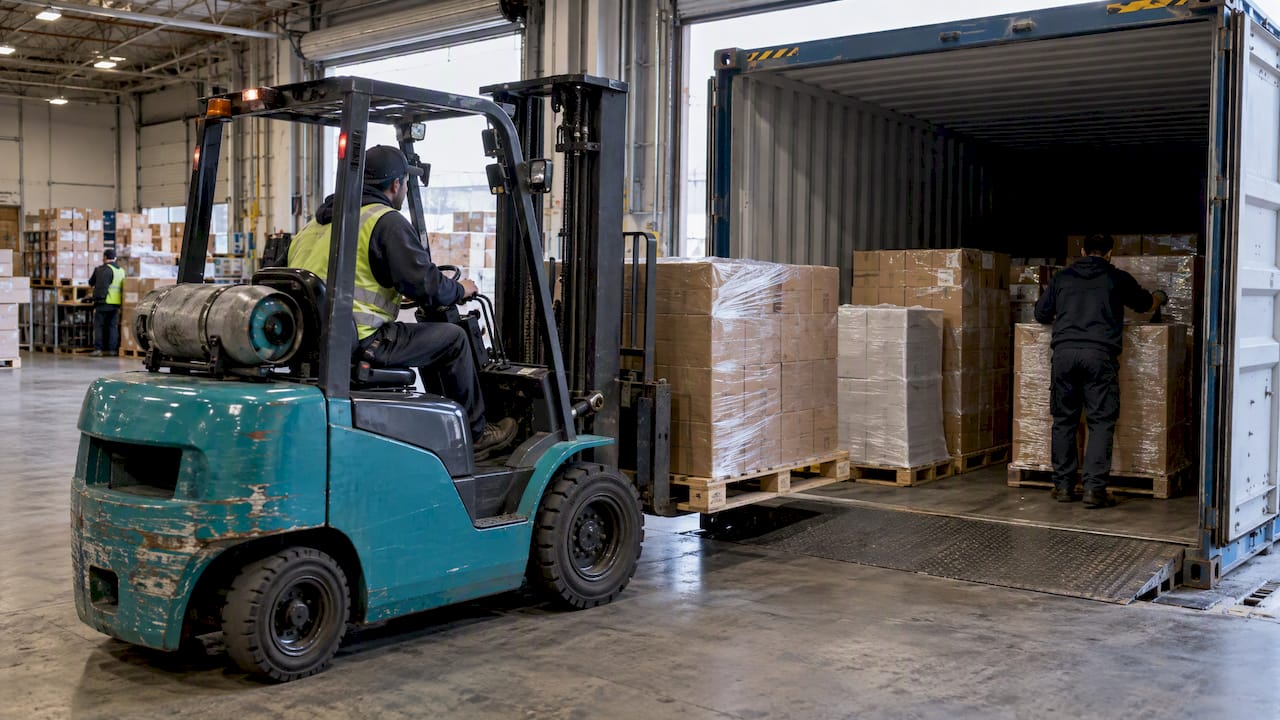
Every product you buy—from a smartphone to a cup of coffee—travels through a hidden maze of suppliers, factories, and warehouses before it lands in your hands. That sounds complicated, right? Yet companies with optimized supply chains can slash their costs by as much as 50 percent. Most people think shipping and storage are the main challenges, but the real power comes from how the entire network works together to deliver more with fewer resources.
Table of Contents
- Defining Supply Chain: Core Concepts And Components
- The Importance Of Supply Chain Management In Business
- How Supply Chain Works: Processes And Flow Of Goods
- Key Players And Roles In The Supply Chain
- Challenges And Innovations Shaping Modern Supply Chains
Quick Summary
| Takeaway | Explanation |
|---|---|
| Optimize supply chains to reduce costs by 20-50%. | Streamlined processes and efficient resource management can lead to significant financial savings in operations. |
| Focus on responsive supply chain infrastructure. | A robust supply chain system enhances operational efficiency and strategic adaptability in competitive markets. |
| Leverage technology for real-time insights. | Utilizing advanced technologies enables better tracking, demand forecasting, and decision-making across the supply chain. |
| Understand key roles in the supply chain ecosystem. | Each participant, from suppliers to retailers, must effectively collaborate to ensure smooth operational flow and value creation. |
| Address challenges through innovation and adaptation. | Emerging technologies like AI and blockchain help organizations tackle contemporary supply chain challenges effectively. |
Defining Supply Chain: Core Concepts and Components
A supply chain represents the complex network of organizations, people, technologies, activities, and resources involved in creating and distributing a product from its initial raw materials to final customers.
The following table organizes the core components of supply chain management and briefly describes the function of each in the overall process.
| Supply Chain Component | Function |
|---|---|
| Sourcing | Identifying and selecting reliable suppliers |
| Manufacturing | Converting raw materials into finished products |
| Transportation | Moving goods between production and distribution |
| Warehousing | Storing and managing inventory strategically |
| Distribution | Delivering end products to wholesalers or consumers |
Core Components of Supply Chain Management
Effective supply chain management encompasses several fundamental components that work together seamlessly. These components include:
- Sourcing: Identifying and selecting reliable suppliers who can provide quality raw materials
- Manufacturing: Converting raw materials into finished products through efficient production processes
- Transportation: Moving goods between different stages of production and distribution
- Warehousing: Storing and managing inventory at strategic locations
- Distribution: Delivering products to wholesalers, retailers, or directly to end consumers
Strategic Importance of Supply Chain Infrastructure
Supply chain infrastructure goes beyond simple logistics. It represents a strategic framework that enables businesses to optimize operational efficiency, reduce costs, and respond quickly to market demands. Research from supply chain management experts indicates that organizations with robust supply chain systems can gain significant competitive advantages.
Companies leverage advanced technologies and our comprehensive freight forwarding solutions to create more responsive and adaptable supply chain networks. This approach allows businesses to anticipate challenges, minimize risks, and maintain consistent product availability across various market conditions.
The Importance of Supply Chain Management in Business
Supply chain management plays a pivotal role in determining a company’s operational success, competitive positioning, and overall profitability. By strategically coordinating various business processes, organizations can transform complex logistical challenges into opportunities for growth and efficiency.
Economic and Operational Impact
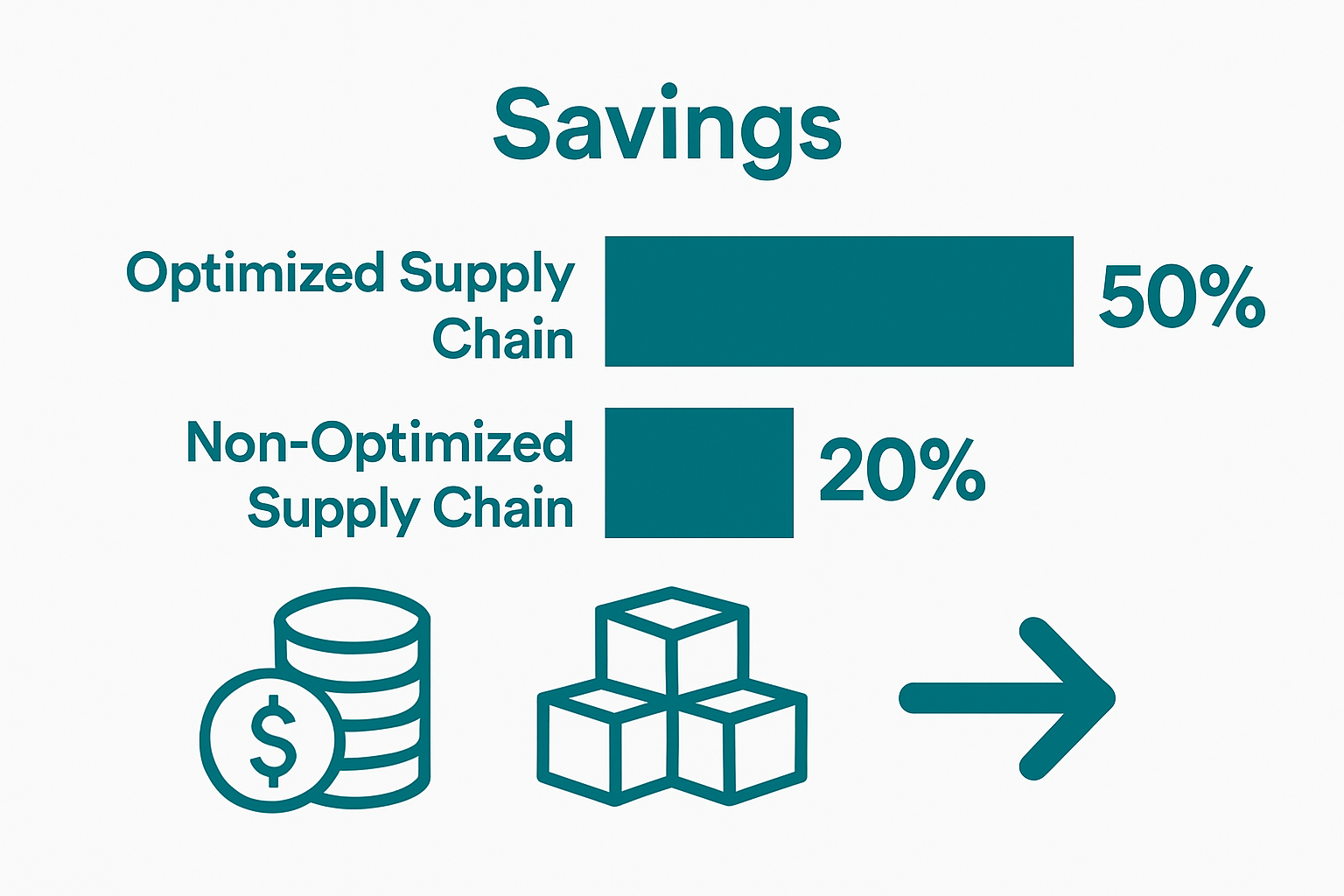
Effective supply chain management directly influences a company’s bottom line. According to global business research, businesses that optimize their supply chains can reduce operational costs by 20% to 50%. These savings emerge from streamlined processes, reduced waste, and improved resource allocation.
Key economic benefits include:
- Cost Reduction: Minimizing unnecessary expenses through efficient resource management
- Inventory Optimization: Maintaining precise stock levels to prevent overproduction or shortages
- Faster Time to Market: Accelerating product development and distribution cycles
Strategic Competitive Advantage
Supply chain management extends beyond operational efficiency. It represents a critical strategic tool for businesses seeking to differentiate themselves in competitive markets. Organizations that develop responsive, flexible supply chain systems can quickly adapt to market changes, customer demands, and unexpected disruptions.
Our comprehensive freight forwarding solutions enable businesses to create resilient supply networks that transform potential challenges into strategic opportunities. By integrating advanced technologies and data-driven insights, companies can build supply chains that are not just functional, but truly dynamic and intelligent.
How Supply Chain Works: Processes and Flow of Goods
Supply chains function as intricate ecosystems where multiple interconnected stages transform raw materials into finished products delivered to end consumers. Understanding this complex process requires examining the sequential and simultaneous movements of materials, information, and financial resources.
Key Stages of Material Flow
According to procurement experts, supply chain processes involve several critical stages that work in harmony:
- Sourcing: Identifying and selecting appropriate raw material suppliers
- Procurement: Negotiating contracts and purchasing necessary materials
- Manufacturing: Converting raw materials into intermediate or final products
- Inventory Management: Tracking and storing products at various production stages
- Distribution: Transporting goods to wholesalers, retailers, or direct consumers
Information and Financial Synchronization
Beyond physical material movement, supply chains rely on sophisticated information systems that coordinate activities across different organizational levels. These systems enable real-time tracking, demand forecasting, and strategic decision-making.
Financial flows complement these information networks, ensuring smooth transactions, managing payment cycles, and supporting investment in technological infrastructure. Our comprehensive logistics platform helps businesses optimize these complex interactions, transforming potential logistical challenges into streamlined operational advantages.
Key Players and Roles in the Supply Chain
The supply chain represents a complex ecosystem where multiple stakeholders collaborate to transform raw materials into finished products and deliver them to end consumers. Each participant plays a unique and critical role in ensuring smooth operational flow and value creation.
Primary Supply Chain Participants
According to supply chain management experts, the key players in a typical supply chain include:
- Suppliers: Provide raw materials and essential components for product manufacturing
- Manufacturers: Convert raw materials into intermediate or final products
- Distributors: Transport goods from manufacturers to various selling points
- Wholesalers: Purchase large quantities of products and resell to retailers
- Retailers: Sell products directly to end consumers
- Logistics Providers: Manage transportation, warehousing, and inventory management
Interdependence and Strategic Collaboration
Successful supply chains rely on seamless communication and strategic alignment between these different players. Each participant must understand their specific role while maintaining flexibility to adapt to changing market conditions and consumer demands.

Our comprehensive logistics platform enables businesses to optimize these complex interactions, providing transparent communication channels and advanced tracking mechanisms that help synchronize activities across different supply chain participants.
Challenges and Innovations Shaping Modern Supply Chains
Modern supply chains are undergoing unprecedented transformation, driven by technological advancements, global economic shifts, and increasingly complex market dynamics.
This table summarizes the key contemporary challenges facing modern supply chains, categorizing each challenge and providing a brief description for easy comparison.
| Challenge | Description |
|---|---|
| Geopolitical Uncertainties | Political instabilities and trade tensions disrupting global trade |
| Climate Change Impact | Natural disasters affecting production and transportation |
| Cybersecurity Risks | Threats of digital breaches and data manipulation |
| Rapid Technological Changes | Need for constant adaptation and digital transformation |
| Sustainability Pressures | Increasing demand for environmentally responsible supply chain practices |
Key Contemporary Challenges
Research from global risk management experts highlights several critical challenges confronting contemporary supply chains:
- Geopolitical Uncertainties: Trade tensions, political instabilities, and regional conflicts disrupting global trade routes
- Climate Change Impact: Increasing frequency of natural disasters affecting production and transportation networks
- Cybersecurity Risks: Growing threats of digital infrastructure breaches and data manipulation
- Rapid Technological Changes: Need for constant technological adaptation and digital transformation
- Sustainability Pressures: Rising demand for environmentally responsible and transparent supply chain practices
Technological Innovations Driving Transformation
Innovative technologies are emerging as powerful solutions to address these complex challenges. Artificial intelligence, blockchain, Internet of Things (IoT), and advanced analytics are revolutionizing how businesses approach supply chain management.
Our comprehensive logistics platform empowers businesses to leverage these technological innovations, providing advanced tracking, predictive analytics, and real-time insights that transform potential disruptions into strategic opportunities for growth and optimization.
Simplify Every Step of Your Supply Chain with Proven Logistics Solutions
Struggling with unpredictable supply chain challenges or unreliable delivery partners can put your business growth at risk. Whether you are facing delays in sourcing, managing cross-border complexities, or lacking real-time shipment visibility, the impact spreads from missed sales opportunities to unhappy customers. The article highlights how crucial efficient supply chain management is for thriving in ecommerce and wholesale, especially when aiming for faster time to market, inventory optimization, and truly reliable courier services. What if you could turn these pain points into your greatest strengths?
Choose or-ner.com as your trusted partner and experience a fully integrated logistics platform designed specifically for ecommerce sellers, wholesalers, and brands. Instantly book freight, automate fulfillment, and keep your customers in the loop with real-time tracking. Eliminate the stress of supply chain uncertainties and unlock growth by connecting to all-in-one shipping and fulfillment solutions. Start scaling with confidence today—explore how or-ner.com empowers you to control every link in your supply chain, streamline your workload, and deliver on every promise.
Frequently Asked Questions
What is a supply chain?
A supply chain is a network of organizations, people, technologies, activities, and resources that work together to create and distribute a product from raw materials to the final customer.
Why is supply chain management important for businesses?
Supply chain management is crucial as it directly influences operational efficiency, cost reduction, and a company’s ability to adapt to market changes, providing a competitive advantage in various industries.
What are the main components of supply chain management?
The main components of supply chain management include sourcing, manufacturing, transportation, warehousing, and distribution, all of which must work together seamlessly to optimize the process of delivering products to consumers.
What challenges do modern supply chains face?
Modern supply chains face several challenges such as geopolitical uncertainties, climate change impacts, cybersecurity risks, rapid technological changes, and increasing demands for sustainable practices.