
Shipping medicine, food, and sensitive electronics is not as simple as boxing them up and sending them off. Some products face a unique risk that surprises most people: up to 30 percent of pharmaceutical shipments get ruined by temperature mistakes during transit. And the real shock is this loss is entirely preventable with the right logistics. Temperature controlled shipping is not just about staying cool but about saving millions and guaranteeing safety at every step.
Table of Contents
- What Is Temperature Controlled Shipping?
- Why Temperature Controlled Shipping Matters For Businesses
- How Temperature Controlled Shipping Works
- Key Components Of Temperature Controlled Shipping
- Real-World Applications And Benefits
Quick Summary
| Takeaway | Explanation |
|---|---|
| Temperature control is essential in logistics. | Maintaining precise temperatures prevents product spoilage and ensures safety during transport. |
| Key industries depend on temperature-controlled shipping. | Pharmaceutical, food, and biotechnology sectors require strict temperature management for compliance and quality. |
| Compliance is crucial for temperature-sensitive products. | Regulatory standards mandate documented temperature tracking to prevent legal repercussions. |
| Advanced technologies ensure effective temperature monitoring. | Real-time tracking and sophisticated sensors help maintain required environmental conditions throughout shipping. |
| Temperature-controlled shipping reduces financial risks. | Preventing product degradation translates into significant cost savings and protects business reputation. |
What is Temperature Controlled Shipping?
Temperature controlled shipping represents a specialized logistics strategy designed to transport temperature-sensitive products while maintaining precise environmental conditions throughout the entire supply chain journey. This critical shipping method ensures that goods requiring specific temperature ranges remain stable, safe, and effective during transit.
Core Principles of Temperature Management
Temperature controlled shipping involves sophisticated techniques and specialized equipment that protect products from temperature fluctuations. Unlike standard shipping methods, these solutions use advanced technologies to monitor and regulate environmental conditions continuously. Precise temperature maintenance is crucial for preserving product quality and integrity across various industries.
The fundamental goal of temperature controlled shipping is preventing product degradation by maintaining consistent temperatures.
Below is a table summarizing the temperature ranges and their corresponding applications in temperature controlled shipping, helping to clarify the specific needs for various product categories.
| Temperature Range | Example Applications | Product Types Covered |
|---|---|---|
| Ultra-cold (around -80°C) | Medical samples, mRNA vaccines | Biologics, vaccine components |
| Refrigerated (2°C to 8°C) | Pharmaceuticals, fresh produce | Medicines, food, diagnostic reagents |
| Controlled room temp (15-25°C) | Consumer goods, electronics | Over-the-counter meds, electronics |
| Deep freeze (-20°C or lower) | Frozen food, some chemicals | Ice cream, specialty chemicals |
| Different products require distinct temperature ranges, which can span from ultra-cold environments (like -80°C for certain medical samples) to refrigerated conditions (2°C to 8°C for pharmaceuticals) or controlled room temperatures (15°C to 25°C for many consumer goods). |
Industries Relying on Controlled Temperature Transport
Multiple critical sectors depend on temperature controlled shipping to ensure product safety and efficacy. According to Supply Chain Dive, key industries include:
- Pharmaceutical and biotechnology companies
- Food and perishable goods distribution
- Chemical and specialty materials transportation
- Medical and laboratory equipment logistics
- Specialty agricultural product shipments
Each of these industries requires precise temperature management to prevent product spoilage, maintain scientific integrity, or comply with strict regulatory standards.
The following table outlines the primary industries that rely on temperature controlled shipping and the specific reasons each industry depends on strict thermal management.
| Industry | Reason for Dependency | Example Products |
|---|---|---|
| Pharmaceuticals & Biotechnology | Product efficacy, regulatory compliance | Vaccines, biologics |
| Food & Perishable Goods | Prevent spoilage, maintain freshness | Produce, dairy, meat, seafood |
| Chemical & Specialty Materials | Safety, prevent hazardous reactions | Laboratory chemicals, specialty reagents |
| Medical & Lab Equipment | Integrity of sensitive devices | Diagnostics, blood tests |
| Specialty Agriculture | Retain scientific and commercial value | Seeds, temperature-sensitive plants |
| The complexity of temperature controlled shipping goes beyond simply keeping products cool or warm—it involves comprehensive monitoring, specialized packaging, advanced refrigeration technologies, and real-time tracking systems that guarantee consistent environmental conditions throughout the entire transportation process. |
Why Temperature Controlled Shipping Matters for Businesses
Temperature controlled shipping represents far more than a logistical convenience—it is a critical business strategy that directly impacts product quality, regulatory compliance, customer satisfaction, and financial performance. For businesses dealing with sensitive products, the implications of temperature management extend well beyond simple transportation.
Financial and Operational Risk Mitigation
The economic consequences of temperature fluctuations can be substantial. Product spoilage and quality degradation translate into significant financial losses. According to McKinsey & Company, companies can lose up to 30% of temperature-sensitive pharmaceutical shipments due to improper handling, representing millions in potential revenue.
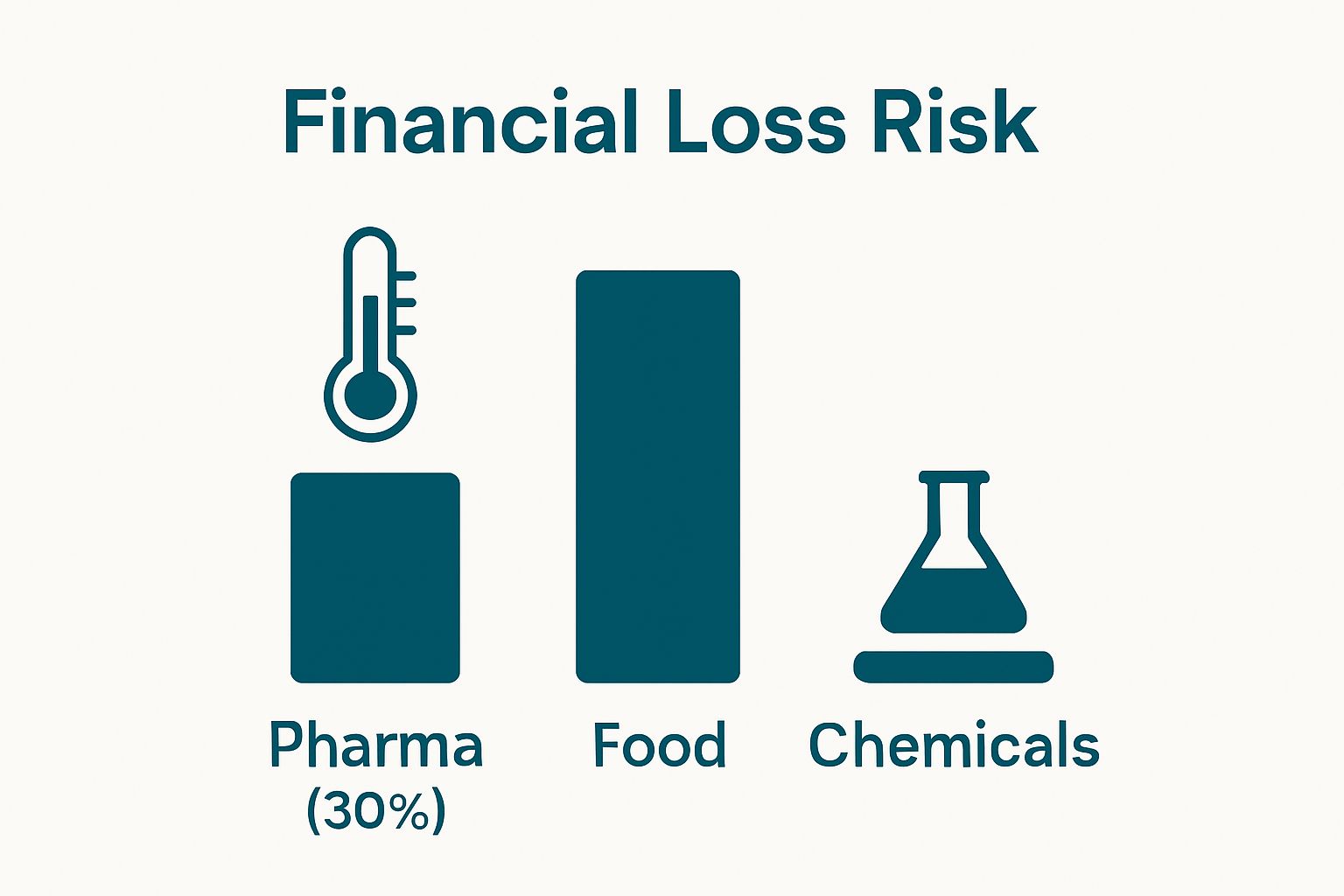
Businesses must recognize that temperature controlled shipping is not an optional enhancement but a fundamental risk management strategy. Whether transporting vaccines, fresh produce, specialized chemicals, or high-value electronics, maintaining precise environmental conditions prevents costly product losses and potential reputational damage.
Regulatory Compliance and Quality Assurance
Strict regulatory frameworks govern temperature-sensitive industries, making precise shipping conditions a legal requirement. Pharmaceutical, food, and biotechnology sectors face rigorous standards that mandate specific temperature maintenance throughout the supply chain. International regulations require documented temperature tracking and immediate corrective actions for any deviations.
Key compliance considerations include:
- Maintaining precise temperature ranges for different product types
- Documenting environmental conditions during transportation
- Implementing real-time monitoring systems
- Establishing clear escalation protocols for temperature variations
Beyond regulatory requirements, temperature controlled shipping demonstrates a commitment to product integrity and customer trust. Learn more about our specialized courier services that can help businesses navigate these complex logistics challenges effectively and professionally.
How Temperature Controlled Shipping Works
Temperature controlled shipping is a sophisticated logistics process that combines advanced technologies, specialized equipment, and precise protocols to maintain specific environmental conditions during product transportation. This intricate system ensures that sensitive goods remain within their required temperature ranges throughout the entire supply chain journey.
This table highlights the main types of equipment and technologies involved in temperature controlled shipping, providing a clear snapshot of their core functions.
| Component/Technology | Description | Purpose |
|---|---|---|
| Thermal Packaging | Insulated containers, phase change materials | Insulate and stabilize product temperature |
| Active Refrigeration Units | Powered systems (reefers, cooling units) | Actively maintain desired temperature range |
| Passive Cooling Systems | Gel packs, ice packs | Provide temporary cooling without power |
| Data Loggers & Sensors | Electronic monitoring devices | Continuously record temperature conditions |
| GPS-enabled Tracking Devices | Location and temperature tracking | Ensure real-time visibility and intervention |
Key Equipment and Infrastructure
Thermal packaging forms the foundational element of temperature controlled shipping. These are not ordinary containers, but highly engineered systems designed to provide thermal insulation and maintain consistent temperatures. According to CDC Vaccine Storage Guidelines, these packaging solutions include:
- Insulated containers with phase change materials
- Active refrigeration units
- Passive cooling systems with specialized gel packs
- Data loggers for continuous temperature monitoring
Refrigerated trucks, known as reefer vehicles, represent another critical component.
These vehicles feature sophisticated cooling systems that can maintain temperatures ranging from deep freeze to controlled room temperature, ensuring products remain stable during ground transportation.
Monitoring and Tracking Technologies
Real-time temperature monitoring represents the technological cornerstone of effective temperature controlled shipping. Advanced sensor technologies track environmental conditions continuously, providing instant alerts if temperature deviations occur. These systems generate comprehensive digital logs that document the entire thermal journey of a shipment.
Key monitoring strategies involve:
- Wireless temperature sensors
- GPS-enabled tracking devices
- Cloud-based temperature management platforms
- Automated alert systems for immediate intervention
Explore our international shipping solutions that leverage cutting-edge temperature monitoring technologies to guarantee product integrity across global supply chains. The complexity of temperature controlled shipping extends far beyond simple cooling—it represents a meticulously engineered process designed to protect the most sensitive and valuable products during transportation.
Key Components of Temperature Controlled Shipping
Temperature controlled shipping represents a complex ecosystem of interconnected technologies, protocols, and specialized equipment designed to maintain precise environmental conditions during product transportation. Understanding the critical components helps businesses develop robust strategies for protecting sensitive goods throughout their logistics journey.
Packaging and Insulation Systems
Thermal packaging serves as the primary defense against temperature variations. These are not standard shipping containers but highly engineered systems specifically designed to create stable microenvironments. According to CDC Vaccine Storage Guidelines, effective thermal packaging must incorporate multiple protective layers:
- Vacuum-insulated panels
- Phase change materials
- Reflective barriers
- Advanced polymeric insulators
Each packaging solution is meticulously crafted to match the specific temperature requirements of different product categories, whether transporting pharmaceuticals, biological samples, or temperature-sensitive electronic components.
Environmental Monitoring and Control Technologies
Sophisticated sensor technologies transform temperature controlled shipping from a passive to an actively managed process. These advanced systems provide real-time tracking, continuous environmental assessment, and immediate intervention capabilities. Monitoring technologies include:
- Wireless temperature data loggers
- GPS-enabled tracking devices
- Cloud-connected monitoring platforms
- Predictive analytics systems
Learn more about our just-in-time delivery strategies that integrate cutting-edge temperature monitoring technologies. These systems not only record temperature data but also predict potential environmental risks, enabling proactive management of the cold chain logistics process.

Real-World Applications and Benefits
Temperature controlled shipping transcends theoretical logistics concepts, delivering tangible benefits across multiple industries where product integrity is paramount. By implementing sophisticated thermal management strategies, businesses can protect valuable assets, ensure regulatory compliance, and maintain high-quality standards throughout complex supply chains.
Critical Industry Applications
Pharmaceutical and Healthcare Sector represents the most stringent application of temperature controlled shipping. Vaccines, biologics, and specialized medical treatments require precise environmental conditions to maintain efficacy. According to National Institutes of Health research, even minor temperature fluctuations can compromise medical product quality and patient safety.
Key medical shipping requirements include:
- Maintaining ultra-cold storage for mRNA vaccines
- Preserving insulin and hormone treatments
- Transporting diagnostic reagents
- Protecting sensitive medical equipment
Economic and Operational Advantages
Temperature controlled shipping offers significant economic benefits beyond product preservation. By minimizing waste and ensuring consistent product quality, businesses can achieve substantial cost savings and competitive advantages. The ability to transport temperature-sensitive goods over longer distances expands market reach and opens new revenue opportunities.
Potential economic benefits encompass:
- Reduced product spoilage rates
- Extended market distribution capabilities
- Enhanced customer satisfaction
- Improved supply chain reliability
Learn more about freight forwarding strategies that can help businesses optimize their temperature-sensitive logistics operations. The strategic implementation of advanced thermal management represents a critical investment in product quality and organizational resilience.
Protect Every Shipment With Reliable Temperature Controlled Logistics
Maintaining exact temperature standards for your sensitive goods is not just about quality. It is about protecting your reputation and avoiding costly waste. As you learned in this guide to temperature controlled shipping, a single slip can mean product spoilage, compliance risks, and financial setbacks. Whether you handle pharmaceuticals, perishables, or specialty goods, your business deserves a seamless solution that guarantees precision and peace of mind at every stage.
Choose a platform backed by proven experience in real-time monitoring, responsive exception management, and global reach. Our reliable courier services are purposely designed to handle temperature controlled challenges with ease. Experience full visibility, automated workflows, and support tailored to your business needs. Do not let one mistake impact your brand. See how or-ner.com delivers the confidence and compliance you need for every shipment. Get started today to ensure your next temperature sensitive delivery arrives exactly as intended.
Frequently Asked Questions
What is temperature controlled shipping and why is it important?
Temperature controlled shipping involves transporting sensitive products while maintaining specific environmental conditions to prevent degradation. It is crucial for industries like pharmaceuticals and food to ensure product integrity and compliance with regulations.
How can I ensure precise temperature monitoring during shipping?
To ensure precise temperature monitoring, use advanced sensor technologies such as wireless data loggers that track conditions in real-time. Implement a system that alerts you to temperature deviations immediately to take corrective actions and protect product quality.
What types of packaging are used in temperature controlled shipping?
Temperature controlled shipping employs thermal packaging solutions, including insulated containers and phase change materials that stabilize temperatures. Select packaging designed specifically for your product’s temperature needs to maintain efficacy and safety.
How can businesses mitigate financial risks associated with temperature fluctuations?
Businesses can mitigate financial risks by implementing temperature controlled shipping strategies that reduce spoilage and product quality degradation. Calculate the potential savings from minimizing losses; for example, aim to reduce spoilage rates by up to 30%.
What compliance measures should I follow for temperature sensitive products?
For temperature sensitive products, maintain accurate logs of environmental conditions throughout the shipping process and follow industry regulations regarding temperature ranges. Establish clear protocols for immediate corrective actions to ensure compliance and maintain customer trust.
What role do refrigerated trucks play in temperature controlled shipping?
Refrigerated trucks, or reefer vehicles, are essential for temperature controlled shipping as they maintain specific temperature ranges during ground transport. Ensure that your logistics partner uses modern reefer vehicles to securely transport products, especially sensitive items.