
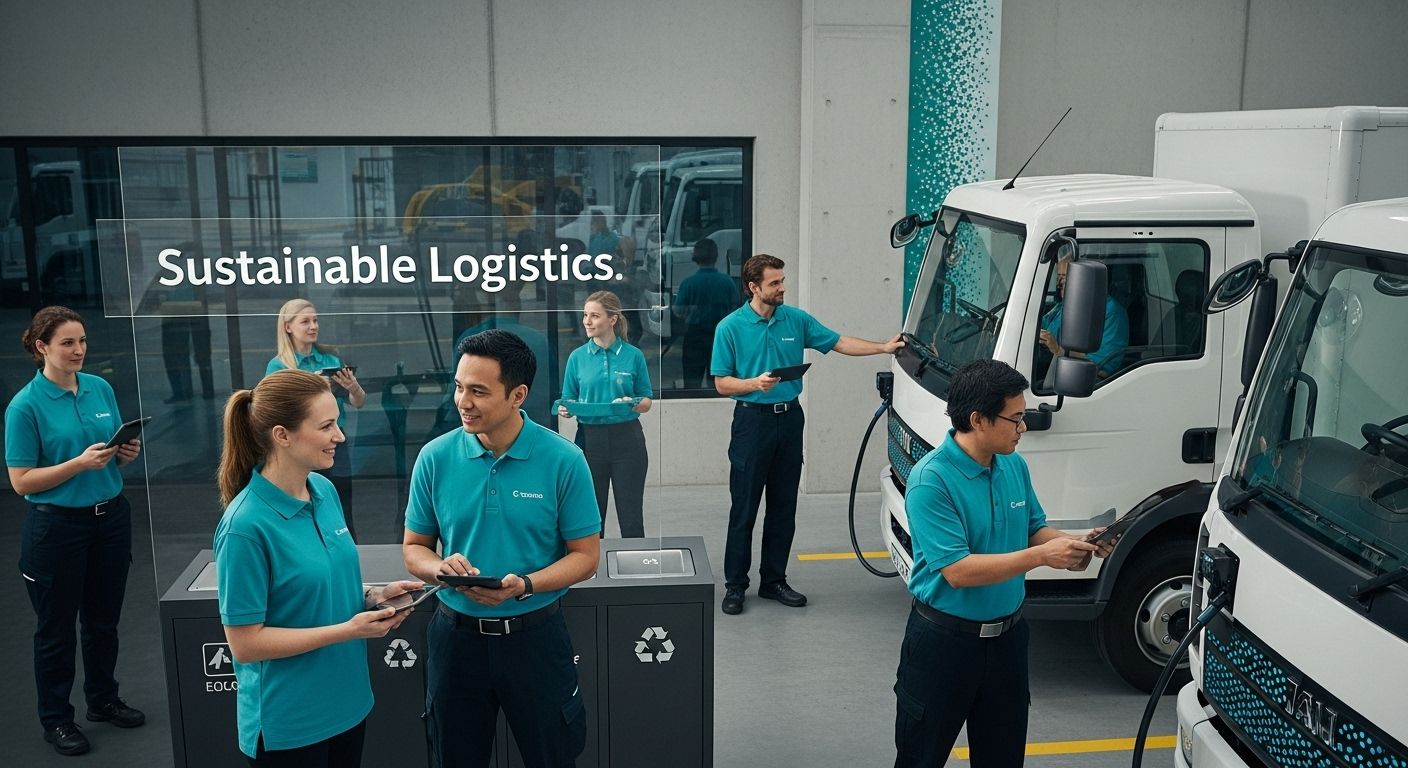
Sustainable logistics might sound like a niche idea for eco-focused brands, but it is quickly becoming a major priority for companies worldwide. Here is something you might not expect. Research shows that optimized routes can cut fuel use by around 5 percent per trip, which means real savings for any business. So the real surprise is that choosing greener logistics is not just about the environment. It is also a smart way to save money and operate more efficiently.
Table of Contents
- What Are Sustainable Logistics Practices?
- Why Sustainable Logistics Practices Matter For Businesses
- How Sustainable Logistics Practices Improve Efficiency
- Key Concepts In Sustainable Logistics Practices
- Real-World Examples Of Sustainable Logistics Practices
Quick Summary
| Takeaway | Explanation |
|---|---|
| Prioritize efficient route planning | Use advanced algorithms to minimize fuel consumption and transportation distances effectively. |
| Adopt green vehicle technologies | Transitioning to electric or low-emission vehicles can significantly reduce carbon footprints. |
| Implement carbon emission tracking | Monitoring systems help measure and reduce carbon outputs, enhancing environmental accountability. |
| Leverage digital technologies for efficiency | Integrating real-time tracking and predictive analytics streamlines logistics and reduces waste. |
| Emphasize the triple bottom line framework | Focus on environmental, economic, and social impacts to ensure comprehensive sustainability in operations. |
What Are Sustainable Logistics Practices?
Sustainable logistics practices represent a comprehensive approach to transforming traditional transportation and supply chain operations into environmentally responsible and economically efficient systems. These practices focus on reducing carbon emissions, minimizing waste, optimizing resource utilization, and implementing technologies that support ecological balance while maintaining operational effectiveness.
Core Components of Sustainable Logistics
At its fundamental level, sustainable logistics practices involve strategic methods that integrate environmental consciousness with logistical operations. Organizations implementing these practices aim to create transportation and supply chain networks that significantly reduce environmental impact without compromising business performance.
To help clarify the foundational ideas behind sustainable logistics, the following table summarizes the key components and their main purposes within modern logistics strategies.
| Core Component | Main Purpose |
|---|---|
| Efficient Route Planning | Reduce fuel consumption and minimize transportation distances |
| Green Vehicle Technologies | Lower emissions with electric, hybrid, or low-emission vehicles |
| Carbon Emission Tracking | Monitor, measure, and reduce carbon footprint |
| Digital Tracking Technologies | Improve real-time visibility and efficiency |
| Waste Minimization | Decrease resource waste in logistics operations |
| Automated Systems | Streamline logistics processes and improve overall performance |
Key elements of sustainable logistics include:
- Efficient Route Planning: Utilizing advanced routing algorithms to minimize fuel consumption and reduce transportation distances
- Green Vehicle Technologies: Transitioning to electric, hybrid, or low-emission vehicles for transportation
- Carbon Emission Tracking: Implementing sophisticated monitoring systems to measure and reduce carbon footprints
Environmental and Economic Benefits
Sustainable logistics practices deliver multifaceted advantages for businesses. According to research published in the journal Sustainability, these strategies not only contribute to environmental preservation but also generate significant economic benefits through reduced operational costs and enhanced brand reputation.
Businesses can further explore innovative approaches by checking out our comprehensive guide on sustainable logistics solutions that provide cutting-edge strategies for modern enterprises. These solutions demonstrate how technological innovation can seamlessly integrate sustainability into complex logistical operations.
By adopting sustainable logistics practices, companies can transform their supply chains from traditional resource-intensive models to adaptive, environmentally conscious systems that balance operational efficiency with ecological responsibility.
Why Sustainable Logistics Practices Matter for Businesses
Sustainable logistics practices have transformed from optional strategies to critical business imperatives in the contemporary global marketplace. Companies across industries now recognize that environmental responsibility is not just an ethical choice but a strategic necessity for long-term competitive advantage and financial resilience.
Economic Drivers of Sustainable Logistics
The economic landscape is rapidly evolving, with businesses facing increasing pressure to demonstrate environmental accountability. Sustainable logistics practices directly impact a company’s bottom line by reducing operational costs, minimizing waste, and creating more efficient supply chain processes. Companies that invest in sustainable logistics can experience significant financial benefits, including reduced fuel consumption, lower energy expenses, and improved resource management.
Key economic motivations include:
- Reduced operational expenditures through efficient resource utilization
- Enhanced brand reputation and customer loyalty
- Compliance with emerging environmental regulations
- Access to green investment opportunities
Competitive Advantage and Market Positioning
In an era of growing environmental consciousness, businesses that prioritize sustainable logistics gain a significant competitive edge. Research from global sustainability experts indicates that consumers increasingly prefer brands demonstrating genuine commitment to environmental stewardship. Companies can explore advanced logistics strategies that align technological innovation with sustainable practices.
Moreover, sustainable logistics practices prepare businesses for future regulatory environments. Governments worldwide are implementing stricter environmental regulations, and companies ahead of these changes will be better positioned to adapt and thrive. By proactively implementing sustainable logistics strategies, organizations can mitigate potential future compliance risks while simultaneously reducing their environmental footprint.
The strategic importance of sustainable logistics extends beyond immediate financial considerations. It represents a comprehensive approach to business resilience, demonstrating a forward-thinking commitment to environmental responsibility and long-term economic sustainability.
How Sustainable Logistics Practices Improve Efficiency
Sustainable logistics practices are not merely environmental strategies but sophisticated approaches that fundamentally enhance operational efficiency across complex supply chain networks. By integrating advanced technologies, intelligent planning, and resource optimization, businesses can transform traditional logistics models into high-performance, streamlined systems.
Technological Optimization and Performance
Digital technologies play a crucial role in improving logistics efficiency through real-time tracking, predictive analytics, and automated decision-making processes. Companies implementing sustainable logistics practices leverage sophisticated software and hardware solutions that minimize waste, reduce unnecessary movements, and create more intelligent transportation networks.
Key technological efficiency improvements include:
- Intelligent routing algorithms that minimize fuel consumption
- Advanced tracking systems providing precise shipment visibility
- Machine learning models predicting maintenance requirements
- Automated warehouse management systems
Resource Utilization and Performance Metrics
Sustainable logistics practices dramatically improve resource allocation by creating more transparent, measurable operational frameworks. Research from the MIT Sustainable Supply Chain Lab demonstrates that optimized routing considering environmental factors can achieve approximately 5% savings in fuel consumption per route, directly translating to improved operational efficiency.
Businesses can explore comprehensive logistics optimization strategies that integrate cutting-edge technologies with sustainable methodologies. These approaches enable organizations to simultaneously reduce environmental impact and enhance overall performance metrics.
The intersection of sustainability and efficiency represents a transformative approach to logistics management.
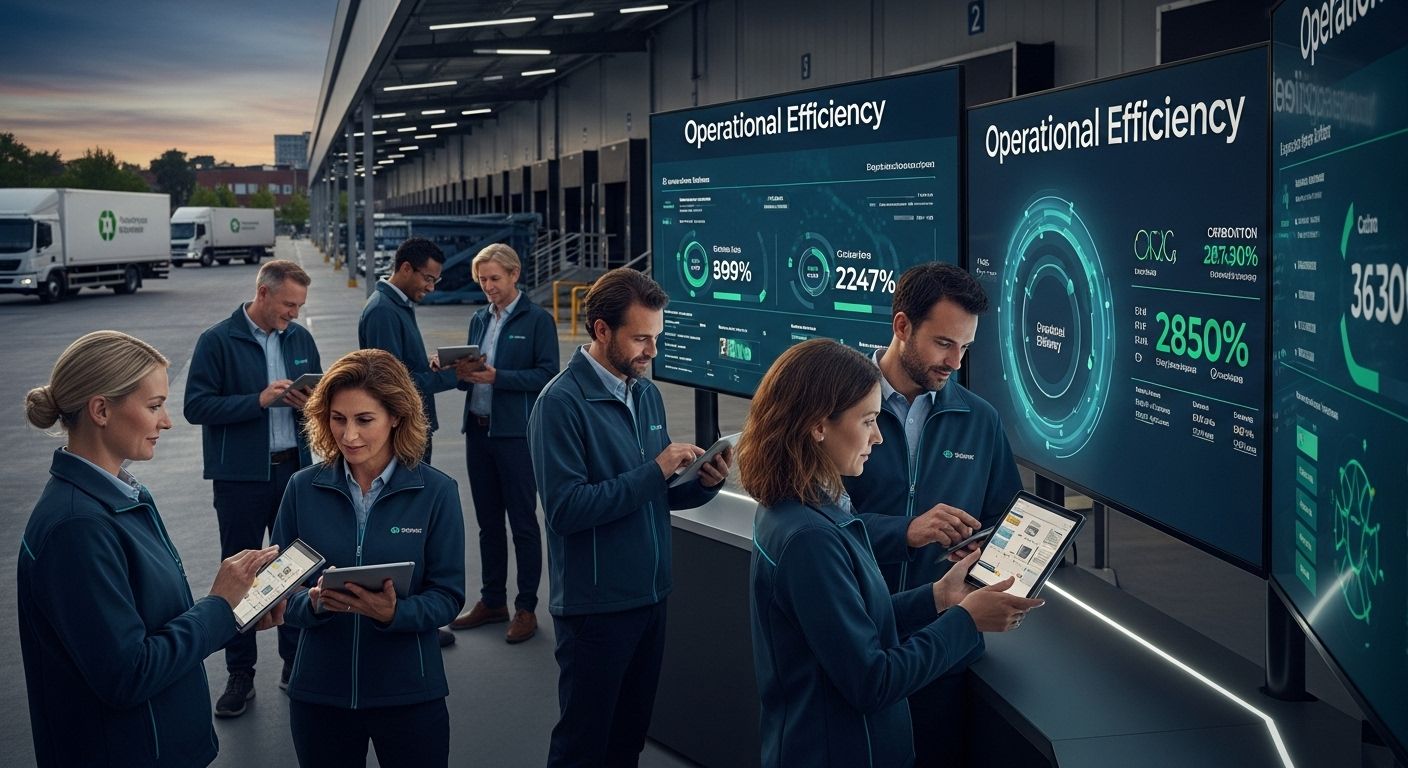
By reimagining traditional supply chain processes through a lens of environmental consciousness and technological innovation, companies can unlock unprecedented levels of operational performance and competitive advantage.
Key Concepts in Sustainable Logistics Practices
Sustainable logistics practices represent a holistic approach to transportation and supply chain management that integrates environmental stewardship, economic efficiency, and social responsibility. Understanding the foundational concepts driving these practices is crucial for businesses seeking to develop comprehensive and effective sustainability strategies.
This table provides a quick comparison of the three dimensions of the triple bottom line framework, helping illustrate how sustainable logistics extends beyond traditional profit metrics to incorporate environmental and social considerations.
| Dimension | Focus | Example within Logistics |
|---|---|---|
| Environmental | Preservation of ecological systems | Reduced carbon emissions, eco-friendly vehicles |
| Economic | Cost optimization and operational efficiency | Lower fuel/energy usage, efficient supply chain management |
| Social | Community well-being and ethical practices | Improved working conditions, fair labor practices |
The Triple Bottom Line Framework
Sustainable logistics transcends traditional business metrics by embracing a multidimensional approach known as the triple bottom line. This framework considers environmental, economic, and social impacts simultaneously, ensuring that logistics strategies create value beyond mere financial performance. According to the Federal Highway Administration’s INVEST tool, organizations must balance preservation of ecological systems with economic development and social equity.
Key dimensions of the triple bottom line include:
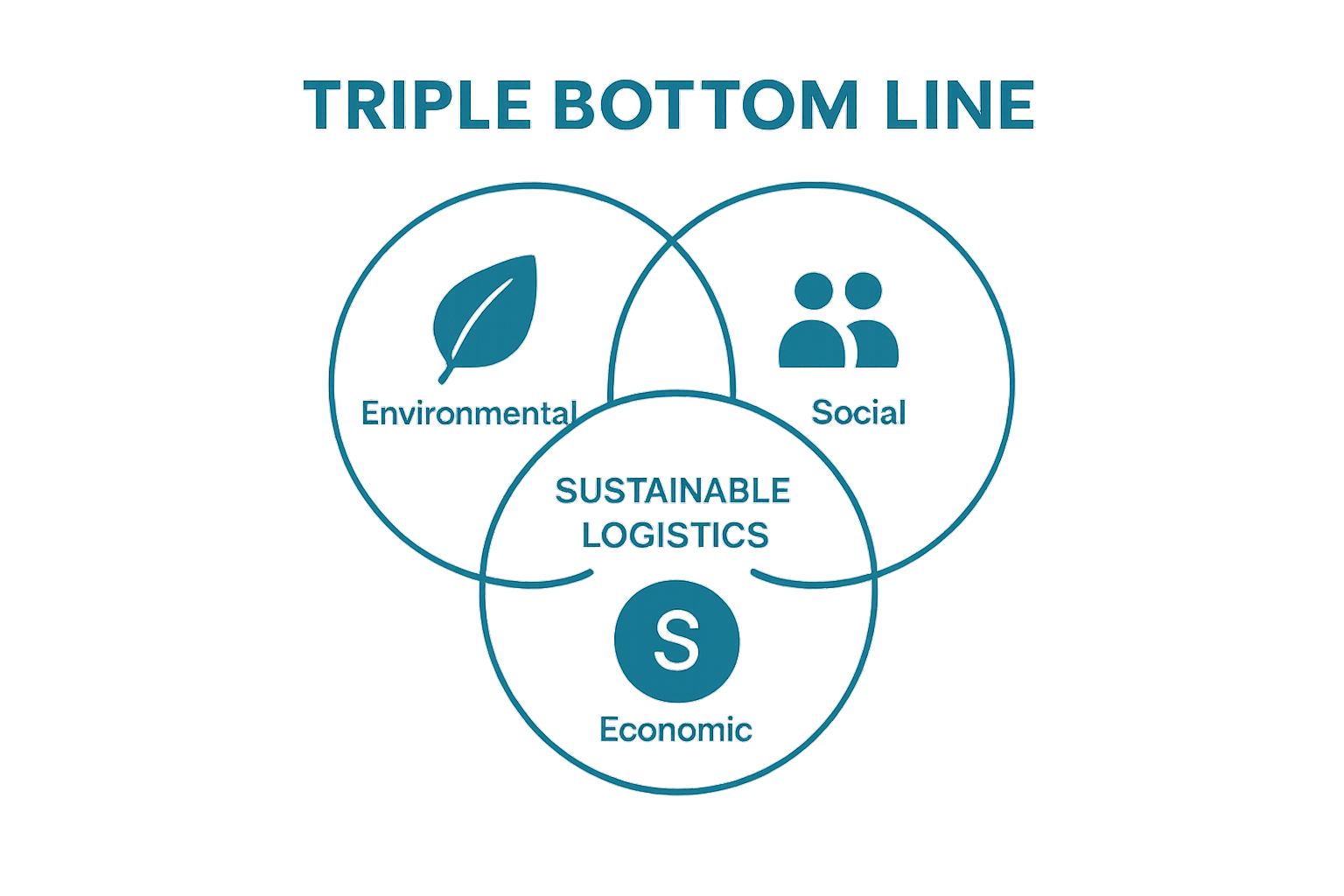
- Environmental preservation and reduced carbon emissions
- Economic efficiency and cost optimization
- Social responsibility and community well-being
- Transparent and ethical business practices
Technological Integration and Systems Thinking
Modern sustainable logistics practices rely heavily on technological integration and comprehensive systems thinking. Advanced technologies enable more intelligent, adaptive logistics networks that can dynamically respond to environmental and operational challenges. Businesses are increasingly adopting data-driven approaches that leverage predictive analytics, machine learning, and real-time monitoring to optimize resource utilization.
Explore advanced logistics solutions that demonstrate how technological innovation can transform traditional supply chain models. These solutions emphasize continuous improvement, adaptability, and proactive environmental management.
By understanding and implementing these key concepts, organizations can develop sustainable logistics practices that not only minimize environmental impact but also create significant competitive advantages in an increasingly complex global marketplace.
Real-World Examples of Sustainable Logistics Practices
Sustainable logistics practices are transitioning from theoretical concepts to tangible strategies that businesses across industries are implementing to reduce environmental impact and enhance operational efficiency. These real-world applications demonstrate how organizations can integrate sustainability into their core logistics operations.
Transportation and Fleet Management
Innovative companies are revolutionizing transportation strategies by adopting green vehicle technologies and optimizing route planning. According to the U.S. Department of Transportation’s Bureau of Transportation Statistics, organizations are increasingly focusing on alternative fuel vehicles and intelligent routing to minimize carbon emissions.
Key transportation sustainability initiatives include:
- Electric and hybrid vehicle fleet conversions
- Utilizing advanced routing algorithms to minimize fuel consumption
- Implementing consolidated shipping strategies
- Investing in low-emission transportation technologies
Warehouse and Distribution Center Innovations
Modern warehouses are transforming into sustainable logistics hubs by integrating energy-efficient technologies and circular economy principles. Companies are implementing solar power systems, utilizing recycled materials for infrastructure, and developing intelligent inventory management systems that minimize waste and optimize resource utilization.
Explore cutting-edge logistics solutions that demonstrate how technological innovation can create more environmentally responsible supply chain networks. These advanced approaches showcase how sustainability can be seamlessly integrated into complex logistics operations.
By examining these real-world examples, businesses can understand that sustainable logistics practices are not just environmental initiatives but strategic approaches that deliver significant operational and economic benefits. The most successful organizations view sustainability as a comprehensive strategy that drives innovation, efficiency, and long-term competitive advantage.
Experience Sustainable Efficiency with Reliable Courier Solutions
Modern businesses face real challenges when trying to implement sustainable logistics practices. If you are concerned about high emissions, rising operating costs, and complex supply chains, you are not alone. Your business needs an efficient, eco-friendly approach that does not sacrifice reliability or speed. The article highlighted the importance of end-to-end visibility, smart technology, and streamlined workflows to enable environmentally responsible logistics. That is where reliable courier services and flexible fulfillment strategies come in.
Turn your sustainability goals into reality. Discover how https://or-ner.com empowers ecommerce sellers and brands with scalable courier, inventory, and cross-border logistics built for today’s green supply chain demands. See how our global network and real-time technology align with the key concepts explored in the article. Start optimizing your logistics now to lower costs, strengthen your brand image, and achieve the operational efficiency modern businesses demand. Take the next step toward a future-proof, sustainable supply chain.
Frequently Asked Questions
What are sustainable logistics practices?
Sustainable logistics practices involve strategies that transform traditional supply chain operations into environmentally responsible systems, focusing on reducing carbon emissions, minimizing waste, and optimizing resource use.
How do sustainable logistics practices benefit businesses financially?
These practices can lower operational costs by reducing fuel consumption and waste, enhance brand reputation, ensure compliance with environmental regulations, and create efficiencies that lead to greater profitability.
What technologies are used in sustainable logistics?
Technologies such as intelligent routing algorithms, real-time tracking systems, and automated warehouse management systems are utilized to enhance efficiency, reduce waste, and decrease carbon emissions in logistics operations.
Can sustainable logistics practices improve supply chain efficiency?
Yes, sustainable logistics improve supply chain efficiency by optimizing resource allocation and reducing unnecessary movements, thereby streamlining operations and lowering costs.