Supply chain transparency has become a top concern for e-commerce brands that want to earn trust and prove ethical responsibility. A 2021 study found that 66 percent of consumers are willing to pay more for products from transparent companies. That sounds like great news for brands chasing credibility but most businesses still struggle to trace their product journey past their first-tier suppliers. The real edge comes not from slick marketing but from showing every detail—right down to how raw materials are sourced—something only a handful of companies have truly mastered.
Table of Contents
- What Is Supply Chain Transparency And Its Importance?
- Key Benefits Of Supply Chain Transparency For Businesses
- The Role Of Technology In Enhancing Supply Chain Transparency
- Challenges To Achieving Supply Chain Transparency
- Real-World Examples Of Effective Supply Chain Transparency
Quick Summary
| Takeaway | Explanation |
|---|---|
| Transparency Builds Consumer Trust | Clear supply chain insights enhance credibility, leading to increased consumer loyalty and sales. |
| Mitigate Risks with Visibility | Transparency helps identify supply chain vulnerabilities early, allowing for swift corrective actions and improved compliance. |
| Leverage Technology for Tracking | Advanced digital tools provide real-time insights, enabling better monitoring and data-driven decision-making across supply chains. |
| Differentiate Through Sustainable Practices | Companies that embrace transparency can set themselves apart from competitors by showcasing their commitment to ethical and environmental standards. |
| Address Complex Challenges Collaboratively | Achieving transparency requires teamwork across organizations and sectors to overcome barriers related to data sharing and technology. |
What is Supply Chain Transparency and Its Importance?
Supply chain transparency represents a strategic approach where businesses openly share detailed information about their product sourcing, manufacturing processes, labor practices, and environmental impact. In e-commerce, this concept goes beyond traditional business operations, becoming a critical element of consumer trust and corporate responsibility.
Understanding the Core Concept
At its fundamental level, supply chain transparency means providing clear, accessible insights into every stage of a product’s journey from raw materials to final delivery. This approach allows stakeholders – including consumers, investors, and regulatory bodies – to understand exactly how products are created, who creates them, and under what conditions.
Key Components of Supply Chain Transparency Include:
- Detailed documentation of material origins
- Complete disclosure of manufacturing processes
- Verification of ethical labor practices
- Environmental impact reporting
- Real-time tracking of product movement
Why Transparency Matters in E-commerce
Modern consumers are increasingly sophisticated, demanding more than just product quality. According to research published in the International Journal of Environmental Research and Public Health, transparency directly influences purchasing decisions. Consumers want to understand the ethical and environmental implications of their purchases.
Businesses that embrace supply chain transparency can differentiate themselves by demonstrating genuine commitment to responsible practices. This approach not only builds consumer trust but also helps companies mitigate potential risks in their supply chain management.
The Benefits of Transparency:
- Enhanced brand reputation
- Increased consumer confidence
- Better risk management
- Improved operational efficiency
- Compliance with evolving regulatory standards
In the digital age, supply chain transparency is no longer optional but a fundamental expectation for businesses committed to sustainable and ethical practices.
Key Benefits of Supply Chain Transparency for Businesses
Supply chain transparency offers strategic advantages that extend far beyond simple operational reporting. By providing comprehensive visibility into product sourcing, manufacturing, and distribution, businesses can unlock significant competitive advantages and build robust, resilient organizational structures.
Enhanced Risk Management and Compliance
Transparency allows companies to proactively identify and mitigate potential risks within their supply networks. By understanding advanced tracking mechanisms, businesses can quickly detect and respond to disruptions, ethical violations, or quality control issues before they escalate.
Key Risk Management Benefits:
- Early detection of supply chain vulnerabilities
- Improved regulatory compliance
- Reduced potential for reputational damage
- Faster response to global market changes
- Strategic decision making based on real-time data
Building Consumer Trust and Brand Reputation
According to research from MIT Sloan, companies demonstrating supply chain transparency can significantly enhance consumer trust. Modern consumers increasingly make purchasing decisions based on a company’s ethical practices and commitment to sustainability.
Consumer Perception Advantages:
- Increased brand loyalty
- Higher perceived product value
- Attraction of socially conscious consumers
- Differentiation from less transparent competitors
- Stronger emotional connection with customers
Operational Efficiency and Strategic Improvement
Supply chain transparency provides businesses with unprecedented insights into their operational processes. By collecting and analyzing comprehensive data across supply chain stages, organizations can identify inefficiencies, optimize resource allocation, and drive continuous improvement.
The data generated through transparent practices enables more accurate forecasting, reduces waste, and supports more strategic business planning. Companies can make informed decisions about supplier relationships, production strategies, and long-term investment based on a holistic understanding of their supply chain ecosystem.
The Role of Technology in Enhancing Supply Chain Transparency
Technology has become a transformative force in supply chain management, enabling unprecedented levels of visibility, accountability, and efficiency. Modern digital tools are revolutionizing how businesses track, monitor, and optimize their supply chain processes.
To help readers quickly compare the roles of technology in enabling supply chain transparency, the table below summarizes the main digital tools and their specific contributions.
| Technology Area | Main Capabilities / Benefits |
|---|---|
| Advanced Tracking Systems | GPS monitoring, inventory tracking, automated quality checks |
| Blockchain | Immutable records, product origin verification, enhanced data security |
| Artificial Intelligence (AI) | Pattern analysis, disruption prediction, optimization recommendations |
| Machine Learning | Real-time data analysis, forecasting, continuous improvement suggestions |
Advanced Tracking and Monitoring Systems
Digital technologies provide real-time insights into every stage of product movement and manufacturing. Digital transformation strategies have made it possible to create comprehensive, interconnected systems that offer granular visibility across complex global supply networks.
Key Technological Tracking Capabilities:
- GPS-enabled shipment monitoring
- Real-time inventory tracking
- Automated quality control checks
- Instant communication between supply chain partners
- Predictive analytics for demand forecasting
Blockchain and Transparency Innovations
According to research published in the National Center for Biotechnology Information, blockchain technology is emerging as a game-changing solution for supply chain transparency. This decentralized technology creates immutable, verifiable records of every transaction and product movement, dramatically reducing the potential for fraud and increasing trust.
Blockchain Transparency Advantages:
- Permanent, unalterable transaction records
- Instant verification of product origins
- Reduced intermediary costs
- Enhanced security and data integrity
- Improved traceability across global networks
Integration of Artificial Intelligence and Machine Learning
Artificial intelligence and machine learning algorithms are enabling businesses to process vast amounts of supply chain data, identifying patterns, predicting potential disruptions, and recommending optimization strategies. These technologies transform raw data into actionable insights, helping companies make more informed, strategic decisions about their supply chain operations.
By leveraging cutting-edge technologies, businesses can create more transparent, efficient, and responsive supply chains that adapt quickly to changing market conditions and consumer expectations.
Challenges to Achieving Supply Chain Transparency
Despite growing recognition of its importance, supply chain transparency remains a complex and multifaceted challenge for businesses across industries. Organizations encounter numerous obstacles when attempting to create comprehensive, reliable visibility into their supply networks.
Complexity of Multi-Tier Supply Networks
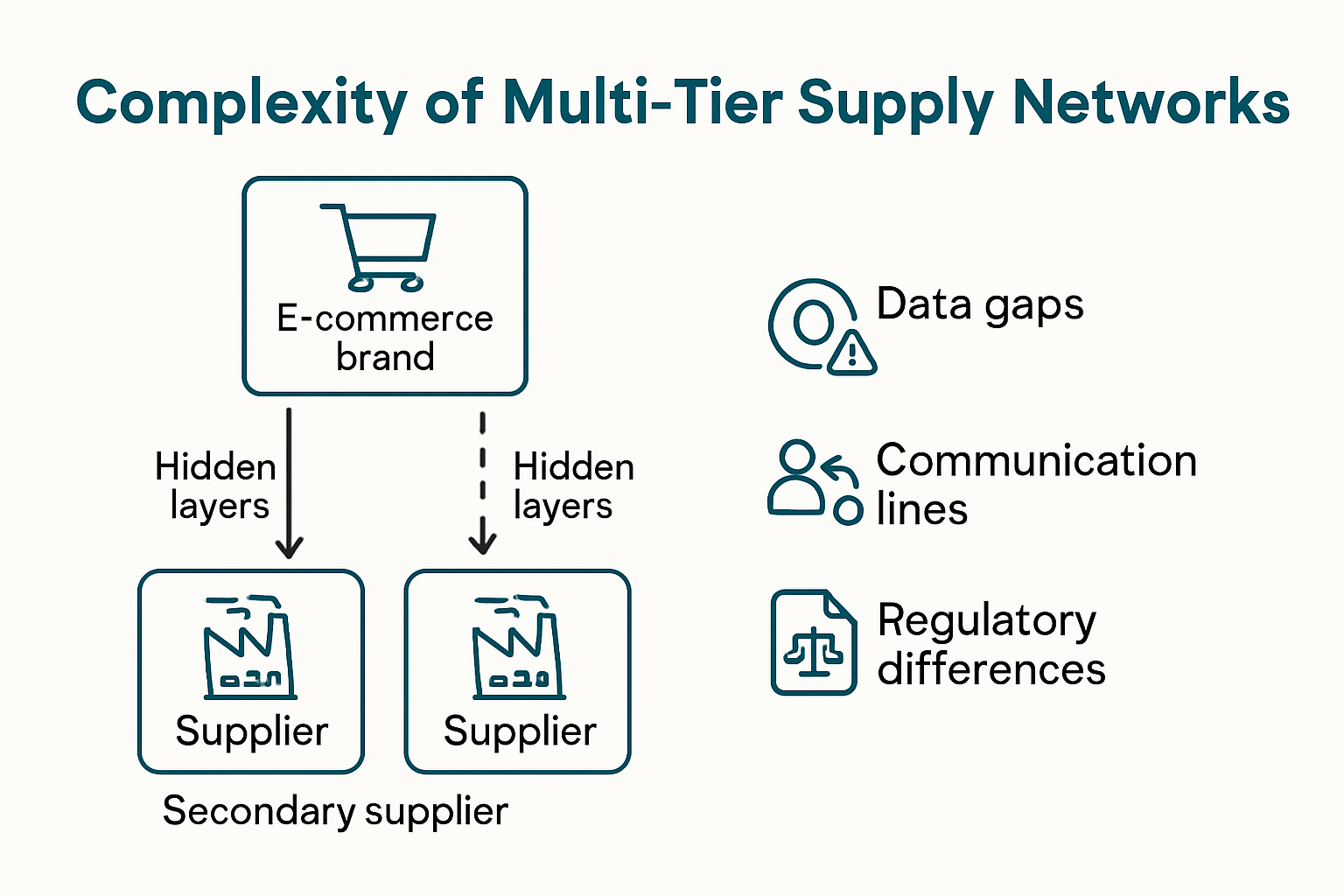
Global supply chain risks are significantly amplified by the intricate nature of modern supply networks. Companies often struggle to gain visibility beyond their immediate suppliers, creating substantial information gaps that can hide potential ethical, environmental, and operational risks.
Key Complexity Challenges:
- Limited information from secondary and tertiary suppliers
- Fragmented communication channels
- Diverse international regulatory environments
- Varying technological capabilities across supplier networks
- Cultural and linguistic barriers
Technological and Infrastructural Limitations
According to research examining multi-tier supply chain transparency, achieving comprehensive visibility is hindered by significant technological and infrastructural constraints. Many suppliers, particularly in developing regions, lack advanced digital tracking systems or standardized reporting mechanisms.
Technological Transparency Barriers:
- Inconsistent data collection standards
- High implementation costs of tracking technologies
- Limited digital infrastructure in some regions
- Resistance to sharing proprietary information
- Cybersecurity and data privacy concerns
Organizational and Strategic Resistance
Transparency initiatives often encounter internal resistance from organizations accustomed to traditional, opaque supply chain management approaches. Some businesses view comprehensive transparency as potentially exposing competitive vulnerabilities or requiring substantial operational restructuring.
Companies must recognize that transparency is not merely a reporting exercise but a strategic approach to building trust, managing risks, and creating sustainable business practices. Overcoming these challenges requires a holistic commitment to cultural transformation, technological investment, and collaborative industry approaches that prioritize shared visibility and accountability.
Real-World Examples of Effective Supply Chain Transparency
Leading companies across industries are demonstrating that supply chain transparency is not just a theoretical concept but a practical strategy for building trust, improving operations, and meeting evolving consumer expectations.
Apparel and Retail Sector Innovations
Track and trace technologies have enabled remarkable transparency transformations in the apparel industry. Patagonia stands out as a premier example, providing comprehensive details about their manufacturing processes, material sourcing, and environmental impact.
Patagonia’s Transparency Strategies:
- Detailed reporting on fair trade certification
- Open disclosure of organic cotton sourcing
- Transparent information about material sustainability
- Comprehensive environmental impact assessments
- Publicly shared supplier and manufacturing location details
Technology and Manufacturing Transparency
According to research examining supply chain practices, Nike has revolutionized transparency in manufacturing by creating an unprecedented level of visibility into their global production network.
Nike’s Transparency Approach:
- Published list of 498 contract manufacturing sites
- Detailed site information including street addresses
- Employee demographic reporting
- Gender and migration status transparency
- Comprehensive social responsibility reporting
Food and Agriculture Transparency Models
Companies like Unilever have set industry benchmarks by implementing robust traceability systems that allow consumers to trace product ingredients from source to shelf. These initiatives not only build consumer confidence but also create accountability throughout complex global supply networks.
These real-world examples demonstrate that supply chain transparency is a strategic advantage, enabling businesses to differentiate themselves, build consumer trust, and create more sustainable, ethical operational models.
Ready to Build Real Transparency in Your E-commerce Logistics?
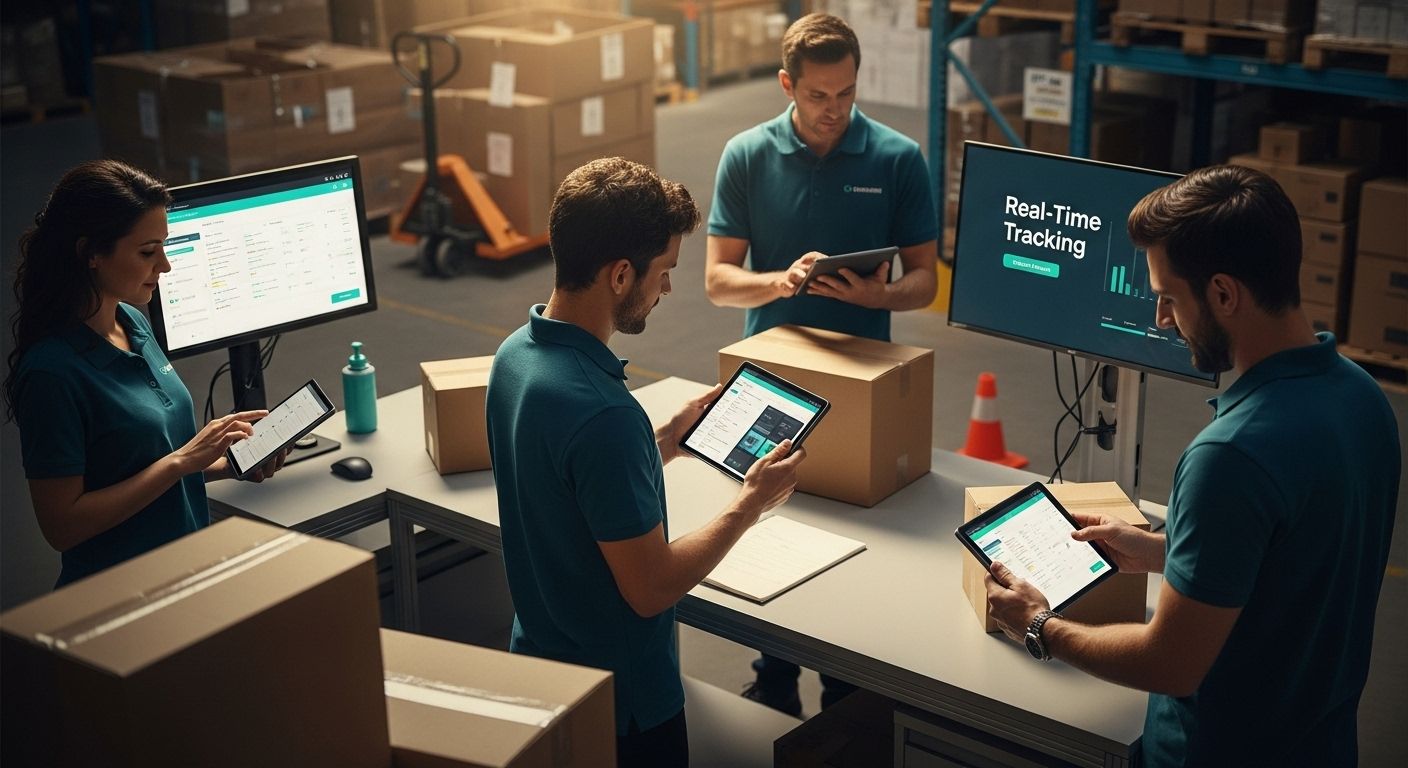
Modern e-commerce demands more than promises. It requires actual visibility, swift response, and a proven track record in supply chain transparency. The article highlighted how gaps in real-time tracking, opaque operations, and unreliable partners can damage your brand trust and slow your growth. If you face uncertainty about product whereabouts, delays in cross-border delivery, or are concerned about compliance and risk exposure, you are not alone. Reliable courier services and streamlined logistics make all the difference for successful online retail.
Put these worries behind you by partnering with or-ner.com. Experience end-to-end solutions built to address every transparency and delivery pain point. From freight booking and real-time tracking to automated exception management, our platform gives you complete control and clear data insights every step of the way. Start today so your logistics can empower your brand instead of holding it back.
Frequently Asked Questions
What is supply chain transparency?
Supply chain transparency refers to the practice of openly sharing information about the sourcing, manufacturing processes, labor practices, and environmental impact of products throughout their journey from raw materials to final delivery.
Why is supply chain transparency important in e-commerce?
Supply chain transparency is crucial in e-commerce because it builds consumer trust, ensures ethical practices, and addresses environmental concerns. Modern consumers increasingly prefer brands that prioritize transparency and sustainability.
How can technology enhance supply chain transparency?
Technology can enhance supply chain transparency through advanced tracking systems, blockchain technology, and artificial intelligence. These tools provide real-time insights, improve data accuracy, and facilitate better monitoring of supply chain processes.
What challenges do businesses face in achieving supply chain transparency?
Businesses face several challenges in achieving supply chain transparency, including the complexity of multi-tier supply networks, technological and infrastructural limitations, and organizational resistance to change.